







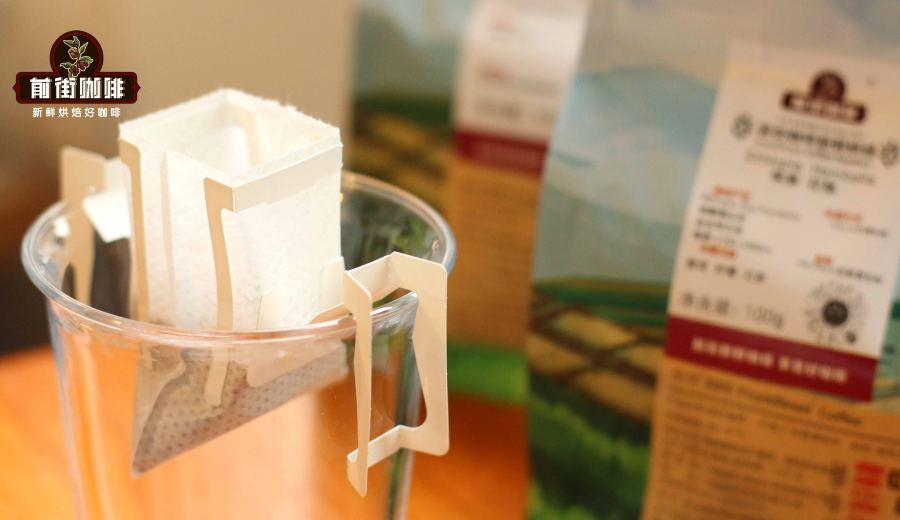
Introduction:Drip bags combine the flexibility of pour over with the convenience of instant brewing, making them a top choice for many coffee enthusiasts looking to enjoy specialty coffee. However, in practice, many people often encounter issues with subpar flavors, such as tastes that are too light, overly acidic, or excessively bitter. This article will guide you through drip bag selection tips, proper brewing steps, as well as common flavor issues and how to fix them—equipping you with key parameters and practical tricks so you can brew a balanced drip bag coffee at home.
Drip bags are a daily choice for many specialty coffee lovers due to their convenience while still retaining relatively fresh-ground flavors. However, even drip bags made from the same coffee beans can differ in flavor compared to freshly ground pour over, mainly because once coffee is ground, its aromatic compounds begin to volatilize quickly. Therefore, choosing freshly roasted drip bags and enjoying them within the best-before date ensures the optimal flavor. It’s recommended to select drip bag products that are packaged shortly after roasting to fully preserve the original aroma of the coffee.
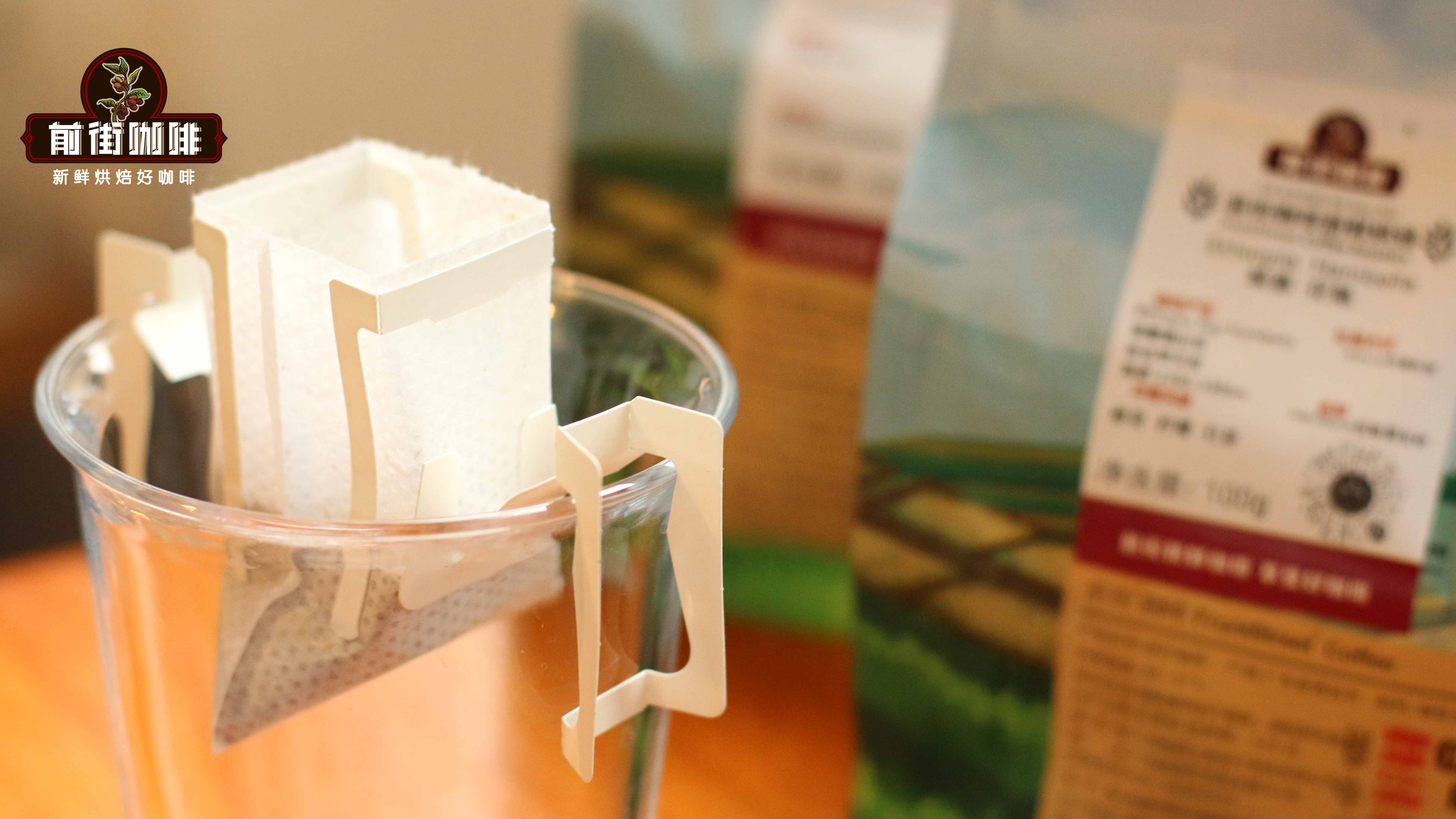
Even for the same coffee beans, the flavor profile of drip bags may differ slightly from that of freshly roasted beans. This is because once coffee is ground, its volatile aromatic compounds dissipate rapidly. Therefore, besides opting for freshly roasted drip coffee, it's also important to consume it as early as possible within the indicated best-before date to fully experience the coffee’s complete characteristics. Generally, the shorter the time between roasting and packaging, the better the delicate fruity notes and layered complexity are preserved.
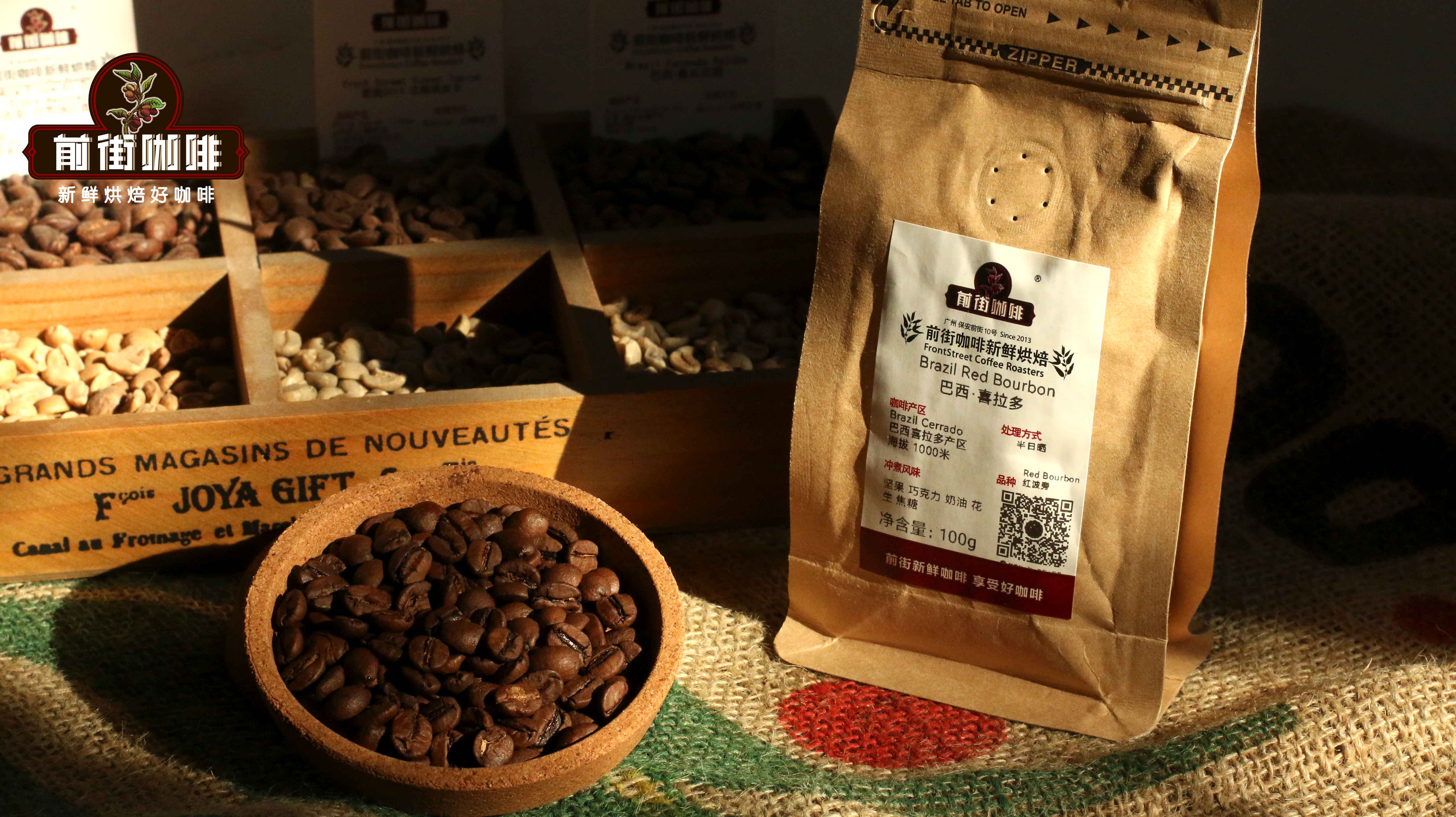
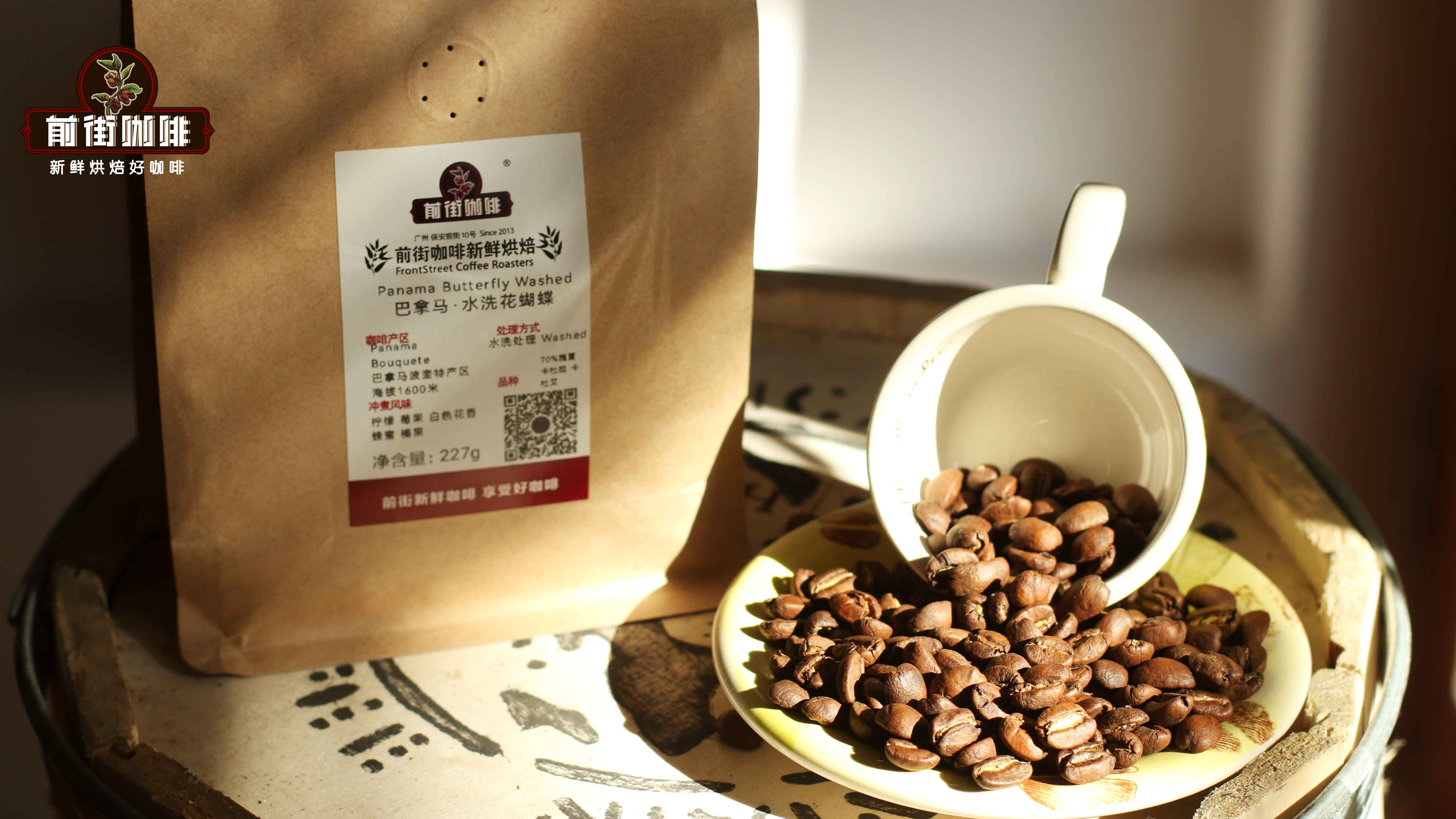
Currently, the market offers drip bags featuring diverse flavors from renowned coffee regions around the world. If you prefer a bright, floral-fruity profile, you can choose drip bags from regions known for pronounced white floral notes, such as Yirgacheffe. For a balanced and smooth mouthfeel, Brazilian Cerrado drip bags are a solid choice. If you enjoy distinct fruit acidity and vibrant profiles, options like Kenya or Flower Butterfly offer bold flavors. For those who prefer rich, full-bodied cups with chocolatey and caramel aftertastes, medium-to-dark roasted drip bags from Indonesia’s Mandheling or Honduras may be worth considering.
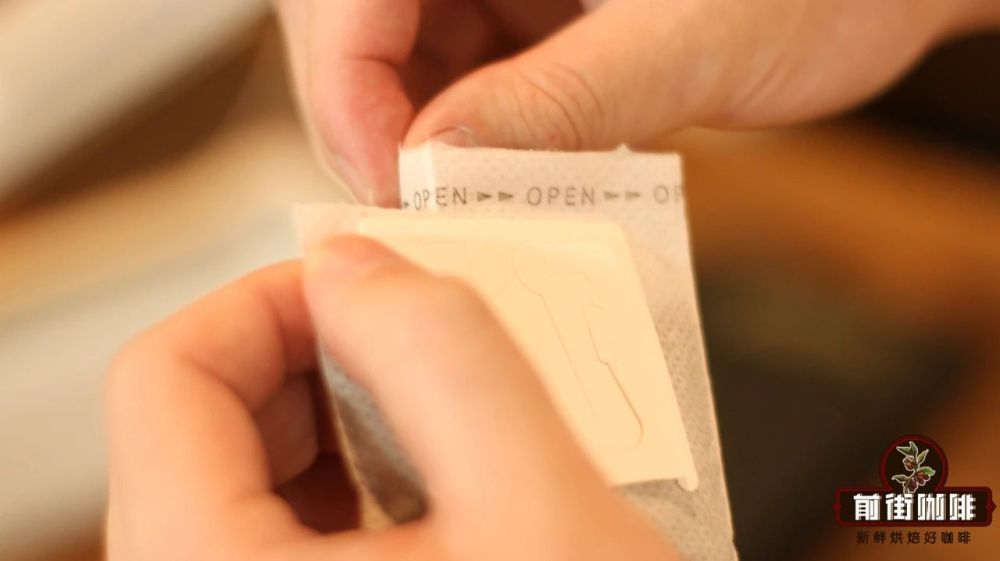
Next, we’ll use a common 10g drip bag as an example to explain the standard brewing process. It is generally recommended to use a 1:15 coffee-to-water ratio, meaning 10g of coffee grounds with 150ml of hot water. Prepare a server or regular drinking cup, along with a kettle that allows you to control the water flow. First, open the drip bag, tear along the dotted line at the top, unfold the non-woven filter pouch, then extend the two “ears” on either side and hang them over the rim of your cup or pot.
The first step is the bloom: pour a small amount of hot water (about 20–30ml) to allow the coffee grounds to fully absorb water and expand. Let it sit for about 10–20 seconds to awaken the aromas in the coffee. Then, slowly pour hot water in a fine and steady stream until the water level nears the top of the cup, and wait for the coffee to drip through. Finally, add a third pour to reach the total of 150ml. Once all the coffee has dripped through, gently swirl the cup and enjoy. This brewing method helps extract the sweetness and balance of the coffee.
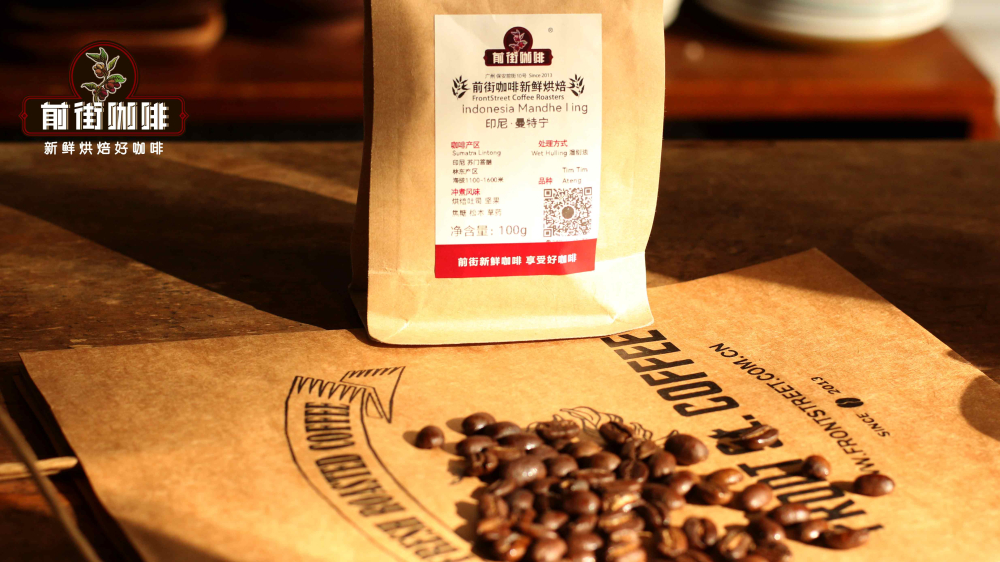
However, many people brewing drip bags at home often find the flavors not meeting expectations—for instance, the taste being too light. There are three main reasons why drip bag coffee might taste too weak: first, the water temperature is too low—use hot water between 86–93˚C, and if using freshly boiled water, let it cool for about 2–3 minutes before brewing; second, too much water is poured, overly diluting the coffee and reducing concentration; third, mistakenly soaking the whole unopened drip bag directly in water, which leads to incomplete extraction and almost no flavor. The correct method is to open the drip bag, hang it on the cup, and pour hot water in stages for normal filtration.
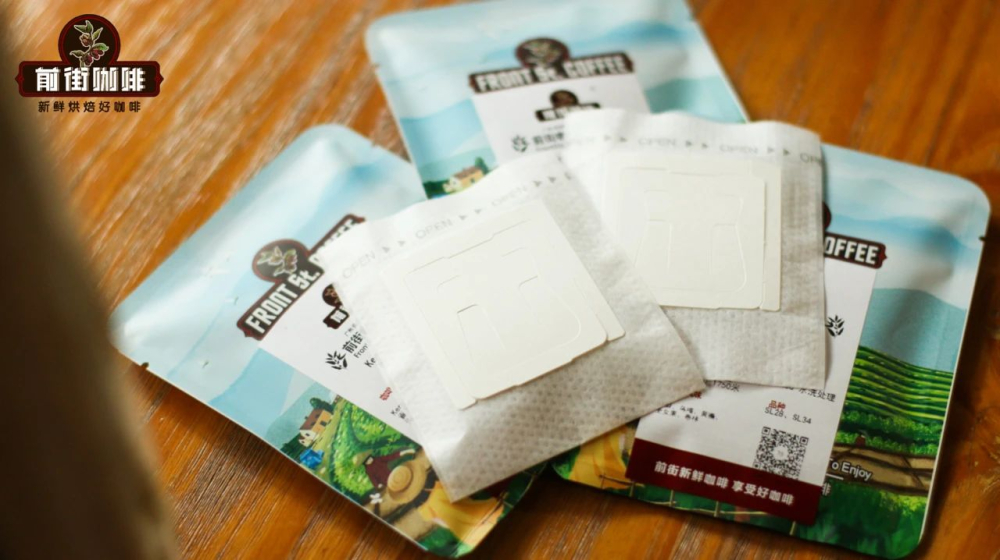
Conversely, if the brewed drip bag coffee tastes overly bitter or astringent, it’s usually due to over-extraction. This could result from excessively high water temperature or too long of a contact time between the coffee grounds and water. It’s recommended to use a cup with slightly higher sides to prevent the coffee liquid from backflowing and causing over-extraction due to slow dripping speed. Additionally, don’t soak the drip bag in water for too long; instead, follow the steps of “bloom → pour → wait for dripping” to control timing and avoid bitterness.
If you often notice a strong acidity in your drip bag coffee, and this sourness isn’t to your liking, it might be because you’ve chosen a light roast coffee, whose acidity tends to be more prominent. Light-roasted coffees typically showcase bright notes of lemon acid, apple acid, or floral tones, but if you’re not used to these flavors, you might opt for medium-to-dark roasted drip bags, such as those from Brazil’s Queen Estate or PNG Paradise Bird. These coffees often have a smoother mouthfeel and lower acidity, suiting drinkers who prefer fuller-bodied flavors.
The above content is compiled by CoffeeHunters, a coffee news website.


