







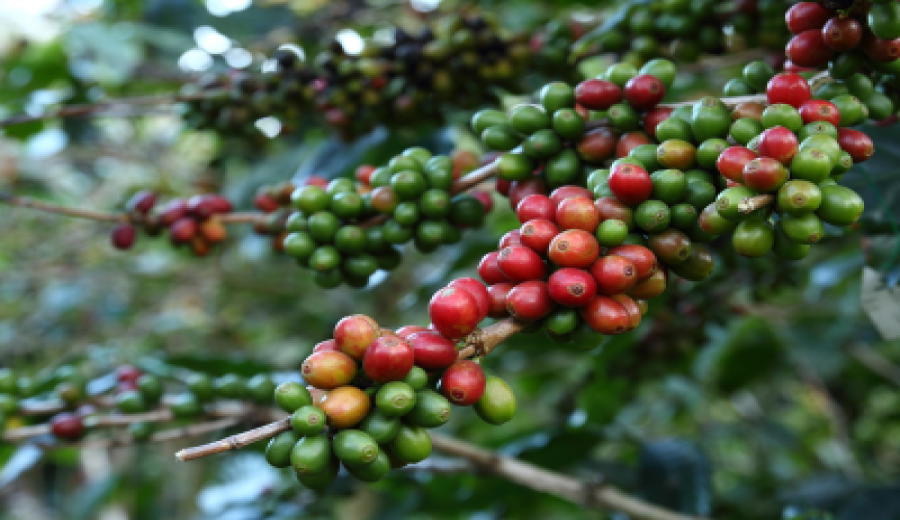
Introduction:Want to try pour over coffee but not sure which beans to choose? Global specialty coffee mainly comes from Asia, Africa, and Latin America. These three major regions, due to differences in terrain, altitude, and climate, each produce beans with unique flavor profiles. This article takes an in-depth look at the typical flavor characteristics of beans from different areas—including the rich spice notes of Asia, the vibrant fruit acidity of Africa, and the balanced nutty and cocoa tones of Latin America—and recommends three classic single-origin beans to help you find the most suitable pour over coffee based on your taste preferences.
The main origins of global specialty coffee are concentrated in Asia, Africa, and Latin America. These three regions, due to significant differences in geographical environment and climate conditions, produce beans with vastly different flavors. Whether you’re just starting with pour over or already have some experience, understanding the characteristics of each region can help you select your desired beans more accurately.
Beans from Asian producing regions, commonly found in places like Sumatra in Indonesia, are known for their rich spice and herbal aromas, with a taste that leans toward bold and full-bodied. These beans often carry layers of earth and forest, making them suitable for those who enjoy deeper flavors. After brewing, one can often sense an interplay of caramel, cedar, and dark chocolate, with a long finish and a mellow sweetness.
In contrast, beans from African producing regions exhibit a distinctly different character. African beans, represented by Ethiopia’s Yirgacheffe, are mostly processed using the washed method, showcasing bright citrus acidity and fresh floral and fruity aromas. These beans are refreshing on the palate, with lively acidity that is not overly sharp, often accompanied by a honey-like sweetness and a delicate green tea-like finish—making them a top choice for many pour over enthusiasts. A moderate roast level can further highlight their layered aromatic expression.
As for Latin America, which includes major producing countries such as Brazil and Colombia, the beans here generally offer a more balanced flavor profile. Dominated by nutty, cocoa, and creamy tones, they have gentle acidity and a smooth mouthfeel, making them suitable for those seeking stability and balance. Due to the wide range of altitudes and climates, beans from this region come in diverse flavors, yet overall maintain a certain neutral character, serving as a versatile base for both blends and single-origin brews.
If you’d like to try a representative of Asian flavors, consider a classic bean that uses the wet-hulled processing method. These beans, roasted to a medium-dark level, release intense herbal and spice notes. When brewed using pour over, you can experience a blend of caramel, cedar, and dark chocolate flavors, with a thick body and a sweet aftertaste—perfectly showcasing the unique terroir of the Sumatra region.
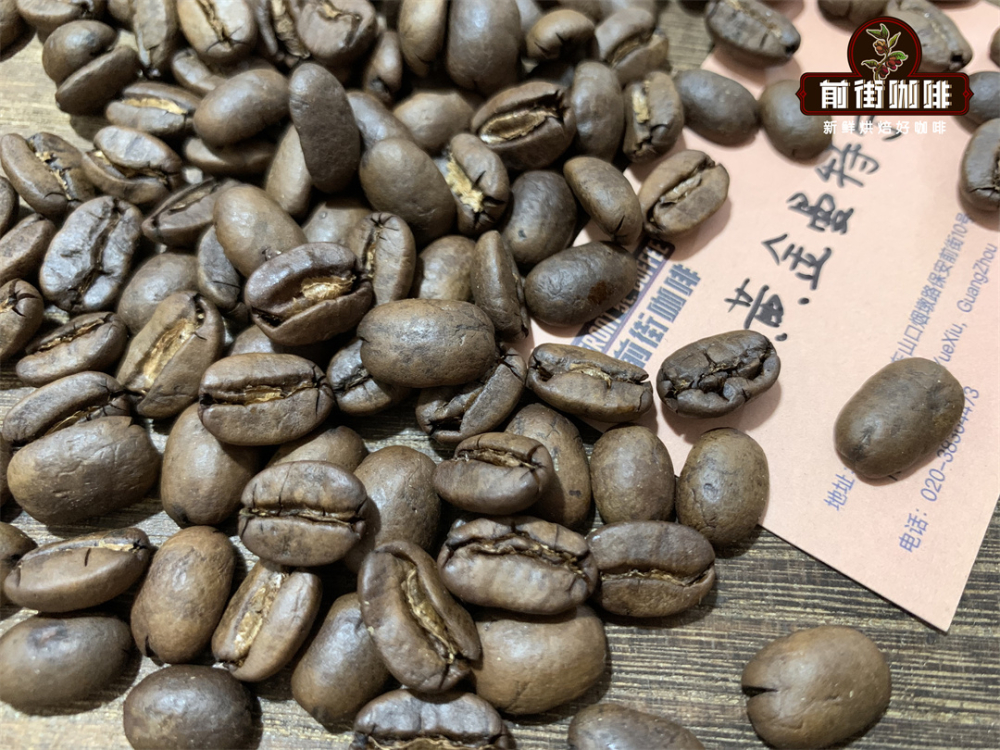
If you prefer bright and lively acidity, washed beans from African producing regions are an excellent entry point. For example, some washed beans from Yirgacheffe, roasted to a light-to-medium level, exhibit multi-layered aromas of jasmine, citrus, green tea, and honey. The acidity is delicate and bright, with almost no noticeable bitterness, making them very suitable for pure black coffee brewing and allowing you to experience the unique vitality and freshness of African beans.
As for representatives of Latin America, it’s recommended to focus on rare varieties grown at high altitudes, such as Yellow Bourbon. These beans often carry aromas of creamy chocolate, dark cocoa, and almond, with gentle acidity and a balanced bitter-sweet profile, along with a smooth mouthfeel. They are a stable choice recommended by many professional pour over brewers. As the world’s largest coffee-producing country, Brazil’s beans are mostly known for their neutral tones, making them suitable for everyday drinking or as a base for blends.
In summary, when selecting pour over coffee beans, you can look for the most flavor-aligned options among the three major regions based on your personal preferences for acidity, sweetness, and body. Whether you’re drawn to the richness of Asia, the freshness of Africa, or the balance of Latin America, understanding the flavor characteristics of each region can make your pour over experience richer and more rewarding.
The above content is compiled by CoffeeHunters, a coffee news website.


