







Introduction:An in-depth exploration of Kenya’s renowned K72 washed processing method — from its three-stage 72-hour fermentation process, the evolutionary background of mainstream cultivars such as SL28 and SL34, to the high-altitude growing conditions and grading system of Kenyan coffee regions — this guide will help you uncover the source of Kenya coffee’s bright acidity and complex aromas. Also included are practical pour over recommendations and roasting references to help you fully experience the unique charm of Kenya’s specialty beans.
Kenyan coffee has long been celebrated for its clean, bright acidity and rich fruitiness. Behind these characteristics lies not only its exceptional growing environment but also its iconic K72 washed processing method. This method is an extension developed from traditional washed processing, and through refined fermentation and washing steps, it delivers a purer and more layered flavor profile.
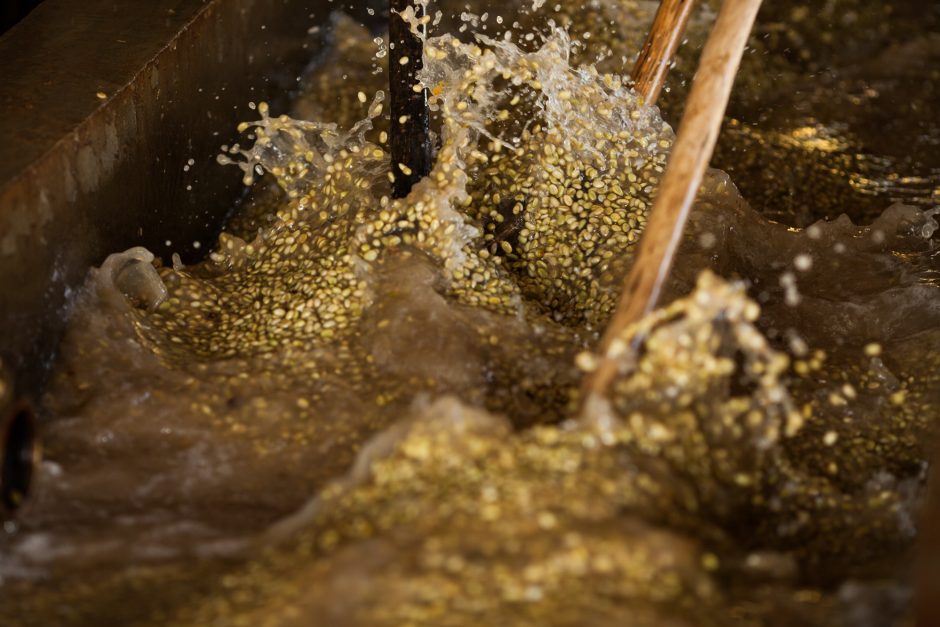
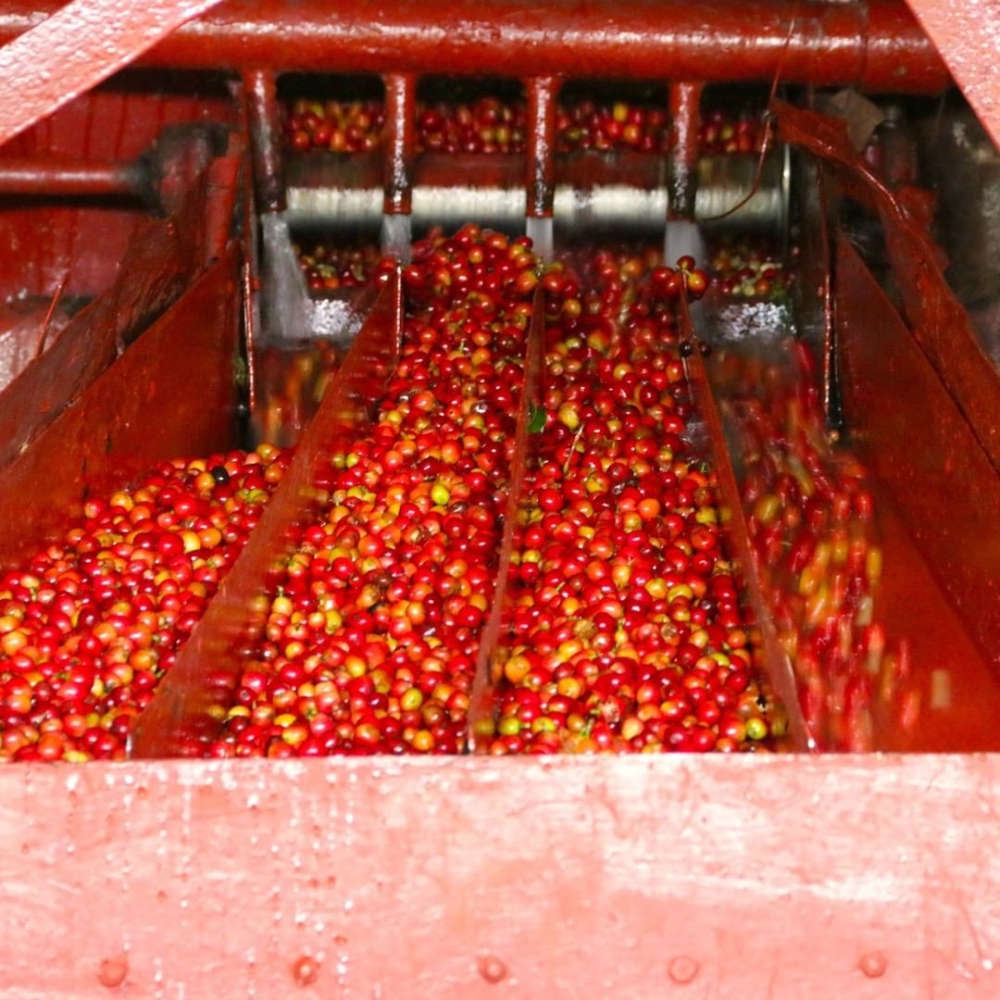
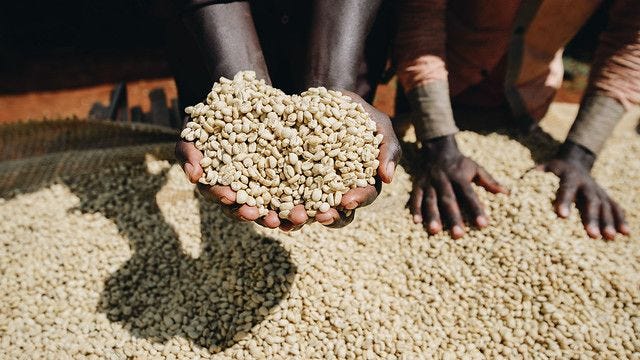
The hallmark of the K72 washed processing method is its extended fermentation time.After harvesting, the coffee cherries undergo water density sorting to remove unripe or defective beans, keeping only the high-density, high-quality fruits. After depulping, the beans enter the first 24-hour fermentation stage, during which natural sugars and alcohols in the mucilage begin to release, greatly influencing sweetness and acidity. After fermentation, the beans are rinsed with clean water, then undergo a second 24-hour fermentation and rinse cycle. This process is repeated for a total of three rounds, accumulating 72 hours — hence the name K72 process.
This fermentation process not only effectively reduces impurities and undesirable flavors but also enhances the clarity of acidity and the concentration of aroma. Each round of fermentation is followed by washing to remove excess mucilage, ultimately preserving only substances that positively contribute to flavor. The fermented beans are then sun-dried on raised beds, with the total drying time ranging from about 5 to 10 days depending on weather conditions, ensuring stable moisture content and laying a solid foundation for subsequent roasting.
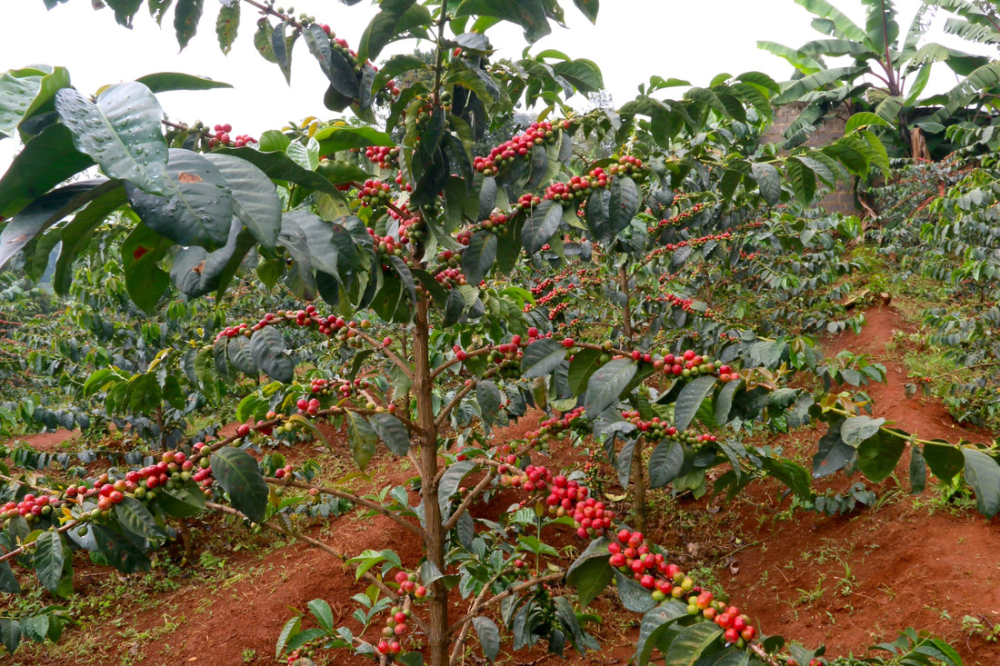
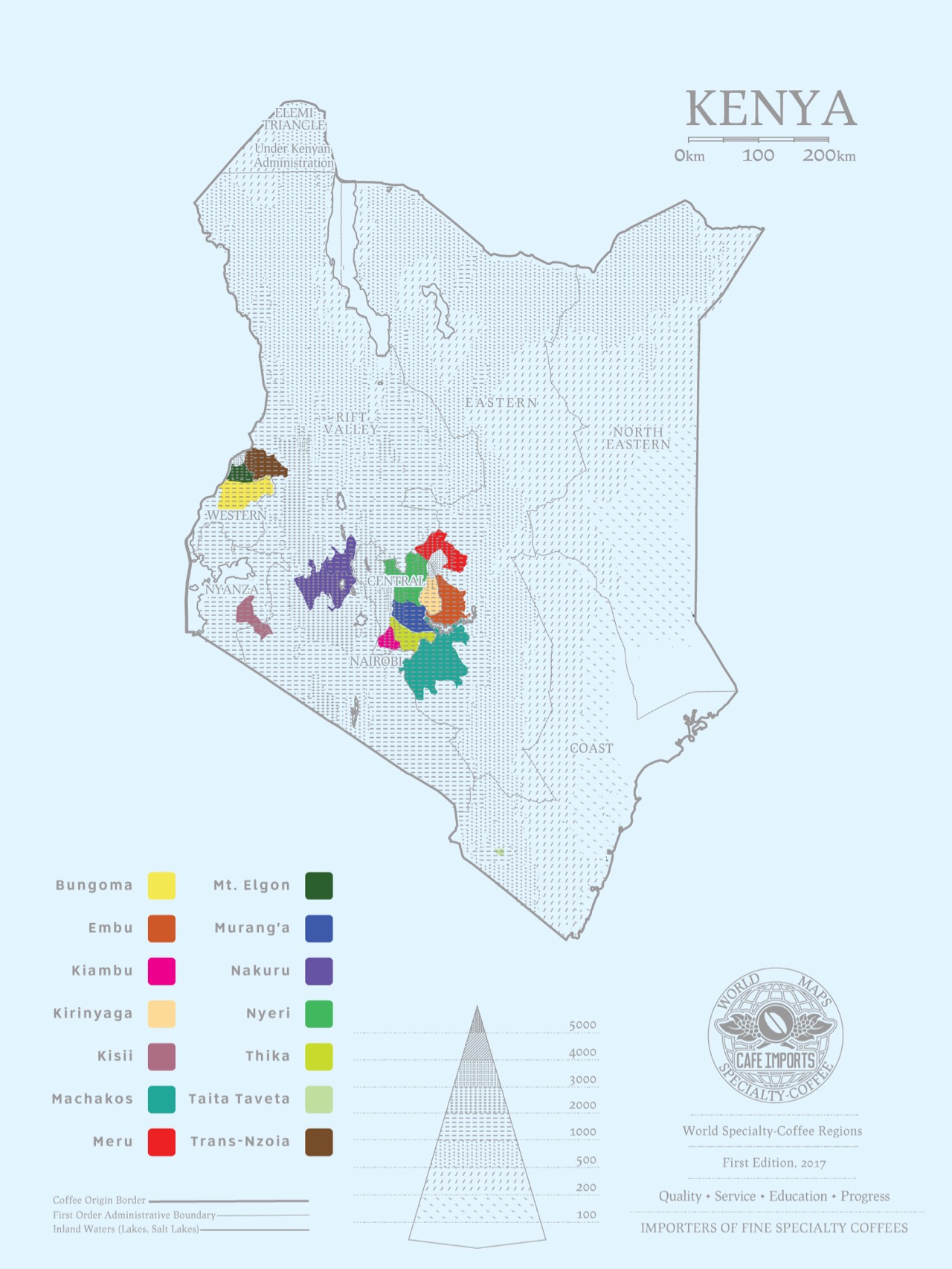
The outstanding performance of Kenyan coffee also benefits from its unique geographic and climatic conditions. Located in East Africa with the equator running through it, Kenya is predominantly a plateau terrain with an average elevation of about 1,500 meters, and its central Mount Kenya rises up to 5,199 meters. The country experiences two main rainy seasons, concentrated between June and August, and October and December, suitable for two annual coffee harvests. Major coffee-growing areas are concentrated around Nairobi, the capital, and the Mount Kenya region, in volcanic soil zones at elevations of approximately 1,600 to 2,100 meters. This altitude slows the coffee growth rate, aiding in the accumulation of flavor compounds, making the acidity more pronounced and the bean texture relatively hard and dense.
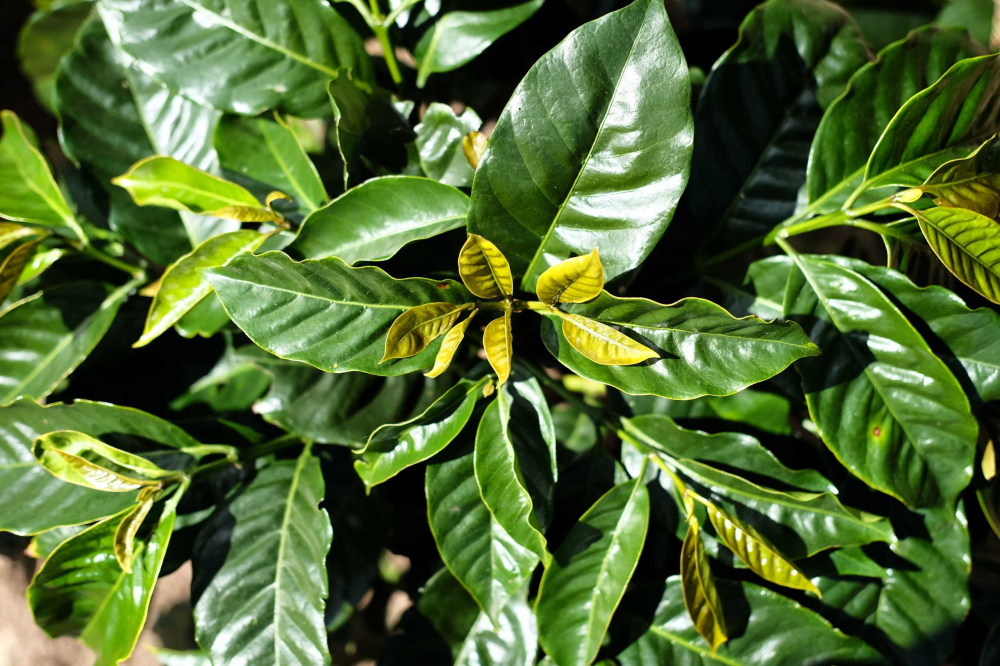
When discussing the soul of Kenyan coffee’s flavor, one cannot overlook its main cultivated varieties: SL28, SL34, Ruiru11, and Batian.SL28 and SL34 were developed by Scott Laboratories (Scott Laboratories) in the 1930swith the aim of finding varieties that could adapt to Kenya’s environment and had commercial potential. SL28 is known for its copper-colored leaves and pea-berry-like appearance, and it exhibits outstanding citrus and dark plum notes, with bright and layered acidity — making it a key variety in many top Kenyan coffees. SL34 shares similar flavor profiles with SL28 but offers a richer and more robust taste, along with stronger adaptability, enabling stable growth even in environments with sudden rainfall increases.
Ruiru11 is a variety bred at the Ruiru Research Station in the 1970s, primarily targeting resistance to coffee leaf rust (CBD) and improved yield, and was officially launched in the 1980s. This variety offers good disease resistance and high yield potential, though its flavor performance is slightly inferior to that of the SL series. Batian is the latest variety released by the Kenya Coffee Research Institute (CRI) in 2010, combining the strengths of SL28 and SL34 while reducing Robusta genetic influence. It shows significant improvement in cup quality and is one of the newer varieties increasingly adopted by Kenyan coffee farms today.
Kenya’s coffee bean grading system is also unique, primarily based on bean size, shape, and cupping results. From highest to lowest, the grades are AA or AA+, AB, PB (peaberry), C, E, TT, and T. Among them, AA and AA+ grade beans usually have a size of 17 to 18 mesh (approximately 7.5 to 8 millimeters) and are considered top-tier products, while AB grade beans are 15 to 16 mesh and make up the majority of production. PB grade refers to peaberries, which, though not directly linked to flavor, are favored in some markets for their unique shape. In addition, some exporters further subdivide grades based on cupping results into unofficial but widely used categories such as TOP, PLUS (+), and FAQ, providing consumers with more flavor references.
When actually tasting Kenyan coffee, its flavor profile often centers on bright tomato acidity, accompanied by complex notes such as dark plum, brown sugar, and honey, with the finish often carrying a refreshing aftertaste reminiscent of berries or green tea. Below are two representative Kenyan coffee beans along with their roasting and pour over recommendations for coffee enthusiasts to reference and try.
Kenya Assaliya Coffee BeansProduced by the Asali processing factory, grown at altitudes of 1,550 to 1,750 meters, with varieties SL28 and SL34, using the K72 washed process. It is recommended to highlight its acidity and fruity notes with a light roast. Roasting uses a Yangjia 800N semi-direct-fire roaster, with an inlet temperature of 160°C, a total roasting time of about 9 minutes and 28 seconds, and a first crack development of 2 minutes and 20 seconds before dropping at 193.8°C. For pour over, use a Hario V60 filter, water temperature at 90°C, a 1:15 powder-to-water ratio, grind size at about 80% passing through a #20 sieve, with a 30-second bloom using 30 grams of water, then pouring in small streams to 225 grams, with a total extraction time of about 2 minutes. Flavor-wise, this bean offers layers of pear, dark plum, brown sugar, and cherry tomato, with bright acidity, a clean mouthfeel, and a berry and green tea aroma in the aftertaste.
Kenya Saxony Estate PB Coffee BeansFrom the Saxony Estate at an altitude of 1,680 meters, with varieties including SL28, SL24, and Ruiru, also processed using the K72 washed method. Due to the higher proportion of peaberries, the flavor is more concentrated. Roasting is recommended to extend the Maillard reaction time to soften acidity and develop flavor, with an inlet temperature of 170°C, first crack starting at 8 minutes and 20 seconds, a development time of 1 minute and 50 seconds before dropping at 193.3°C. For pour over, use a V60 or a cake dripper, water temperature between 90-91°C, similar grind size, with a 30-gram bloom followed by segmented pouring to 228 grams, and a total extraction time of about 1 minute and 55 seconds. This bean offers a richly layered flavor, commonly featuring cherry tomato, almond, honey, and citrus notes, with prominent creamy and brown sugar aftertastes in the mid-palate, and a cocoa and oolong tea sensation in the finish.
In summary, Kenya’s K72 washed processing method, through precise fermentation control and multiple washes, creates a coffee flavor that is bright in acidity, pure in aroma, and rich in layers. Coupled with the local high-altitude growing environment and classic varieties such as SL28 and SL34, Kenyan coffee stands out uniquely in the global specialty market. A deeper understanding of its processing flow, variety characteristics, and grading system will help coffee lovers better appreciate the unique charm of Kenyan coffee during tasting and brewing.
The above content is compiled by CoffeeHunters, a coffee news website.


