







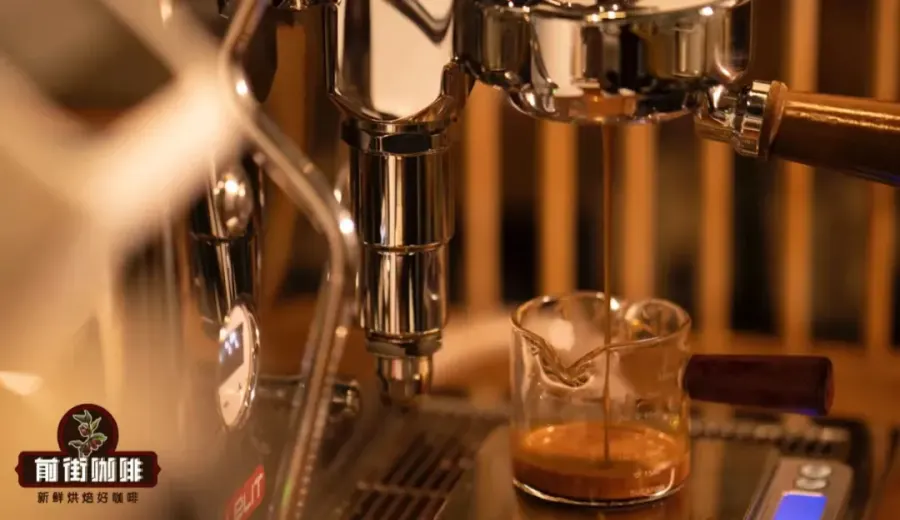
Introduction:Struggling to consistently extract ideal crema and rich flavor with your home espresso machine? A common issue is insufficient extraction pressure—most users achieve only around 5–7 bar, far below the standard 9 bar. This article delves into the mechanics of pressure formation, highlights puck resistance as the key factor, and offers practical adjustments in three areas: grind size, coffee dose, and tamping technique. It also provides tailored grind strategies for different roast levels to help you craft balanced, full-bodied espresso at home.
When it comes to espresso, many immediately think of that enticing golden crema and rich, velvety taste. But unlike pour over, French press, or siphon brewing—methods that operate at ambient pressure—espresso relies on pressured extraction. Pressure not only affects brew speed but is also crucial for crema formation. Many home espresso machine users face a frustrating issue: the pressure never quite reaches 9 bar, often lingering between 5–7 bar. This results in weak, overly acidic coffee lacking the depth and complexity espresso should have. What causes this pressure deficiency, and how can it be fixed? We’ll start with puck resistance to pinpoint the problem and share three actionable solutions.
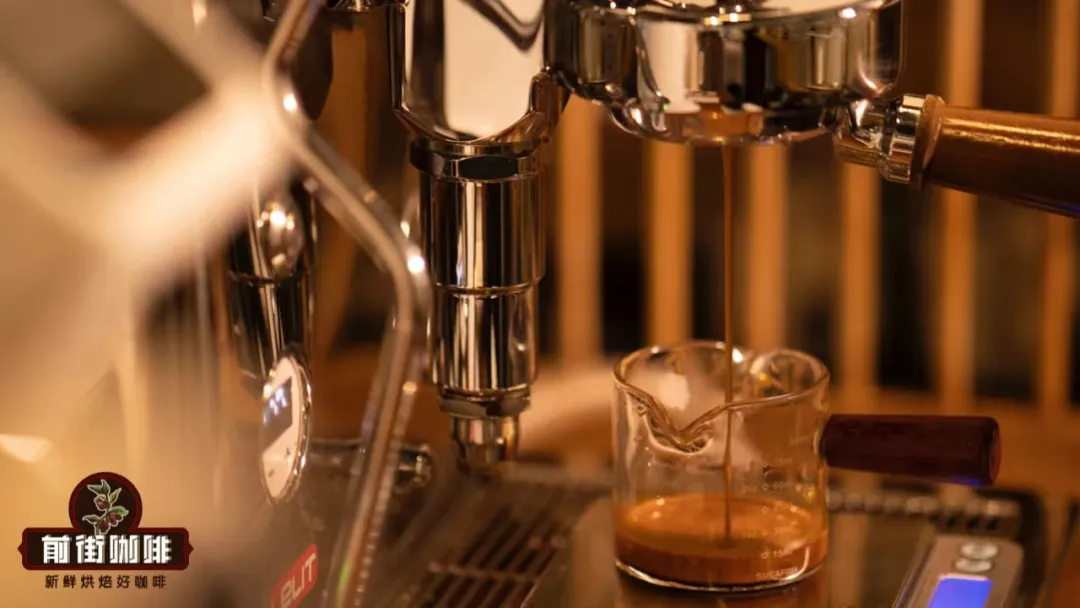
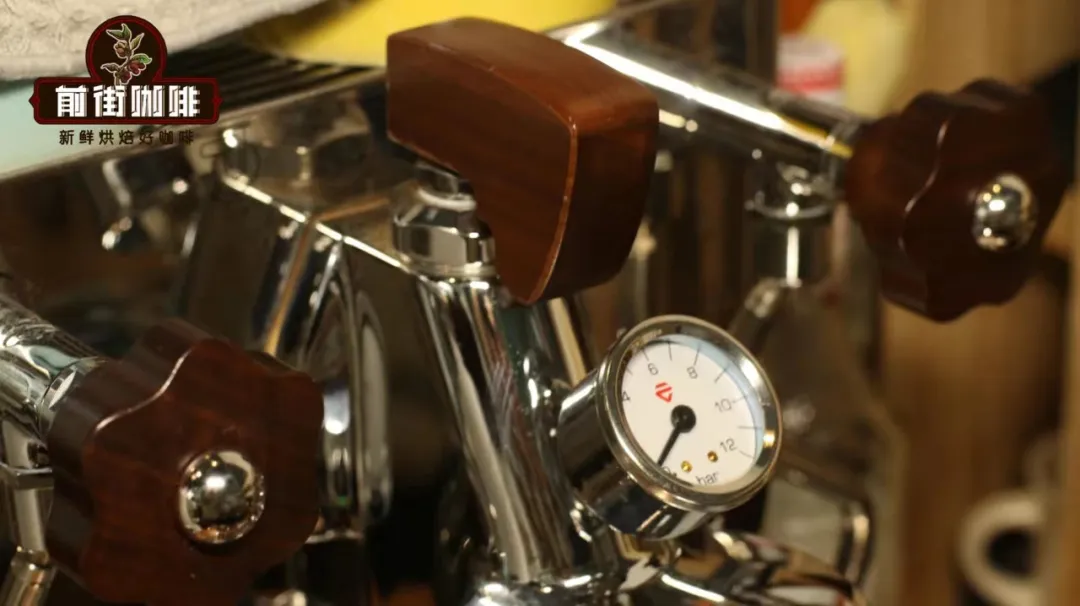
First, it’s essential to understand the biggest difference between home espresso machines and methods like pour over or French press: pressure. The former forces hot water through a compacted coffee puck, not only shortening extraction time but also pulling out more flavor compounds and creating that signature crema. The stability of this pressure directly determines the quality of your espresso. Typically, professional machines operate at around 9 bar, extracting coffee in 25–30 seconds to achieve a balanced acidity, sweetness, bitterness, and rich mouthfeel. Yet many home machines fall short due to various issues, significantly compromising extraction.
Low pressure is usually tied to “puck resistance.” Simply put, pressure is the force water exerts on the puck, while puck resistance dictates how easily water can pass through. A denser puck resists water flow, requiring the machine to generate higher pressure; conversely, a loose puck lets water through too easily, rendering the machine’s pressure output ineffective. Therefore, to reach the ideal 9 bar, the primary goal is to enhance puck resistance, thereby improving extraction efficiency and flavor.
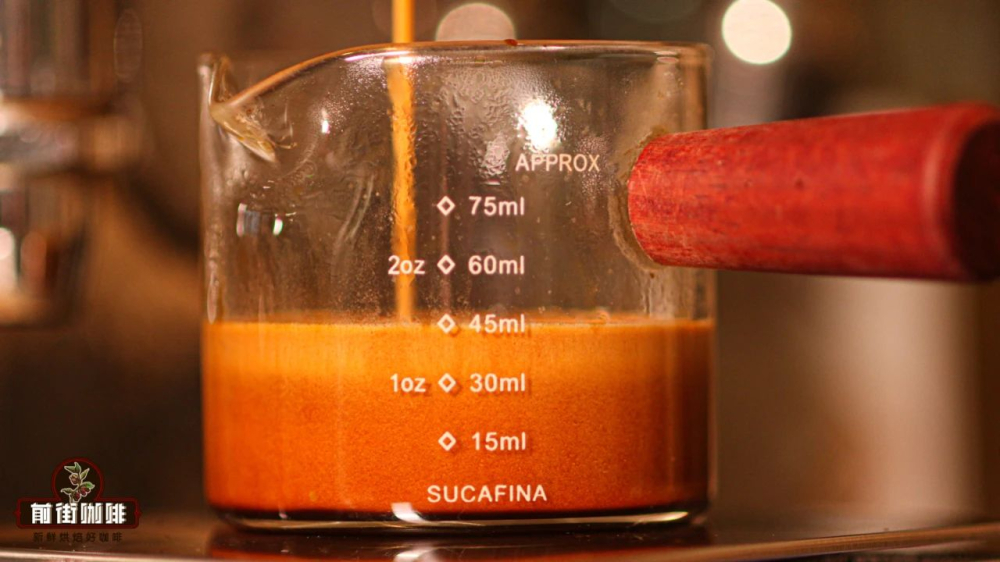
So, how can you effectively boost puck resistance? The answer lies in three key factors: adjusting grind size, controlling coffee dose, and improving tamping pressure. Mastering these three elements can significantly enhance your home machine’s pressure performance, yielding richer, more balanced espresso.
First up: “finer grind.” The coarseness of coffee grounds directly affects the gaps between particles, altering water flow speed and puck resistance. Many home users habitually opt for a coarser grind, causing water to pass through the puck too easily and preventing pressure from rising. This is especially true for medium-to-dark roast espresso beans—like classic blends (with buttery, dark chocolate notes), commercial blends (caramel, roasted nut tones), or dark chocolate blends (creamy, peanut, chocolate flavors). These beans expand noticeably when heated and absorb water well, so beginners might start with a slightly coarser grind but should fine-tune based on actual brew time. If extraction is too quick, gradually adjust to a finer grind until you hit the sweet spot.
For medium-roast beans, such as Huakui SOE or Strawberry Sugar espresso, which emphasize delicate fruity and floral notes like berries and grapes, the beans are harder and have shorter heat exposure. They require a finer grind to fully develop their flavors. A coarser grind often leads to under-extraction, resulting in thin flavor and inadequate pressure. Thus, grind strategy should vary by roast level to ensure optimal puck resistance.
The second key factor is “increasing coffee dose.” Many users reduce dose to lower caffeine intake or mistakenly believe less coffee minimizes bitterness. However, each portafilter basket has a recommended dose range. Too little coffee leads to a thin puck, increasing the distance between the coffee and group head, allowing water to pass through too easily and preventing proper pressure buildup. Follow the portafilter manufacturer’s guidelines—for example, a single basket typically calls for 7–10 grams, while a double usually needs 18–20 grams. Deviating too far from these values not only affects pressure but may also cause channeling or uneven extraction. If needed, consider switching to a basket better suited to your preferred dose for a more stable brew environment.
Lastly, don’t overlook the importance of “tamping pressure.” Tamping compresses the coffee grounds, packing them tightly to form a uniform puck with adequate resistance. Insufficient tamping leaves the puck loose and uneven, creating channels for water to bypass resistance. Even if the machine tries to increase pressure, it can’t compensate. Proper tamping ensures a level, compact puck surface, with even and firm pressure applied to maximize resistance. This forces water to work harder, boosting extraction efficiency and crema quality.
Additionally, portafilter design—including hole count and diameter—affects water flow and pressure, but for most home users, mastering the three core elements—grind, dose, and tamping—is enough to dramatically improve low-pressure issues and consistently produce balanced, crema-rich espresso.
The above content is compiled by CoffeeHunters, a coffee news website.


