







Introduction:As the cradle of specialty coffee, Ethiopia’s Yirgacheffe and Huākuí (Hua Kui) series coffee beans have long been popular choices for beginners. This article delves into the regional origins of Yirgacheffe and Huākuí, details the roasting characteristics and cupping flavors of Huākuí 6.0, and provides practical medium-light pour over parameters to help you better understand the traits and brewing essentials of these two classic beans.
When it comes to Ethiopian coffee, many beginner coffee enthusiasts first think of Yirgacheffe and Sidamo. Originally part of the Sidamo region, Yirgacheffe gradually developed its distinctive bright floral and fruity profile after the introduction of washed processing techniques, eventually standing out and establishing its own identity. Its most representative flavors include delicate white flowers, lemony acidity, and a clean green tea finish. With a bright and clean taste, it serves as the starting point for many newcomers exploring specialty coffee.
Compared to the bright and fresh profile of Yirgacheffe, coffee beans from the Sidamo region often exhibit richer berry and creamy textures, among which the “Huākuí” series is the most well-known. This series of beans originally stemmed from the 2017 TOH (Ethiopia Taste of Harvest) competition, where a naturally processed lot from the Buku Abel washing station in the Guji zone won the championship with its intense strawberry cream aroma, creating a strong market response. This award-winning lot was later named “Huākuí” by Chinese importers, symbolizing its layered flavors as the “best among flowers.” It has since evolved into the annually updated Huākuí X.0 series.
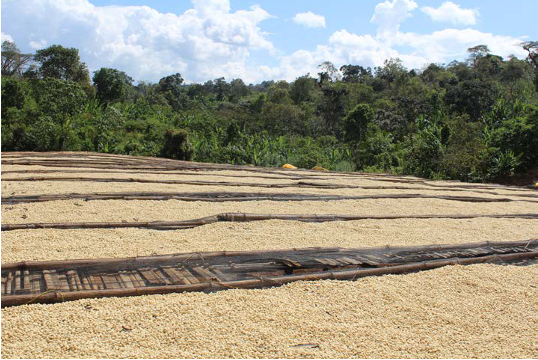
In fact, Yirgacheffe was once part of Sidamo until the 1970s, when the Ethiopian government introduced washed processing methods from Central and South America. This gave the coffees from this area a clearer flavor profile. Washed Yirgacheffe removes pulp and impurities, highlighting the intrinsic aromas of the beans—especially citrus, jasmine, and a tea-like finish—which have become its most notable features. For example, a certain washing station’s Yirgacheffe is favored by many coffee drinkers for its clear citrus notes and soft green tea aftertaste.
In contrast, Huākuí beans are grown at higher altitudes in the Guji zone, adjacent to Yirgacheffe’s Kochere processing area, yet they offer a distinctly different flavor profile. The Guji region features significant day-night temperature variations and a slow growth environment due to high altitude, resulting in Huākuí beans with a fuller fruit body and complex layers. The champion naturally processed lot that debuted in 2017 quickly captured global specialty coffee attention with its rich strawberry and cream aromas, laying the foundation for the reputation of the Huākuí series.
Since the launch of the first-generation Huākuí in 2017, the series has been updated annually, successively releasing Huākuí 2.0, 3.0, 4.0, 5.0, up to Huākuí 6.0 in 2022. However, according to some roasting tests and feedback, the 2022 Huākuí 6.0 green beans included a number of irregular defective beans such as flat beans and shell beans, affecting overall roasting uniformity and extraction performance. Some roasters pre-remove about 20%-30% of defective beans before processing to maintain flavor stability. Cupping results show that Huākuí 6.0 exhibits distinct berry, honey, and passion fruit notes with prominent sweetness, but some batches with higher defect rates have been replaced with quality lots from other washing stations in the same region to ensure flavor consistency.
Currently, the newly released season’s Huākuí beans on the market also come from the Buku washing station in the Guji region. Their flavor profile is characterized by citrus, honey, and grapefruit, accented by a light orange blossom note, with a juicy mouthfeel—suitable for drinkers who enjoy bright acidity and fruity expression. In terms of roast level, to highlight the high acidity and brightness unique to Ethiopian beans, a medium-light roast is recommended to preserve more of the floral, fruity, and sugar compounds.
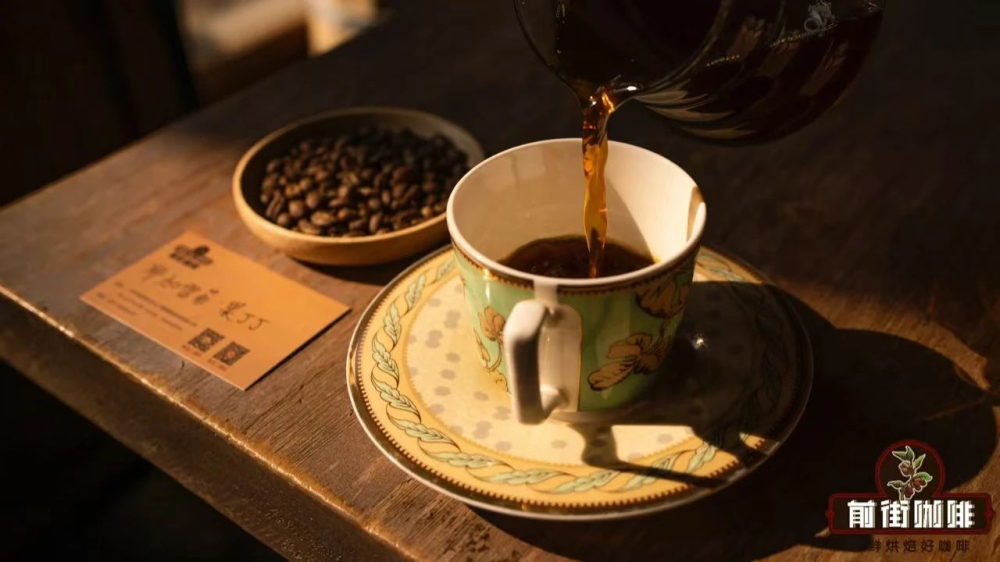
For brewing suggestions, the Hario V60 filter is suitable, with water temperature controlled at around 91°C. The recommended powder-to-water ratio is 1:15, and the grind size should be medium-light, equivalent to 80% passing through a Chinese No. 20 sieve. This parameter helps fully showcase the bean’s delicate flavor layers while avoiding over-extraction. The specific steps are as follows: First, pour 30 grams of hot water for a 30-second bloom to activate the coffee’s aroma release; then, pour water slowly in small circles from the center up to 125 grams using a fine stream. Once the water level drops, continue pouring to a total of 225 grams, with the total extraction time around 2 minutes. Note that before brewing, allow the beans to degas for at least 4–7 days to prevent any unpleasant “grassy” or “harsh” notes during extraction.
In summary, whether it’s the bright, acidic Yirgacheffe or the rich, sweet, and layered Huākuí series, both are excellent entry points for exploring the diverse profiles of Ethiopian coffee. Understanding their regional backgrounds, processing differences, and roasting characteristics—paired with appropriate extraction parameters—will help you more fully appreciate the unique charm of these classic coffee beans.
The above content is compiled by CoffeeHunters, a coffee news website.


