







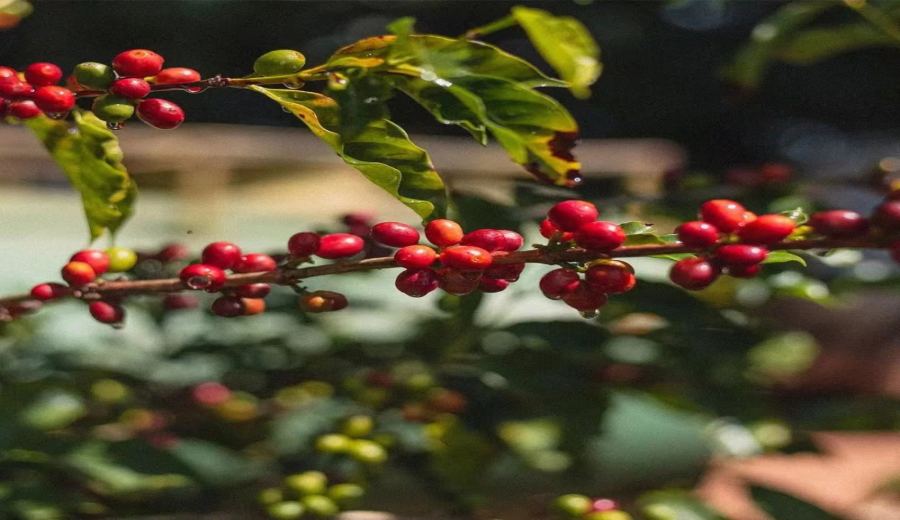
Introduction:The Natural Yellow Bourbon coffee beans from Fazenda Rainha in Brazil have garnered attention in the COE competition for their berry aroma and nutty sweet undertones. This article delves into the origin background of this specialty bean, its unique processing method, and how to bring out its balanced and full-bodied flavor profile through precise pour over parameters—offering you a complete knowledge chain from origin to cup.
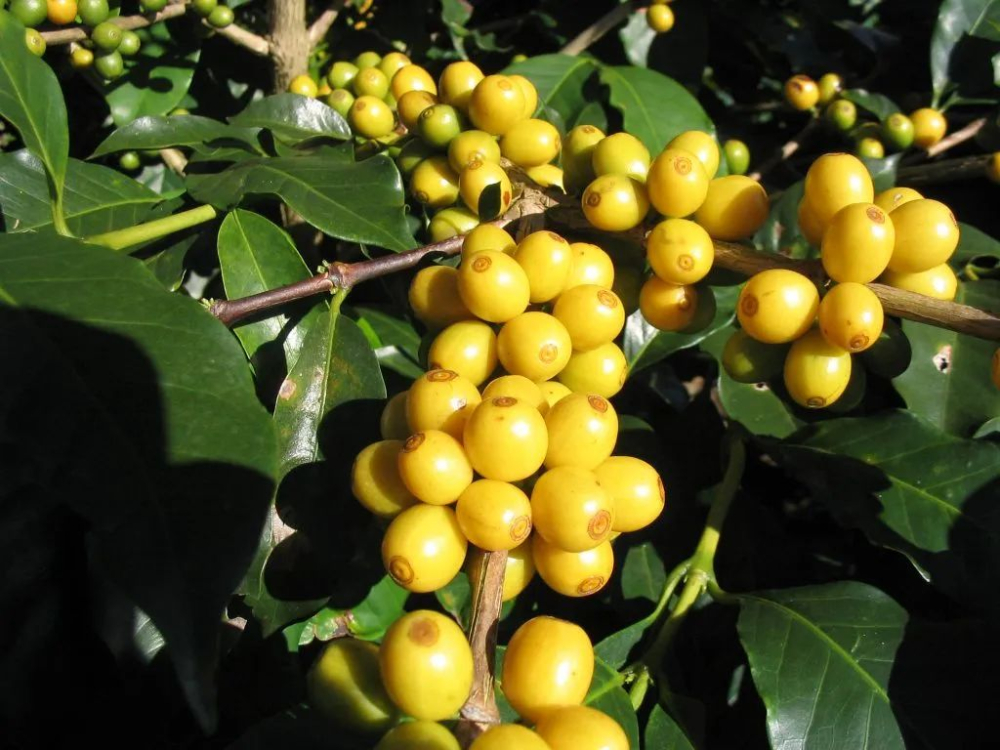
Yellow Bourbon is a key representative variety of specialty coffee in Brazil, not only achieving remarkable results in international competitions but also widely favored for its stable flavor and unique sweetness. A well-known coffee brand’s selection of Natural Yellow Bourbon from Fazenda Rainha comes from the historic Carvalho Dias family estate, which won the Brazilian COE championship in 2011. In its green bean stage, these beans already emit a fresh berry aroma, with soft acidity and bright sweetness, a full and balanced mouthfeel, and a long-lasting nutty sweetness in the aftertaste—making it an excellent choice for exploring the terroir of Brazilian coffee.
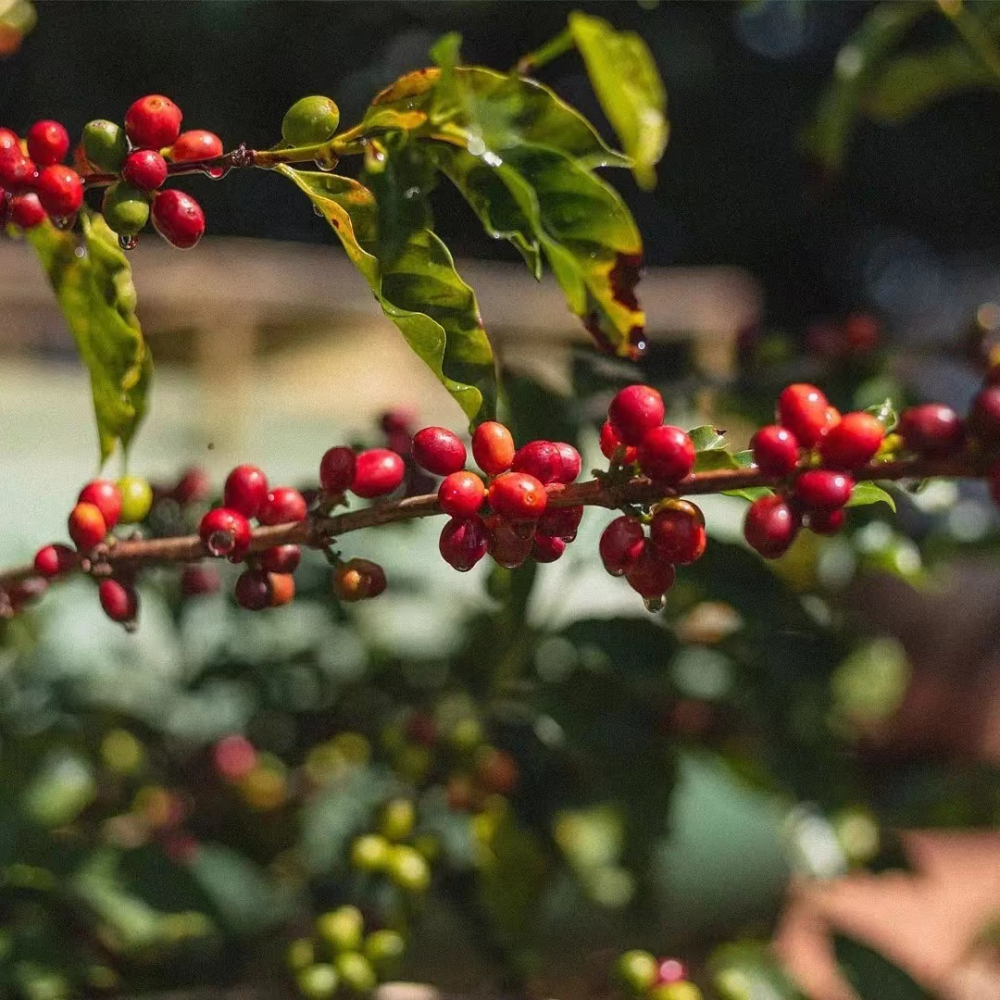
Among the Bourbon family, while Yellow Bourbon may not be as rare as Pink Bourbon, it is a widely planted variety with outstanding performance in competitions. The Natural Yellow Bourbon from Fazenda Rainha captures bright berry-like aromas even at the green bean stage, with understated acidity that highlights its rich sweetness. Upon tasting, multiple flavors harmonize seamlessly, with moderate body and a nutty finish—delivering a delicate and refined overall profile.
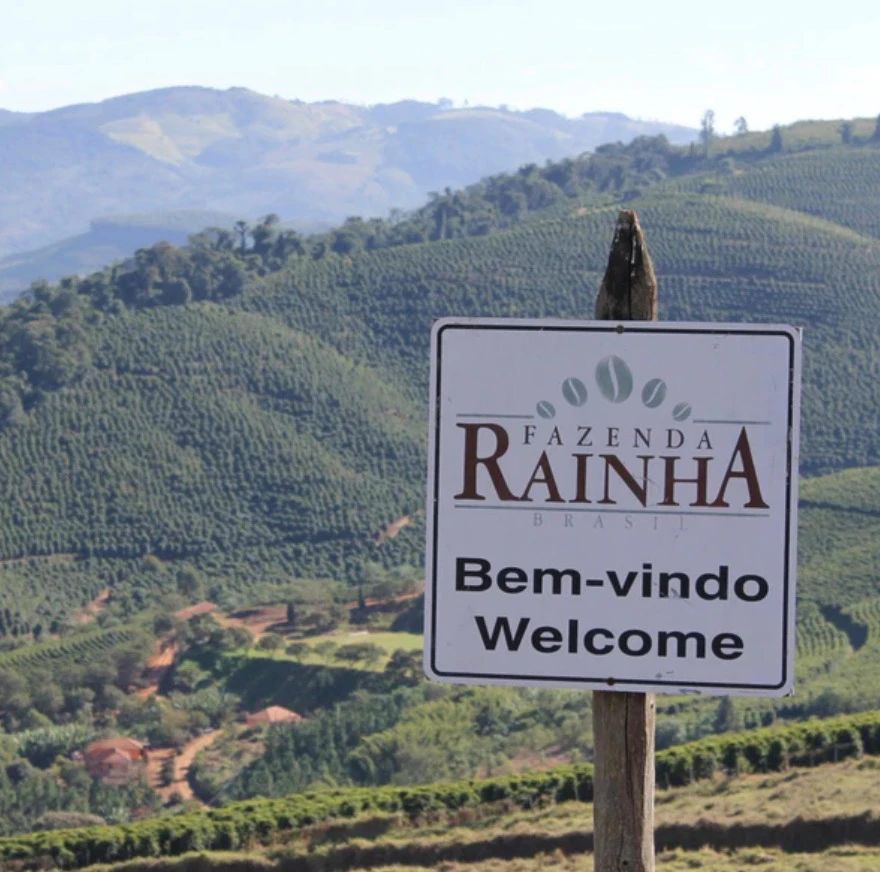
Fazenda Rainha (Rainha Estate) is located in the volcanic valley of Vale da Grama in Brazil, covering an area of 280 acres, and belongs to the renowned Carvalho Dias coffee family. Since the first Brazilian COE competition in 1999, the family has accumulated over 12 awards, including multiple top-three placements in 2004. Fazenda Rainha itself has also achieved remarkable success: second place in 2000, third place in 2001, 29th place in 2005, and has won the championship three times to date.
The family is not only dedicated to quality but also practices sustainable development. They have utilized a natural waterfall to establish a pollution-free hydroelectric power system (with one of their estates named Cachoeira after the waterfall), along with building supporting educational and medical facilities. Due to the steep terrain that prevents mechanical harvesting, all coffee cherries are handpicked, selecting only those at optimal ripeness. The estate cultivates 200 acres of low-yield, high-quality Bourbon varieties, paired with traditional Natural and Pulped Natural processing methods—each coffee bean embodies meticulous craftsmanship.
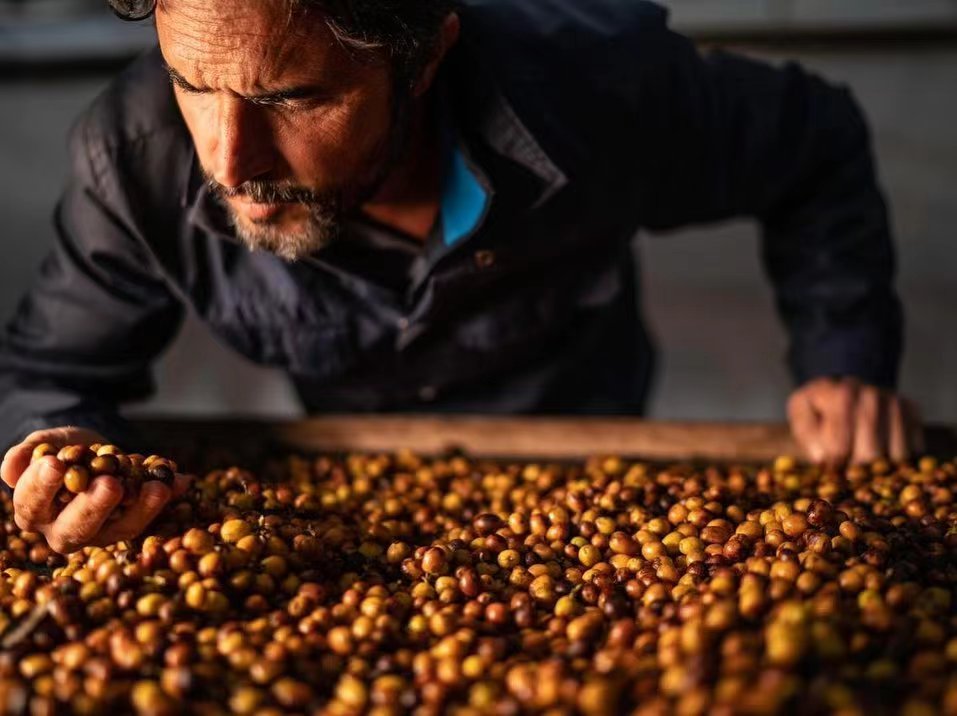
In terms of processing, Fazenda Rainha employs a unique Pulped Natural (semi-washed) method: ripe cherries harvested by hand are placed in cloth bags to avoid contamination, then delivered to the processing facility on the same day for water sorting to remove defective beans. After depulping, the beans are placed on drying racks for several days, with continuous turning to ensure even dehydration, and are finally machine-dried to reach the ideal moisture content. This method combines the cleanliness of washed processing with the sweetness of natural drying, resulting in a well-rounded flavor profile.
The Brazilian coffee grading system is strict, taking into account defect rates, bean size, and cupping performance. For example, in the code “Brasil Santos NY 2 SC17/18 SS FC,” NY2 represents the defect ratio evaluated by New York standards (the lower the number, the better). Beans from Fazenda Rainha are 98% sized 16+ mesh, with nearly half reaching 18 mesh—large in size, high in density, and with properly controlled moisture content, which aids in long-term storage.
A roaster analyzed that these green beans are dense in texture, with citrus peel and spice notes, and a moisture content of 9.9%. Using a high-temperature charge of 200°C, the roast begins with high heat to accelerate dehydration. Once that stage is complete, medium heat and airflow are used to initiate the Maillard reaction, with the roast ending just before the end of first crack. The optimal roast curve suggests dropping the beans 1 minute and 45 seconds to 2 minutes after first crack. The resulting cup features prominent sweetness and a rich flavor profile, with black chocolate notes emerging toward the finish—balancing the classic sturdiness of Brazilian beans with vibrant fruity tones.
Cupping profile: The dry fragrance releases the warmth of roasted hazelnuts and cinnamon, while the wet aroma carries tropical fruit sweetness and sugarcane freshness. On the palate, it starts with a nutty base, followed by creamy peanut and fruity notes, delivering an overall balanced and smooth experience with very low bitterness and a long-lasting sweetness.
Pour over recommendation: Use 15 grams of medium-ground coffee (Hario Kono burr grinder, 4th notch), paired with a Kono filter and 88–89°C water. Step 1: Bloom with 30 grams of water for 27 seconds, then proceed with pulse pouring up to 105 grams and pause. When the bed level drops halfway, continue pouring to a total of 225 grams. Total brew time is about 2 minutes, with a water-to-coffee ratio of 1:15. This parameter highlights sweetness and clarity, with bright yet non-harsh acidity, and an aftertaste that lingers with caramel and nutty aromas—ideal for those who prefer a balanced and full-bodied flavor.
The above content is compiled by CoffeeHunters, a coffee news website.


