








Introduction:The diversity of coffee flavors largely stems from different green bean processing methods. Sun-dried, washed, honey, and semi-washed are the four most mainstream techniques, each with unique processing steps and flavor profiles. Understanding their differences not only helps you choose the right coffee beans but also allows you to anticipate different taste and aroma profiles during brewing. This article will delve into the technical processes and typical flavor characteristics of the four major processing methods, accompanied by illustrations, helping you master the secrets of a great cup of coffee from the source.
The same coffee variety can yield vastly different cup flavors simply based on the processing method used. Sun-dried, washed, semi-washed, and honey processing are the four most commonly used green bean processing techniques in global coffee-growing regions. These methods vary in operational complexity, resource requirements, and flavor performance, which directly impact the final extraction and drinking experience.
Among them,Sun-Dried Methodis the most traditional and straightforward processing method, relying primarily on sunlight to dry the entire coffee fruit. It is suitable for regions with abundant sunlight and limited water resources, such as Ethiopia in Africa and certain parts of South America.Image:
The steps of sun-dried processing are relatively simple. First, the harvested coffee cherries are preliminarily sorted to remove unripe fruits, impurities, and stones. Then, they are spread out on the ground or raised drying beds to evaporate moisture through natural sunlight. Once the moisture content drops to around 11%, mechanical methods are used to remove the outer hard shell and parchment layer, extracting the inner green coffee beans. This method has low technical barriers and can be operated by most smallholder farmers without the need for additional water sources, making it relatively low-cost.
To improve quality, some producers employ floatation techniques to first remove underripe fruits with insufficient density, then place the coffee cherries on raised drying beds to avoid contamination from dust, insects, and mold on the ground. During drying, continuous turning is required, along with the removal of moldy, cracked, or insect-damaged beans to ensure consistency across the batch. Due to the prolonged and close contact between the fruit pulp and the seeds during fermentation, sun-dried coffee often exhibits intense sweetness, tropical fruit aromas, and a rich profile of esters and furan compounds, resulting in a more bold and layered overall flavor profile.
Washed Methodemphasizes cleanliness and consistency, making it the preferred choice for many specialty coffee regions, especially appealing to consumers seeking bright acidity and a clean taste.Image: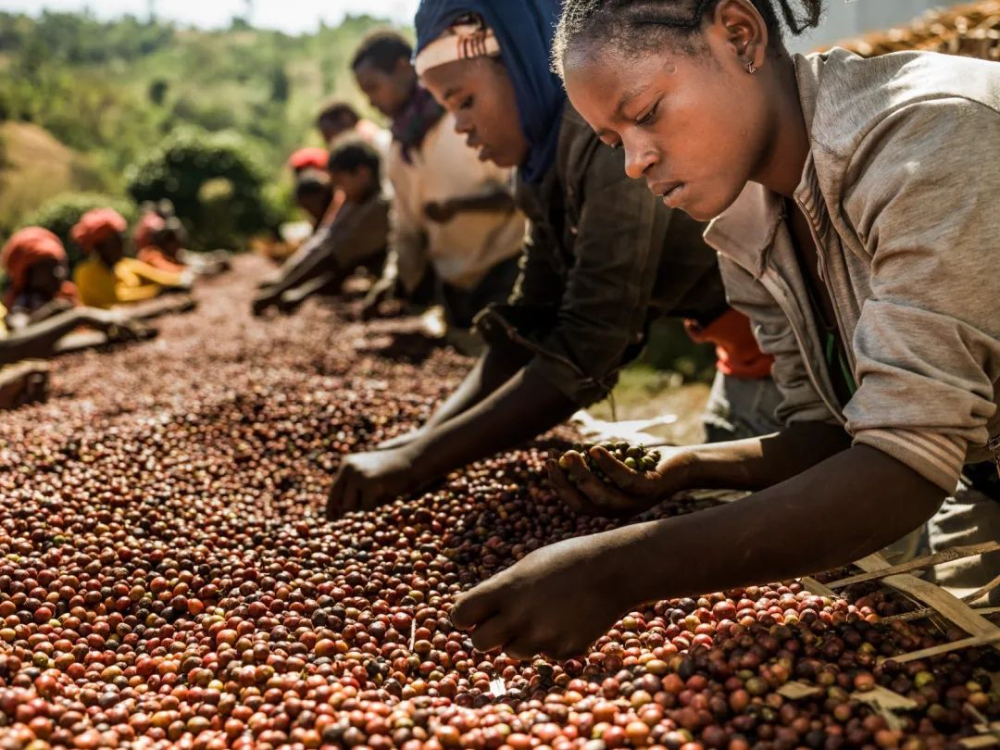
This technique first removes the flesh and outer layers of the harvested coffee cherries using a pulper, leaving the mucilage-covered parchment beans. These are then soaked in fermentation tanks where microbial action breaks down the mucilage layer. Fermentation time varies depending on climate and temperature, typically ranging from 12 to 36 hours. Once the mucilage softens, it is thoroughly rinsed off with clean water multiple times, after which the parchment beans are placed on drying patios or in mechanical drying equipment until the target moisture content is achieved.
The advantage of the washed method lies in its ability to effectively reduce the proportion of defective beans, enhancing the overall quality stability of the batch. However, due to the need for substantial amounts of clean water and fermentation facilities, its setup and maintenance costs are relatively high. Coffees produced with this method usually exhibit pronounced acidity, a clean mouthfeel, and a tea-like aftertaste, making them ideal for coffee enthusiasts who appreciate nuanced flavors. Representative regions include Costa Rica and Guatemala in Central and South America, as well as Kenya in Africa.
Semi-Washed Method, also known as "pulped natural," is a compromise between sun-dried and washed processing. It combines water-saving benefits with efficiency and is widely used in dry regions like Brazil.
In terms of processing flow, underripe fruits are first removed via floatation, followed by the removal of the skin and part of the mucilage. The beans are then briefly rinsed with water for about an hour, leaving some mucilage not fully removed, before proceeding to sun-drying. This method significantly reduces water usage and processing time while lowering the risk of over-fermentation, often drying faster than traditional sun-dried methods. In Brazil, many producers optimize turning and spreading methods to prevent uneven fermentation or ground contamination issues.
Some Brazilian coffee offerings from specific brands, such as Cerrado regular beans, use this process, showcasing good cleanliness and balanced sweetness. If drying is properly controlled, it can also preserve rich caramel and nutty notes while avoiding excessive earthiness or off-flavors. The semi-washed method is also common among medium-sized farms aiming for efficiency and stability, making it suitable for large-scale production.
Honey Processing, also referred to as "semi-washed" or "mucilage drying method," gets its name from the thick, sweet, honey-like mucilage layer retained on the coffee beans. The term comes from the viscous, honey-like, and sweet aroma of the mucilage during the drying process, and it is highly favored in Central and South American producing regions.
The initial steps are similar to the washed method: underripe fruits are first removed via floatation, then machines strip off the skin and part of the flesh, but the mucilage is not immediately washed away. Instead, the beans coated with sticky mucilage are directly exposed to sun drying. Depending on the ratio of mucilage retained and the drying duration, honey processing can be further divided into white honey, yellow honey, red honey, and black honey. Generally, the more mucilage retained and the longer the drying time, the darker the color and the more intense the flavor—often featuring tropical fruits, caramel, and fermented aromas with relatively soft acidity and prominent sweetness.
Additionally, there is a specialRaisin Honey Processing Method, characterized by first placing whole coffee cherries on raised drying beds to air-dry for about three days until the flesh naturally dehydrates to a raisin-like state. Only then is the skin removed and the subsequent mucilage drying steps carried out. This technique not only uses zero water but also results in a more concentrated flavor due to the high-temperature fermentation of the flesh in the early stage, offering a balanced sweet-and-sour profile with clarity. Some Costa Rican beans, such as the Mozart coffee beans, are processed using this method, showcasing exceptionally layered aromatic profiles.Image: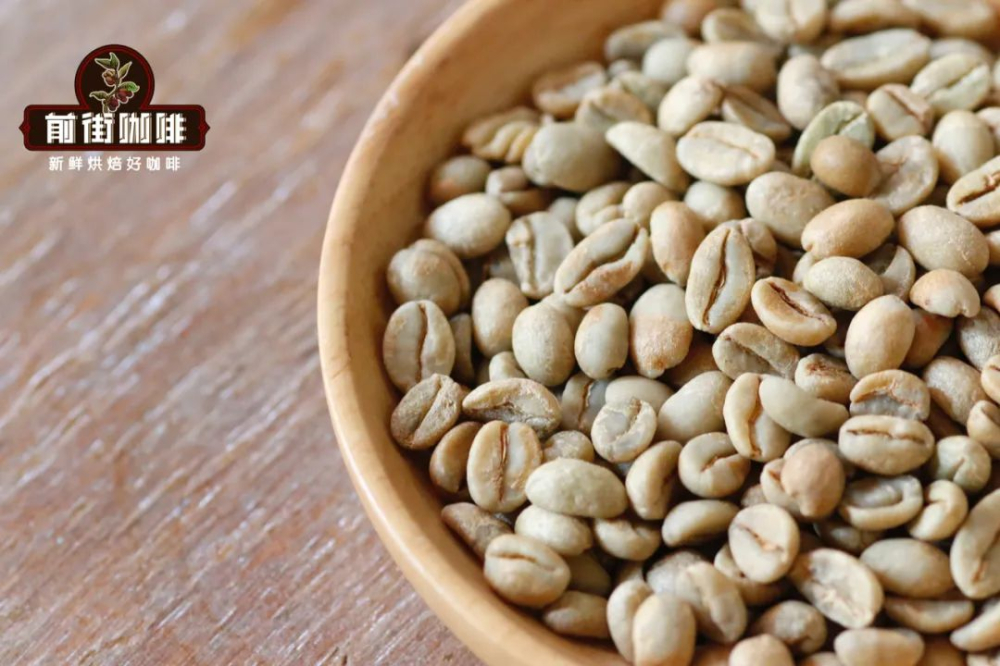
The above content is compiled by CoffeeHunters, a coffee news website.


