







Introduction:The Geisha coffee from Panama’s Hacienda Esmeralda is renowned for its unique floral and fruity aromas and delicate flavor profile, with its Red Label and Green Label series being especially prized by coffee enthusiasts. This article delves into the origins of Geisha, the characteristics of its various grades, regional differences, and offers practical V60 pour over parameters and segmented brewing techniques to help you easily master the essentials of brewing and fully experience the citrus, peach, and oolong tea aftertaste of this top-tier coffee.
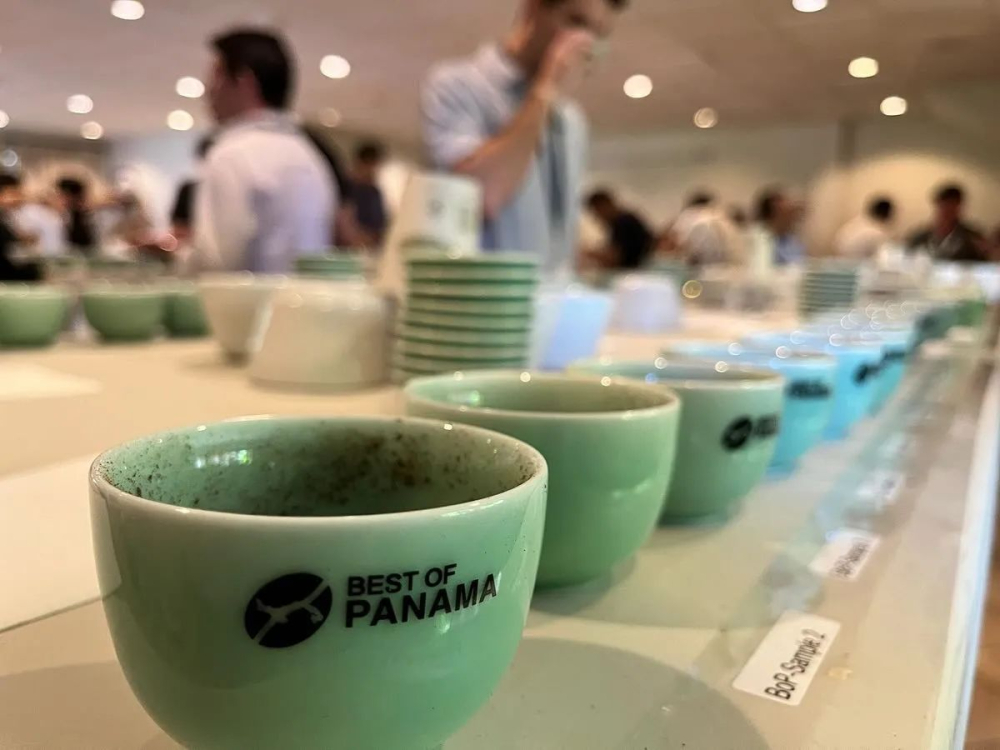
Geisha’s rise to becoming a star variety in the global specialty coffee scene is inseparable from the moment Hacienda Esmeralda won first place at the Best of Panama (BOP) competition in 2004. That year, this coffee from Hacienda Esmeralda stood out with its stunning floral aroma and distinctive flavor, making the name “Geisha” resonate throughout the coffee world ever since. To experience the true charm of Geisha, you can start with the Red Label, Green Label, and the entry-level Boquete washed Geisha offered by Hacienda Esmeralda.
What makes Geisha coffee so captivating is its layered and finely detailed flavor expression. Upon tasting, it often presents pronounced floral notes and citrus acidity, accompanied by the sweet fruitiness of peaches, with a silky-smooth mouthfeel and a long, oolong tea-like sweetness in the aftertaste. Such a flavor profile makes many feel as though they’re not drinking coffee, but rather savoring a premium fruit tea. If you want to delve deeper into the essence of Geisha, consider starting with the three main products from Hacienda Esmeralda.
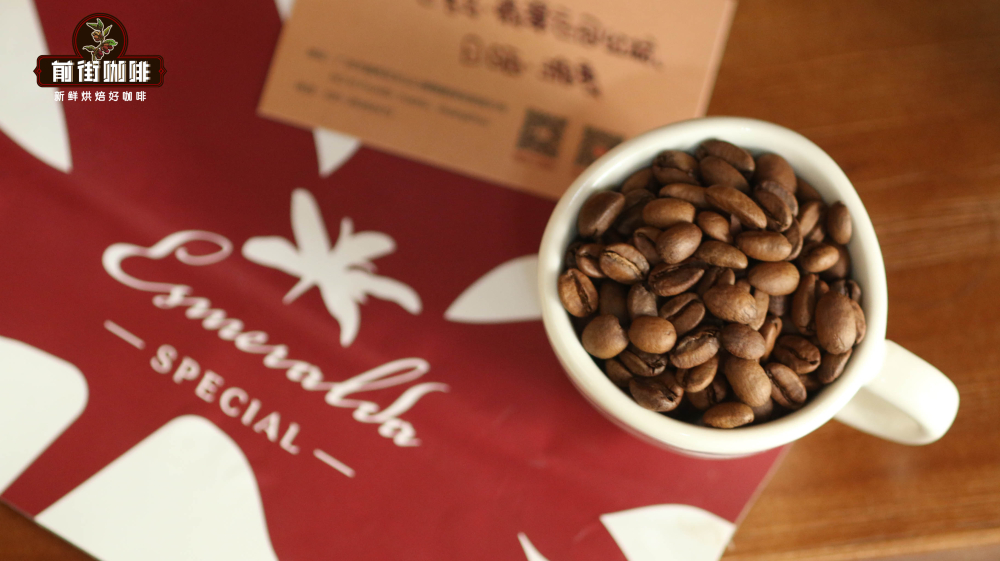
The Hacienda Esmeralda Special Selection (also known as the Red Label series) is the flagship offering of the estate, selecting only Geisha grown in specific small micro-regions at altitudes between 1600 and 1800 meters, with each batch required to score over 90 points in cupping. These coffee beans come from clearly defined tiny micro-lots, such as the Mario plot, and each batch has an independent number for easy tracking and selection. The famous Jaramillo and Canas Verdes sub-farms of Hacienda Esmeralda are the main sources of the Red Label, while the El Velo farm also produces Red Label, though it mainly features commercial variety blends and focuses less on single varietal Geisha.
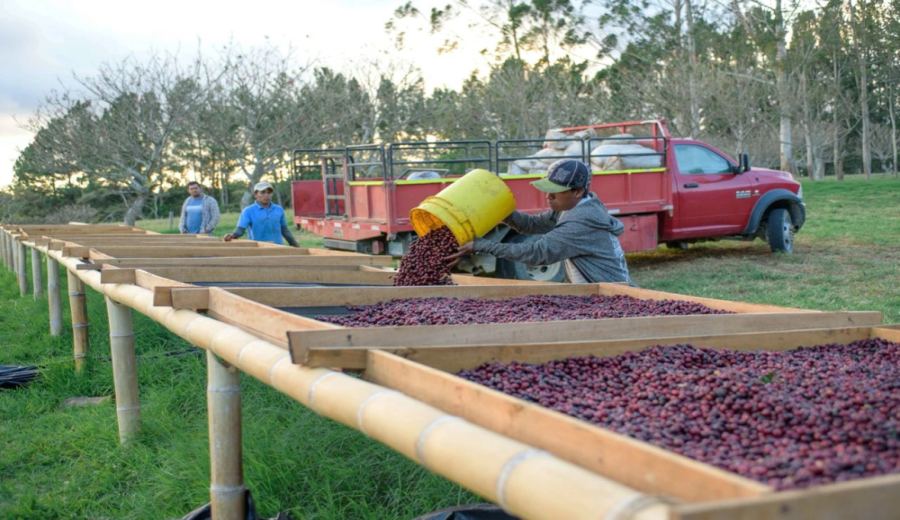
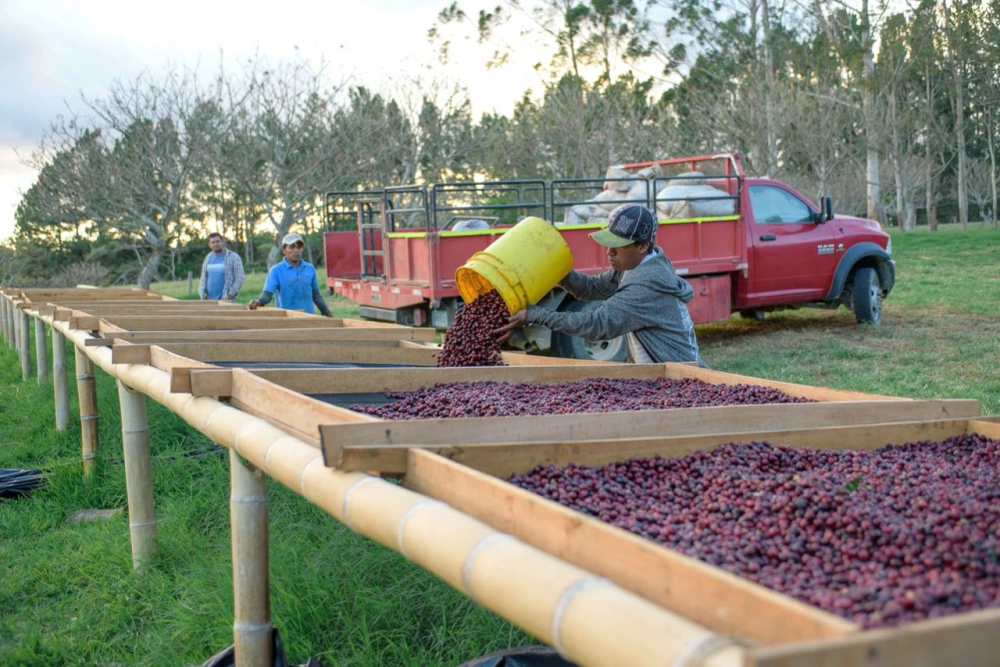
If you're seeking the classic Geisha flavor, the Panamanian Hacienda Esmeralda Red Label Geisha sold by a certain well-known coffee brand is the top choice. Grown in Panama’s Boquete region at an altitude of about 1700 meters and processed using the natural (sun-dried) method, the variety is purebred Geisha (Geisha). Notably, each batch of Red Label has an independent number, indicating that the beans come from the same small plot of land, which also gives the flavor more distinctiveness and regional character—perfect for coffee lovers eager to explore the nuances of different micro-regions.
As for the Panamanian Hacienda Esmeralda Green Label Geisha sold by a certain well-known coffee brand, its official name is “Private Collection,” which should not be taken literally as a limited or exclusive product. Green Label is a blend of high-altitude Geisha batches. Though it doesn’t emphasize single plots like the Red Label, it also comes from high-quality growing areas within Hacienda Esmeralda at elevations of 1600 to 1800 meters, and is presented with a clean and bright profile through washed processing. Green Label perfectly showcases the signature citrus, floral, and fruity notes of Geisha, making it an excellent choice for experiencing the classic style of Geisha and can be considered a plot-independent version of the Red Label.
For newcomers just getting into Geisha, the Panamanian Boquete washed Geisha sold by a certain well-known coffee brand is an excellent entry-level option. This coffee, also from the Boquete region, is washed-processed and medium-light roasted, showcasing refreshing white floral notes, honeydew, green tea, and grapefruit, with an overall bright and clean mouthfeel, gentle acidity, and clear layering—making it a great bridge for first-time Geisha tasters looking to explore something new.
In terms of brewing, it’s recommended to use a V60 filter cone with the following parameters to fully bring out the delicate flavors of Geisha: water temperature controlled at 90-93°C, a coffee-to-water ratio of 1:16, and a grind size suggested to be medium-fine, roughly 80% passing through a Chinese standard No. 20 sieve. Note that for optimal flavor, it’s best to use freshly roasted coffee beans within 5 days post-roast, and allow them to rest for 4-7 days after arrival to fully develop their flavors before brewing.
During actual pour over, it’s recommended to use a segmented extraction method: start with 30 grams of water for a 30-second bloom, then pour in a slow circular motion until reaching 150 grams for the first segment. When the water level gradually drops and is about to expose the coffee bed, continue pouring until reaching 240 grams, then stop. Finally, wait until the water level drops again to near exposing the coffee bed before removing the filter cone. The total extraction time is about 2 minutes. This brewing method balances acidity and sweetness, highlights fruity notes, and extends an elegant aftertaste.
The above content is compiled by CoffeeHunters, a coffee news website.


