







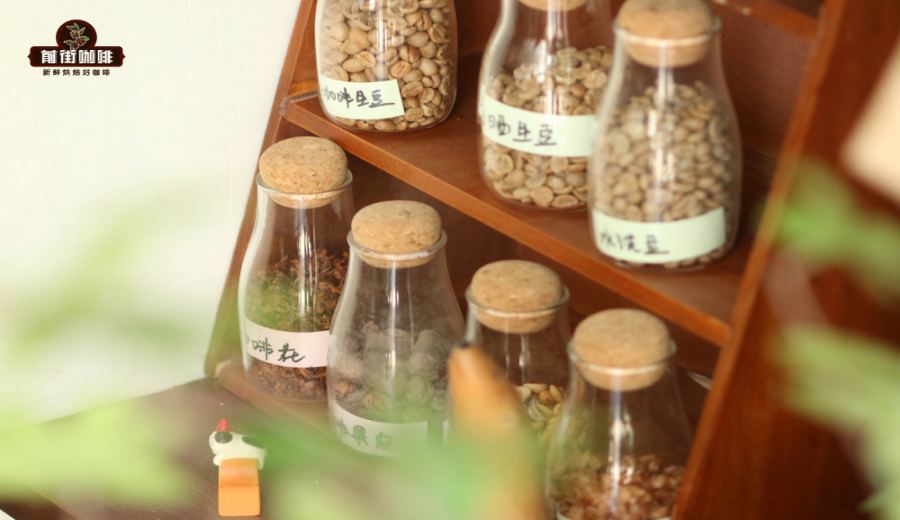
Introduction:As a flagship Ethiopian specialty coffee, the Huakui (Houcaí) stands out with its unique natural (sun-dried) processing method and vibrant fruity-floral profile, making it a favorite among pour over enthusiasts. This article delves into the flavor characteristics, regional background, and yearly evolution of the Huakui coffee, focusing specifically on its medium-light roast profile by providing expert pour over parameters — including ideal water temperature range, brew ratio, grind size settings, and the full brewing procedure. It also includes practical cupping comparisons to illustrate how defect bean screening impacts flavor, helping you master the extraction secrets of this star coffee.
Since making its debut at the TOH competition in 2017, Huakui coffee has quickly become a benchmark among Ethiopian specialty beans, thanks to its rich berry-cream flavors. For pour over enthusiasts, grasping90~93℃the optimal water temperature range is key to unlocking its layered floral notes and juicy mouthfeel — this temperature window effectively balances the brightness of acidity and the sweetness sustainability typical of medium-light roasted beans.
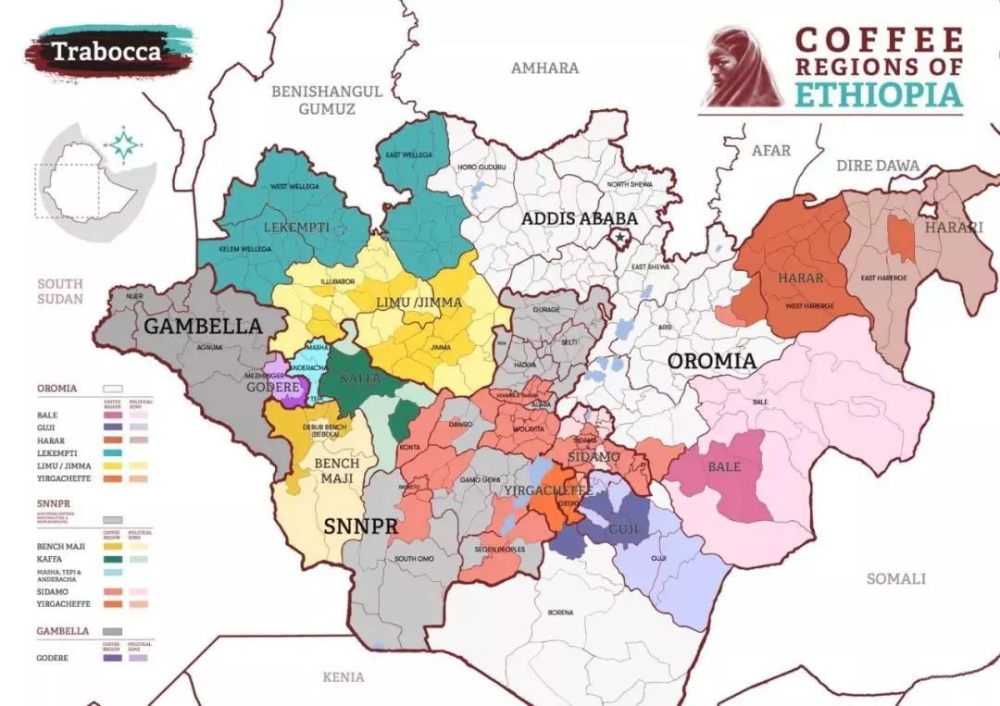
Ethiopia, known as a genetic treasure trove of coffee, has its southern regions cultivating numerous distinctive coffee varieties amid complex microclimates. Though Sidamo and Yirgacheffe are often mentioned together, the former distinguishes itself with a fuller body and diverse processing options, earning accolades in international competitions. Notably, the Hambela sub-region under Sidamo has, in recent years, produced several standout beans thanks to its unique terroir, where altitudes of2250–2350 metersprovide ideal growing conditions for Huakui.
The original winning batch from 2017 came from the Buku Abel washing station, processed using the natural method, and was introduced to the Chinese market by a Beijing importer under the name “Huakui” (meaning “Flower Queen”). The name not only alludes to the expectation of being the “king of flowers” but also accurately reflects its rich bouquet of floral and tropical fruit notes. Subsequent yearly iterations, such as the X.0 versions (e.g., the sixth generation in 2022), have continued this naming convention, becoming a classic case study for global coffee enthusiasts tracking flavor evolution.
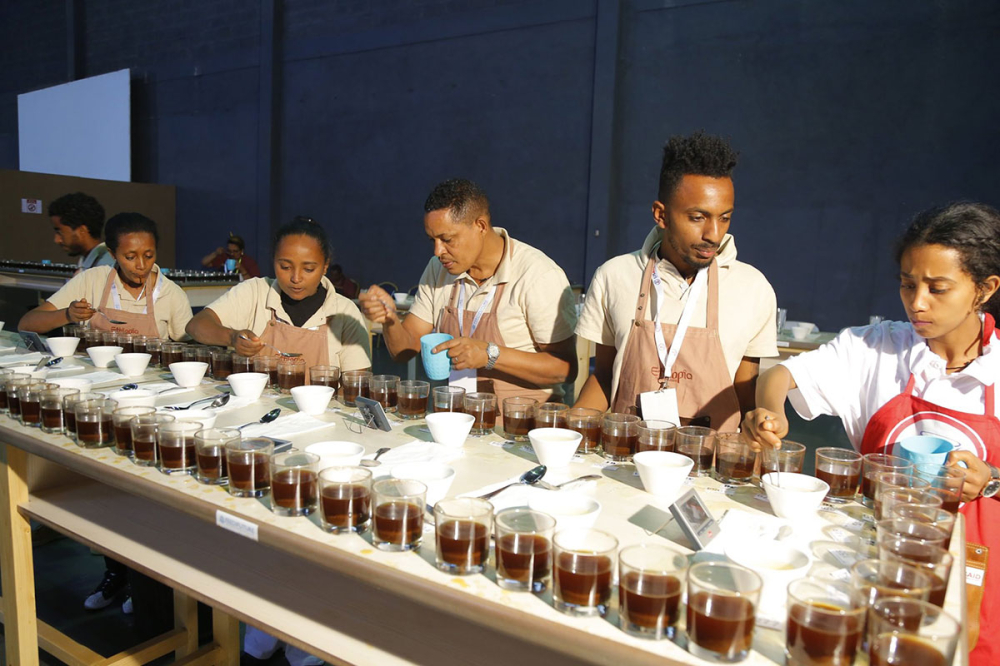
For the currently available natural Huakui, professional roasters typically applya medium-light roast levelto preserve the vibrant acidity inherent to the native variety. However, it’s important to note that annual climate variations can lead to changes in bean characteristics — for example, some 2022 batches had a higher proportion of flat or broken beans, which, after screening, still exhibited a sweet profile combining berries, honey, and passion fruit. Alternative batches processed similarly presented a cleaner citrus acidity and honey sweetness, demonstrating the flavor plasticity achievable even within the same region and processing method across different lots.
In terms of practical pour over brewing,the V60 dripperpaired witha 1:15 brew ratiois the most common choice. It is recommended to use a medium-fine grind (similar in texture to superfine sugar), passing at 80% through a Chinese standard No. 20 sieve. Start with 15 grams of coffee and performa 30-second bloomto release CO₂. When pouring, follow the principle of “center pour → slow circular pour”: begin with a 30-gram bloom pour, then continue pouring to reach a first pour of 125 grams once the coffee has degassed and expanded. In the final stage, pour in a circular motion to reach a total of 225 grams, completing the extraction in abouttwo minutes.
Water temperature should be carefully matched to the roast level — for this medium-light roast coffee,90~93℃a slightly higher temperature effectively promotes the extraction of aromatic compounds while avoiding over-extraction that could lead to astringency. Compared to the 87–88°C recommended for dark roasts, this elevated temperature helps accentuate Huakui’s signature tropical fruit notes and honey-like sweetness. If using other drippers (such as the Kalita Wave), adjust the pouring rhythm accordingly to maintain the total brew time.
From a flavor development perspective, freshly roasted Huakui reaches its optimal drinking window4 to 7 daysafter roasting. During this period, the balance between fruity-floral aromas and caramel-like aftertaste is at its peak, making it particularly appealing to pour over lovers seeking bright acidity and complex texture layers. It’s worth noting that bean characteristics and defect rates may vary slightly between harvest years, and professional roasters will conduct differentiated screening based on cupping results — a crucial factor influencing the final flavor expression.
The above content is compiled by CoffeeHunters, a coffee news website.


