







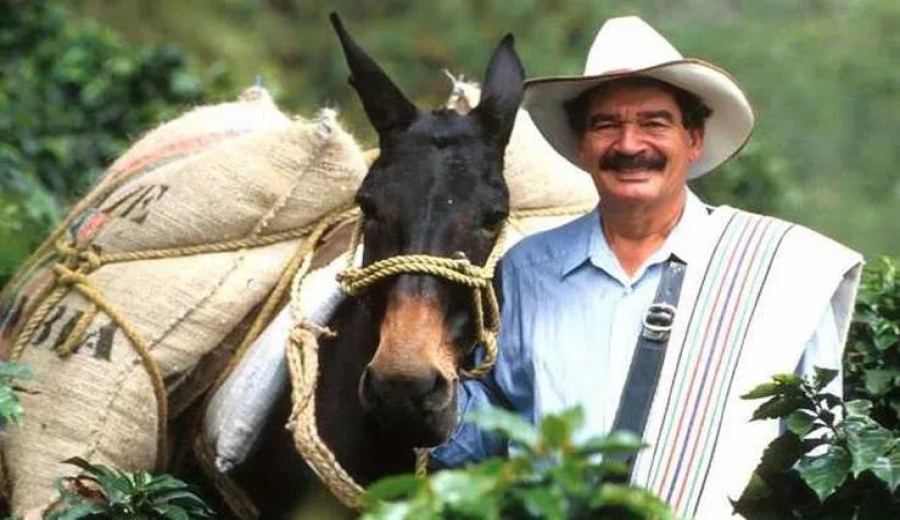
Introduction:Colombian coffee is globally renowned for its stable flavor profiles and diverse growing regions. From the iconic image of the "Juan Valdez" character to actual specialty regions such as Huila, each batch of coffee carries a unique geographical and processing story. This article takes you deep into the main coffee-growing regions of Colombia, the influence of climate on flavor, the patterns of harvest seasons, as well as internationally recognized green bean grading levels such as Supremo, EP, and UGQ and their screen size standards. It also analyzes the characteristics of the washed processing method in Huila and shares brewing recommendations for both moka pot and pour over through practical examples. Whether you're a beginner or an advanced enthusiast, you'll find practical guidance here.
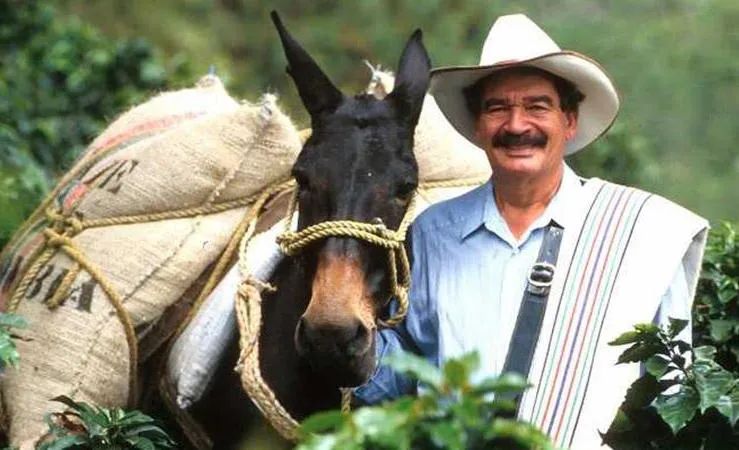
When it comes to Colombian coffee, many people immediately think of the affable coffee farmer—"Juan Valdez"—with his white straw hat, traditional wool poncho, canvas shoes, and a mule by his side. This deeply ingrained brand image has, for decades, conveyed the approachable and high-quality image of Colombian coffee through advertising and media, making the country one of the most familiar Arabica coffee origins for global consumers.
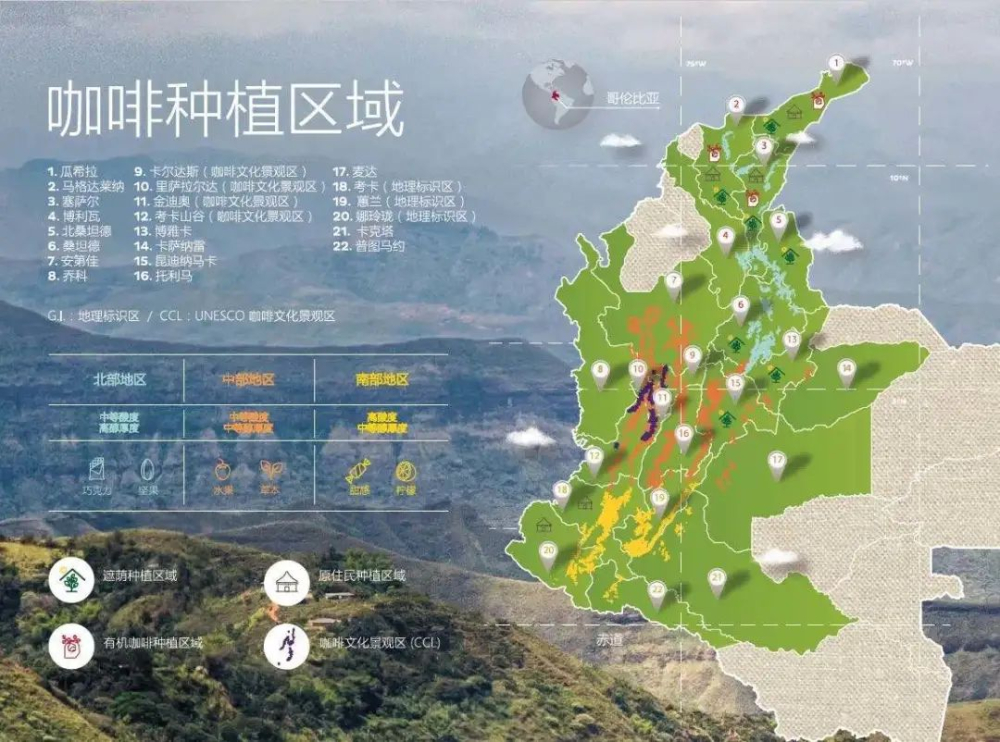
Coffee cultivation in Colombia is mainly concentrated in the valleys and plateaus of the Andes Mountains, where the complex and varied terrain creates a diversity of microclimates. The entire country can be divided into three major coffee-growing regions from south to north: northern, central, and southern. Due to differences in altitude, rainfall, and soil, each area produces coffee beans with distinct flavor profiles. For example, the central region typically has two main harvest periods each year: the main season runs from October to January of the following year, and the secondary season falls between April and July. This clear seasonal structure ensures that Colombia has fresh coffee available all year round.
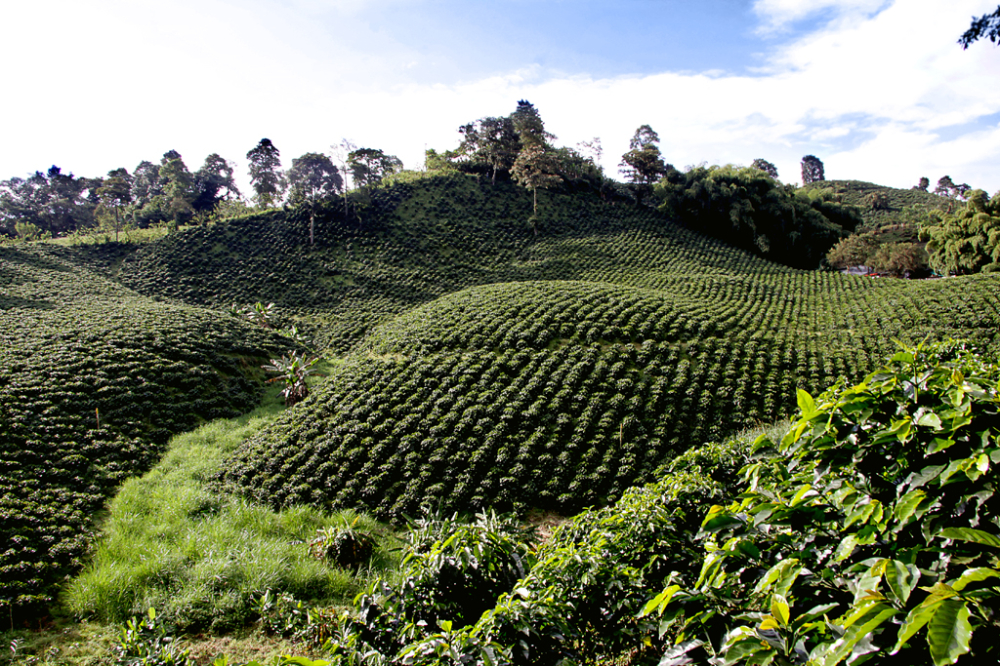
In recent years, southern Colombia has emerged as a rising star in the specialty coffee scene, with Huila Province standing out the most. Located in the southern section of Colombia’s central mountain range, Huila features rolling hills and plantations generally situated at altitudes exceeding 1,500 meters. Coupled with a dense river network providing ample moisture and irrigation resources, as well as significant day-night temperature variations caused by mountain mists and sloped terrain, the Arabica coffee from this area often exhibits bright acidity, delicate floral notes, and elegant sweetness. Moreover, farmers in the region commonly use the washed processing method, which further highlights the pure flavor characteristics of the coffee itself—making it highly favored by both domestic and international specialty coffee buyers.
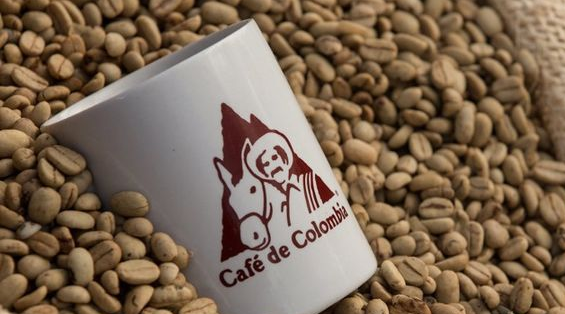
Traditionally, the most well-known combination of Colombian coffee regions is referred to as "MAM," representing beans from Medellín, Armenia, and Manizales. However, with the rise of the specialty coffee trend, more and more consumers are turning toward southern regions with distinctive terroir-driven flavors, such as San Augustin in Huila, Popayán in Cauca, Nariño, and Tolima. After repeated cuppings and comparisons, one brand ultimately selected Huila washed beans as its flagship representation of Colombian coffee, launching them in small packaging to allow consumers to easily experience the country’s classic and layered coffee flavors.
In terms of processing methods, most regions in Colombia rely on abundant rainfall and mountain spring water resources, making washed processing the mainstream approach. Typically, small family farms use coffee-specific equipment such as Ecomill or Eco-Pulper to first remove the skin and pulp, then use a small amount of clean water to eliminate most of the mucilage. Next, the parchment coffee with some residual mucilage is placed in tile tanks or plastic buckets to ferment for about 24 hours, allowing the mucilage to loosen further. It is then thoroughly rinsed with clean water and finally spread out on raised drying beds to dry evenly in the sun until the target moisture content—usually 11% to 12%—is reached. This method ensures clean and clear coffee flavors while reducing the risk of defects, and is one of the keys to maintaining high quality standards in specialty regions like Huila.
The export grading of Colombian green beans is primarily based on bean size, with common screen sizes denoted in "mesh" numbers. The higher the number, the smaller the mesh aperture, meaning only smaller beans can pass through—thus, beans remaining on the screen are generally larger. Common export grades include:
- UGQ (Usual Good Quality, 通常高品質): Beans must be 14 mesh or larger, with at least 50% larger than 15 mesh, and up to 1.5% of beans allowed between 12–14 mesh.
- EP (European Preparation, 歐洲定製): Requires all beans to be 15 mesh or larger, with only 10% allowed to be smaller than 15 mesh—but they must still be 14 mesh or above.
- Supremo: Beans must be 17 mesh or larger, allowing up to 5% smaller than 17 mesh, also requiring them to be 14 mesh or above.
It’s important to note that all export-grade Colombian green beans are ultimately classified under the Excelso grade, which is a standard established and widely used by FNC (Colombian Coffee Growers Federation) and is the most commonly seen Colombian coffee grade designation in the international market. Additionally, there are a few higher-specification grades such as Premium (18 mesh and above) or Minama (with extremely uniform particle size), but these have relatively limited circulation. Beans that do not meet the Excelso standard are mostly used for commercial instant coffee, usually labeled as "Product of Colombia."
Each batch of exported Colombian green beans must be meticulously recorded with details such as growing region, processing facility, altitude, processing method, and green bean code for traceability. Export names generally follow the format of "Country + Region + Grade + Other," for example, a brand’s entry-level Huila beans are labeled as "Colombia Huila Supremo SC17/18 FNC," where SC stands for Screen Size (篩網尺寸), and 17/18 indicates the primary particle size range.
In terms of brewing applications, Colombian coffee is generally suitable for a variety of brewing methods. Among them, Huila washed beans, after medium-dark roasting, often exhibit rich flavors of caramel, dark chocolate, and creaminess, making them well-suited for common extraction methods such as pour over, French press, or moka pot. If using a moka pot, it is recommended to use a medium-fine grind (e.g., EK-43s #3-3.5), fill the lower chamber with water no higher than the safety valve—about 130 ml—and fill the coffee chamber to about nine-tenths full, leveling it gently. When you hear a low hissing sound, reduce the heat, and turn it off once about half of the coffee has flowed into the upper chamber. Use the remaining heat to complete the extraction. The resulting coffee is rich in flavor and layered, and you can adjust the ratio or add milk according to personal taste.
The above content is compiled by CoffeeHunters, a coffee news website.


