







Introduction:Delve into the unique charm of Sumatra Mandheling, from the classic Golden Mandheling to innovative natural sun-dried processing. This article details the origin background, processing methods, and flavor profiles of five representative coffee beans, along with tested pour over parameters to help you master the brewing essentials of this bold, low-acid coffee.
Sumatra Mandheling is long favored by specialty coffee enthusiasts for its full-bodied texture and distinctive herbal notes. This article explores five classic Mandheling bean varieties from Indonesia’s Sumatra region—including PWN Golden Mandheling, Lintong Mandheling, Tiger Mandheling, Aged Mandheling, and Wahana Estate Natural Mandheling—comprehensively analyzing their regional characteristics, the evolution of the wet-hulled process, and the secrets of aged processing.
Many coffee newcomers are initially struck by the bold body and deep herbal aroma of Sumatra-origin beans. This Arabica variety from high-altitude mountain regions, processed through the unique wet-hulling method, results in low acidity, high body, and captivating spicy undertones. The five selected Sumatra Mandheling coffees are the finest representatives of the coffee potential nurtured by this volcanic soil.
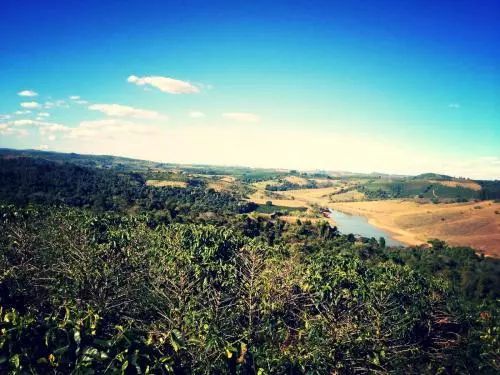
The equatorial climate and fertile volcanic soil unique to Sumatra impart a pronounced woody character and rich chocolate base to Mandheling coffee, accompanied by multi-layered flavors of cedar, herbs, and fermented fruit. Though Arabica varieties here account for only 25% of Indonesia’s total production, the Mandheling cultivar has established an international reputation. Grown at elevations of 1100–1600 meters, it features noticeable yet smooth acidity paired with a full body, creating a unique flavor balance.
Speaking of Mandheling, one must address the misunderstanding behind its name—though it evokes romantic associations, the actual cup profile reveals low acidity and high body, a distinctly “non-acidic” quality. Classic Mandheling glides smoothly across the palate like silk, intertwining herbal aromas with cocoa sweetness, and finishes with lingering spicy notes. While many single-origin enthusiasts prefer to enjoy it straight, it also serves as a foundational bean in espresso blends, providing an indispensable bold base.
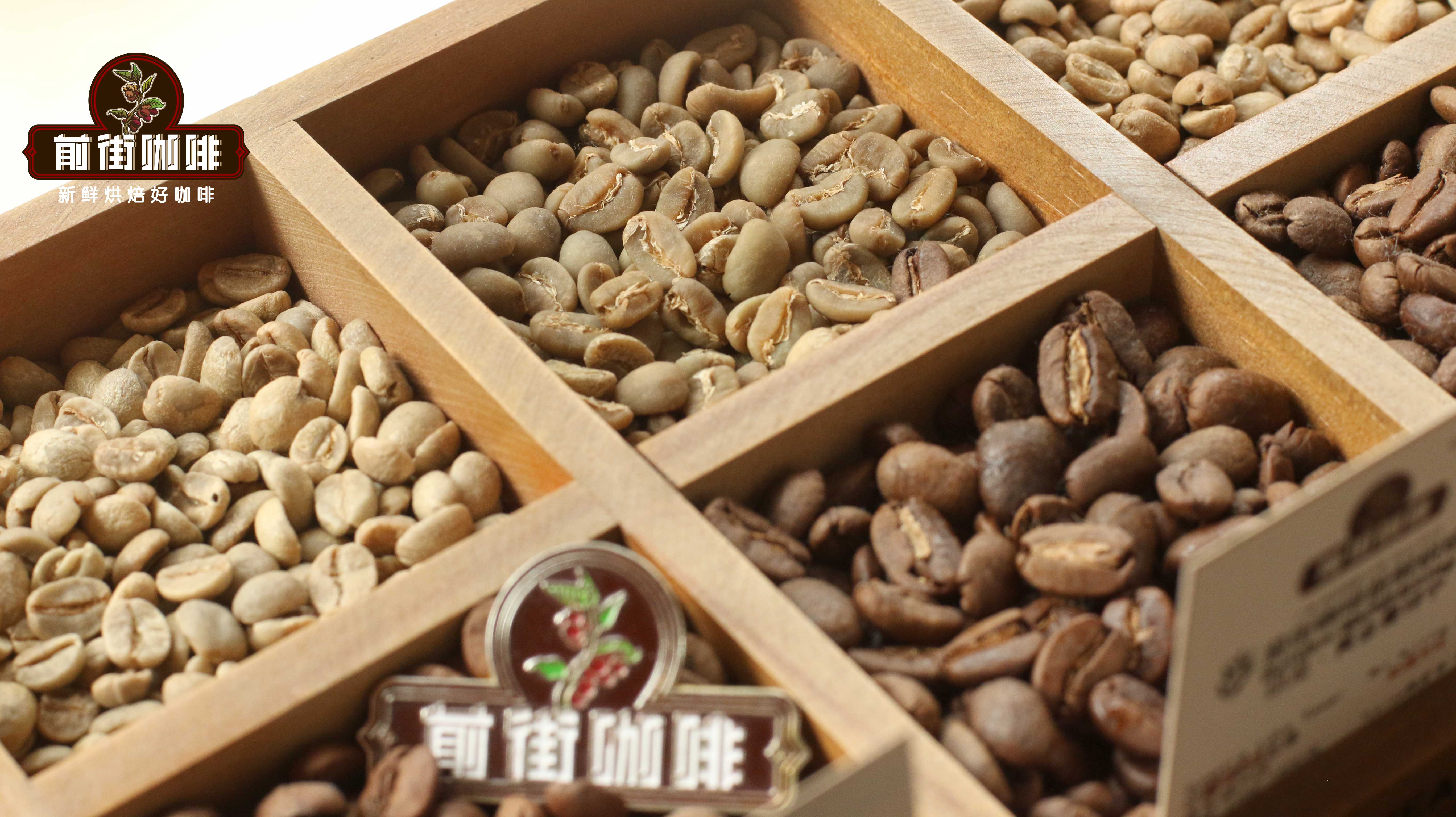
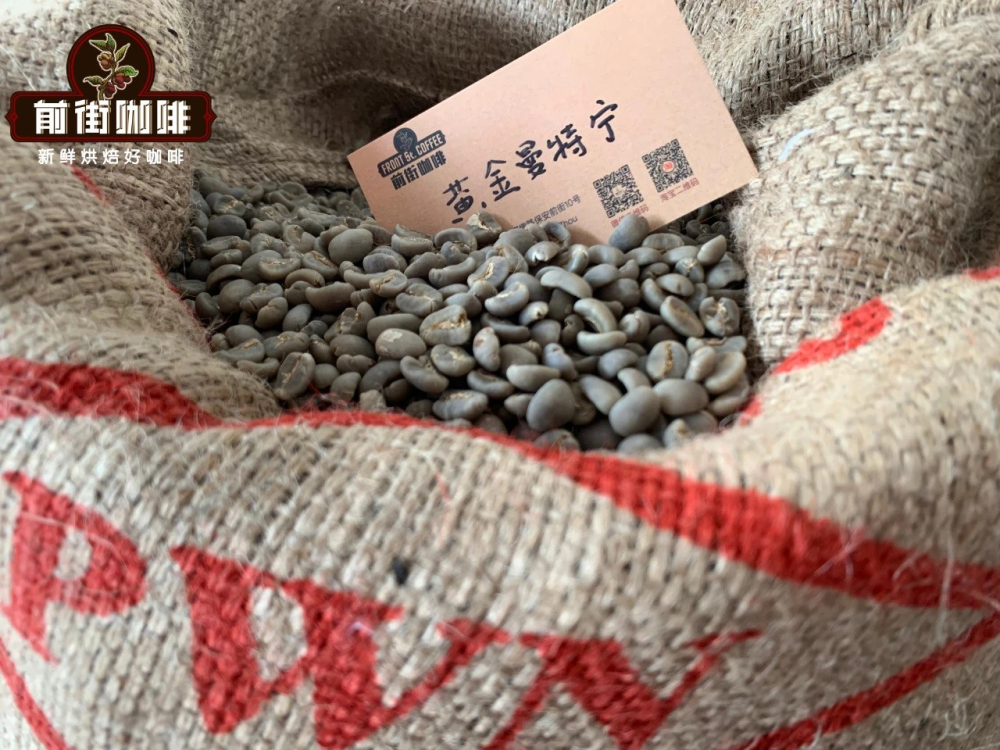
As a key player in Indonesia’s specialty coffee supply chain, PWN’s Golden Mandheling stands as a benchmark for Mandheling quality. Through three rounds of manual sorting, only defect-free beans larger than 19 mesh are retained, ensuring each green bean meets G1 grade standards. Grown at 1100–1600 meters on Gayo Mountain in Aceh, Sumatra, and processed using the traditional wet-hulled method, this coffee exhibits a rich nutty profile with a clear caramel finish.After roasting, the beans display a deep green hue and a compact, uniform shape..
Lintong Mandheling showcases the classic face of Sumatra Mandheling, hailing from the Lintong mountainous region near Lake Toba. The same elevation and wet-hulled process preserve its low-acid traits, but it prominently features the “goat hoof” appearance formed during processing—these semi-hard beans develop unique markings during husking, which have become a visual hallmark of Mandheling. Its flavor profile centers on an herbal base paired with dark chocolate and caramel sweetness, making it an approachable choice for those new to Sumatra flavors.
The boldly named Tiger Mandheling conceals meticulous selection craftsmanship. Triple-screened through a 19-mesh sieve for AA-grade beans ensures uniform diameter, and this high-spec sorting results in a tightly structured bean with abundant fruity notes. Cupping reveals notable viscosity and a long-lasting aftertaste, with pine and spice aromas running through the entire flavor curve—an ideal pick for connoisseurs seeking intense mouthfeel.
Aged Mandheling demonstrates the historical wisdom of Indonesian coffee processing, originating from storage techniques developed during the colonial era to ensure stable transportation. Modern versions undergo strictly controlled warehousing conditions—cool, ventilated, and regularly rotated—and after 2–3 years of maturation, the beans’ sharp acidity gradually transforms into rich sweetness, the color deepens to brown, and a pu-erh tea-like aged aroma develops. This variant also uses the wet-hulled method, but the aging process imparts softer malt and caramel notes.
For drinkers who prefer brighter acidity, Wahana Estate Natural Mandheling offers a distinctly different Sumatra experience. Grown in the Sidikalang highlands, this bean benefits from a diurnal temperature variation exceeding 10°C and ample rainfall, coupled with naturally high sugar content in red cherries, developing pronounced tropical fruit notes and moderate fermentation aromas during sun-drying.Grown at elevations of 1000–1700 meters, it achieves a relatively balanced acidity-sweetness profile, suiting coffee explorers seeking diverse flavors.
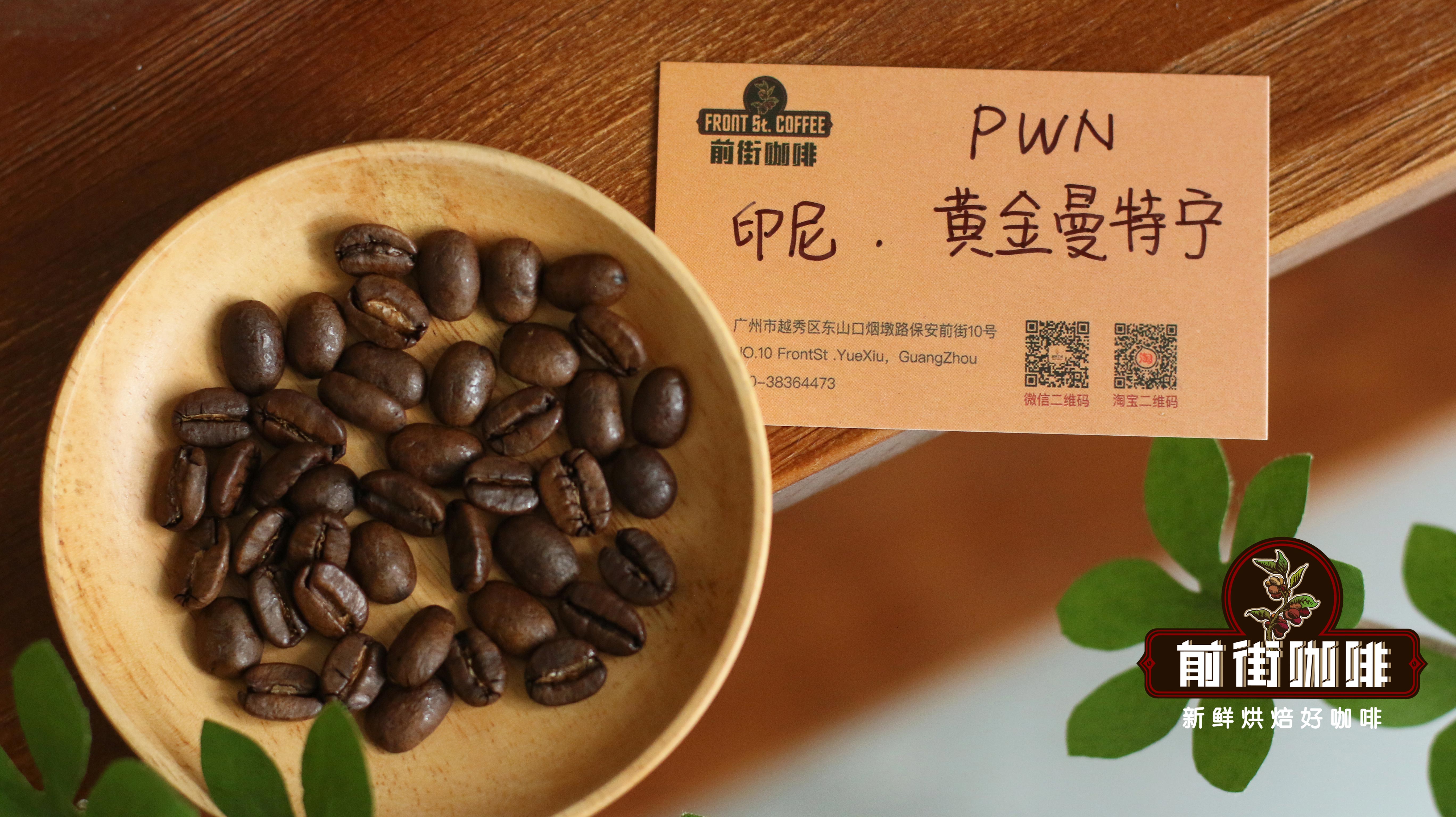
For Mandheling roasted to varying degrees, differentiated pour over parameters are recommended to highlight their characteristics: medium-to-dark roasts (Golden/Lintong/Tiger/Aged Mandheling) are best brewed with a Kono filter, using a 1:15 coffee-to-water ratio, 88°C water temperature, and 70–75% grind coarseness (20-mesh sieve retention), enhancing body through pulsed extraction; light-roast natural Mandheling suits a V60 filter, paired with 90°C water and 80% fine grind (20-mesh sieve retention), to showcase clear fruity acidity. Both methods follow a 30-second bloom, with total brew time adjusted between 2:10 and 2:00 based on a 15g dose.
The above content is compiled by CoffeeHunters, a coffee news website.


