







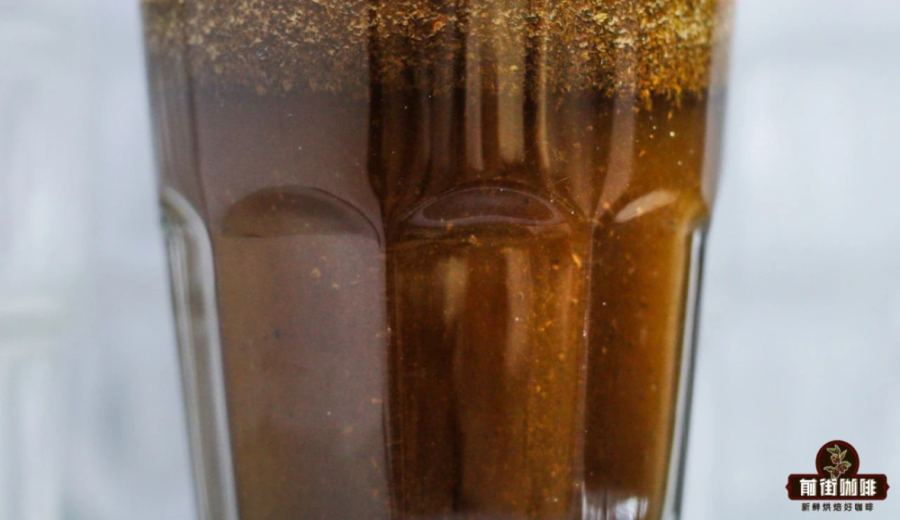
Introduction:Cold brew coffee is a beloved low-temperature brewing option in the summer — easy to prepare and highly forgiving. However, its final flavor profile often hinges on two key variables: grind size and steeping time. This article explores the flavor evolution of cold brew through samples brewed for varying durations (from 4 to 22 hours), offers practical steeping suggestions for everyday use, and provides useful scenario-based solutions to help you easily master the balance in extraction.
Thanks to its slow, low-temperature brewing method, cold brew has become the go-to iced coffee for many during the summer. It doesn’t require complex equipment and is compatible with a wide range of coffee beans, making it easy even for beginners. Yet under fixed water temperature and coffee-to-water ratio conditions, what truly influences the flavor direction is the combination of grind size and steeping time. This article, based on experimental data, examines the flavor performance of cold brew at different steeping durations and offers practical recommended parameters.
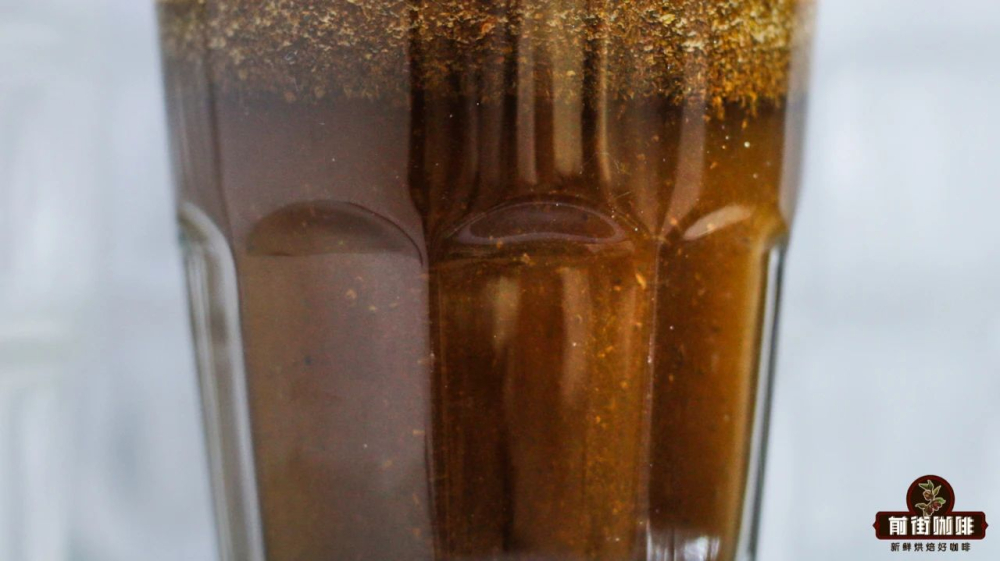
Compared to hot brewing, cold brew is performed in a low-temperature environment, resulting in lower extraction efficiency of soluble substances from the coffee. However, this also gives it greater flexibility in parameter adjustment. The generally recommended grind size is similar to that for pour over coffee — roughly 70% to 85% passing through a Chinese No. 20 sieve, with a texture resembling sugar granules. The common coffee-to-water ratio range is 1:10 to 1:13, while steeping times usually fall between 8 to 18 hours. Notably, the “steeping time” can vary by over ten hours here. Could such variation significantly impact the final flavor? Let’s delve deeper.
To clarify the impact of different steeping durations on flavor, we conducted an experiment: using the same coffee beans, setting the grind size to that of fine sugar (approximately -9.5 on the EK43s electric grinder / -22 on the C40 hand grinder), and keeping the coffee-to-water ratio at 1:10, we steeped the coffee for 4, 10, 16, and 22 hours, then filtered and tasted the results. The experiment showed that the 4-hour sample exhibited clear under-extraction, with weak acidity and aroma, and an overall flat taste. The 22-hour sample, on the other hand, showed signs of over-extraction, with heavy flavors, astringency, and a dull finish. In contrast, the 10-hour and 16-hour brews delivered the best flavor profiles — especially the 16-hour sample, which showcased clear fruity acidity and a well-balanced sweetness whether served straight or over ice.
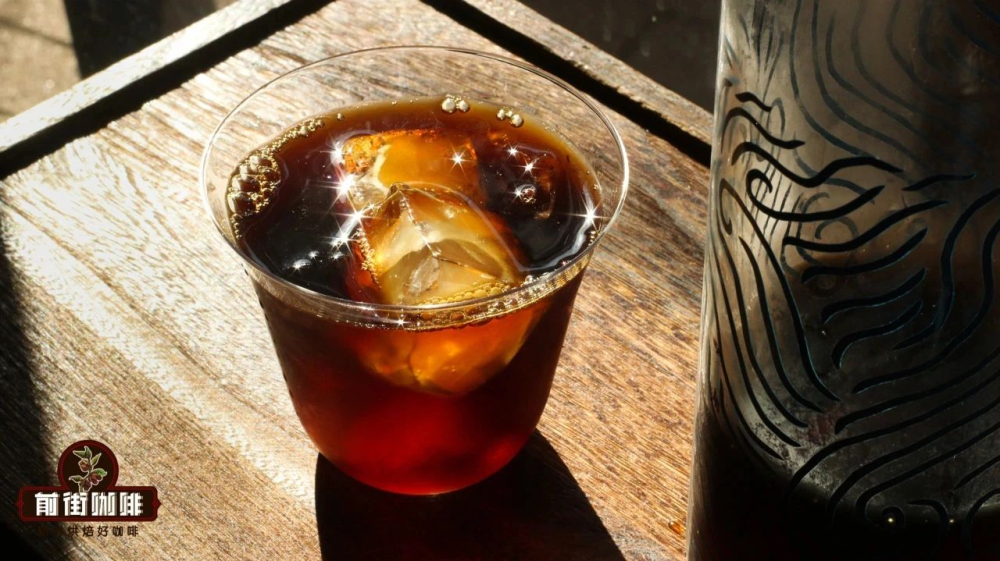
Summarizing the experimental findings, we observed the following: The 4-hour cold brew had a slight lemony acidity but overall leaned toward a tea-like profile, with relatively weak taste and aroma. The 10-hour sample displayed bright berry-like acidity and sweetness, with a refreshing mouthfeel and moderate aroma. By 16 hours, the citrus notes became more pronounced, the sweetness rounded out, and the overall profile was balanced and layered. The 22-hour coffee, though rich and full-bodied, suffered from over-extraction, resulting in an overly tea-like body and a finish with slight grittiness and unpleasant astringency.
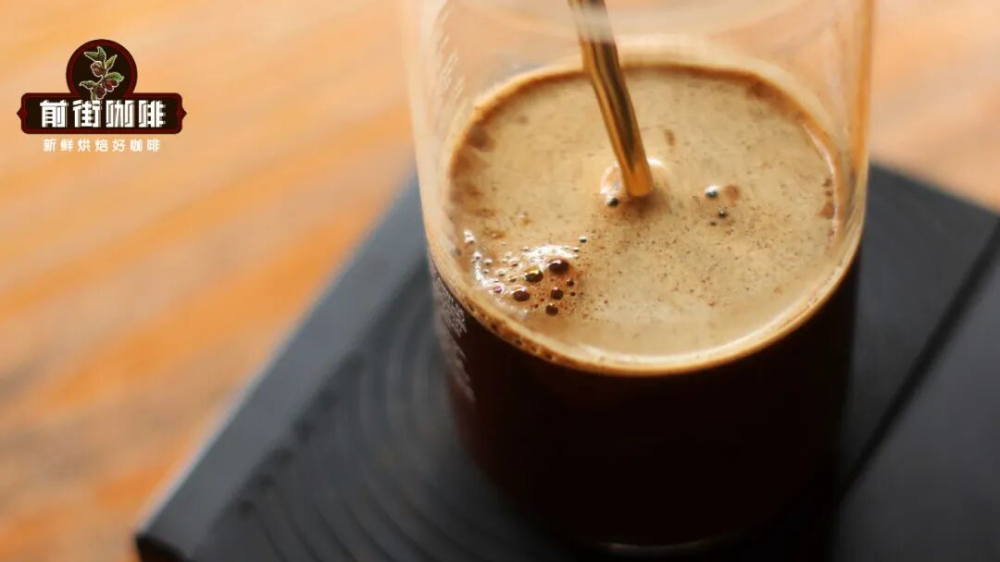
In cold brew preparation, since the temperature is fixed and there’s no thermal extraction force from hot water, the interaction between coffee grounds and water mainly relies on time and surface contact. As such, grind size and steeping duration become crucial factors for adjusting flavor. Simply put, the finer the coffee is ground and the longer it steeps, the more flavor compounds are extracted into the water, leading to increased body and intensity. Conversely, a coarser grind and shorter steeping time yield a lighter cup.
However, cold brew’s low extraction efficiency means these two parameters must be carefully controlled. Overly long steeping times or too fine a grind can lead to over-extraction, resulting in woody, bitter, or even straw-like off-flavors. Based on hands-on brewing experience, keeping the steeping time between 8 to 18 hours usually yields the most stable and balanced flavor. So how should we schedule our cold brew for the busy daily routine?
For two common scenarios, we offer the following suggestions: If you’d like to enjoy a chilled cold brew at 7–9 AM the next morning, we recommend starting the steeping process before bed (around 9–12 PM), yielding a steeping time of about 7–12 hours — a safe and ideal range. Another scenario: if you’d rather not filter early in the morning, you can start brewing at 8–9 AM and filter it out at 6–8 PM, for a total duration of about 9–12 hours, which also produces satisfying results. Additionally, refrigerating the cold brew for some time after filtering can further round out the flavors, leaving the mouthfeel cleaner and crisper.
The above content is compiled by CoffeeHunters, a coffee news website.


