







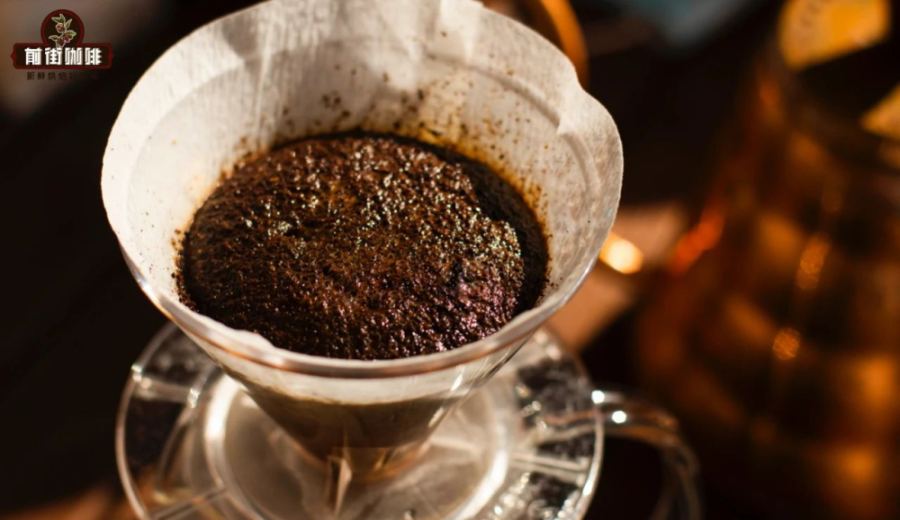
Introduction:The roast level of coffee beans is one of the key factors influencing flavor, ranging from the bright fruity acidity of light roasts to the rich, smoky depth of dark roasts. Each roast level offers a distinctly different taste experience. This article provides a detailed analysis of the differences between light roast, medium roast, medium-dark roast, and dark roast, including how Maillard and caramelization reactions shape flavor. It also offers typical flavor profiles and practical pour over recommendations for each roast level, helping you find the most suitable coffee beans based on brewing methods and taste preferences.
Much of coffee’s charm comes from roasting. Green beans themselves have relatively simple flavors; it’s only through high-temperature roasting that their captivating aromas and complex layers are unlocked. Different roast levels are not just about color — they directly determine the balance of acidity, sweetness, and bitterness, the body, and the overall flavor expression. From the bright and lively notes of a light roast to the balanced aroma of a medium roast, and on to the bold intensity of a dark roast, each roast level tells a unique coffee story.
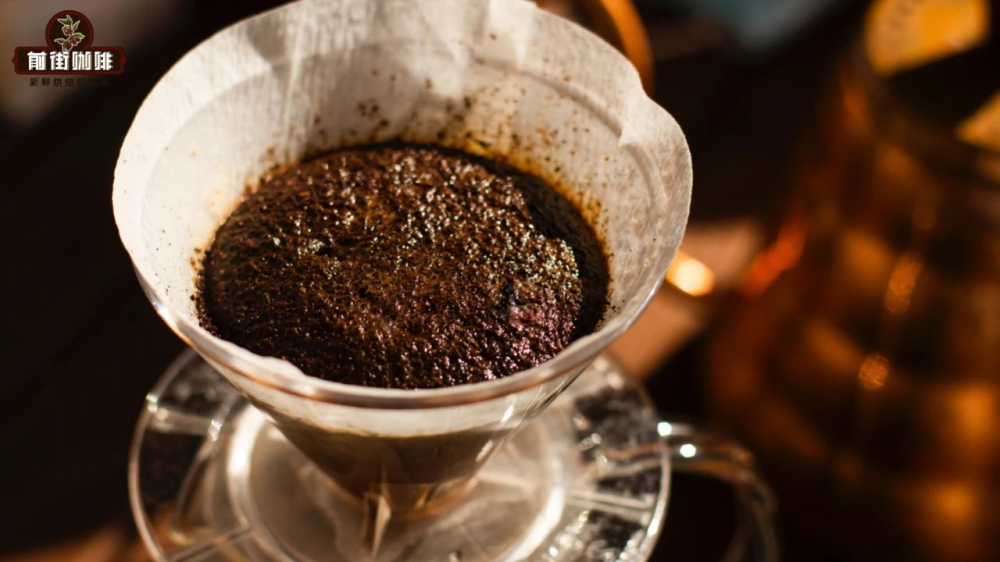
The most critical chemical reactions during coffee roasting include the Maillard reaction and caramelization. The Maillard reaction typically begins around 150°C, involving a reaction between amino acids and sugars in the coffee beans. This produces compounds such as melanoidins, gradually turning the beans brown while influencing aroma, flavor, and body. Temperature control and duration at this stage greatly affect the final outcome — for instance, overly long reaction times may lead to a loss of fruit acidity, making the coffee taste dull.
Next is the caramelization reaction, which kicks in after around 170°C. This is the process by which complex carbohydrates break down into simpler sugars, imparting more sweetness to the coffee and bringing out aromas akin to caramel and almonds. This reaction continues until the end of roasting and plays a significant role in contributing to the coffee’s sweetness and flavor complexity. The interplay between these two reactions allows the same coffee bean to exhibit completely different personalities at varying roast levels.
Depending on roasting time and temperature, coffee beans can generally be divided into four main categories: light roast, medium roast, medium-dark roast, and dark roast. If further细分, there are eight common roast levels ranging from Light Roast to Italian Roast, each suited to specific brewing methods and flavor profiles.
Light Roast (Light Roast / Cinnamon Roast)Typically dropped just as first crack begins to the start of its more intense phase, the beans exhibit a light cinnamon-like color. At this stage, the coffee displays pronounced acidity and vibrant aromas, but with minimal bitterness, making it highly suitable for those who enjoy bright fruit and floral notes. Common flavors include lemon, berries, floral notes, and distinct citrus tones, making it a popular choice among pour over enthusiasts. However, extraction of light roast beans requires more precise parameters. A medium-coarse grind is recommended, with water temperature controlled at 90–93°C, and brew time appropriately extended to fully bring out the nuanced flavors.
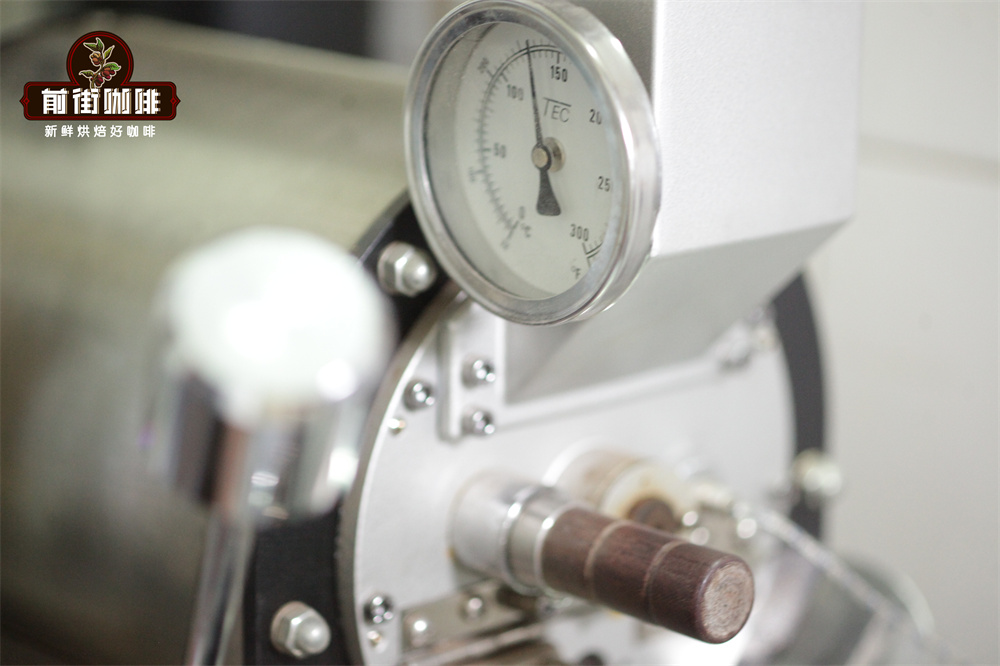
Medium RoastThe beans are dropped between the peak and end of first crack, with the color shifting to a chestnut hue. At this stage, the coffee achieves a balance between acidity and sweetness, with moderate body. Bitterness begins to emerge but does not dominate, catering to the tastes of most consumers. Common flavors include nuts, caramel, creamy sweetness, and gentle fruitiness, making it well-suited for Americano or blended coffee. Beans roasted to this level are ideal with a medium-fine grind, with a recommended water temperature of 90–92°C, allowing their balanced characteristics to shine.
Medium-Dark Roast (City Roast / Full City Roast)Falling within the phase from the end of first crack to just before second crack, the beans appear light brown. This is the roast level favored by many coffee lovers, offering a balanced acidity and bitterness, with clear flavors, regional characteristics, and moderate sweetness and body. Common flavors include spices, chocolate, caramel, and subtle woody notes, making it very suitable for both pour over and French press. A medium-fine to medium grind is recommended, with water temperature around 88–92°C, with slight adjustments to brew time depending on the coffee variety.
Dark Roast (Italian Roast)Beans are dropped after second crack, through to when the surface turns dark, oily, and nearly black. These coffees feature intense flavors, with almost no acidity. They are characterized by strong smoky, charred notes, along with a balanced sweet-bitter profile. Common flavors include smoke, chocolate, dark brown sugar, and a prominent bitter-sweet aftertaste. Dark roasts are often used for espresso (Espresso), but can also be used in milk-based drinks to add complexity. A fine grind is recommended, with slightly lower water temperature (around 88–90°C) to mitigate the risk of over-extraction.
Regardless of the roast level chosen, it’s recommended to use the beans within 7–21 days of the roast date provided by the roaster to enjoy optimal flavor. In addition, different brewing methods (such as pour over, French press, AeroPress, or espresso machines) require matching grind sizes and parameters to fully realize the potential of each roast level.
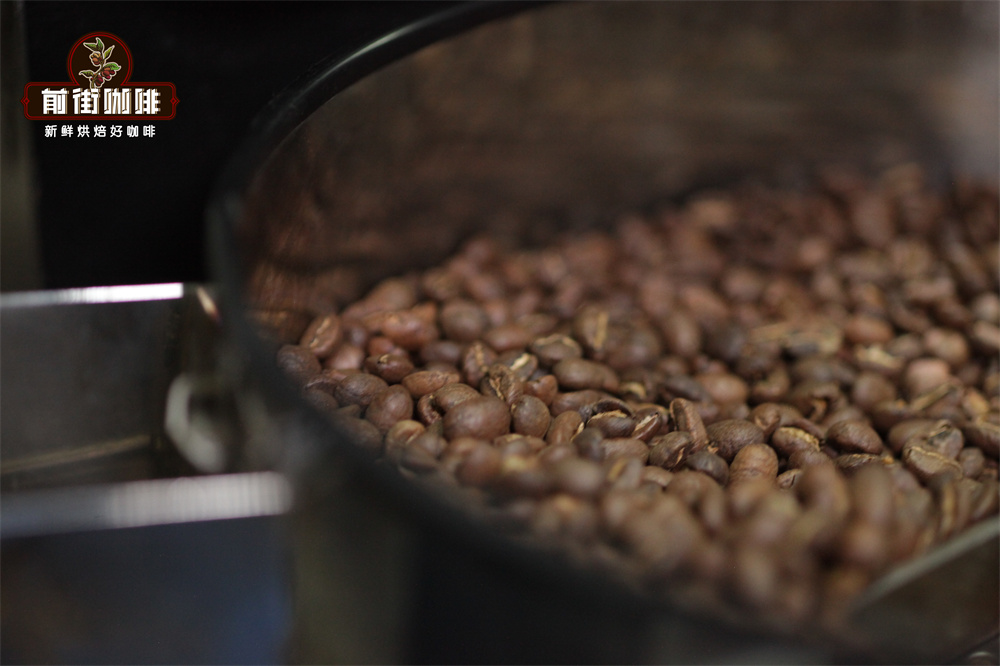
In summary, light roast is ideal for those seeking fruity acidity and floral exploration, medium roast is the balanced choice for most, medium-dark roast showcases a well-rounded and harmonious taste, while dark roast satisfies those who crave intense, bold richness. Understanding these roast differences can help guide your coffee bean selection and allow you to adjust your brewing routine to craft the most satisfying coffee experience tailored to your preferences.
The above content is compiled by CoffeeHunters, a coffee news website.


