







Introduction:Jamaica Blue Mountain coffee is renowned for its rich and balanced flavor, but there are many imitations on the market. How can you identify genuine Blue Mountain beans? This article delves into the core growing regions of Blue Mountain coffee, the cultivation background of top-tier estates, explains the official grading system of authentic Blue Mountain beans, and discusses reasonable market prices to help you avoid overspending and select truly premium Blue Mountain coffee worth savoring.
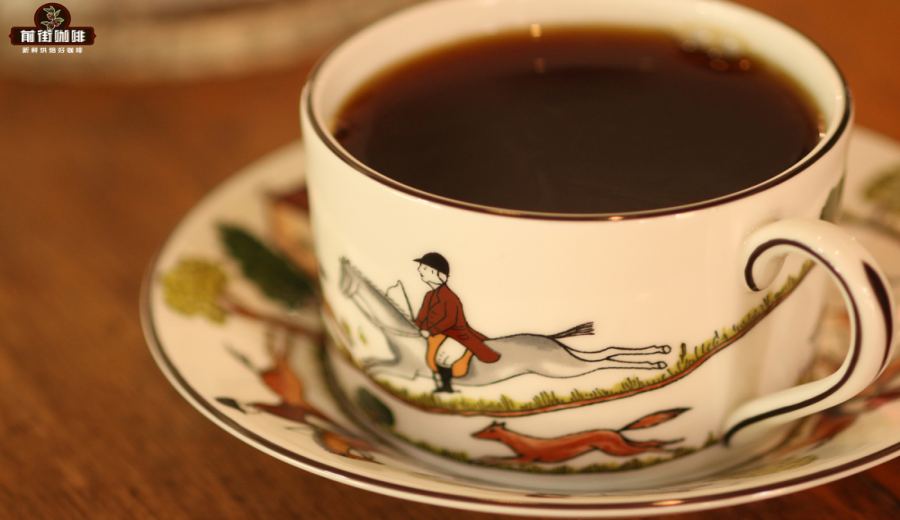
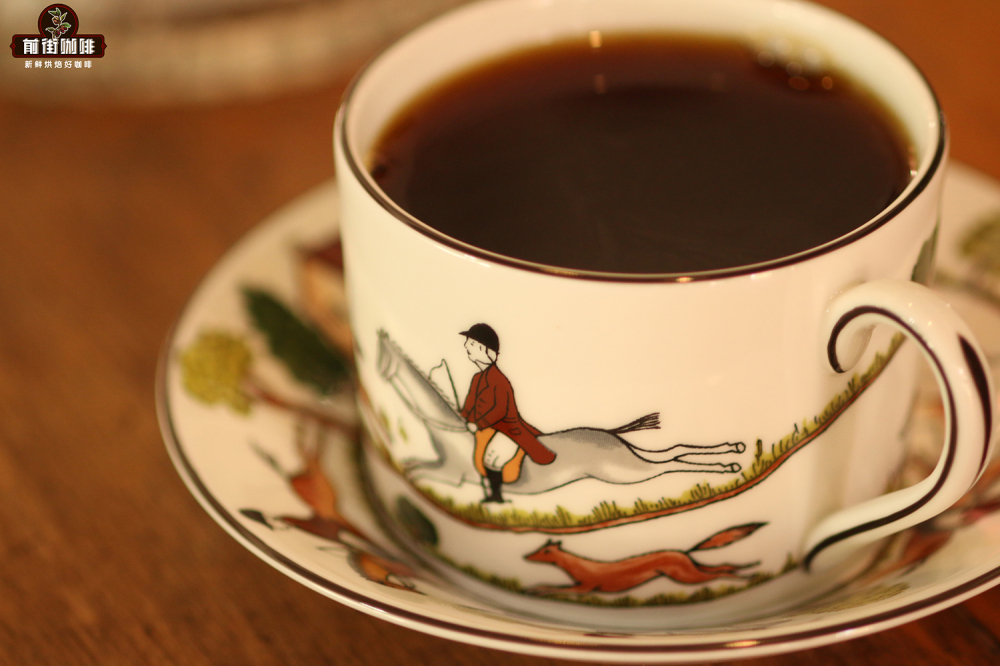
Blue Mountain coffee enjoys global fame, yet few have had the chance to taste it firsthand. A genuine cup of Blue Mountain coffee exudes intense chocolate and roasted nut aromas, with a deep, translucent brew color, a smooth and velvety mouthfeel, and an exquisite balance of acidity, sweetness, and bitterness—delivering an ultimate drinking experience.
Many have heard of Blue Mountain coffee, but few have had the opportunity to try it. In fact, as import channels gradually improve, Blue Mountain coffee is no longer an unattainable luxury. However, the market is flooded with counterfeit products, making it difficult for consumers to distinguish the real deal. What exactly qualifies as genuine Blue Mountain coffee beans? What is a reasonable price to pay? Let’s break it down below.
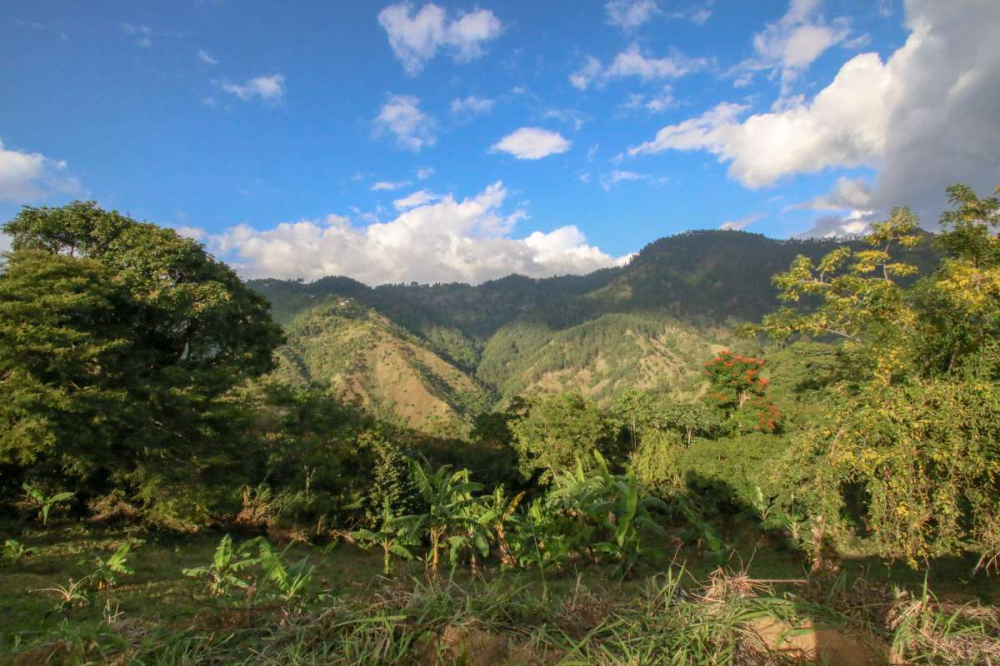
First, it’s important to clarify that not all coffee grown in the Blue Mountains can be called “Blue Mountain coffee.”True 100% Jamaican Blue Mountain coffee beans must be grown within a designated 6,000-hectare area in the core region of the Blue Mountains (at elevations between 910 and 1,700 meters),and must be strictly certified by the Jamaican government. If the beans are grown at altitudes below 910 meters, they can only be classified as High Mountain coffee or Jamaican Select coffee—not as Blue Mountain.
When discussing Blue Mountain coffee, one cannot overlookClydesdale Estate. This historic estate was established in the 1700s by Dr. Colin McClart, a British immigrant to Jamaica, and is the first commercial coffee plantation in Jamaica. Dr. McClart’s success inspired neighboring farmers to follow suit, cultivating coffee at the foothills of the Blue Mountains, which gradually became a key production area for Blue Mountain coffee.
Located in the St. Andrew parish of the Blue Mountains, Clydesdale Estate sits at an average elevation of about 3,480 feet (approximately 1,060 meters), adjacent to the ridge of Jamaica’s largest national park and forest reserve. Situated in the heart of the Blue Mountain coffee region, it has earned the nickname “the Heart of Blue Mountain.”
The estate insists on using the globally recognized high-quality Arabica Typica pure variety. Although this variety yields low and is costly to cultivate, the estate maintains its use to uphold the top-tier quality and reputation of Blue Mountain coffee. During cultivation, no chemical fertilizers are used—only organic fertilizers such as chicken and cow manure are applied. Weeding and harvesting are done manually, and each coffee bean undergoes strict screening, retaining only those with intact appearance and standard size. After harvest, the beans are processed via washed method, sun-dried, and stored in oak barrels to preserve their original flavors. Such rigorous cultivation and processing procedures are the key reasons why Clydesdale Estate’s Blue Mountain coffee stands out.
Speaking of price, due to the high cultivation and processing costs of Blue Mountain coffee, coupled with limited yield, its retail price has always been relatively high. Currently, there is no direct import channel for Clydesdale Estate beans in China, with most sourced through secondary transactions in Taiwan,with roasted bean prices around 2,000 New Taiwan Dollars per 100 grams, equivalent to approximately 450 RMB per 100 grams, placing it in the premium price range.
If purchased through direct import channels, the price is relatively more affordable. For example, one brand imports Blue Mountain coffee beans from Clifton Mount Estate, a historic coffee farm within the Blue Mountain region and one of the earliest cooperative farms introduced to China. This farm is also the only one in the Blue Mountain area to receive Rainforest Alliance certification, with a prominent frog certification mark printed on its Blue Mountain coffee sacks, signifying environmentally friendly cultivation practices.
Many consumers mistakenly believe that genuine Blue Mountain coffee beans should cost between 300 and 500 RMB per 100 grams, and products priced below this range are likely counterfeits. However, in reality, as direct imports to the Chinese market have increased year by year and intermediary steps reduced, the cost of raw beans has significantly dropped, leading to adjustments in reasonable retail pricing.
Taking commonly available authentic Blue Mountain coffee as an example,one brand sells Blue Mountain coffee beans at 158 RMB per 100 grams, using Clifton Mount Estate’s No. 1 Blue Mountain beans, with raw bean costs at around 70 RMB per 100 grams. Therefore, if you hear some industry insiders excessively hype up the price of Blue Mountain coffee or even inflate it to unreasonable sky-high levels, it’s likely just hearsay.
In today’s market where cutting-edge coffee varieties like Geisha dominate the spotlight, Blue Mountain coffee may no longer be the hottest topic, but its quality has remained consistent for over fifty years. As long as consumers avoid seeking bargains and refrain from purchasing suspiciously cheap “Blue Mountain-flavored,” “Blue Mountain blends,” or pod coffees, they can effectively steer clear of counterfeit traps and enjoy the classic flavors that truly come from the Blue Mountain range of Jamaica.
The above content is compiled by CoffeeHunters, a coffee news website.


