







Introduction:Catimor is a hybrid coffee variety that combines the strengths of Caturra and Timor Hybrid, with 25% Robusta lineage. Though its flavors are relatively straightforward, it boasts strong disease resistance and stable yields. This article delves into the origins of Catimor, its development in major global producing regions, and highlights the quality characteristics of the Baoshan growing region in Yunnan, China. It also provides practical pour over brewing suggestions and flavor analysis for washed Catimor, helping you better understand this common yet often underestimated coffee.
Catimor is a high-yield coffee variety resulting from the cross between Caturra and Timor Hybrid, first successfully cultivated in Portugal in 1959. This variety integrates the elegant flavor potential of the Arabica family with the robust disease resistance and high productivity traits of the Robusta family, carrying approximately 25% Robusta genetics. As a result, although Catimor is relatively ordinary in terms of aroma expression and delicacy, its resistance to diseases and stable yield have made it an important cultivation choice in many coffee-producing regions.
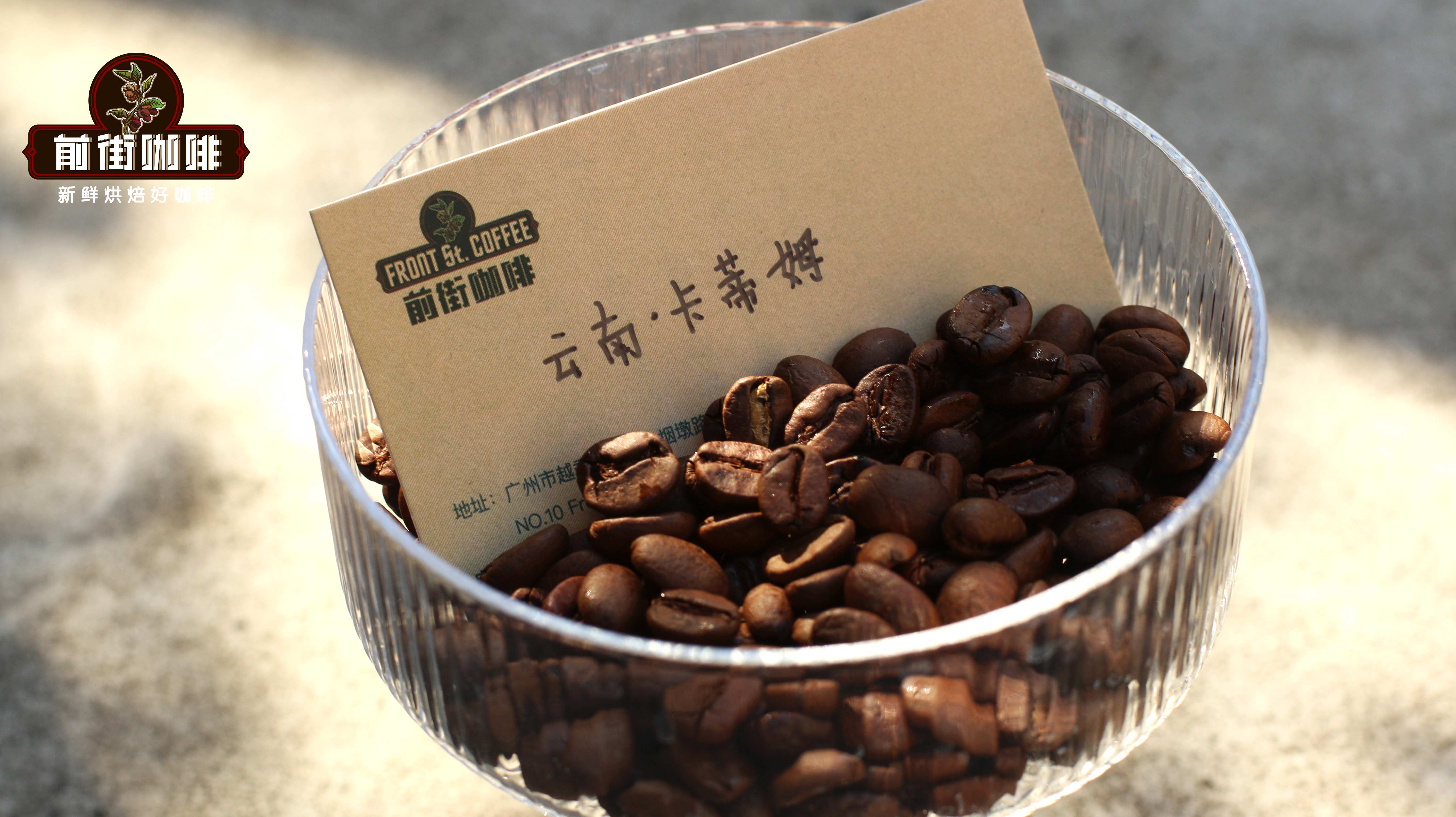
The plants of this variety are of medium-short stature, with a compact canopy, dark green leaves, multiple branches, and relatively short internodes. They are highly adaptable, particularly excelling in dry and mid-altitude environments. Under good management conditions, dry bean yields can easily exceed 200 kilograms per unit area. However, due to its Robusta genes, Catimor is often considered to have weaker aroma, with noticeable bitterness, astringency, and occasionally even a musty or irritating sensation—these are common characteristics in its flavor profile.
Since its introduction, the Catimor variety has rapidly spread globally, taking root in multiple major coffee-producing regions in Asia and Latin America. Different regions have further selected and named it based on local climate, soil, and market demands, resulting in distinct regional “Catimor-type” varieties.
In the 1980s, Colombia introduced the Catimor variety to enhance disease resistance and yield per unit area in its coffee-growing regions, replacing the older and disease-prone Caturra plantations. Through localization, adaptation, and selection, the Colombian government eventually renamed this variety “Colombia”—the commonly seen “Colombia variety” in the market today—which is actually a locally adapted version of Catimor. Notably, because the original Catimor variety still carried earthy notes and lacked rich aroma, Colombia introduced the backcross-improved variety Castillo in 2008 to further enhance aroma expression and taste balance.
In Indonesia, Catimor also has a long history. As early as the 1980s, the Indonesian government introduced Catimor to the central Aceh region for trial planting. However, due to the political situation at the time, the region was isolated from the outside world for a long period, allowing these Catimor plants to naturally evolve in a relatively closed environment, eventually becoming a unique local variety variation, commonly known as “Ateng.” Over time, Ateng gradually expanded to other parts of Sumatra and became one of the mainstream planted varieties there. Today, many coffees marketed as “Golden Mandheling” actually predominantly use Ateng, the Indonesian version of Catimor.
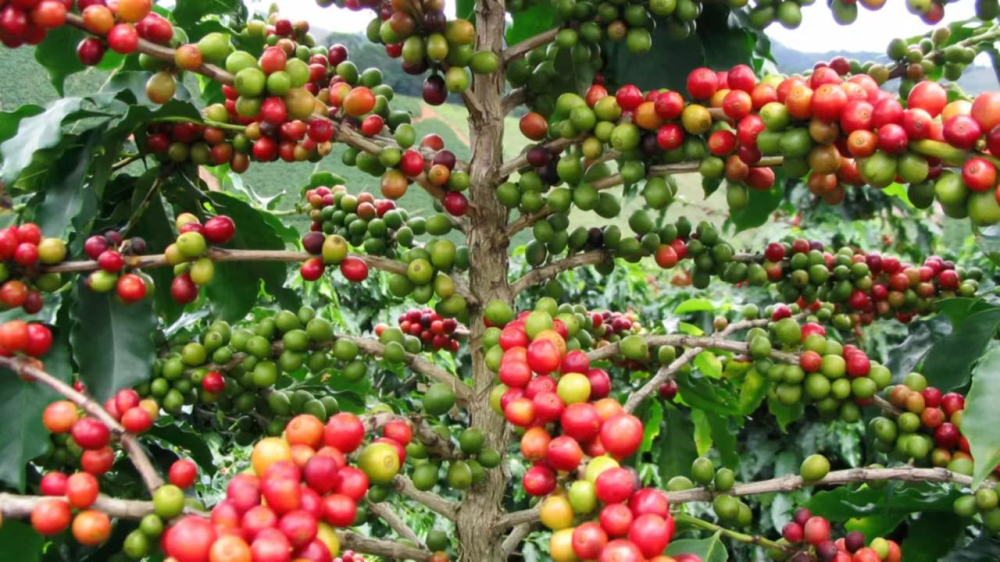
As one of the world’s important coffee-producing regions, China’s Yunnan also sees Catimor playing a pivotal role. Between 1988 and 1994, Nestlé, in collaboration with the Portuguese Coffee Rust Research Center, successively introduced multiple strains including Catimor 7963, P1 to P4, T5175, and T8667 for trial planting and promotion in Yunnan. Due to Catimor’s high adaptability to the local climate and disease environment, coupled with its stable yield performance, the variety quickly gained popularity in Yunnan. To this day, over 99% of commercial coffee in the Yunnan region is of the Catimor variety.
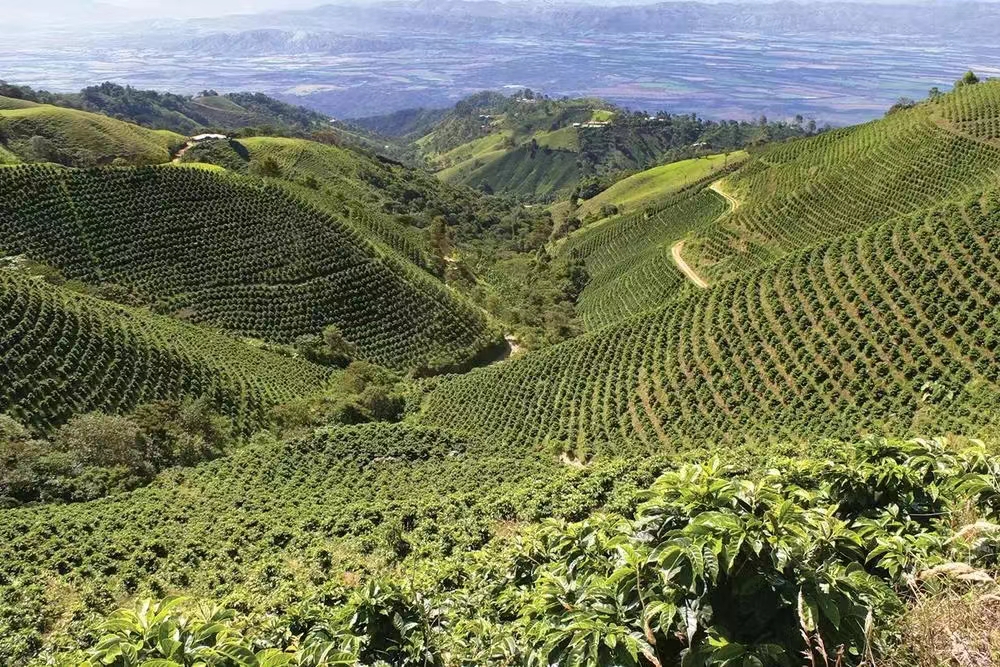
Thus, what is referred to today as “Yunnan small-grain coffee” essentially means Catimor. Although its flavor profile may not compare to top-tier Arabicas like Geisha, each producing region has its unique terroir, and Yunnan’s high altitude and diverse microclimates still impart distinctive regional characteristics to Catimor. Some well-known coffee suppliers, when selecting beans to represent the flavor of Yunnan, specifically chose washed Catimor from the Baoshan producing region as a classic example showcasing the area's coffee traits.Baoshan, as one of Yunnan’s historically significant coffee-growing regions, sits at an altitude of about 1,200 meters, with moderate climate conditions and fertile soil—highly suitable for Catimor cultivation. Using the washed processing method can more clearly highlight the variety’s basic flavor profile, including herbal, nutty, chocolatey, and caramel notes, making it an ideal entry point for understanding the flavors of Yunnan Catimor.
If you’d like to experience this coffee at home through pour over brewing, here are the practical brewing parameters recommended by a well-known coffee supplier:[Recommended Equipment] V60 cone filter
[Grind Size] Medium-fine grind (similar to fine sugar, with about 75% passing rate through a Chinese standard No. 20 sieve)
[Coffee-to-Water Ratio] 1:15
[Water Temperature] 90°C
[Flavor Profile] Plum, nuts, chocolate, caramel
[Pour Over Steps]
1. Preheat the equipment and filter. Pour about 30 grams of hot water onto the coffee grounds for blooming, for around 30 seconds.
2. Then pour water in small circles, and perform the first pour when the total water volume reaches 124 grams. Wait for the water level to drop slightly, then continue pouring until the total reaches 227 grams before stopping.
3. Remove the filter when the water level is about to expose the coffee bed, keeping the total extraction time around 2 minutes.
This brewing method fully brings out Catimor’s rich mouthfeel and clear aromas. Although the overall performance may not be overly delicate, its intense chocolate and nut base, paired with moderate caramel sweetness, still showcases the distinctive local flavor charm of the Yunnan growing region.
The above content is compiled by CoffeeHunters, a coffee news website.


