








Introduction:Colombian coffee is renowned worldwide for its balanced profile of dark chocolate notes and gentle fruit acidity, winning the hearts of coffee enthusiasts everywhere. This article delves into the history of Colombian coffee — from the early introduction of seeds by Jesuit missionaries, to the rise of smallholder farming, and how FNC has helped establish the country as a key supplier of specialty coffee globally. We’ll also taste the classic washed profile of Huila beans, as well as the innovative double anaerobic washed process of the "Sakura" beans from Paradise Estate, and provide practical pour over brewing recommendations.
Colombian coffee has long been celebrated for its rich dark chocolate tones, paired with soft fruit acidity and a full body, resulting in a balanced and layered cup that’s considered a classic among seasoned coffee drinkers. The formation of this flavor profile is not only closely tied to its geographical environment but also rooted in the longstanding tradition of smallholder farming and stringent quality control systems. From the introduction of coffee seeds by Spanish Jesuit missionaries in the early 18th century, to the decentralized family farm model that emerged after the Thousand Days' War, and the establishment and growth of the national coffee organization FNC, Colombian coffee has traversed a path full of challenges and innovations.
Among Colombia’s many coffee-growing regions, the Huila region has consistently been known for its stable and representative washed processed beans. The coffee produced here often features distinct dark chocolate flavors, soft acidity, and a solid body — making it an excellent choice for everyday drinking or as an introductory option for those exploring Colombian coffee for the first time.
Tracing back to the origins of Colombian coffee, it dates as far back as the early 18th century when, according to records, Spanish Jesuit missionaries brought coffee seeds to South America. A missionary named José Gumilla, during his travels along the Orinoco River basin, observed that coffee cultivation was already taking place there, estimated to have begun prior to 1730. Over time, coffee planting became more widespread, and especially by the end of the 19th century, it had become an important source of foreign exchange for the country.
However, the course of history was not always smooth. The four-year Thousand Days' War had a severe impact on Colombia, causing a sharp decline in population, land abandonment, and the fallowing of many large coffee plantations. To revive the industry, the government redistributed these abandoned lands to landless farmers, leading to the creation of a multitude of small-scale coffee farms — laying the foundation for the smallholder-dominated production structure that Colombia has today.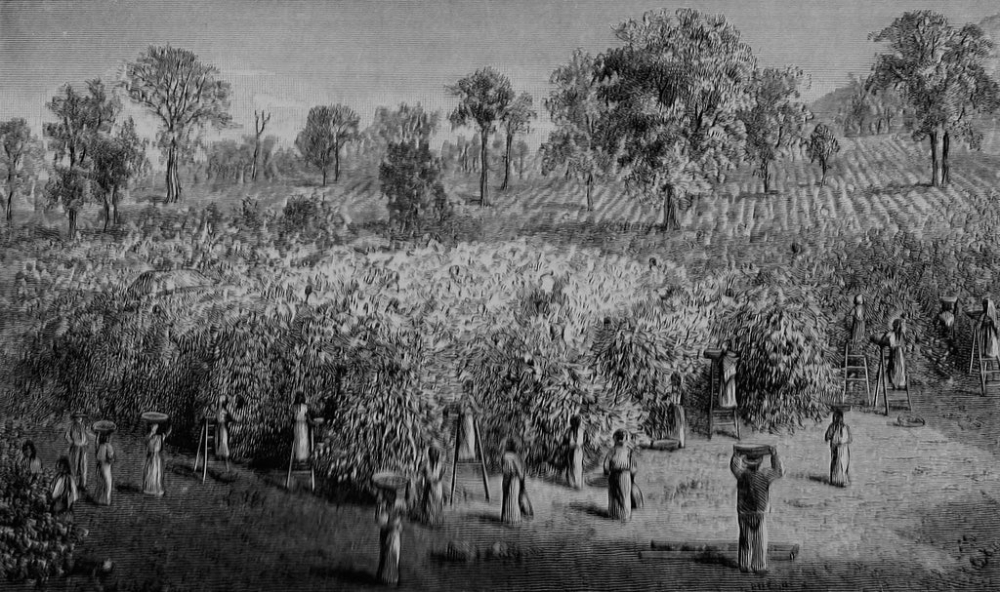
Facing fierce competition in the international market, Colombian coffee growers established the “Coffee Producers Institution” in 1904, which was formally organized into the more influential FNC (Colombian Coffee Growers Federation) in 1927. FNC not only strives to protect the rights of coffee farmers but also, through marketing, technical support, and quality control, has successfully positioned Colombia as the world’s third-largest coffee exporter. This has made "Colombia," alongside "Yirgacheffe" and "Blue Mountain," an indispensable keyword in the specialty coffee market.
In terms of flavor experience, Colombian coffee often presents a clear and distinctive flavor profile. Many coffee experts suggest that washed processing better captures the unique terroir characteristics of each region. For example, in the bean list of one well-known roaster, the washed beans from the Huila region serve as a classic example — highlighting a strong dark chocolate backbone complemented by gentle fruit acidity, making it ideal for those who prefer a balanced cup.
Beyond traditional flavors, Colombian coffee has also been making breakthroughs in innovative processing methods. Among them, Paradise Estate located in the Cauca region has gained attention in recent years for introducing its “Sakura” processed beans. These beans, of the Castillo variety, are subjected to a double anaerobic washed process: first, the whole coffee cherry undergoes a primary anaerobic fermentation; then the pulp and skin are removed, allowing the mucilage-covered beans to go through a second anaerobic fermentation. Finally, the beans are washed and sun-dried, resulting in a complex aromatic profile.
Cupping results show that this Paradise Estate Sakura coffee exhibits herbal aromas such as basil and rosemary, accompanied by a pronounced sweet strawberry jam note. The cup is rich and has a long-lasting finish. It is recommended to use a Hario V60 filter, with water at 90°C, a 1:15 coffee-to-water ratio, and a medium-fine grind (approximately 80% passing through a #20 sieve). The specific steps include: initially pouring 30 grams of hot water for a 30-second bloom; once the "bun" stage stabilizes, continue pouring in a circular motion centered around the coffee bed up to 125 grams, then proceed to pour up to 225 grams, with total extraction time controlled around 2 minutes to fully develop its unique flavors.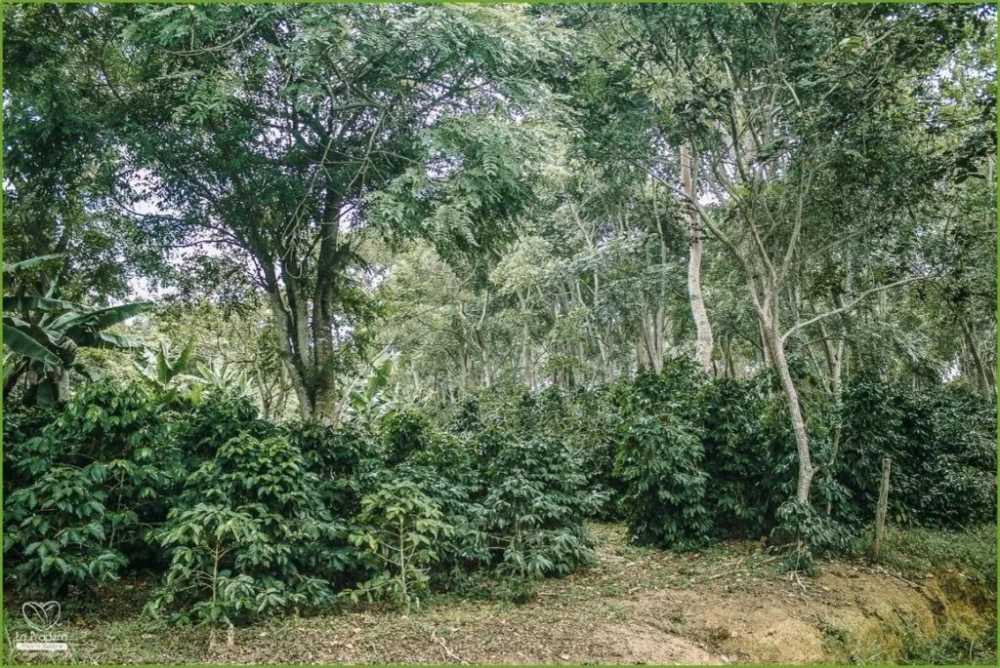
Interestingly, this coffee is named "Sakura" not because it has a cherry blossom flavor, but because the estate owner detected a subtle aroma reminiscent of sakura during fermentation. However, after undergoing double anaerobic fermentation and medium roasting, the final aromatic profile is dominated by herbal notes such as basil and rosemary, paired with a sweet strawberry jam-like finish — showcasing the profound impact of processing methods on the flavor profile of coffee.
The above content is compiled by CoffeeHunters, a coffee news website.


