







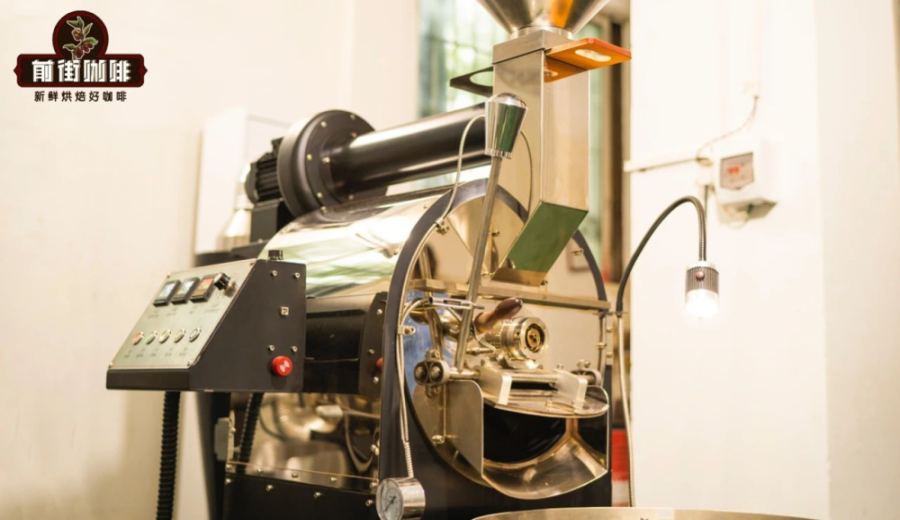
Introduction:The roast level of coffee beans directly influences its flavor profile — from bright fruity acidity to rich chocolatey notes, each roast style offers unique charm. This article delves into the chemical changes and flavor characteristics of light, medium, and dark roasts, and pairs them with three classic coffee beans, providing dedicated pour over parameters including filter choice, water temperature, grind size, and brewing steps. It helps you find the optimal brewing method based on different roast levels to enhance your coffee experience.
Roasting is a key process in shaping coffee flavors. When green beans are subjected to high heat, Maillard reactions and caramelization begin, releasing complex layers of aroma and taste. Commonly seen roast levels in the market are mainly divided into light, medium, and dark, each showcasing a distinctly different personality and suitable brewing approach. Understanding these differences not only helps you choose your preferred coffee type but also enables you to master the corresponding pour over techniques for each roast level — building a complete coffee knowledge from bean selection to extraction.
Although green beans contain abundant precursor substances for flavor, they require roasting to unlock their potential. During the roasting process, various chemical reactions occur inside the beans. Especially when the temperature reaches 150 to 200 degrees Celsius, the Maillard reaction between sugars and amino acids generates hundreds of aromatic compounds that shape the main flavor body of the coffee. As the temperature further rises to 170 to 200 degrees Celsius, sugars start caramelizing, bringing not only color changes but also sweet notes and aromatic compounds. In short, green beans determine the foundation of the coffee, roasting dominates the expression of flavor, and extraction affects the final mouthfeel performance — the three are closely interlinked.
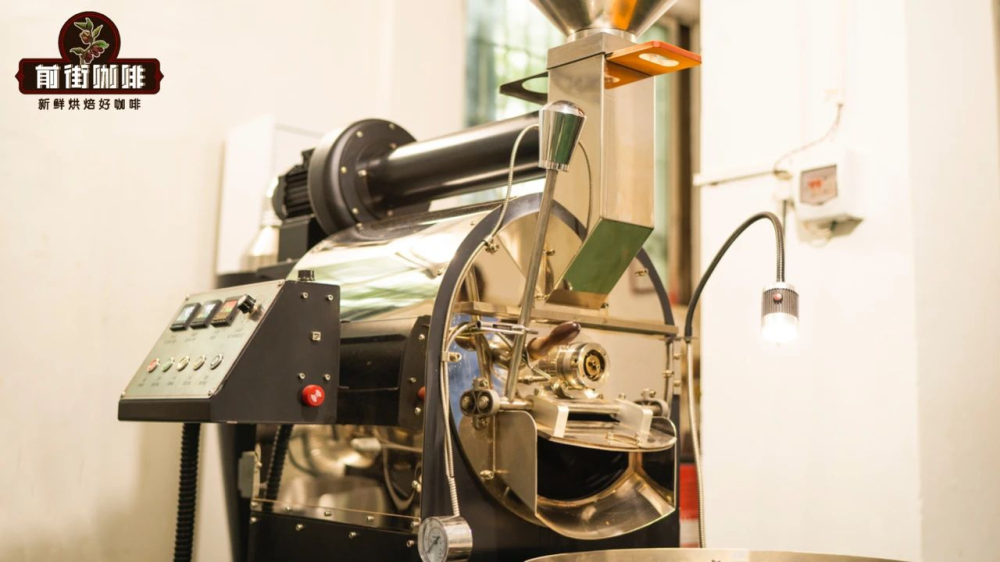
Looking back to the last century, commercial coffee was prevalent. To mask the common off-flavors of Robusta beans, the industry commonly used dark roasting to present a strong and singular roasted aroma. However, with the rise of specialty coffee culture, consumers have become more focused on the terroir characteristics of the beans themselves and the clarity of acidity and sweetness, leading to a growing preference for light roasting. Currently, although multiple roast level classification systems exist internationally, the most common still revolve around light, medium, and dark roasts, each corresponding to different flavor expressions and brewing strategies.
Light roast typically retains more of the green bean’s original characteristics, with bright acidity, notable fruity tones, and floral notes, making it ideal for showcasing the delicate flavors of high-altitude regions. Take Ethiopia Yirgacheffe Konga, for example. These high-altitude beans from elevations of 1850 to 2050 meters in Ethiopia are sun-dried and processed with native varieties. Under light roast, they present vibrant notes of berries, citrus, and honey. For pour over, it is recommended to use a V60 filter, with water temperature controlled at 90°C, a coffee-to-water ratio of 1:15, and a grind size of medium-fine (approx. BG-6S). Employ the pulse pouring method: start with a 30-second bloom using 30 grams of water, then pour in small circles until reaching 125 grams and pause. Once the water level drops, continue pouring up to 225 grams, with a total brew time of about 2 minutes. The resulting coffee has a refreshing mouthfeel, distinct acidity, and a creamy smooth texture with a juicy layered sensation.
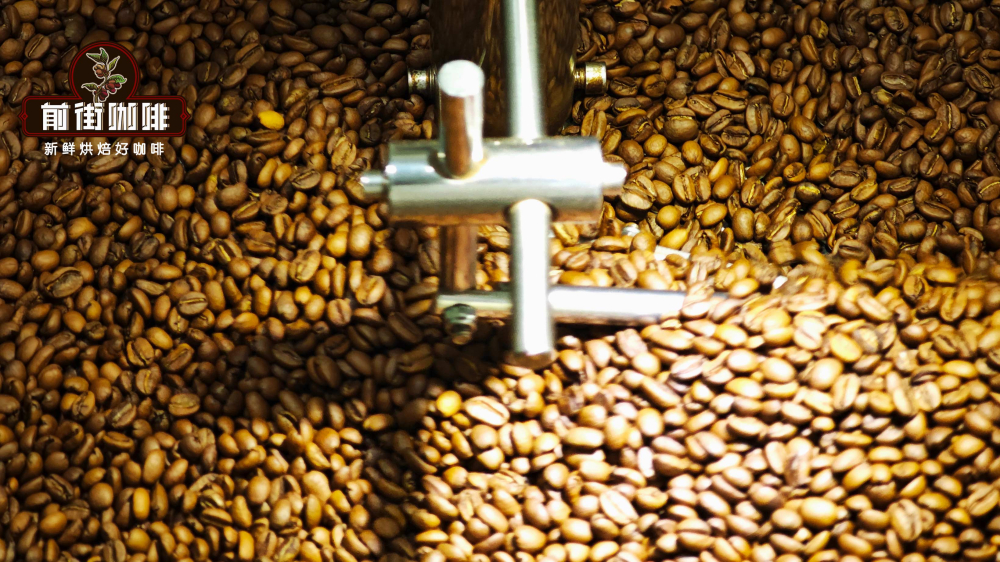
Medium roast strikes a balance between acidity/sweetness and body, often bringing out warm notes such as nuts, caramel, and malt — suitable for drinkers who prefer a balanced flavor. Take Brazil Queen Estate Yellow Bourbon as an example. These sun-dried beans from the Mogiana region, grown at altitudes of 1400 to 1950 meters, are best ground to a medium-coarse setting (approx. BG-6W). Using a Kono filter can extend the water-coffee contact time, enhancing body. For pour over, set the water temperature at 88°C, also using a 1:15 coffee-to-water ratio. Begin with a 30-second bloom using 30 grams of water, followed by small-circle pouring up to 125 grams for the first segment. Pause and wait for the water level to drop, then continue pouring to 225 grams, with a total extraction time of about 2 minutes. Flavor-wise, this bean offers immediate sweetness and a lemony freshness upon entry, with prominent nutty notes in the mid-palate and transitioning to dark chocolate in the finish. Overall, it has a rounded mouthfeel and rich layered complexity.
Dark roast emphasizes intensity and heaviness, often featuring chocolate, caramel, and spice notes, with lower acidity — suitable for those who prefer a bold flavor. Indonesia Golden Mandheling is a typical representative, made from Typica variety grown at altitudes of 1100 to 1600 meters in Sumatra, processed via the wet-hulled (Giling Basah) method, delivering unique woody and malty aromas. For pour over, it is also recommended to use a Kono filter, maintaining water temperature at 88°C, with a medium-coarse grind (approx. BG-6W), and a 1:15 coffee-to-water ratio. The brewing steps are similar to medium roast: after a 30-second bloom with 30 grams of water, pour up to 125 grams for the first segment, then continue to 225 grams, with a total brew time of about 2 minutes. This bean delivers a rich, clean flavor with excellent balance — intertwining woody notes and caramel sweetness, with a long-lasting finish that carries subtle fruity hints.
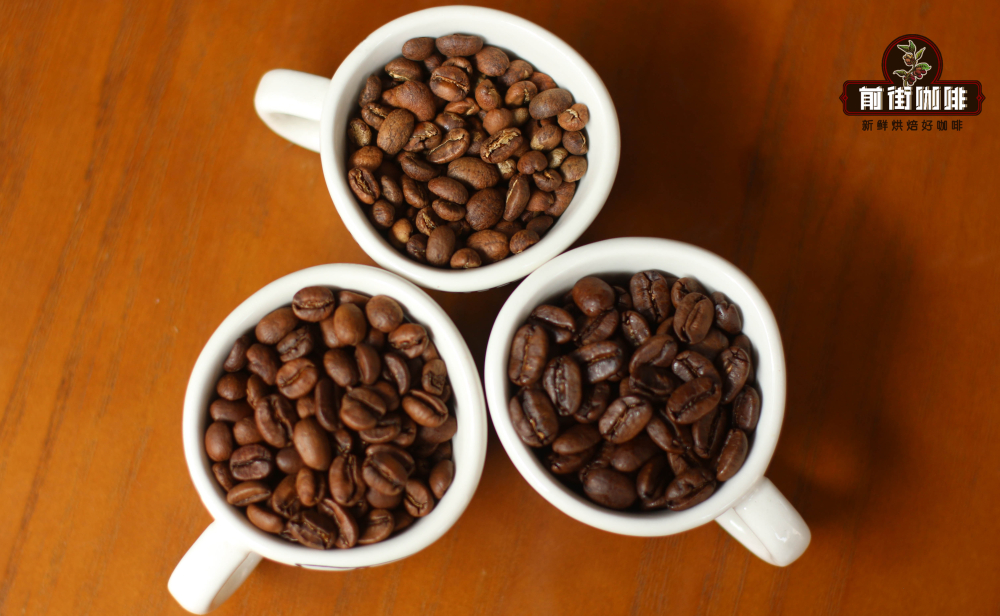
Each roast level has its optimal brewing parameters, from filter selection and water temperature control to grind size adjustment — all affecting the final flavor presentation. Light roast suits higher water temperatures and finer grind to highlight acidity and aroma; medium roast slightly lowers both temperature and grind coarseness to balance sweetness and body; dark roast also uses medium-coarse grind and a slightly lower temperature to bring out rich caramel and chocolate tones. Mastering these basic principles and then fine-tuning according to personal taste preferences allows you to explore different flavor layers even from the same coffee bean.
The above content is compiled by CoffeeHunters, a coffee news website.


