








Introduction:Brazil is the world’s largest coffee producer, renowned for its low-acidity, full-bodied brews. Among them, Fazenda Rainha in the Mogiana region stands out with its Yellow Bourbon variety and refined natural processing method, earning multiple awards at the COE competition. This article delves into the flavor profile of this coffee bean, covering everything from the terroir and varietal genetics to the details of natural processing, and offers professional roasting insights and pour-over brewing parameters to help you accurately highlight its nutty base, refreshing lemony notes, and dark chocolate finish.
Brazil consistently ranks as the top coffee-producing country in the world, known for its rich, full-bodied, and low-acid beans with a mild temperament, making it particularly well-suited for medium to dark roasts or as the foundation of espresso blends. Within this coffee "kingdom," the Mogiana region in northern São Paulo State boasts a unique microclimate that nurtures numerous specialty coffee farms. Among them, Fazenda Rainha (Queen Farm) has distinguished itself with its Yellow Bourbon variety and meticulously crafted natural processing, becoming a representative of Brazilian coffee that balances sweetness with layered complexity.
Fazenda Rainha belongs to the Carvalho Dias family, which has won more than 12 awards since the first Brazilian COE competition in 1999, including sweeping the 1st, 9th, and 11th places in 2004. The farm itself has also achieved remarkable results: 2nd place in 2000, 3rd place in 2001, and 29th place in 2005, accumulating a total of 3 awards to date. On its 280-acre plantation, 200 acres are dedicated to cultivating the Yellow Bourbon variety, paired with small-scale, refined processing methods that give rise to this uniquely flavored specialty coffee.
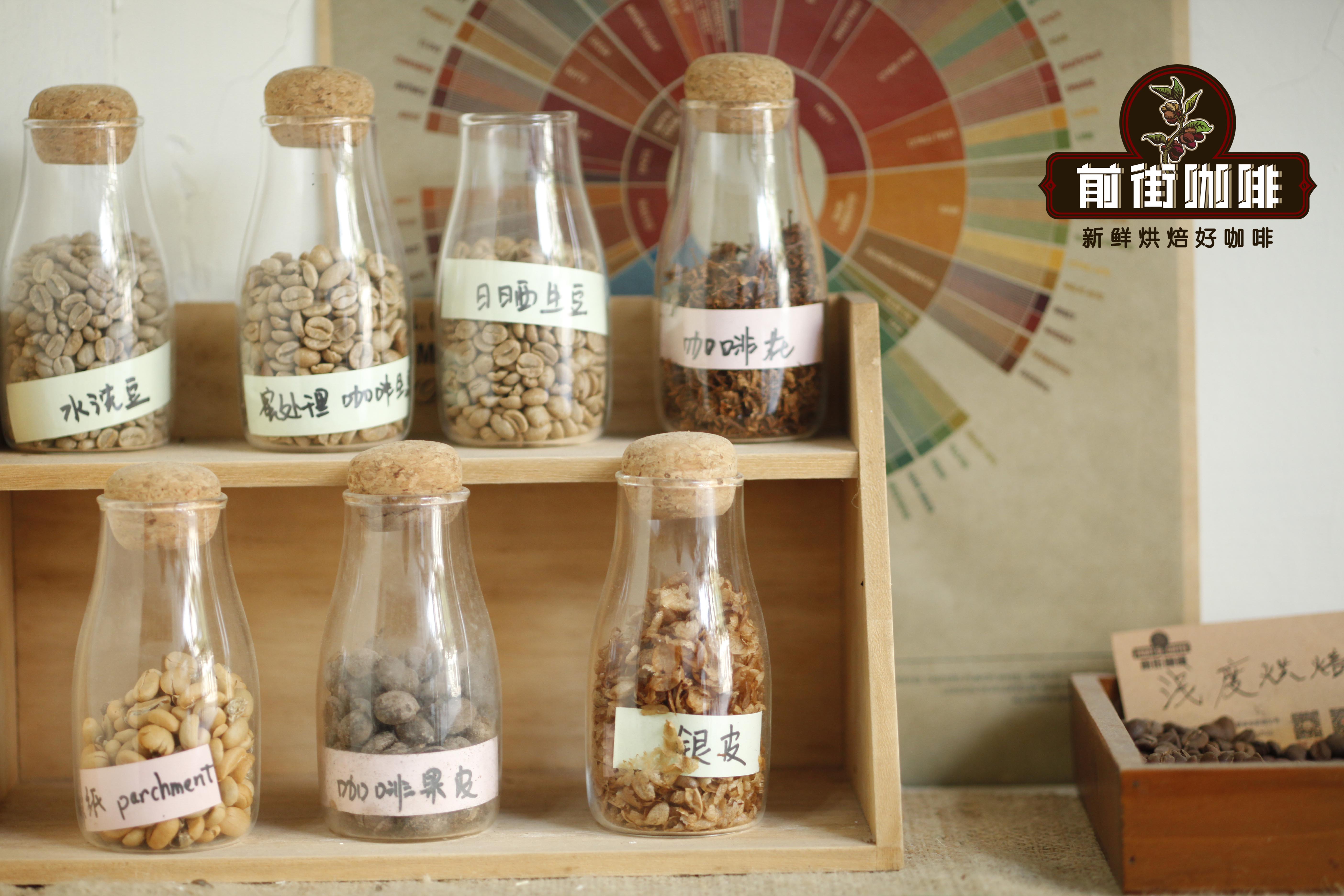
Yellow Bourbon is a yellow-fruited mutation of the Bourbon variety. Due to recessive genes, its ripe cherries exhibit a vivid yellow color. Compared to the traditional Red Bourbon, Yellow Bourbon generally offers higher sweetness and a cleaner taste profile. When processed naturally, it often showcases a soft acidity and tropical fruit aromas. Fazenda Rainha employs a refined natural processing method: ripe coffee cherries are carefully harvested and spread on African-style raised beds to dry. Throughout the process, dedicated staff regularly turn the cherries and monitor moisture levels to ensure even drying, avoiding the off-flavors or over-fermentation issues commonly associated with traditional natural processing.
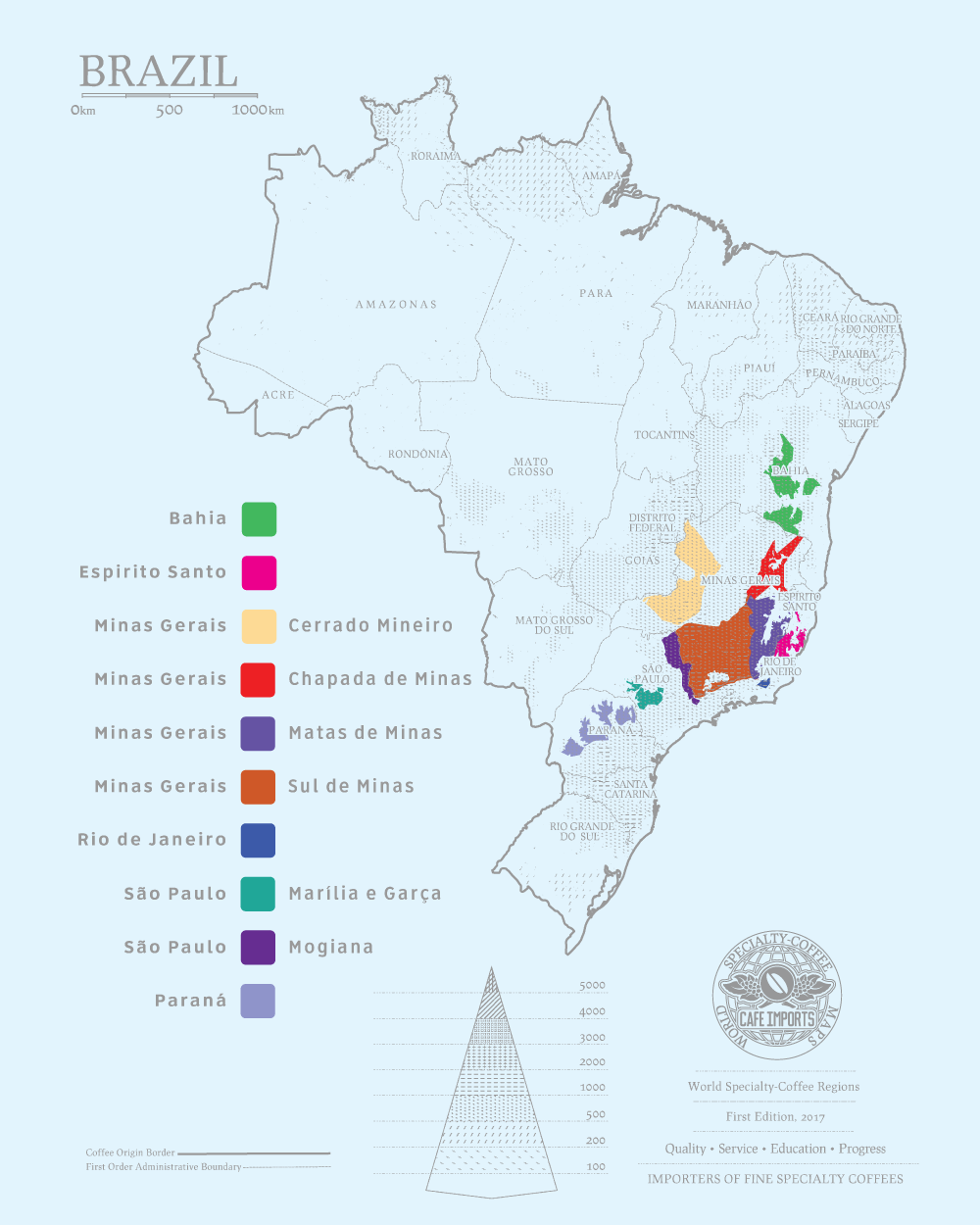
The core parameters of this coffee bean are: Mogiana region (altitude 1400–1950 meters), Yellow Bourbon variety, and refined natural processing. Its flavor profile combines the classic traits of Brazilian coffee with the distinctive character of Yellow Bourbon — against a low-acid backdrop, the cup opens with pronounced nuttiness and caramel sweetness. The mid-palate reveals subtle hints of lemon, while the finish develops into a rich dark chocolate aftertaste. The overall mouthfeel is round and full-bodied yet retains a lively complexity. It serves perfectly as an everyday single origin bean and also showcases the subtle nuances of pour-over brewing techniques.
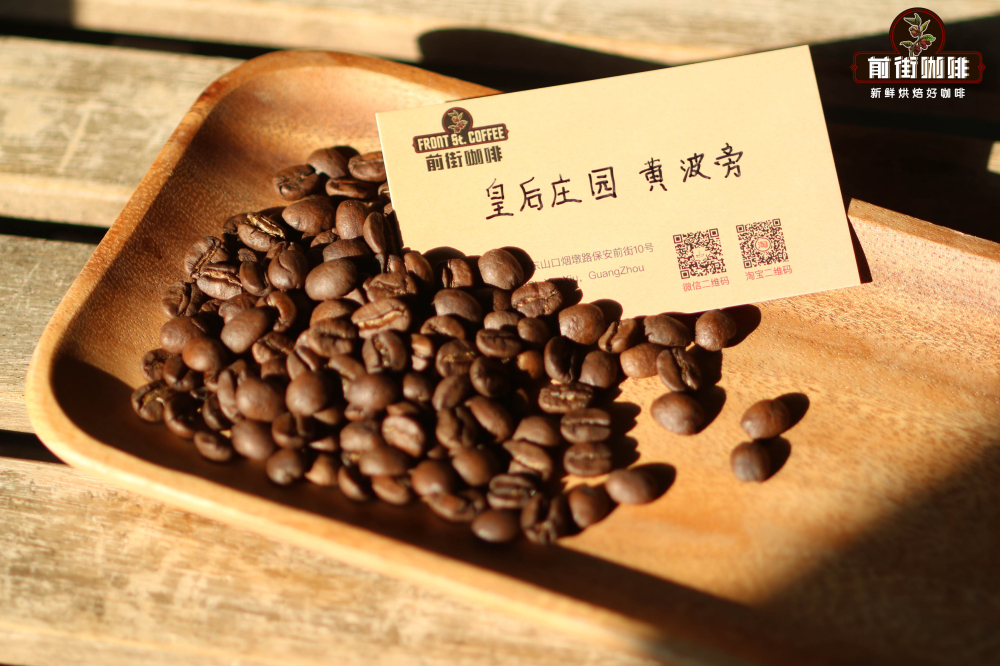
From a roasting perspective, a coffee team determined the optimal profile after four tests: allowing the roast to develop for two minutes after the first crack ends. At this roast level, the coffee’s sweetness is fully accentuated without falling into the trap of overly caramelized monotony. The faint hint of lemon aroma that lingers in the background becomes especially prominent during brewing, while the deep dark chocolate finish adds dimension. This balance perfectly harmonizes Brazil’s traditional strengths with the unique characteristics of the Yellow Bourbon variety.
Recommended pour-over brewing parameters are as follows: use 15 grams of coffee grounds with a 1:15 coffee-to-water ratio (total water volume 225 ml), ground to a medium-fine consistency (approximately BG#6S, equivalent to 68%–72% extraction through a Chinese standard No. 20 sieve). Begin with a 30-second bloom using 30 grams of water to activate the coffee. Then, pour in a slow, circular motion until reaching 125 grams, then pause and wait for the water level to drop just before exposing the coffee bed. Continue pouring until the total reaches 225 grams. Maintain a steady flow rate, and once the water level drops again near the point of exposing the coffee bed, remove the filter. The total brew time should be precisely two minutes.
Common tips include: ① Ensure the coffee bed absorbs water evenly during the bloom phase to avoid localized clumping. ② Avoid pouring too quickly during the mid-stage to prevent over-extraction and bitterness. ③ Given Brazilian coffee’s inherent body, it is recommended to use freshly roasted beans (within 7–21 days post-roast) and begin brewing within 15 minutes of grinding to achieve the best possible flavor expression.
The above content is compiled by CoffeeHunters, a coffee news website.


