







Introduction:Readers who enjoy bold, rich, and low-acidity coffee often find themselves torn between Mandheling and Colombian beans. This article delves into the regional characteristics and processing differences of these two classic origin beans, with a special focus on Indonesia’s Mandheling’s wet-hulled process and the selection criteria for Golden Mandheling. It also introduces the distinctive flavor profile of Colombian coffee beans. Whether you're a beginner at pour over or looking to refine your brewing skills, you’ll find your ideal choice through this comprehensive comparison and practical parameters.
Among coffee enthusiasts, those who seek a full-bodied taste without pronounced acidity are often drawn to Mandheling from Sumatra, Indonesia. This type of coffee typically exudes deep, muted aromas with a thick and heavy mouthfeel, offering an interesting contrast to the commonly seen dark-roasted Colombian coffees. This article will detail the regional background of Mandheling, its traditional wet-hulled processing technique, and the stringent selection process behind Golden Mandheling, which is regarded as a high-quality representative. You’ll also learn about the key flavor traits of Colombian coffee beans, helping you make a more suitable choice based on your taste preferences.
 Many intermediate or entry-level coffee drinkers may be curious about specialty beans like Panama Geisha, but a majority still prefer coffee with a rich body and deep flavors. It’s common for customers walking into a café to ask for a coffee with low acidity and bold taste, and baristas often recommend Mandheling from Indonesia. Even when dark roasted, Mandheling retains its unique richness and deep, muted tones, all closely tied to its growing region and processing method.
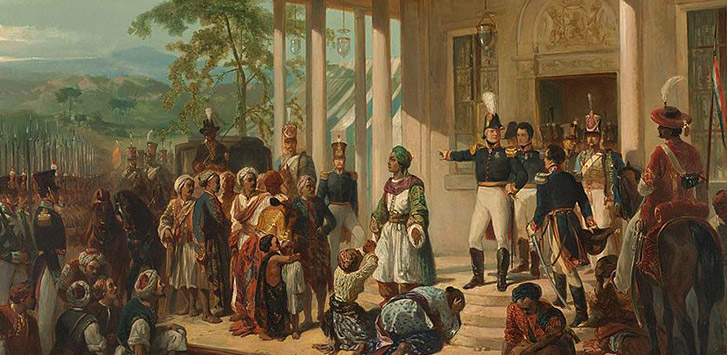
The history of coffee originates in Ethiopia, Africa, but in the late 17th century, due to a surge in demand from the European market, the Dutch introduced coffee seeds to their Southeast Asian colony—West Java, Indonesia. By 1726, up to 50% to 75% of the global coffee trade was controlled by the Dutch. However, the leaf rust disease outbreak in 1877 dealt a devastating blow to Indonesia’s Arabica varieties, prompting many plantations to switch to the more disease-resistant Robusta. To this day, Arabica accounts for only 6% to 10% of Indonesia’s total coffee output, with Robusta remaining the dominant variety.
When it comes to Indonesian coffee, many people think of the two well-known regions: Java and Mandheling. It’s important to note that “Java” refers to coffee produced on the island, while “Mandheling” is not a place name but the result of a historical misunderstanding. Legend has it that during World War II, a Japanese officer tasted a rich-flavored coffee in Indonesia and asked the shop owner what variety it was. Mistaking the question for where he was from, the owner replied “Mandailing.” Due to the similarity in Japanese pronunciation, the name was mistakenly passed on as “Mandheling” and later introduced to Japan by the officer, gradually gaining widespread recognition. Commonly available Mandheling beans are usually divided into premium-grade Golden Mandheling and more affordable everyday drinking beans.
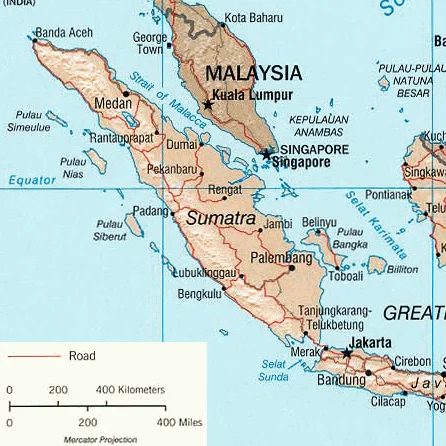
 For consumers new to specialty coffee, facing a wide array of bean options can often be overwhelming. Many cafés offer everyday drinking series, mostly using washed processing methods with relatively approachable prices, helping customers explore different regional characteristics with a lower barrier to entry. Among them, Mandheling everyday beans mainly come from Sumatra’s Lidong region, although production in Aceh has gradually surpassed the traditional Lake Toba area, becoming a major source of Mandheling.
The uniquely bold taste and low acidity of Mandheling are inseparable from the wet-hulled processing technique unique to Sumatra. The region’s climate is perpetually humid and rainy, with limited sunlight making traditional sun drying difficult. In addition, many smallholder farms lack the resources to invest in full-washed processing equipment, leading to the development of this processing method that balances efficiency and unique flavor. The basic procedure involves removing the outer fruit skin, fermenting briefly, then partially drying the parchment-covered beans to a semi-dry state before using a specialized machine to remove the parchment layer, followed by continued drying to reach optimal moisture content.
The hallmark of the wet-hulled process is the early removal of the protective parchment layer, significantly shortening the overall drying time and thereby suppressing acidity development, resulting in a thicker mouthfeel and lower acidity. However, this method carries risks such as increased exposure of the green beans to mold or fungal contamination, and the frictional heat generated during hulling can accelerate bean aging, potentially leading to off-flavors like woody or earthy notes. Therefore, strict control of temperature and time during processing is crucial, as any mishap can affect the final flavor.
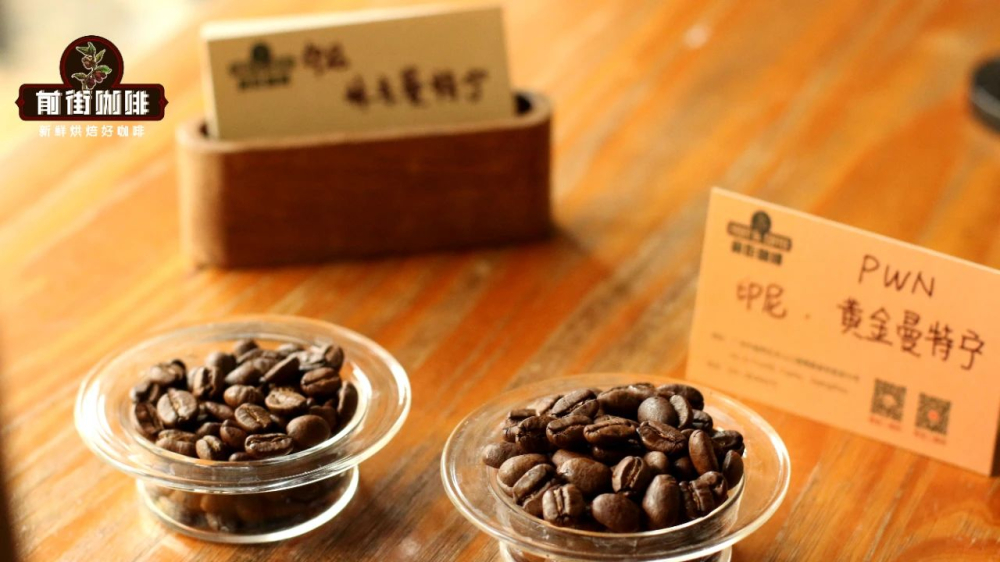
 Among Mandheling products, PWN Golden Mandheling is regarded as the high-quality benchmark. Though pricier and more limited in supply, some merchants, seeking profit, may select larger common Mandheling green beans (typically 18 mesh and above) and put them through multiple rounds of manual sorting to make their appearance similar to Golden Mandheling. However, through professional cupping comparisons, even average consumers or baristas can easily discern the difference. The provided PWN Golden Mandheling is known for its clean flavor profile, which is quite rare among Mandheling beans.
PWN applies extremely strict selection standards for Golden Mandheling. On top of meeting G1 grade criteria (green bean size of 18 mesh and above, with fewer than 3 defects in a 300-gram sample), the beans undergo repeated manual sorting and multiple screening processes. These beans are not only plump, uniform in appearance, and consistent in color, but also exhibit a more noticeable sweetness and clearer layers after brewing, with almost no interference from impurities or off-flavors. Compared to regular Mandheling, its overall performance is purer and more refined.
To preserve the traditional bold character of Mandheling, many roasters opt for medium-dark roasts. For home pour over enthusiasts using Mandheling, here are some recommended practical parameters: use a KONO filter, maintain a water temperature of 88°C, use 15 grams of coffee, set the coffee-to-water ratio at 1:15, and aim for a grind size that allows about 70% of the grounds to pass through a Chinese standard No. 20 sieve. Note that freshly roasted beans usually require a 4 to 7-day rest period. Although some CO₂ has been released, it’s still advisable to perform a 30-second pre-bloom before brewing to help flavors fully develop.
Here’s a suggested pouring procedure: begin by pouring about 30 grams of hot water for blooming and let it sit for 30 seconds; then, starting from the center of the coffee bed, slowly pour in a thin stream of water in a circular motion until you reach 125 grams; when the water level is about to expose the coffee grounds, pour another circular stream until the total reaches 225 grams. This method effectively extracts Mandheling’s rich notes of nuts, chocolate, and caramel, while maintaining a full body.
In terms of flavor,Golden Mandhelingtypically showcases intense nutty tones paired with caramel and chocolate aromas, a long and layered aftertaste, and a clean, non-muddy mouthfeel; whereasLidong Mandhelingoffers a base of herbal and dark chocolate notes, with subtle hints of melon-like aroma emerging as it cools slightly, making it suitable for drinkers who enjoy diverse flavor variations. By understanding these details, you’ll be better equipped to select and brew the Mandheling coffee that best suits your palate.
The above content is compiled by CoffeeHunters, a coffee news website.


