







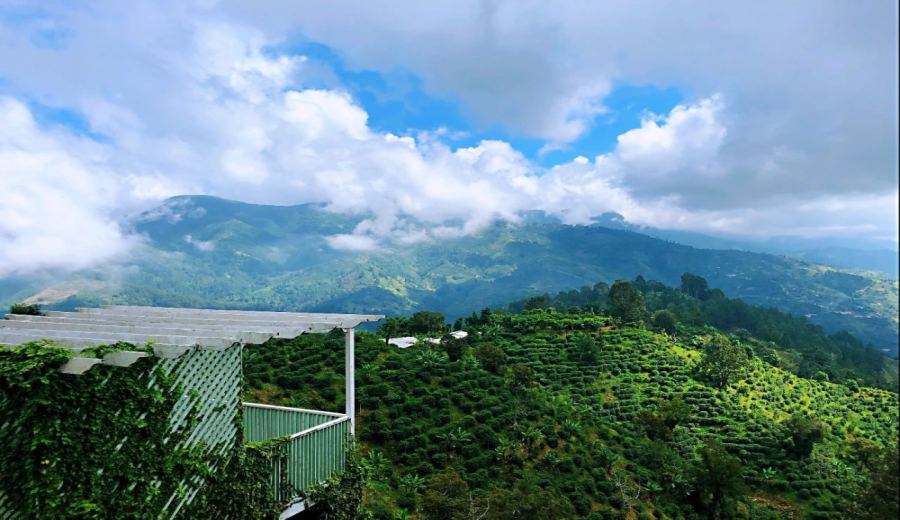
Introduction:Jamaican Blue Mountain coffee is hailed as the pinnacle of specialty coffee worldwide, yet the market is flooded with products of varying quality. This article delves into the history, six key identification markers, three main growing regions, and the stringent CIB certification and No.1 grade standards of authentic Blue Mountain coffee. It also details the characteristics and production shares of four renowned estates—Wallenford, Mavis Bank, CLYDESDALE, and Clifton Mount Farm—while providing expert pour over recommendations and real flavor profiles to help you select and brew the most genuine Blue Mountain experience.
Jamaican Blue Mountain coffee has long been a dream-grade item for coffee enthusiasts around the globe. Its unique balance and elegant aroma have secured its irreplaceable status in the specialty coffee scene. However, the market is saturated with various products labeled as “Blue Mountain.” So, which ones are truly authentic and sourced from the Jamaican Blue Mountain region? This article will guide you through a comprehensive understanding of Blue Mountain coffee—from its historical background, regional distribution, official grading, to famous estates—while offering practical pour over tips and flavor insights.
The Value and Market Status of Blue Mountain Coffee
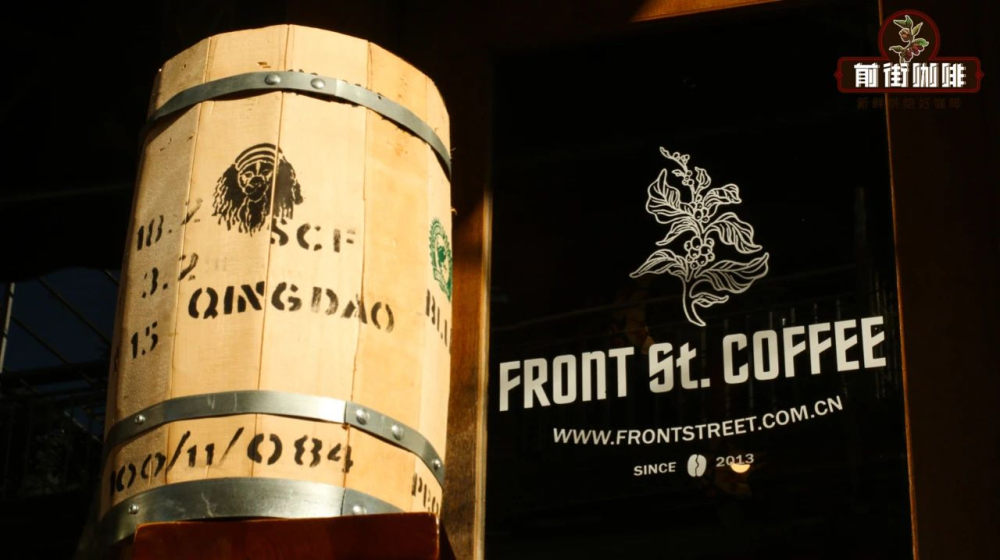
An authentic Jamaican Blue Mountain No.1 coffee may come with a premium price tag, but every sip delivers an irreplaceable depth and refined texture. Generally, the price of Blue Mountain No.1 ranges from about NT$150 to NT$180 per 100 grams, with a brewing cost of approximately NT$60 per cup. Behind this price lies not only the rarity of the growing conditions but also strict official certification and export quality control mechanisms. Every batch of exported Blue Mountain coffee must be certified by the Jamaica Coffee Industry Board (CIB) and shipped in barrels marked with a distinctive green frog logo—a key identifier of genuine product in the market.
The History of Blue Mountain Coffee
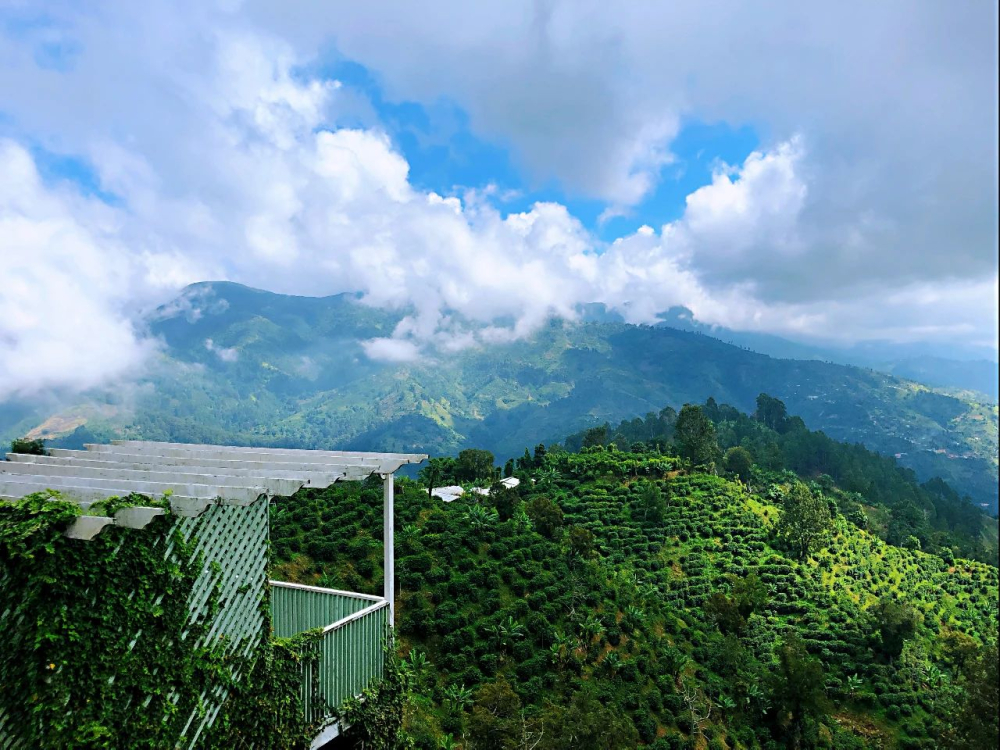
The history of coffee cultivation in Jamaica dates back to the early 18th century. In 1717, King Louis XV of France ordered the planting of coffee in the region, and by the 1720s, then-Jamaican Governor Sir Nicholas Lawes introduced Arabica seeds from Martinique and promoted their cultivation in the St. Andrew area—the birthplace of Blue Mountain coffee. Over time, it gradually diverged into three categories: high-altitude Blue Mountain coffee, mid-level High Mountain coffee, and general Jamaican coffee. These three types differ not only in altitude but also significantly in flavor and price.
The Three Core Growing Regions of Blue Mountain Coffee
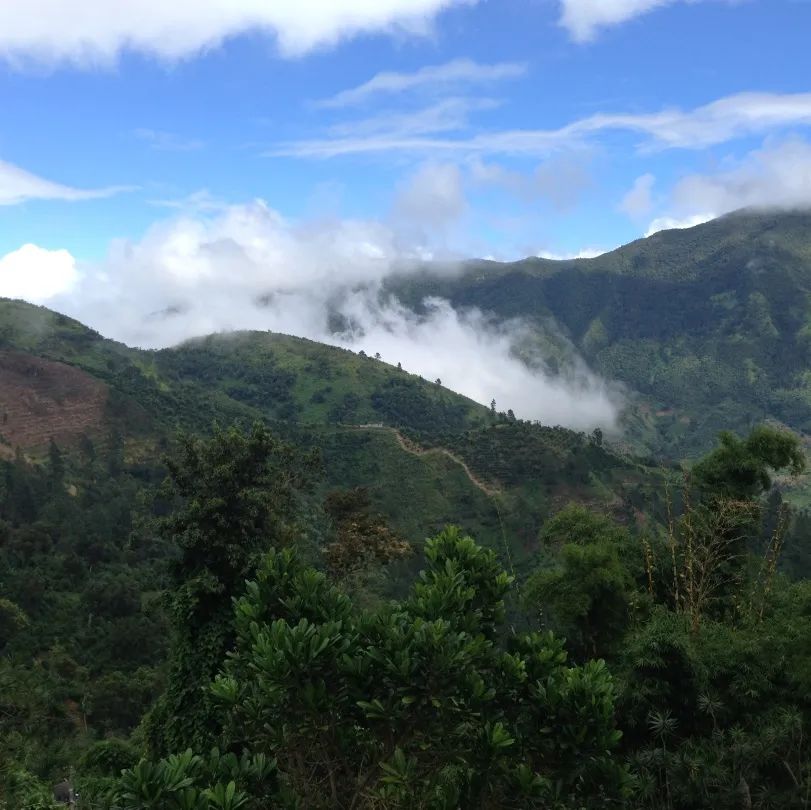
The planting area of Jamaican Blue Mountain coffee is relatively small, totaling only about 6,000 hectares, primarily concentrated in three main regions: St. Andrew, Portland, and St. Thomas. These areas are located in the Blue Mountains, all above 1,000 meters in elevation, with elevations above 1,200 meters being particularly conducive to producing high-quality Blue Mountain No.1 coffee. In addition to well-known large estates such as Wallenford and Mavis Bank, there are also some small to medium-sized family-run farms, such as Wallenford Estate, Silver Hill Estate, and Atlanta Estate. These estates have been operated by local families for over two hundred years. Though modest in scale, they are important bearers of Blue Mountain culture.
Understanding the Six Official Markers of Jamaican Coffee
To ensure the authenticity of Blue Mountain coffee, the Jamaican government has established the world’s only government-level coffee regulatory body—the Jamaica Coffee Industry Board (CIB). Affiliated with the Ministry of Agriculture and Fisheries, the CIB oversees every aspect from cultivation techniques and processing methods to quality control and fair trade. The CIB stipulates that only coffee beans grown at altitudes above 2,200 feet (approximately 666 meters) in the Blue Mountains qualify as “Jamaican Blue Mountain Coffee.” They are further classified by bean size and processing method into NO.1, NO.2, NO.3, and Peaberry (abbreviated as PB). Among these, NO.1 is the highest grade, requiring a bean size of 17 mesh or larger, a defect rate below 3%, and moisture content controlled at around 13%. It is the most highly regarded premium grade in the market.
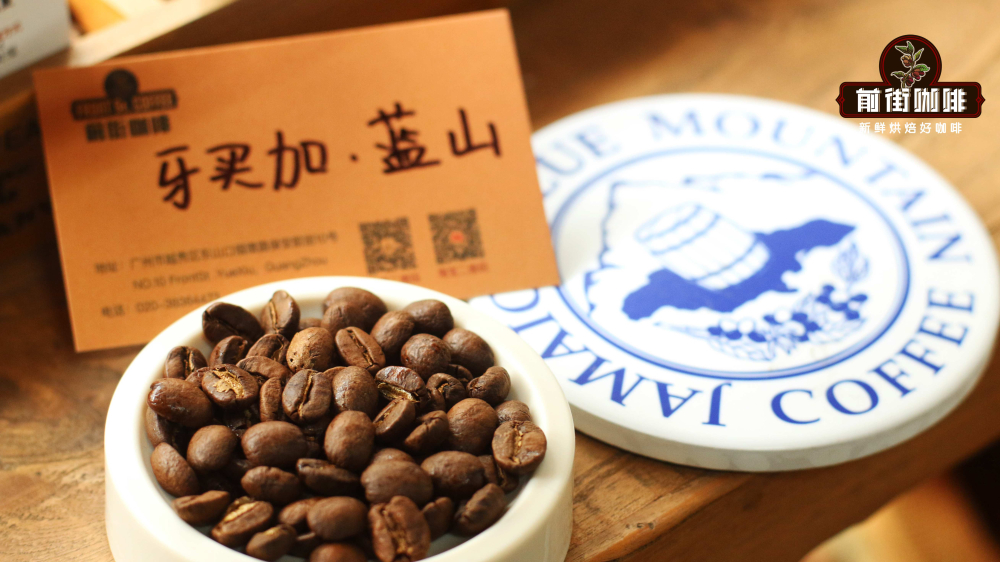
On packaging, you may also encounter six official certification marks such as M.B.C.E (Mavis Bank Central Factory), M.H.C.C.T. (Blue Mountain Coffee Cooperative Factory), and P.X.X.S.H. (Portland Blue Mountain Coffee Cooperative Factory). These are key indicators for identifying genuine products.
The Four Renowned Estates of Blue Mountain Coffee
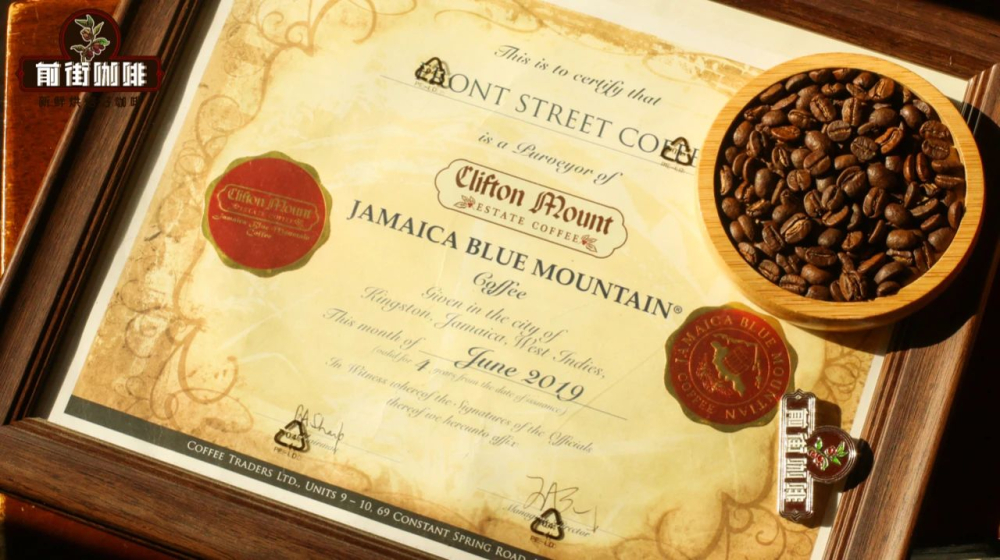
Among the many Blue Mountain coffee estates, Wallenford, Mavis Bank, CLYDESDALE, and Clifton Mount Estate (also known as Clifton Farm) are widely recognized as the four most representative and prestigious estates. Wallenford consistently accounts for over 60% of total Jamaican Blue Mountain production, with its stable output and high-quality control standards making it the main supplier in the market. Mavis Bank produces not only Blue Mountain coffee but also High Mountain and Special selections, accounting for about 20% of production. CLYDESDALE is renowned for its coffee factory located halfway up the Blue Mountains at around 1,200 meters in elevation, situated right next to the CIB office, reflecting its rigorous quality management. Clifton Mount Estate is known for its rainforest certification and elegant flavor profile, making it a preferred supply source for many specialty coffee shops.
The Grading System of Blue Mountain Coffee
According to CIB regulations, Blue Mountain coffee can be divided into three categories: Blue Mountain Coffee, Jamaica High Mountain Supreme, and Jamaica Prime. Each category is further subdivided into different grades, with Blue Mountain Coffee graded from highest to lowest as NO.1, NO.2, NO.3, and Peaberry (PB).NO.1 must meet criteria of 17/18 mesh size, a defect rate below 2%, and offer the most balanced acidity, sweetness, bitterness, richness, and aromatic profile.It is an unmissable choice for top-tier coffee enthusiasts.
Pour Over Recommendations and Flavor Profile
To fully experience the delicate layers of Blue Mountain coffee, it is recommended to use a medium grind (approximately 75% passing through a 20-mesh sieve), 15 grams of coffee grounds with 225 milliliters of water, and a water temperature of 88°C. Use a Kono filter for a three-stage extraction: begin with a 30-second bloom using 30 grams of water, then pour in a slow, steady stream until 125 grams for the first pour, and finally add water up to 225 grams. The total extraction time should be about 2 minutes. These parameters will effectively highlight the unique dark chocolate and nutty aromas of Blue Mountain coffee, delivering a smooth, buttery texture and an exquisitely balanced sweet and acidic taste.
The above content is compiled by CoffeeHunters, a coffee news website.


