







Introduction:Panamanian Geisha coffee has recently risen to become a representative of top-tier specialty coffee, with its distinctive floral, berry, and honey notes leaving a memorable impression. This article delves into the origin and evolution of the Geisha variety, explores the terroir characteristics of core producing regions such as Panamá’s Finca Esmeralda, and details the pour over brewing parameters and three-stage pouring technique for Red Label Geisha, helping coffee enthusiasts master the key brewing points and savor the refined flavors of Geisha.
Nowadays, when it comes to specialty coffee, “Panamanian Geisha” has almost become synonymous with top-tier flavor. Especially in the auction market and among coffee enthusiast circles, this variety—originating from Ethiopia but flourishing brilliantly in Panama—has won countless praises with its unique floral, berry, and honey layers. This article will start with the historical background of the Geisha variety, taking you through how it evolved from wild African seeds, passed through Kenya and Costa Rica, and finally shone at Finca Esmeralda in Panama. We will also analyze the terroir factors behind its flavor profile and provide practical pour over recommendations and parameters so you can brew a distinctly flavorful cup of Geisha coffee at home.
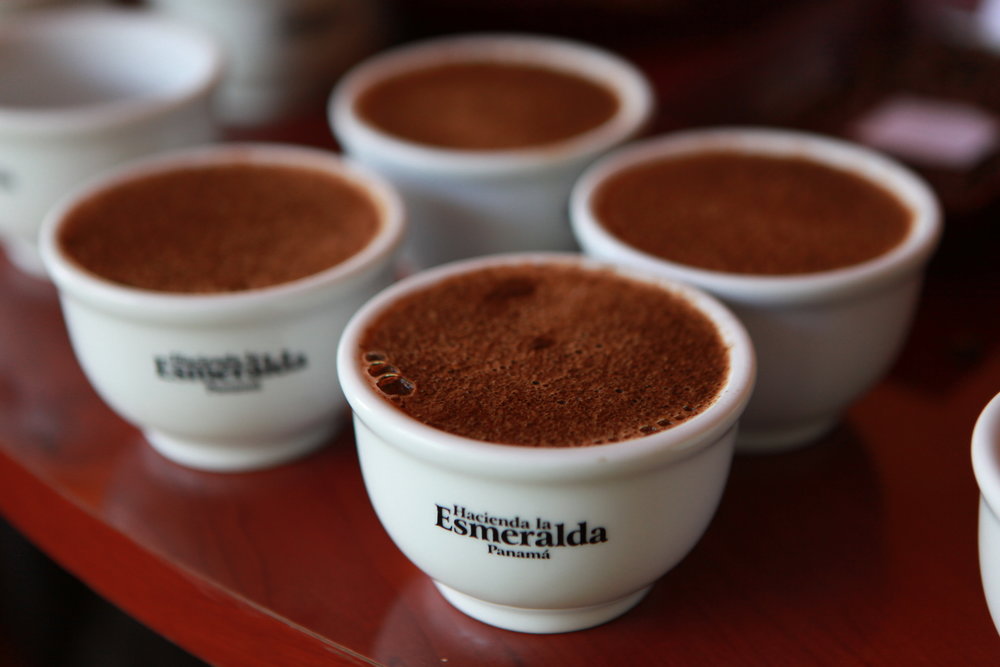
When mentioning high-level coffee origins, many coffee enthusiasts’ answers have shifted from traditional dark roast, bold styles to those with more layers and fruity notes. If asked which producing region can represent the pinnacle of specialty coffee, “Panamanian Geisha” is often the top choice. However, there are many coffee beans labeled as “Geisha” on the market, originating from places ranging from Panama to Ethiopia, often confusing consumers. Especially among the many farms in Panama, Finca Esmeralda is seen as a classic representative, and its Red Label Geisha is widely praised for its consistently high quality. Yet, when encountering Geisha beans labeled as originating from Ethiopia, many consumers also wonder: what exactly is the real Geisha?
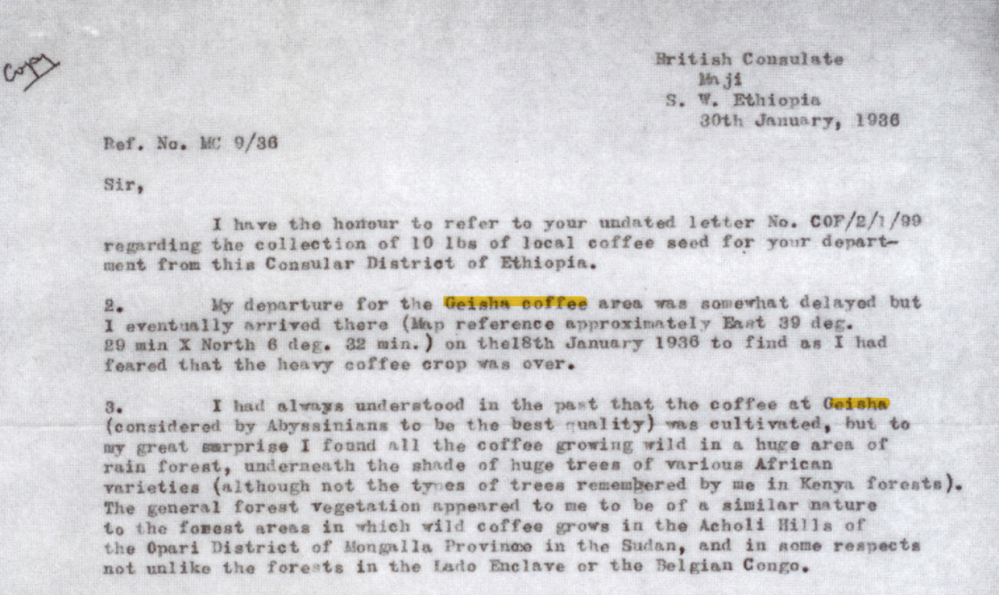
The history of Geisha can be traced back to Ethiopia—the country with the most native coffee varieties in the world. As early as the 1930s, British colonial officer Colonel Wallis was tasked with collecting wild coffee seeds in Ethiopia, where he noticed a variety known as “Geisha.” He labeled these seeds uniformly as GEISHA and shipped them to the British Embassy in Kenya. Between 1931 and 1936, these seeds were cultivated and selected in Kenyan fields, with some later sent to the Lyamungu Research Center in Tanzania for further breeding, eventually developing five Geisha lineages: VC496 to VC500. Among them, VC496 gained significant attention for its excellent resistance to leaf rust.
Subsequently, the Centro Agronómico Tropical de Investigación y Enseñanza (CATIE) in Costa Rica received VC496 from the Lyamungu Research Center in 1953 for disease resistance research, renumbering it as T2722. By the 1960s and 1970s, as leaf rust ravaged Central America, Mr. Don Pachi, an official from Panama’s Ministry of Agriculture, introduced T2722 seeds to local plantations in 1963. However, due to Geisha’s low yield and fragile plants, it was long overlooked, with growers favoring higher-yielding varieties like Caturra and Catuaí.
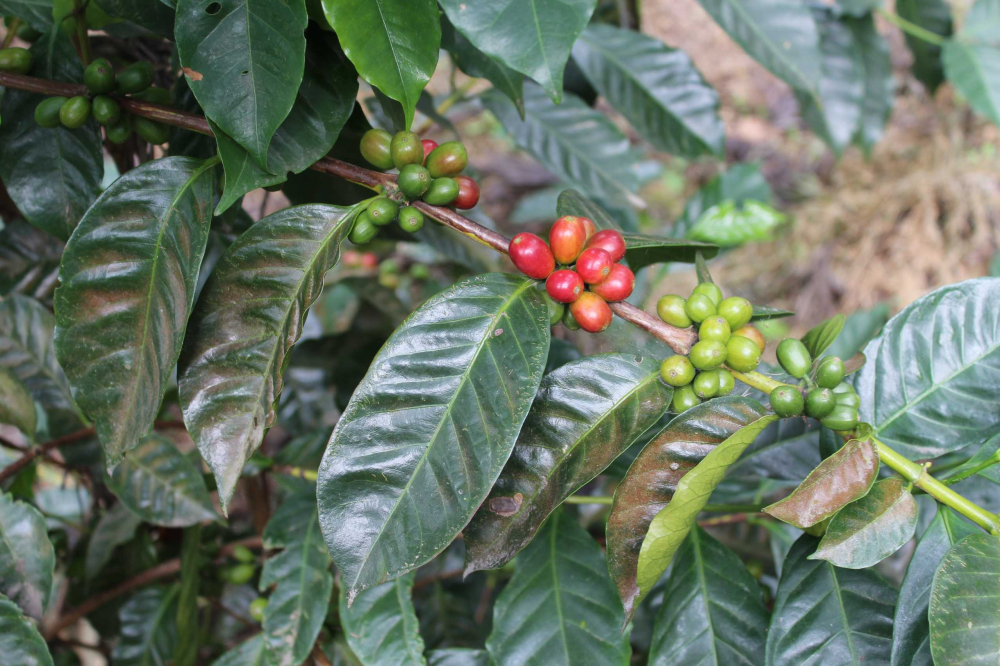
The turning point came in the 2004 Best of Panama (BOP) competition, when the then little-known Finca Esmeralda stunned judges with a coffee exhibiting multiple flavors of “floral, citrus, berry, and honey,” winning the high-priced championship. It was later confirmed that this coffee was the Geisha variety. Since then, farms across Panama began searching for Geisha trees within their properties and gradually expanded cultivation. Geisha thus became a star variety in the specialty coffee world. Not only in Panama, but subsequently other producing regions such as Costa Rica, Honduras, Bolivia, El Salvador, and even Yunnan in China also started growing Geisha, though the flavor performance has consistently been surpassed by Panama.
The flavor profile of Geisha coffee is highly distinctive, with bright acidity, delicate floral notes, paired with berry sweetness and a honey-like finish, captivating many coffee aficionados. However, even for the same variety, differences in regional terroir, altitude, and processing methods can lead to vastly different flavor expressions. Many enthusiasts who have tasted Geisha from various regions say that the layered complexity and clarity of Panamanian Geisha remain unmatched, closely tied to the region’s fertile volcanic soil, high-altitude environment, and unique combination of microclimates.
If you wish to experience the authentic charm of Panamanian Geisha, the Red Label from renowned farms is an essential choice. These farms set strict standards for their Red Label products: the coffee beans must come from altitudes above 1,700 meters, and cupping scores must reach 90 or higher. A certain coffee brand previously selected Red Label Geisha from the Mario plot at Jaramillo Farm, using traditional natural (sun-dried) processing to fully preserve fruitiness and sweetness, with a medium-light roast highlighting the floral and fruity profile.
To fully showcase the refined flavors of this Geisha, it is recommended to use a Hario V60 filter, with water temperature controlled at 90°C, a coffee dosage of about 15 grams, a coffee-to-water ratio of 1:15, and a grind size that allows approximately 80% of the particles to pass through a No. 20 Chinese standard sieve. For brewing, a three-stage pouring technique is advised: start with 30 grams of hot water for a 30-second bloom to help release CO₂ and reduce astringency. Then pour in a circular motion from the center outward up to 125 grams, followed by pouring up to 225 grams. The total extraction time should be around 2 minutes, allowing for clearer flavor layers.
By following the above pour over parameters and steps, you will be able to brew a cup of Panamanian Esmeralda Red Label Geisha rich in berry juice notes, pronounced red floral aromas, and a lasting honey aftertaste, personally experiencing the unique charm of this top-tier coffee.
The above content is compiled by CoffeeHunters, a coffee news website.


