







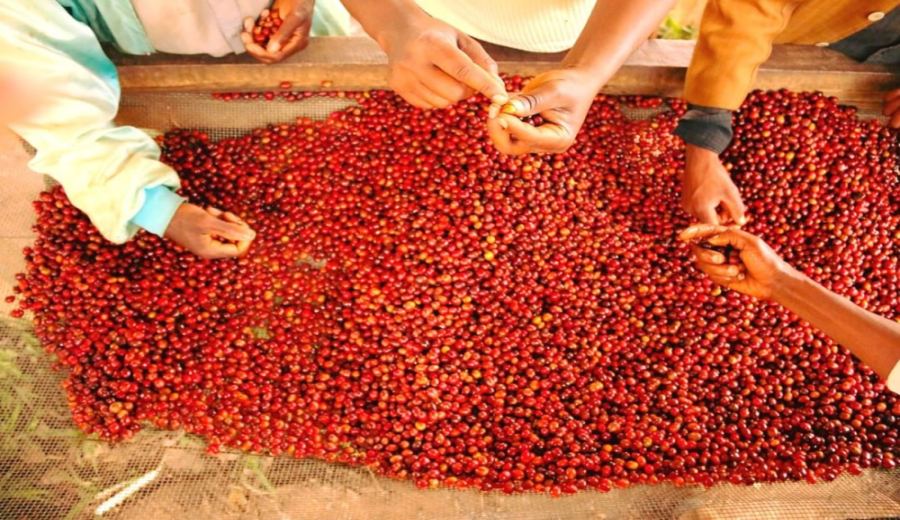
Introduction:Yirgacheffe is the most representative specialty coffee region in Ethiopia, renowned for its bright citrus acidity and floral-fruity aromas. This article delves into Yirgacheffe’s coffee bean grading standards, the flavor profiles of sun-dried and washed processing methods, suitable roast levels, and provides practical pour-over extraction parameters and flavor descriptions to help you find the most suitable Yirgacheffe beans based on your personal taste.
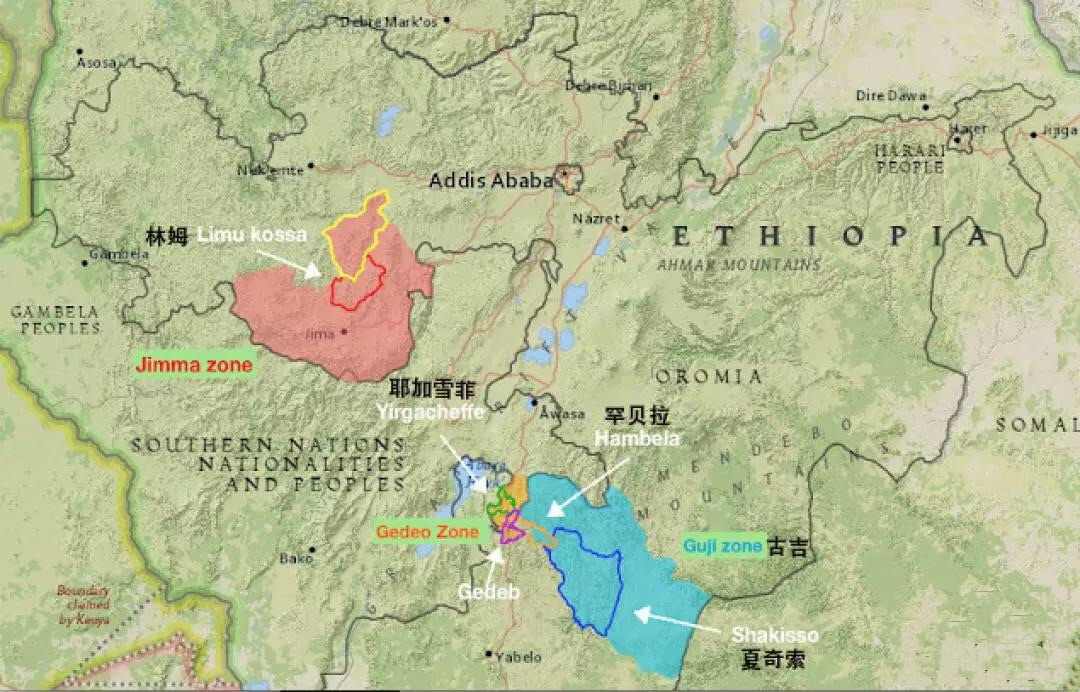
Located in southern Ethiopia, Yirgacheffe was originally part of the Sidamo region but became an independent area due to its unique coffee flavors. As one of the world’s top specialty coffee origins, Yirgacheffe is known for its high-altitude cultivation environment (around 2,000 meters or above) and smallholder cooperative farming model. The beans produced here exhibit distinct citrus, floral, and tea-like characteristics, making it a top choice for many coffee enthusiasts trying African beans for the first time.
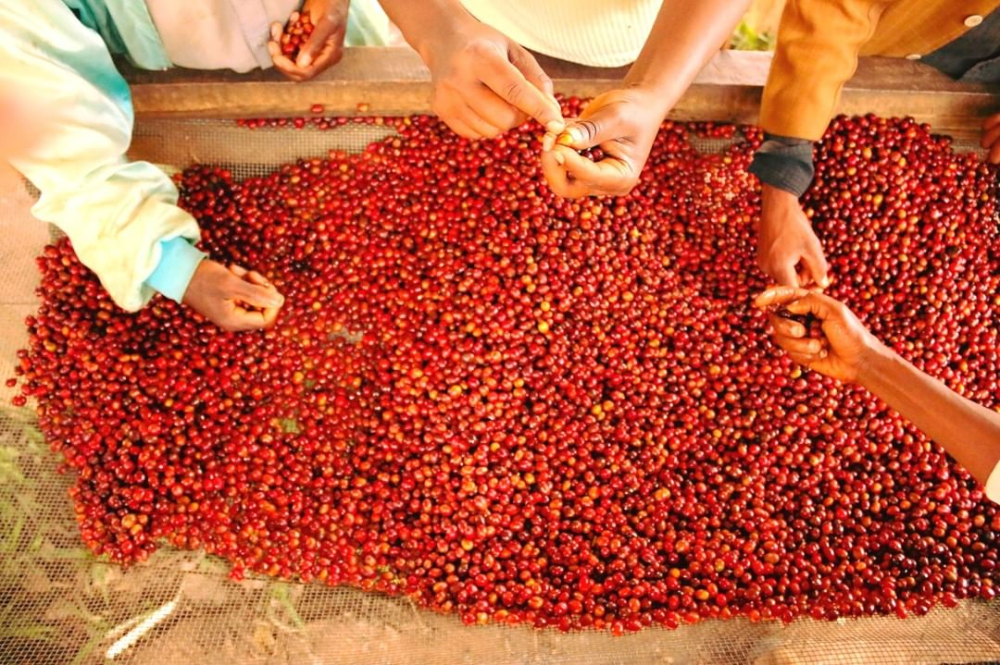
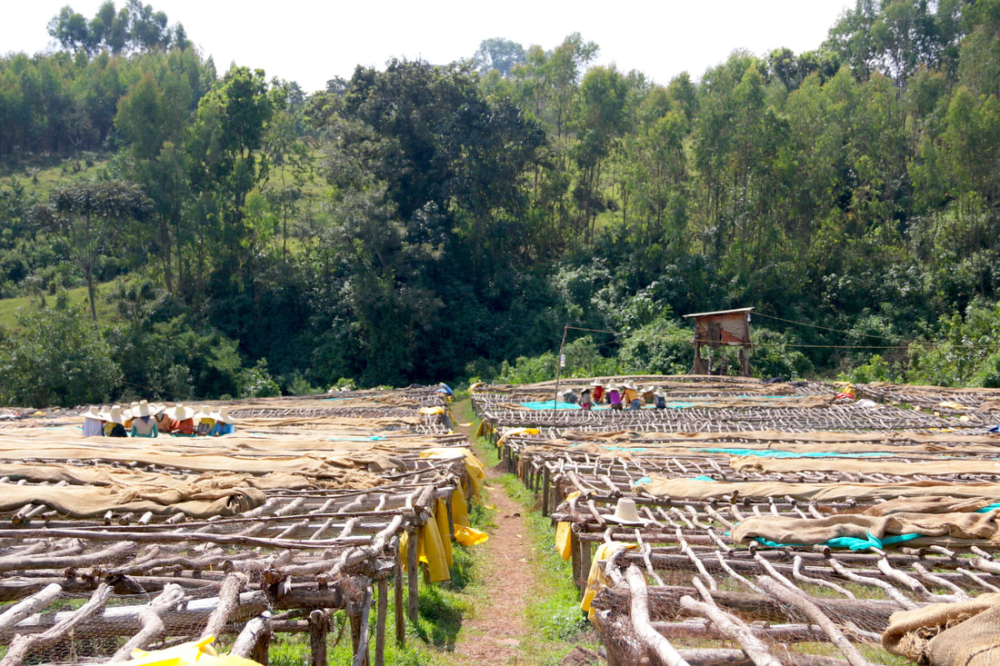
Yirgacheffe coffee beans are primarily processed using two methods: sun-dried and washed. These two methods not only differ significantly in appearance but also directly influence the flavor direction of the coffee. Washed Yirgacheffe typically showcases cleaner, brighter acidity with notes of citrus, green tea, or jasmine; whereas sun-dried versions tend to have richer flavors, often featuring fermented wine-like aromas, honey sweetness, and thick fruitiness, with a longer aftertaste.
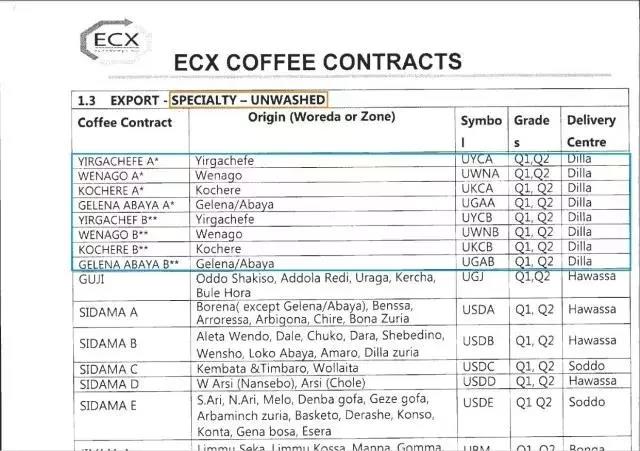
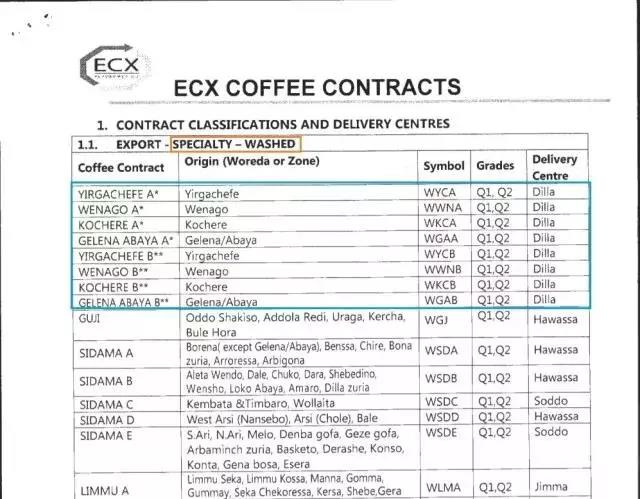
The Ethiopian Commodity Exchange (ECX) has established a strict grading system for coffee beans, primarily evaluating them based on defect rates and cupping quality. The defect rate calculation is as follows: in a 300g sample of green beans, 3 or fewer defects classify as Grade G1, while 4–12 defects are Grade G2. For cupping scores, according to SCA (Specialty Coffee Association of America) standards, 85 points and above are Q1 (specialty grade), while 80–84.75 points are Q2. Therefore, a high-quality Yirgacheffe often comes from batches graded G1 or G2 with high cupping scores.
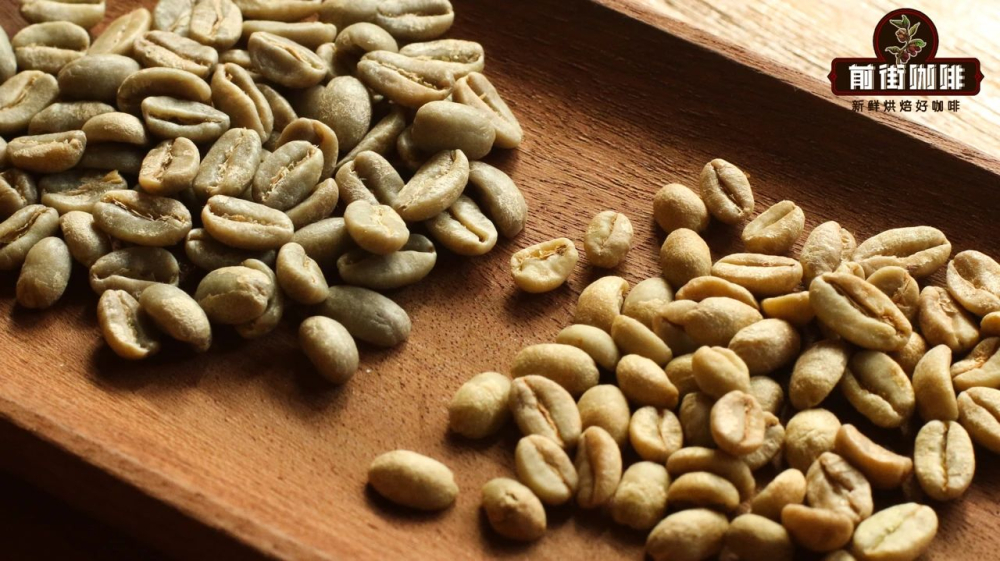
In terms of processing, although Ethiopia introduced washing technology as early as 1972, traditional sun-dried processing still holds its place. Washed processing removes the fruit pulp through fermentation, resulting in clearer, cleaner coffee flavors with bright acidity and a refreshing taste; sun-dried processing allows the coffee cherries to fully ferment under the sun, preserving the sugars and fermentation compounds in the pulp, leading to richer sweetness, wine-like aromas, and complex fruit tones. Visually, washed beans are mostly bluish-green, while sun-dried beans tend to be yellowish-green. There are also noticeable differences in silver skin residue after roasting—washed beans show more, while sun-dried beans have almost none.
To fully highlight the delicate flavors of Yirgacheffe, light roasting is recommended. This roast level preserves the beans’ original acidity, floral notes, and fruity characteristics, suitable for both washed and sun-dried processing. Although medium or even dark roasts of Yirgacheffe are available in the market—where acidity diminishes and body increases—the mainstream market and coffee professionals still recommend light roasting to emphasize its regional terroir.
When pour-over brewing Yirgacheffe, it is recommended to use a V60 filter, with water temperature controlled at around 90°C, a powder-to-water ratio set at 1:15 (e.g., 15g of coffee to 225g of water), and grind size suggested to be around 80% passing through a Chinese No. 20 sieve (similar to BG #5F). Notably, it’s best to sift the grounds before choosing the grind size to ensure uniformity and avoid unstable extraction due to uneven grinding. If no sifting tool is available, you can also observe the water flow speed during pouring: too fast indicates the grind is too coarse, while too slow may mean it’s too fine.
For actual pour-over brewing, it is advised to use a staged extraction method: first pour double the amount of water by coffee weight (e.g., 30g of water for 15g of coffee) for a 30-second bloom, then pour in small circles until reaching 125g, wait for the water level to drop, and then pour up to 225g. The total extraction time is recommended to be around 2 minutes. This method helps achieve even extraction and avoids over-extraction or excessive acidity.
In terms of flavor, washed Yirgacheffe displays a fresh and lively lemon acidity, paired with citrus aromas and a gentle tea-like mouthfeel, resulting in a clean and layered taste profile; whereas sun-dried Yirgacheffe carries prominent fermented wine-like aromas, with outstanding sweetness and a rich, full-bodied flavor, often featuring honey, tropical fruits, and cocoa in the aftertaste, leaving a long and warm finish. Although their flavor directions differ, both possess Yirgacheffe’s signature fruity acidity and juice-like sensation, making them excellent entry points for exploring African specialty coffee.
The above content is compiled by CoffeeHunters, a coffee news website.


