







Introduction:This article delves into the double anaerobic washed coffee beans produced by Colombia’s Finca El Paraíso, dissecting the unique origins of its flavor through the estate’s background, variety characteristics, and processing methods. We also provide detailed pour over parameters and practical brewing suggestions to help you fully showcase the citrus, spice, and floral layers of this coffee — beneficial for both beginners and advanced enthusiasts.
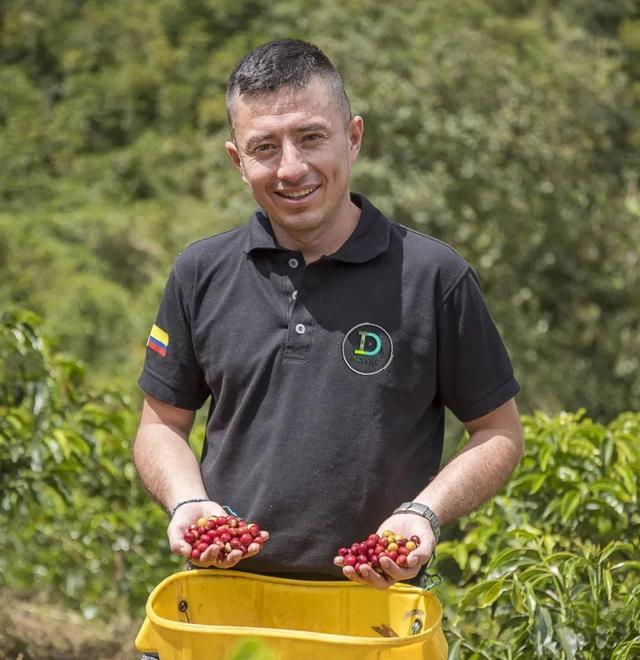
In recent years, Luckin Coffee has frequently launched buzzworthy products in the market, one of which is an SOE coffee bean sourced from Colombia’s Finca El Paraíso. This successfully introduced more consumers to this coffee estate renowned for its innovative processing methods. Finca El Paraíso was taken over by its owner, Diego Samuel, in 2008. Initially a small family farm of just 2.5 hectares, it has continually invested in research and improved both cultivation and post-harvest techniques. By 2015, it began to stand out in regional competitions, earning professional recognition.
Finca El Paraíso is located in Colombia, a country that has long been one of the pioneers in specialty coffee and special processing methods, especially in the use of anaerobic fermentation techniques. The estate leverages its technology company, Indestec, to actively develop stable processing methods that enhance flavor expression. These methods allow the coffee to not only reflect regional characteristics but also present more layered fermentation profiles, such as unique aromas like strawberry, yogurt, and even cherry blossom.
The coffee beans introduced here are processed using the “double anaerobic washed method,” which is a relatively advanced post-harvest technique in the specialty coffee industry. First, the harvested coffee cherries are placed in an oxygen-free environment for the first fermentation. After reaching specific time and condition criteria, the pulp and skin are removed, leaving the beans coated with mucilage. Then, these mucilage-covered beans are placed in a sealed container for a second anaerobic fermentation. Through precise control of the dual anaerobic environment, the coffee is endowed with a richer and more complex aromatic profile.
After the anaerobic stage, the beans undergo traditional washed processing to remove residual mucilage, followed by moderate sun drying to stabilize the moisture content at around 11%, ensuring consistent quality for subsequent storage and roasting.This process not only helps delay deterioration but also highlights delicate acidity and aroma expression..
The coffee variety used here is Castillo, one of the disease-resistant varieties widely grown in Colombia. This variety can be traced back to 1961, when CENICAFE (Colombian Coffee Research Center) initiated a breeding program to combat coffee leaf rust. After years of development, it was officially launched in 2005. Castillo offers good resistance to disease, especially after the major outbreak of coffee leaf rust in 2008, quickly becoming one of the main cultivated varieties in the region. Its stable yield and flavor performance have also made it a foundational choice for many specialty estates.
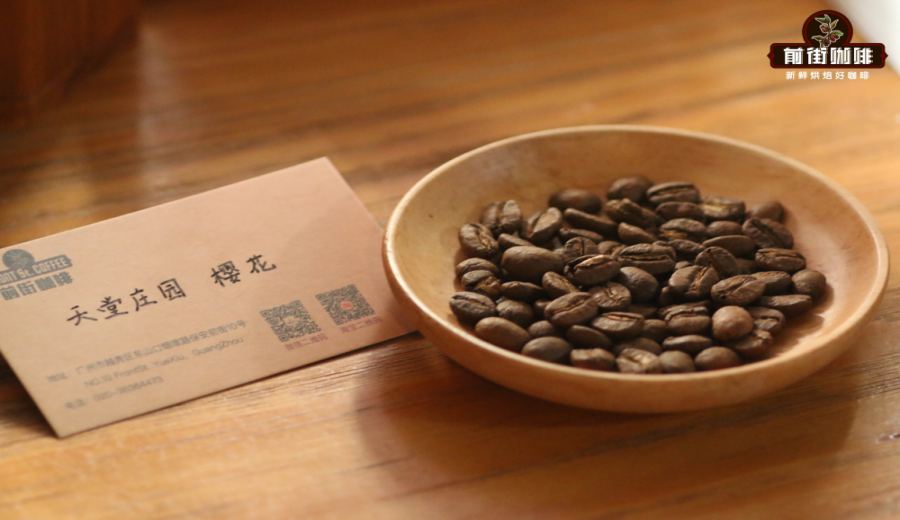
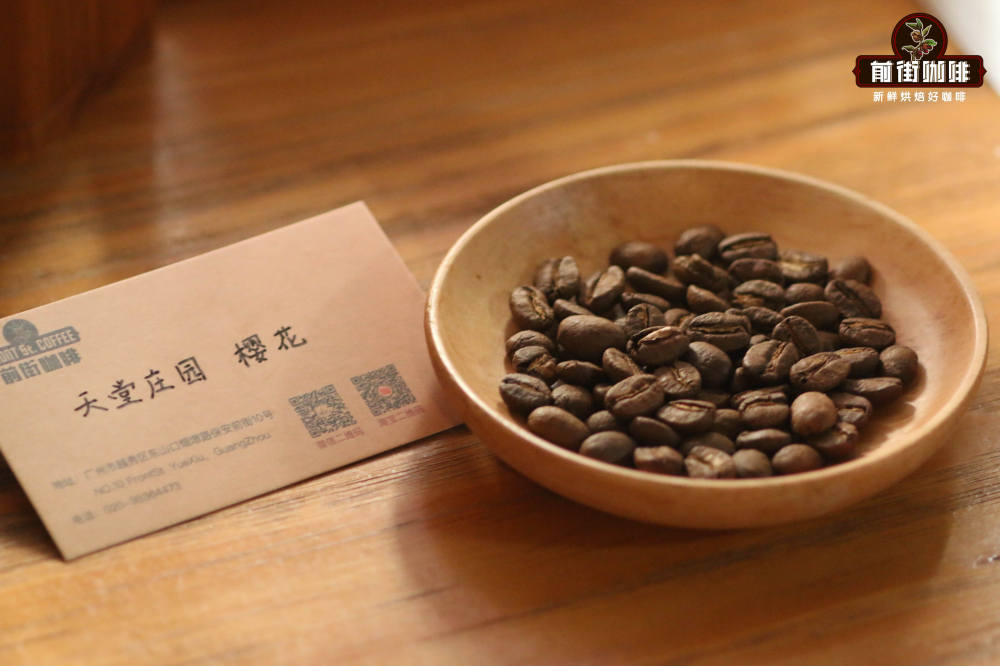
For roasting, to fully highlight the unique aromas and layers of this coffee, a light roast is recommended. This roast level preserves the fruitiness and delicate floral notes of the coffee itself while avoiding over-roasting that could mask the refined flavors brought by the fermentation process. According to actual cupping results, this double anaerobic washed coffee bean from Finca El Paraíso often exhibits herbal elements such as mugwort, basil, and mint, along with the sweetness of berries and a faint osmanthus aroma. The overall profile is balanced and richly varied.
If you plan to brew it yourself at home using pour over, it is recommended to use freshly roasted beans — ideally within five days of roasting, when the beans’ flavors are at their peak and can fully display their complexity and layers. The resting period for the coffee beans is generally 4 to 7 days, and the moment right after opening the bag is often when the flavor expression is most vibrant.
Below are the recommended pour over parameters: coffee dose of 15 grams, a coffee-to-water ratio of 1:15, water temperature of 91°C, and grind size adjusted to about 80% passing through a 0.85mm sieve — equivalent to medium-fine grind, suitable for use with a Hario V60 #01 filter. Specifically, start with a 30-gram bloom for about 30 seconds; then pour 95 grams of water for the second stage, bringing the total to approximately 125 grams by around 1 minute and 5 seconds; finally, pour 100 grams in the third stage for a total of 225 grams, aiming for a total brew time of around 1 minute and 45 seconds. Since it is an anaerobically processed coffee, it is suggested to keep the extraction time slightly shorter than that of regular washed beans to avoid over-extraction and flavor imbalance.
In terms of overall flavor, this coffee presents distinct spice notes and citrus acidity, with a smooth mouthfeel accompanied by soft floral tones. It has a medium body and is highly suitable for coffee lovers who enjoy distinctly layered and delicately aromatic cups. Whether as a daily drinker or a selection for specifically appreciating special processing methods, it offers a rewarding experience.
The above content is compiled by CoffeeHunters, a coffee news website.


