







Introduction:Although Panama is a small Central American country, its unique geography has nurtured some of the world’s finest coffees. This article takes an in-depth look at the three major regions—Boquete, Volcán, and Renacimiento—and explores the differences in altitude, microclimate, and processing methods. You’ll also learn how Geisha rose from an obscure variety to become the pinnacle of specialty coffee. From the Typica at Elida Estate to the wine fermentation process at Hartmann, discover key flavor profiles and roasting essentials that will take you from novice to true coffee connoisseur.
Panama, this isthmus nation nestled between the Caribbean Sea and the Pacific Ocean, owes its pivotal role in the global specialty coffee scene to the complex microclimates created by its central mountain range. Plantations located above 1,000 meters, combined with cool mountain breezes and volcanic soil, allow coffee beans to develop intense fruity aromas and bright acidity. Among them, the three major regions of Boquete, Volcán, and Renacimiento produce top-tier beans with distinctly unique terroirs.
Located in the province of Chiriquí,the Boquete regionis one of the oldest coffee-growing areas in Panama. With altitudes ranging from 400 to 1,900 meters and an average annual temperature of around 18°C, the morning fog effectively reduces daytime temperature fluctuations.The Elida Estate at 1,850 metersis one of the highest-altitude coffee-growing areas in the country. The region primarily grows Typica and Geisha, using traditional washed processing methods, resulting in coffee with a full body and nutty flavor notes. While the area has well-developed infrastructure, in recent years, the rise of tourism has led some farms to transform into resort estates, affecting coffee production.
Coffee from theVolcán region, such as the wine-processed offering from the Hartmann Estate, showcases a completely different flavor profile. Situated at an altitude of 1,250–1,700 meters with less annual rainfall than Boquete, its volcanic ash soil is rich in minerals. Combined with wine fermentation techniques, it imparts deep berry aromas and a silky mouthfeel.Founded in 1912, the Hartmann familyis known for its scientific cupping practices and rigorous management. Its state-level laboratory ensures consistent quality across every batch.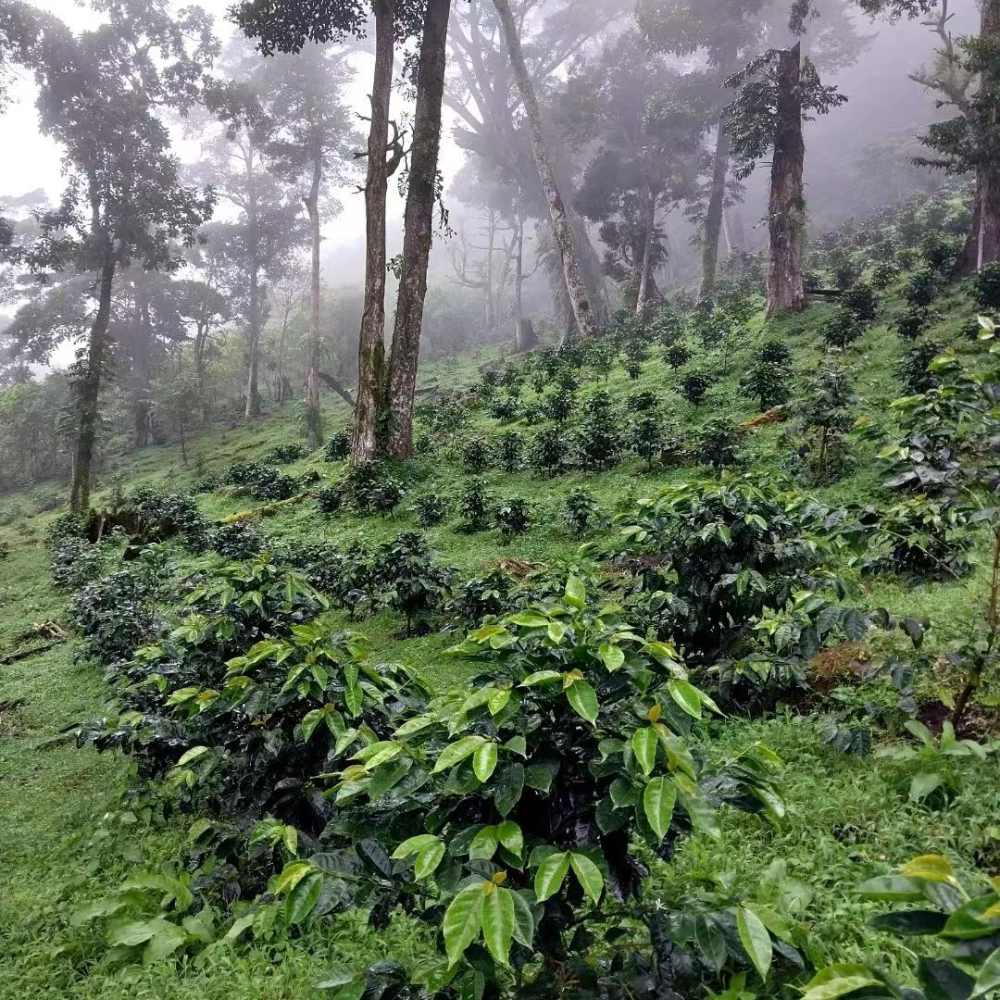 This Caturra variety, roasted to a light-to-medium level, retains bright citrus acidity and a wine yeast finish, making it ideal for those who enjoy strong fruit flavors.
When talking about Panamanian coffee, one cannot overlookthe legendary rise of the Geisha variety. Originally from Ethiopia, this coffee plant was introduced to Panama by Don Pachi Serracin in 1963 but went largely unnoticed. It wasn’t until 2004, when the Hacienda La Esmeralda discovered Geisha trees in its windbreaks, that their astonishing jasmine and citrus aromas were revealed. After winning a cupping competition, it ushered in Geisha’s era of global dominance in the specialty market. Today, Geisha is divided into two main types: Green Leaf and Red Leaf. The former is known for its jasmine floral notes and honey sweetness, while the latter emphasizes rich caramel and nutty tones.
For pour over enthusiasts,the Typica from Elida Estate offers a classic learning model. It’s recommended to use a V60 dripper, with water temperature controlled at 90°C, and a 1:15 coffee-to-water ratio for a three-stage extraction: first, a 30-second bloom with 30 grams of water, followed by pouring 95 grams of water with medium flow to reach 125 grams, and finally pouring to 225 grams to complete the extraction. These parameters highlight the raisin and peach flavors of the Typica, along with its unique tea-like mouthfeel reminiscent of green tea. Be sure to adjust the grind size to 80% passing through a #20 sieve to avoid over-extraction due to excessive fineness.
Panama’s coffee grading system is also worth understanding:SHG (Strictly High Grown) requires cultivation at altitudes above 1,300 meters, HG (High Grown) ranges from 1,220–1,300 meters, and CS grade is for beans grown above 600 meters. The higher the altitude, the relatively lower the caffeine content, while acidity and aroma become more concentrated. When purchasing, consumers should prioritize beans labeled with specific regions and altitudes, as these details often directly influence the final flavor profile.
The above content is compiled by CoffeeHunters, a coffee news website.


