







Introduction:Did you know? The espresso machines commonly seen in today’s cafés are the result of over a century of technological evolution. This article will take you through the breakthroughs from the first steam-powered prototype in 1884 to the Faema E61 in 1961 that laid the foundation for modern technology, and also provide practical home extraction tips and bean pairing suggestions to help you start from scratch and consistently pull rich, golden crema espressos.
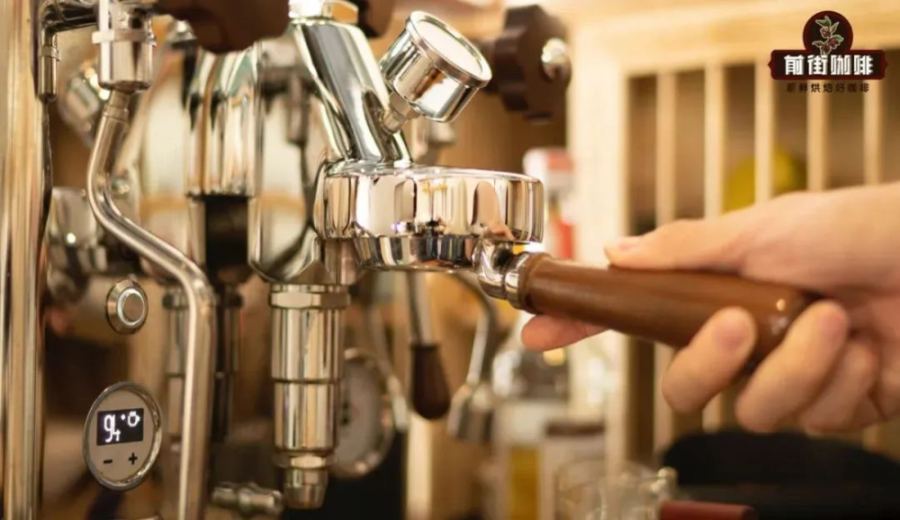
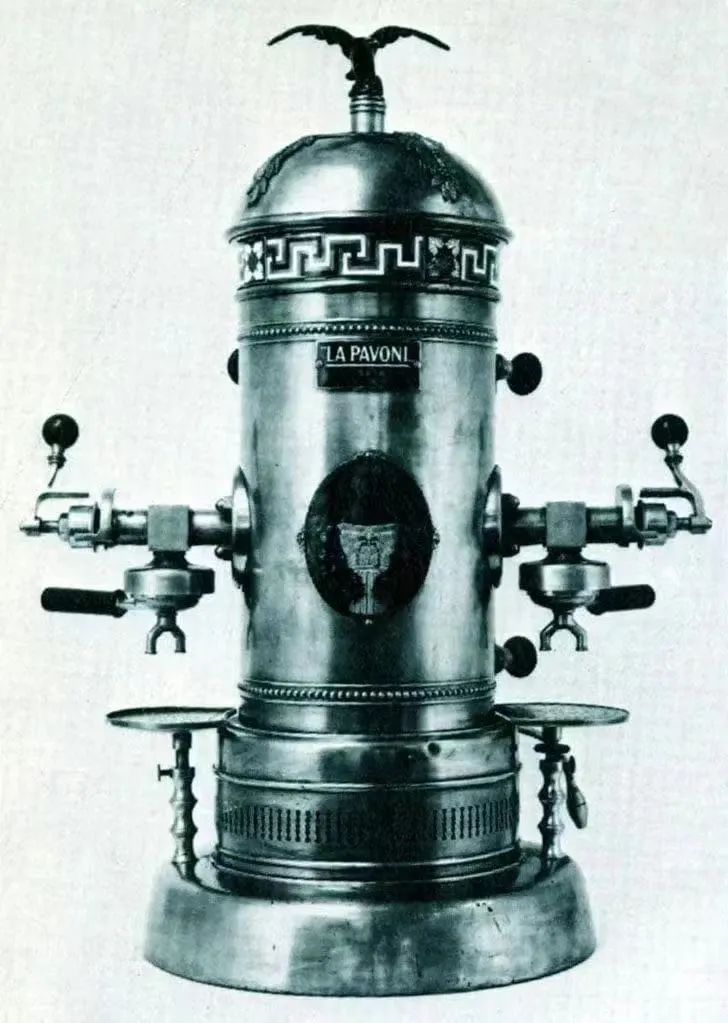
Walk into any café on the street, and you’ll often see a uniquely shaped machine stationed at the center of the counter—that’s the espresso machine. These devices not only carry the craftsmanship of baristas but also embody over a century of technical innovation. From Angelo Moriondo’s first steam-powered coffee machine showcased at the Italian Expo in 1884, to La Pavoni’s launch of the world’s first machine with basic commercial extraction capabilities in 1905, and then to Faema’s E61 in 1961 that established the foundation of modern semi-automatic espresso machines, this evolutionary path has had a profound impact on coffee culture.
In the early days, people mostly relied on tools like the moka pot or drip brewers to extract coffee, which were not only time-consuming but also hard to control in terms of flavor. Angelo Moriondo was dissatisfied with this, so he conceived a device that used steam pressure to quickly extract coffee. This prototype was equipped with a dual-boiler system: the main boiler heated the brewing water, while the secondary boiler generated high-pressure steam to push hot water through the coffee grounds. Although it wasn’t the espresso machine we’re familiar with today, it was the prototype of the entire espresso technology and was already a groundbreaking innovation at the time.
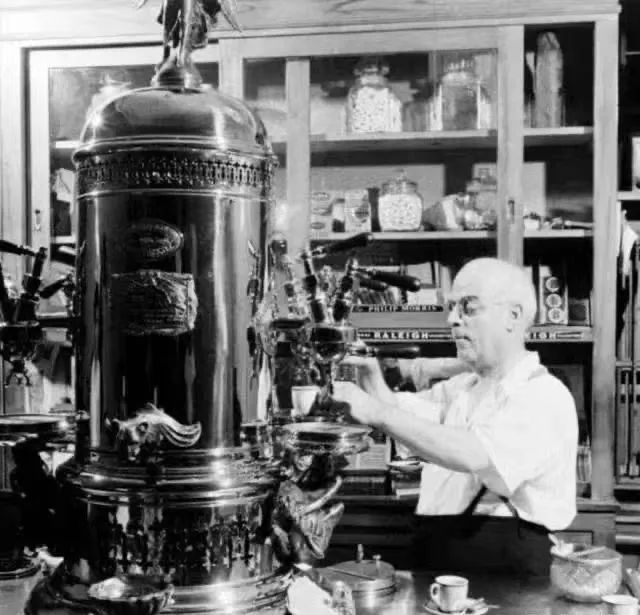
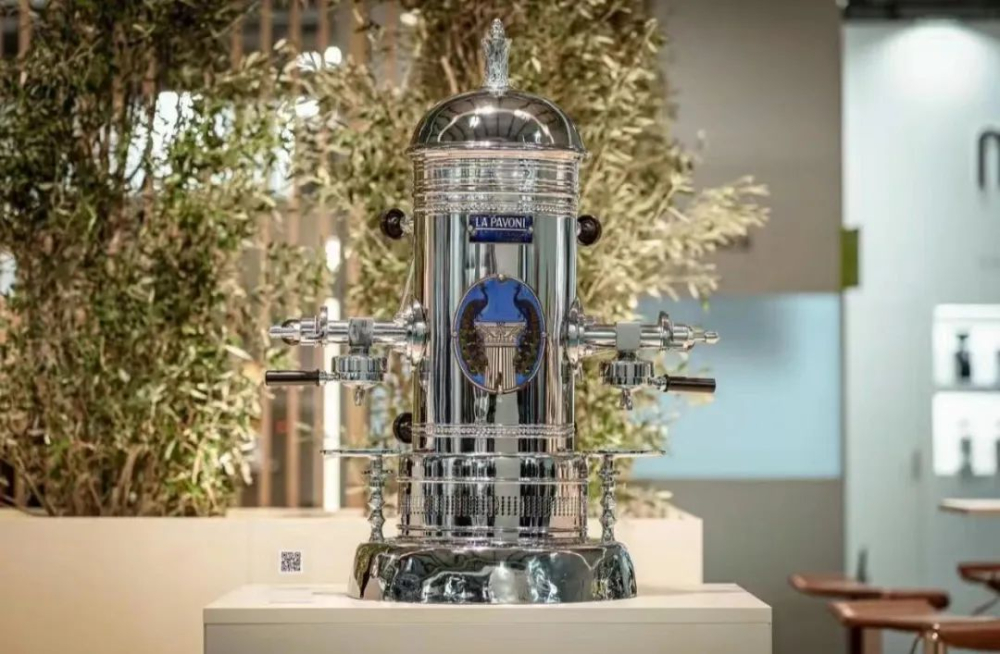
It wasn’t until 1901 that a Milanese mechanic improved upon this prototype, making the device more suited to real commercial needs and successfully applying for a commercial patent. In 1905, La Pavoni acquired the patent and further added an extraction head structure, finally creating the world’s first true espresso machine. This machine operated at around 1.5 bar of extraction pressure and a high brewing temperature of 140°C, producing a cup of coffee in just 45 seconds. Although limited by the technology and coffee bean quality of the time, its flavor was far from modern espresso, but the term “espresso” was officially included in the Italian dictionary in the early 20th century, defined as “concentrated coffee produced by a pressurized device.”
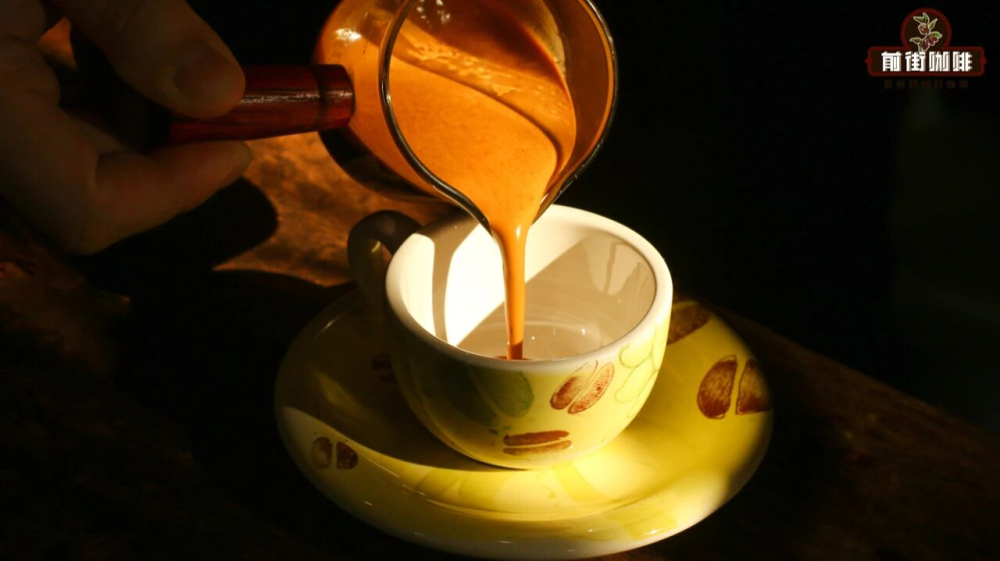
What truly significantly advanced espresso extraction technology was the piston-style manual lever machine invented by a Milanese barista in 1947. This design could generate greater pressure (up to 9 bar) through human power, effectively extracting more flavor compounds and forming the familiar golden crema. Later, this technology was acquired by Faema, which launched the groundbreaking Faema E61 in 1961. This machine introduced a pump system for the first time, maintaining a stable 9 bar extraction pressure while precisely controlling water temperature and flow rate, making the espresso extraction process more stable and replicable. It is still regarded as a classic among semi-automatic espresso machines, and many modern models are developed based on it.
With the maturation of technology and the expansion of market demand, there are now many small espresso machines suitable for home use on the market, allowing coffee enthusiasts to enjoy rich espresso at home without stepping into a café. However, to consistently pull coffee with thick crema, in addition to the equipment, bean selection and extraction parameters are equally crucial.
If you prefer bright and clear floral and fruity notes, single-origin beans (Single Origin) are a great choice. For example, beans from high-altitude regions with distinct citrus and berry flavors—such as Huakui SOE, Gran Selezione Geisha, or Red Cherry Yirgacheffe SOE—can showcase unique regional characteristics. If you don’t like too much acidity, Queen Estate SOE or PWN Golden Mandheling are more mellow and full-bodied options, suitable for those who prefer a rich, low-acid taste.
As for espresso blends (Blend), they achieve flavor balance and stability by mixing beans from different regions in specific proportions, making them especially suitable as the base for milk-based coffees like lattes and cappuccinos. Some brands recommend classic blends and dark cocoa-based blends, which often feature aromas of cream, chocolate, and cocoa, with crema displaying a beautiful golden sheen. These are not only great for daily home use but also perfect for small shop operations. Some blends even include a small amount of Robusta to enhance crema performance and overall flavor intensity, allowing beginners to easily pull satisfying espressos.
During actual extraction, it is recommended to use a double basket, with the coffee dose controlled at18~20 grams. If making a latte, you can use a1:2 coffee-to-water ratio, meaning about40 grams of coffee liquidextracted from 20 grams of coffee. The extraction time is advised to be within20~35 seconds, with the optimal range being28~30 seconds. Too short may lead to under-extraction, while too long may cause over-extraction, resulting in burnt and bitter flavors.
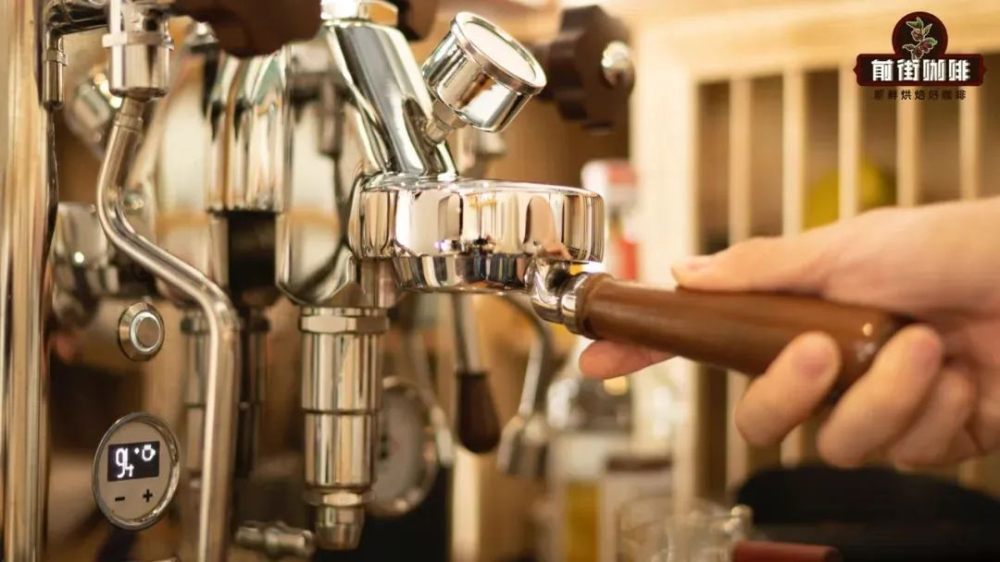
Before extraction, prepare a ceramic coffee cup, a milk pitcher, and fresh milk. First, dry the portafilter, align it with the grinder’s spout, start grinding, and collect about 20 grams of coffee grounds, spreading them evenly in the portafilter. Use a distribution tool to evenly distribute the grounds, then tamp them vertically with a tamper to ensure consistent puck density. Next, turn on the extraction switch and release water for 1–2 seconds to wet the group head and remove any residual coffee grounds. Zero the scale, place the coffee cup under the group head, lock in the portafilter, and begin extraction.
Observe the extraction process; when the coffee liquid reaches 40 grams and the time approaches 30 seconds, you can turn off the extraction switch and pour the espresso into the cup. Then, you can add hot water to make an Americano according to your taste, or pour in fresh milk to make a latte, and fully enjoy the coffee you’ve pulled yourself.
The above content is compiled by CoffeeHunters, a coffee news website.


