







Introduction:This article provides an in-depth comparison of two classic flavor profiles of Yunnan Baoshan coffee beans: one is a washed-process, medium-roast small-bean coffee that highlights caramel sweetness and mild acidity; the other is a natural-processed Typica variety, showcasing rich citrus, berry, and wine-like aromas. In addition to detailing the characteristics of the two processing methods, it also introduces the growing background of Baoshan and the application of dark cocoa-blend beans, helping you choose the right Yunnan beans for your pour over or espresso brewing.
Yunnan is located at the heart of the world’s “coffee golden belt.” Thanks to its ideal sunlight, temperature variation, and altitude conditions, the region has become an important specialty coffee-producing area in China, with Baoshan and Lincang being the most representative. This article focuses on two Yunnan coffee beans from different regions and processed differently: one is a washed-process, medium-roast Yunnan small-bean from a certain brand, displaying notable caramel sweetness and delicate acidity; the other is a 2013 Yunnan Typica from Lincang, processed through traditional natural drying, which reveals citrus, berry notes, and a hint of fermented wine aroma. From growing environment, varietal traits to processing techniques, this article will guide you to fully understand the unique flavor origins of these coffees.
Yunnan lies between 21°N and 29°N latitude, with most areas ranging in elevation from 1,000 to 2,000 meters. The terrain is mostly hilly, with abundant sunshine, moderate rainfall, and significant day-night temperature variations—providing nearly ideal growing conditions for coffee trees. The suitable temperature range for Arabica varieties is about 16–21°C, and Yunnan’s climate fits this requirement perfectly, resulting in locally grown coffee with distinct regional characteristics in both aroma and taste.
The main coffee-growing areas in Yunnan are concentrated in the southwestern part of the province, with Baoshan, Pu’er, Lincang, and Dehong as the four core regions. Among them, Baoshan’s coffee cultivation history dates back to the mid-1950s, when patriotic overseas Chinese Mr. Liang Jinshan first introduced coffee seedlings. Particularly in the Lujia River Dam area, the dry-hot valley climate is pronounced, with no frost all year round, stable day-night temperature differences, and moderate, evenly distributed rainfall—all of which contribute to the rich aftertaste and clear layers unique to Baoshan small-bean coffee.
For beginner coffee enthusiasts, it is recommended to try the washed-process, medium-roast Yunnan small-bean coffee first. During the green bean processing stage, this coffee undergoes fermentation and water washing to remove the pulp, followed by moderate roasting, successfully preserving the characteristic sweet-acid balance and caramel aroma of the Yunnan region. The standout feature of the washed method is its ability to highlight the “cleanliness” of the coffee, making the flavor profile clearer. It is suitable for those who prefer bright acidity and defined sweetness, especially when brewed using a pour over method that fully showcases its regional traits.
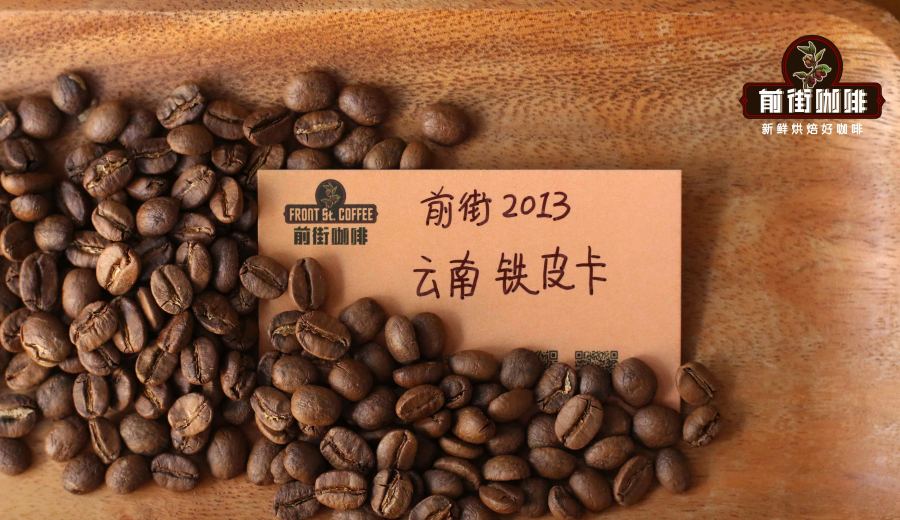
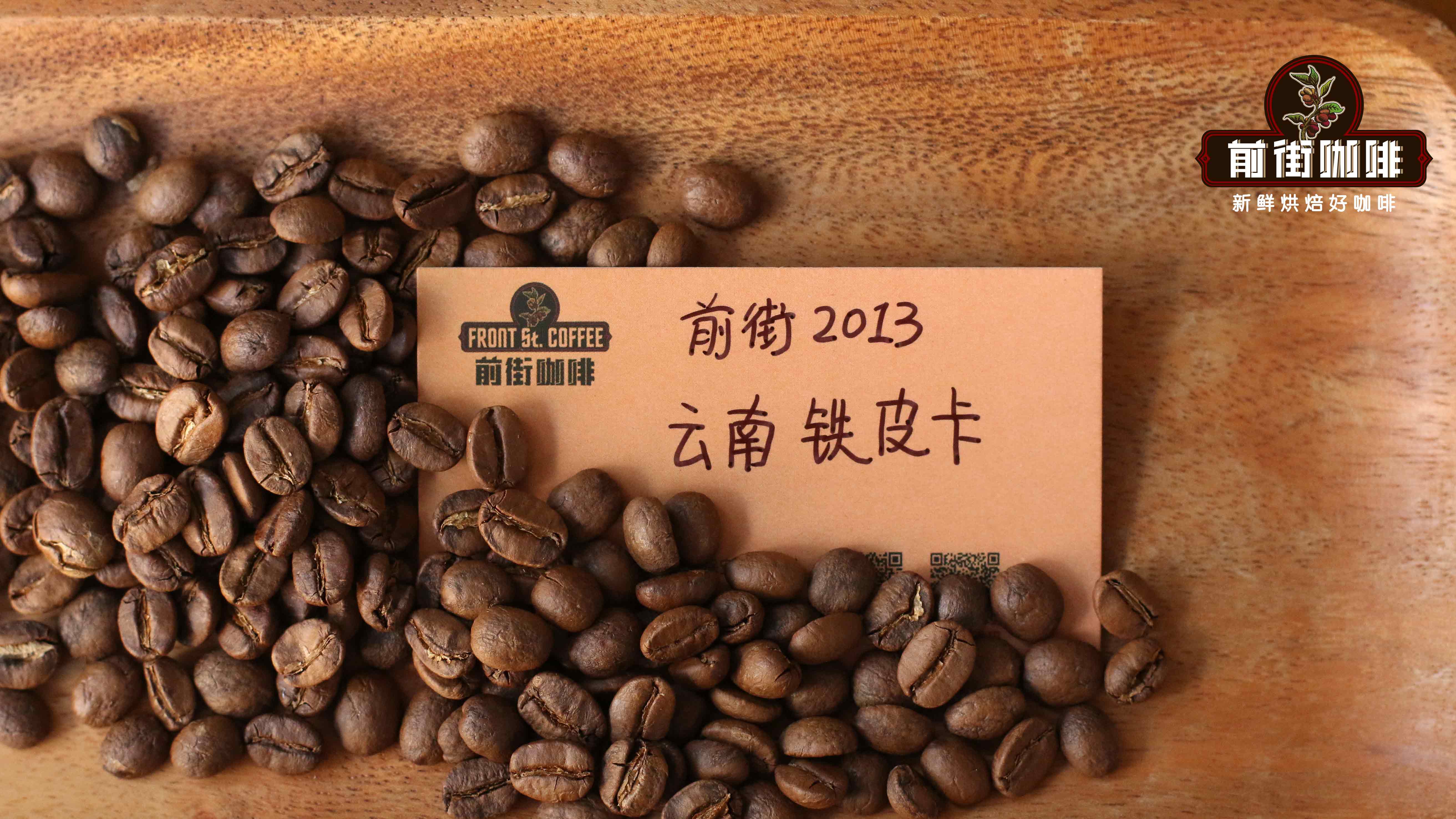
If you’re seeking a more layered and varied flavor experience, consider trying the 2013 Yunnan Typica from Lincang. This coffee is processed using the ancient natural-drying (natural) method, where the whole coffee cherry is directly sun-dried until its moisture content drops significantly before being hulled, thus fully retaining the sugars and flavor compounds in the fruit. Typica, as one of the most traditional and pure Arabica varieties, inherently possesses a delicate and elegant character. Through natural processing, its citrus, berry, and other fruity notes are further enhanced, along with a hint of unique fermented wine aroma. The finish offers a creamy smoothness paired with a warm caramel sweetness. This coffee is particularly well-suited for pour over or French press, and it’s recommended to enjoy it at a light-to-medium roast level to savor its original flavors.
It’s worth mentioning that if you want to experience how Yunnan coffee performs in espresso or milk-based drinks, consider trying a blend of Yunnan small-bean and Brazilian Cerrado from a certain brand. This espresso blend combines the nutty base of Brazilian beans with the chocolate and citrus notes of Yunnan small-bean. When brewed as Americano, it achieves a balanced sour-sweet-bitter profile with a mellow aftertaste of brown sugar and nuts; when used for making lattes or cappuccinos, it delivers a smooth texture reminiscent of almond and cream—even coffee newcomers can easily enjoy its rounded flavors.
The above content is compiled by CoffeeHunters, a coffee news website.


