







Introduction:Coffee roasting is a key step in determining the final flavor of a cup of coffee. Different roast levels—such as light, medium, and dark—have distinctly different effects on acidity, body, aroma, and mouthfeel. This article provides an in-depth analysis of the characteristics at each roasting stage, helping you understand how to choose the coffee beans that best suit your personal taste preferences and elevate your brewing experience.
The roasting time and temperature of coffee beans are core factors that shape their final aroma, mouthfeel, acidity, and overall flavor profile. Whether you're a beginner just starting out or an experienced coffee enthusiast, if you want to more accurately grasp the flavor potential of coffee, the first step is to understand the actual impact of different roast stages on taste.
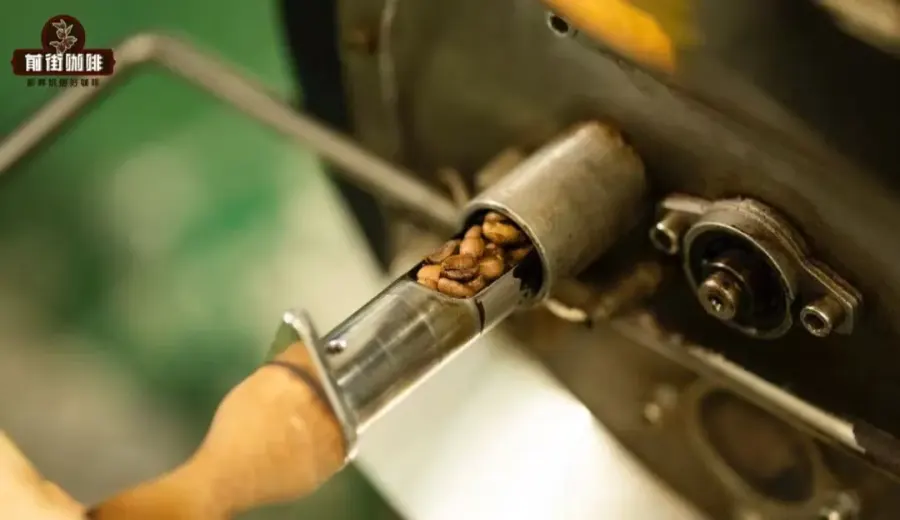
In simple terms, roasting is a series of chemical reactions that occur inside green coffee beans through the application of heat. During this process, the beans gradually expand and produce sounds akin to popping at certain temperatures, known as "first crack" and "second crack." These turning points are often used as indicators to judge the roast level.
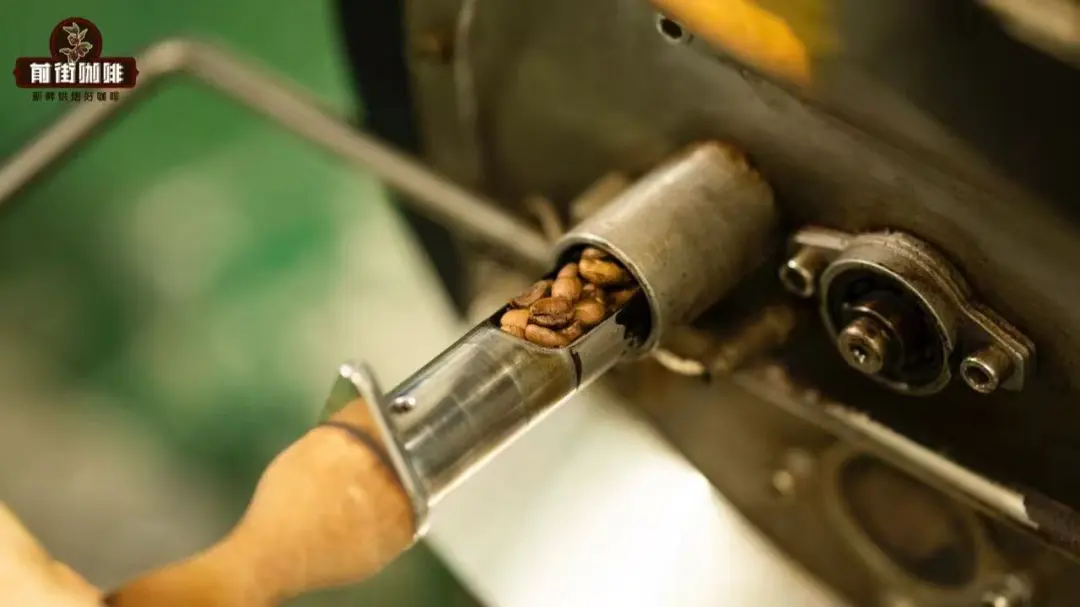
Light roasting typically ends in the early stage of the first crack. At this stage, the beans have a lighter color and retain many of the terroir characteristics of their origin. This type of roast emphasizes bright acidity and clear floral and fruity aromas, often showcasing layered flavors such as citrus, berries, or floral notes. For example, many baristas prefer using a light roast for Ethiopian Yirgacheffe to highlight its distinctive lemony tone and fresh fruitiness. This roast method is suitable for drinkers who enjoy a refreshing, vibrant taste, and it is also a common approach in many specialty coffee evaluations.
As the roast progresses to medium, the beans turn a medium brown color, and a small amount of oil begins to appear on the surface. At this stage, the balance between acidity and body reaches a better equilibrium. The flavor retains some of the original characteristics while incorporating more products of caramelization brought by roasting, such as caramel, malt, and nutty aromas. The overall profile becomes smoother and sweeter, with acidity relatively subdued, making it suitable for coffee lovers who prefer a well-balanced and easy-drinking cup. In addition, medium roast beans are generally suitable for various brewing methods, such as pour over, drip filtration, or French press.
Dark roasting involves taking the coffee beans to the "second crack" or even beyond. At this point, the beans turn dark brown or even close to black, with a glossy surface rich in oil. This type of roast significantly reduces acidity while enhancing bitterness and a rich, full-bodied mouthfeel, often featuring intense flavors such as chocolate, smoke, caramel, and nuts. Due to its flavor characteristics, dark roasting is widely used in espresso preparation, helping to produce a thick and velvety crema. However, because the regional characteristics of the beans can be easily overshadowed during dark roasting, it’s more difficult to clearly identify the original origin from the flavor.
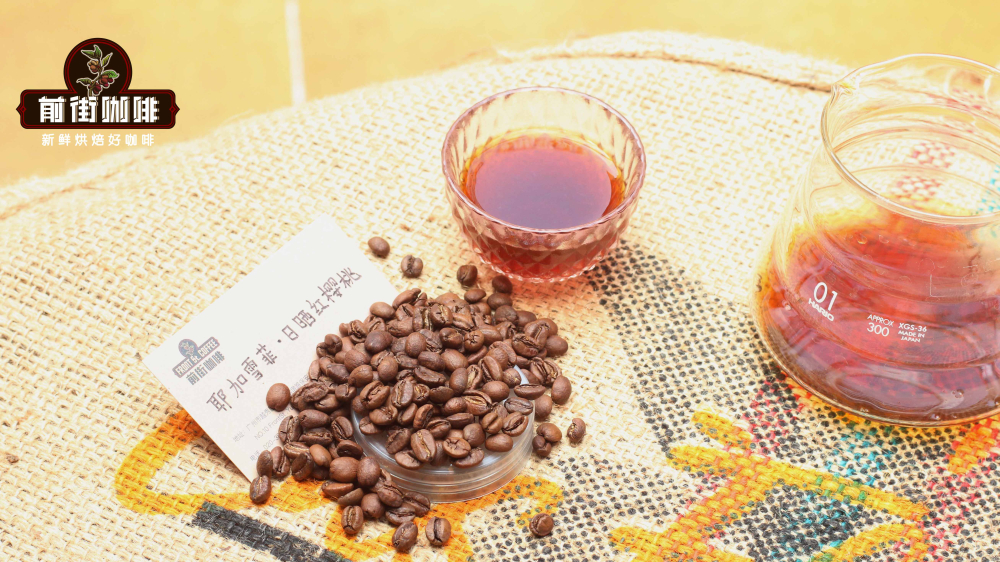
If you prefer milk-based coffee drinks like lattes or cappuccinos, dark roasts can provide a stronger base flavor, making it easier to present caramel-like and creamy aromatic layers when paired with milk. Additionally, some dark roast blends may include a small proportion of Robusta beans to enhance oil expression and body. For example, classic Italian espresso blends often combine Brazilian, Mandheling, and a small amount of Robusta to deliver a combined profile of butter, toasted bread, and caramel sweetness. These beans are not only suitable for home semi-automatic coffee machines but also often offer beginners a stable and flavor-rich extraction experience.
In summary, the transition from light to dark roasting not only changes the appearance and mouthfeel of the coffee but also influences the release of aroma molecules and the presentation of the flavor profile. After understanding these basic differences, you’ll be able to more precisely choose the roast level that best suits your taste preferences, thereby further enhancing the enjoyment and satisfaction of each brew.
The above content is compiled by CoffeeHunters, a coffee news website.


