







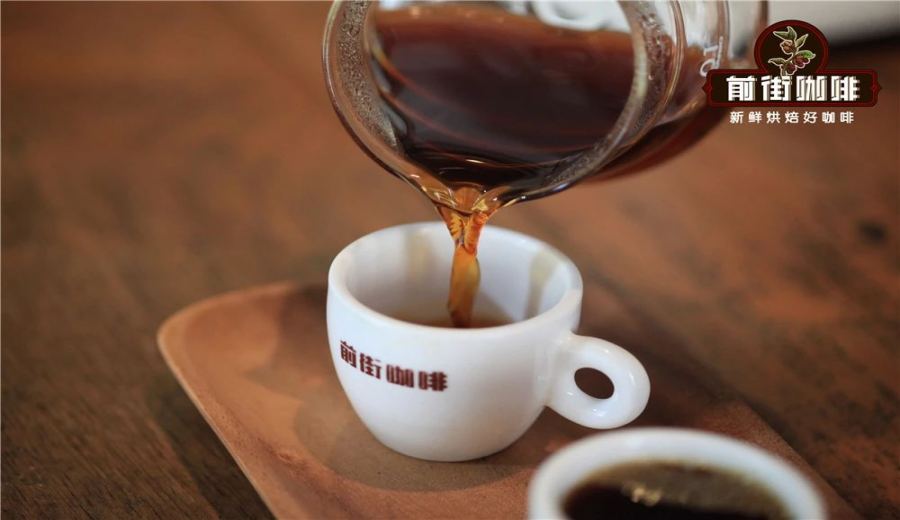
Introduction:Want to dive deeper into the classic Ethiopian Sidamo sun-dried coffee—Hua Kui 8.0? This article thoroughly explores this highly acclaimed medium-light roasted bean, covering its origin background, processing characteristics, and pour over brewing parameters and techniques. Not only does it explain how to bring out berry and creamy layers using a three-stage pouring method, but it also provides expert recommendations on grind size, water temperature, and equipment selection—perfect for coffee enthusiasts looking to refine their pour over skills.
As the birthplace of Arabica coffee, Ethiopia has long been a focal point in the specialty coffee market due to its unique floral, citrus, and fruit-tea notes. Among well-known regions like Sidamo and Yirgacheffe, Sidamo stands out with its diverse microclimates and complex processing methods, producing many astonishing coffee varieties. This article will delve into Sidamo’s geographical environment, farming culture, and the charm of sun-dried processing, using the much-talked-about Hua Kui 8.0 as an example to share a practical pour over extraction plan.
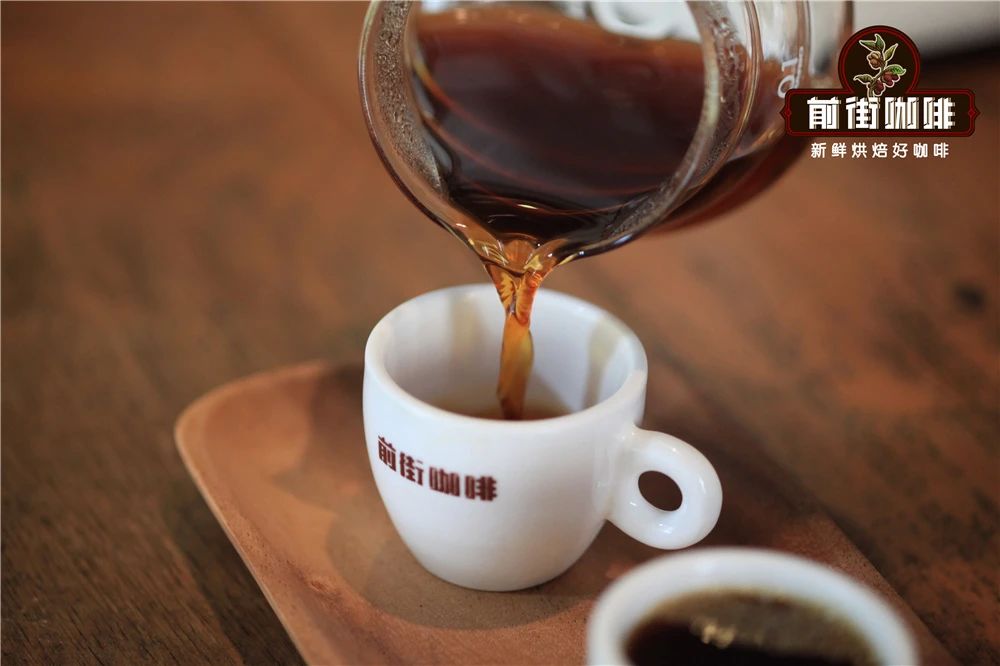
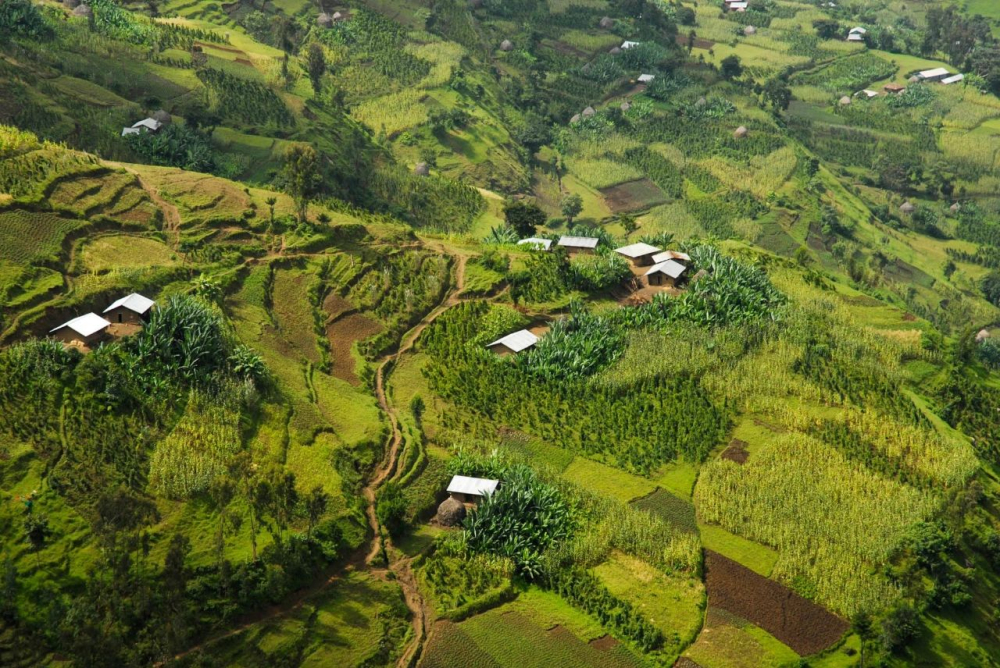
The Ethiopian highlands, situated in the East African Rift Valley, boast exceptionally favorable geographical and climatic conditions. With abundant rainfall year-round, significant day-night temperature differences, and altitudes generally ranging between 1500 and 2200 meters, the region provides an ideal environment for coffee trees. Local farming is primarily smallholder-based, with farmers intercropping coffee trees with other crops in home gardens, often alongside banana trees. This not only maintains biodiversity but also helps coffee cherries absorb diverse nutrients.
It’s worth noting that Ethiopia holds the world’s richest coffee genetic repository, yet most varieties have not undergone complete scientific classification or registration. As a result, they are officially referred to as ‘Heirloom native varieties.’ These native beans are typically small in size with irregular appearances, yet they can deliver outstanding floral and fruity flavors in cupping, making them treasured gems for many coffee lovers.
Sidamo and Sidama are actually different translations of the same region. The term “Sidamo” originates from the indigenous Sidama ethnic group, who have a unique language and culture and celebrate a traditional New Year recognized by the United Nations. Due to colonial-era misreadings, the region was once spelled Sidamo and registered as an official trademark. Although the ethnic group was later officially renamed Sidama, the consumer market still commonly refers to this iconic coffee as Sidamo.
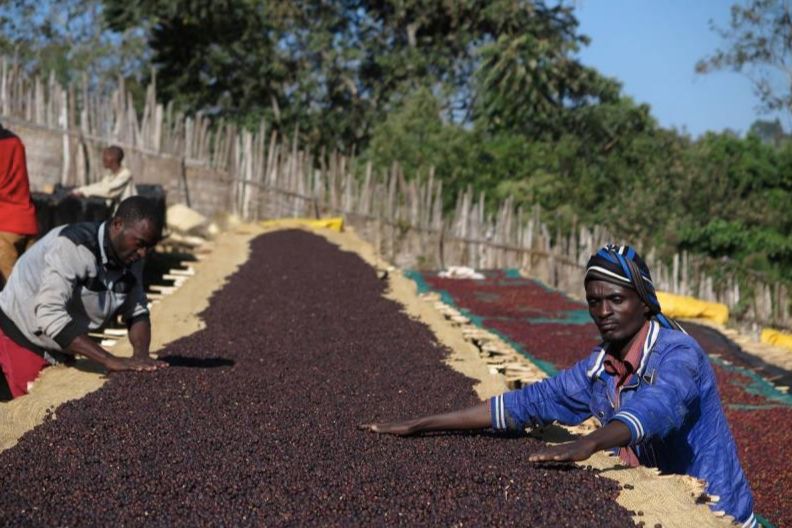
When it comes to Sidamo coffee, what leaves the strongest impression is the rich flavor brought by its sun-dried processing. Compared to washed processing, sun drying allows the coffee cherries to naturally ferment over a longer period, leading to more thorough reactions between microbes and pulp, thereby producing a greater variety of esters and furan compounds. During roasting, these substances transform into captivating floral, fruity aromas, and sweetness, resulting in a coffee with a thicker body and distinct layered profile. A well-known brand’s Sidamo sun-dried beans are famous for this process, often exhibiting a complex aroma profile of spices, berries, and honey.
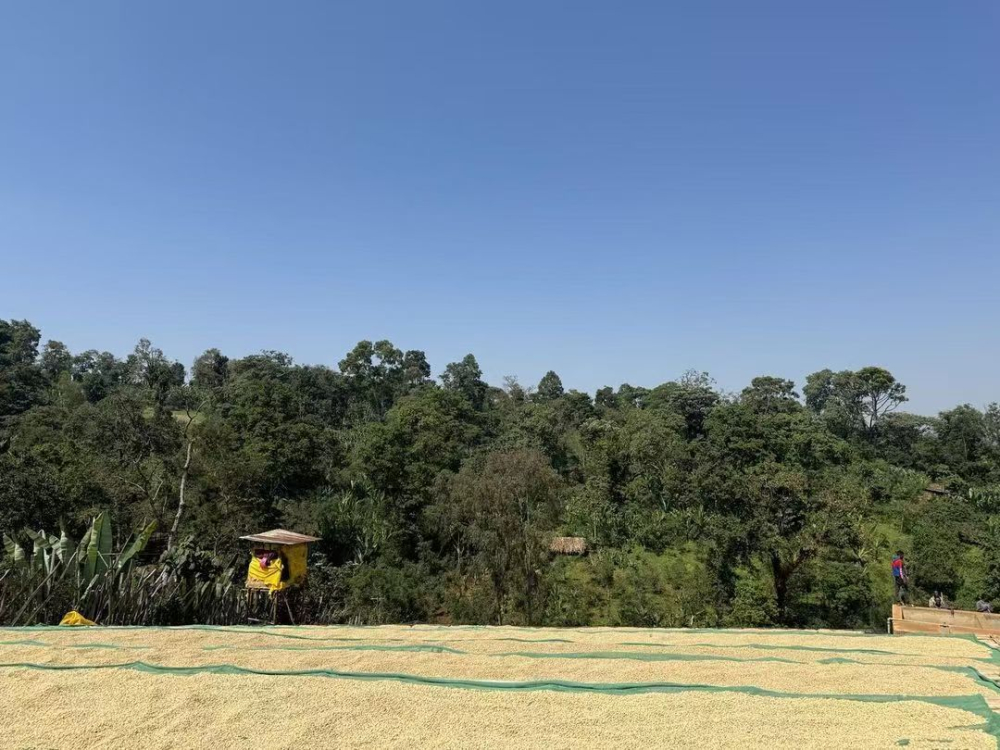
Among them, Hua Kui 8.0 originates from Gedeb in Guji, a high-altitude sub-region at the border of Sidamo and Guji, known for its rugged mountains and excellent day-night temperature variations. Coffee cherries must meet high sugar content standards at harvest and undergo an 18-day sun-drying process on African beds. Farmers carefully control sun exposure and moisture evaporation to ensure the green beans’ moisture content is steadily reduced to 13%, thereby highlighting a full-bodied sweetness and fruity character.
To successfully brew Hua Kui 8.0 at home, selecting the right tools and mastering key parameters is crucial. Basic tools include a pour over kettle, filter cone, scale, grinder, filter paper, and thermometer. It’s recommended to use a V60 filter cone made of resin material, whose unique spiral flow ribs and large hole design help control water flow rate and contact time, bringing out a clear layered taste. The suggested powder-to-water ratio is between 1:15 and 1:16. If you prefer a stronger flavor, go with 1:15; for a more unfolded taste, 1:16 is better.
For grind size, considering this medium-light roasted, high-altitude bean, a fine sugar-like consistency with an 80% retention rate on a #20 sieve is recommended, roughly equivalent to setting 10 on an EK43s grinder. Water temperature should be controlled between 92–93°C. This range helps to highlight floral and fruity notes while avoiding over-extraction that could lead to bitterness. If you’re using another brand of grinder, you can make slight adjustments based on similar particle sizes and temperature ranges.
It’s recommended to use a three-stage pouring method for extraction. Taking a ratio of 15 grams of coffee to 225 milliliters of total water as an example: first pour 30 milliliters and let it bloom for 30 seconds, then pour 95 milliliters in steady circular motions, and finally top up to 225 milliliters when the coffee liquid surface drops halfway. The total extraction time is about 2 minutes, which fully releases flavor compounds while avoiding over-extraction. During the process, maintain even pouring speed, stable water flow, and avoid disrupting the coffee bed to achieve the best flavor balance.
In summary, Hua Kui 8.0, as one of the flagship beans of the Sidamo region, combines high-altitude cultivation, meticulous sun-dried processing, and refined pour over techniques to present enchanting layers of berries, cream, and honey. With the right parameters and process, you can easily brew a cup of specialty coffee with vibrant flavors and rich layers at home.
The above content is compiled by CoffeeHunters, a coffee news website.


