








Introduction:Understanding the roast level of coffee beans is key to brewing a great cup. This article takes an in-depth look at the eight main roast levels from light to espresso roast, covering color values, drop timing, flavor characteristics, and providing practical recommendations on grind size and water temperature to help you adjust your brewing method according to different roast levels and extract the best flavors.
The roast level of coffee beans is a major factor that determines the final flavor profile of a cup. However, roast classification standards vary across the globe, often leaving beginners puzzled. This article will detail each roast stage from light to dark, using the industry-standard eight-level roast classification as a basis to explain how to identify roast levels through color values, drop timing, and flavor traits, helping you better master suitable brewing parameters.
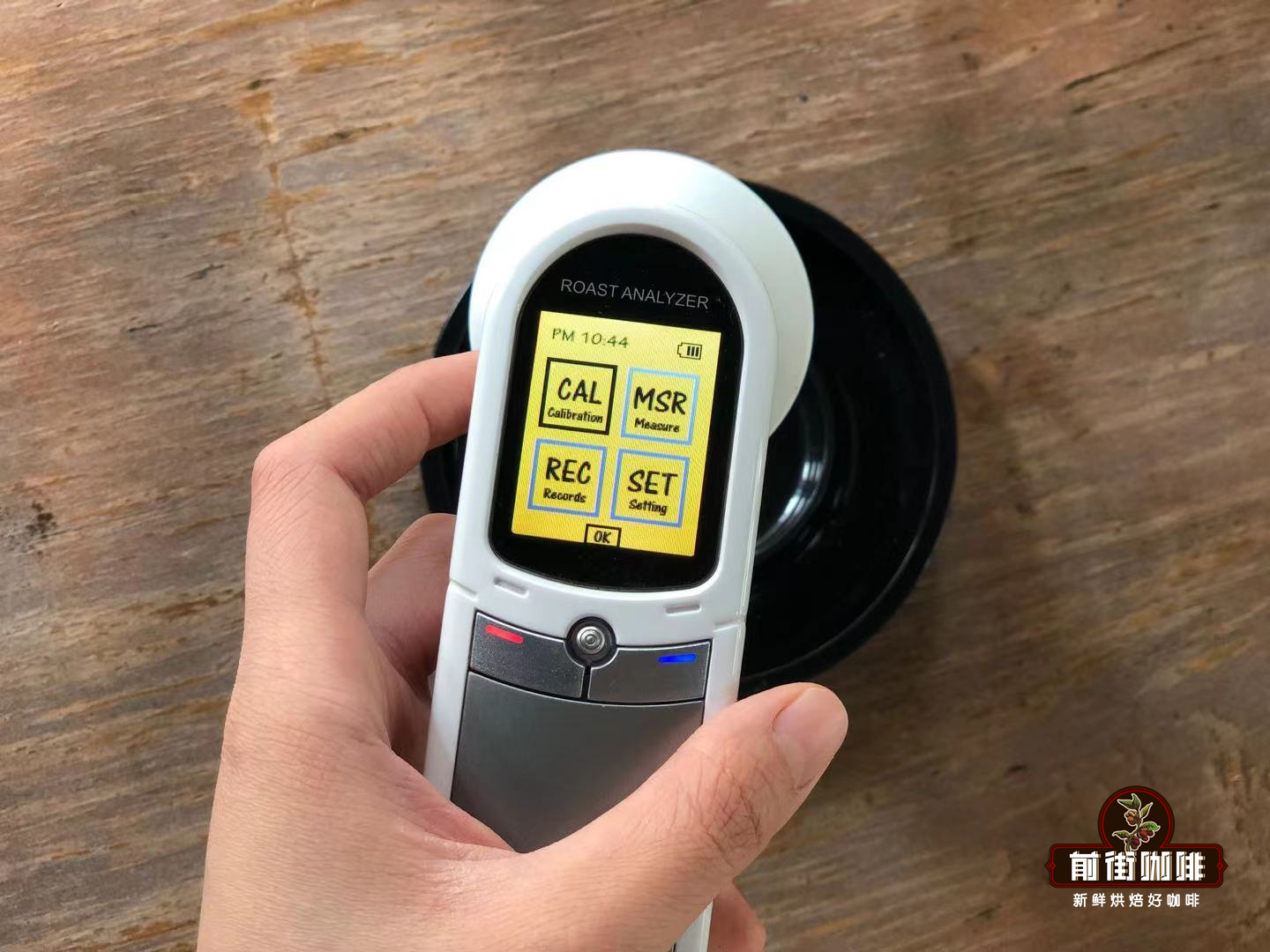
Roast level isn’t just about being “light” or “dark.” Definitions of “light roast,” “medium roast,” and “dark roast” vary significantly by region, so without a unified reference, misunderstandings are common. To establish a consistent standard for evaluating roast levels, the Specialty Coffee Association of America (SCAA) collaborated with Agtron to develop an eight-level roast standard based on coffee bean Agtron values. This system is widely used in the industry to determine roast depth and has become an important reference tool for many professional roasters.
The eight roast levels defined by SCAA are measured by the infrared caramelization meter (Agtron) to assess the surface color of coffee beans, which are then divided into eight stages from lightest to darkest. Each stage corresponds to a specific color value range and recommended drop timing. This standard not only helps roasters control the roasting process but also enables consumers to better understand what kind of roast style their coffee beans belong to.
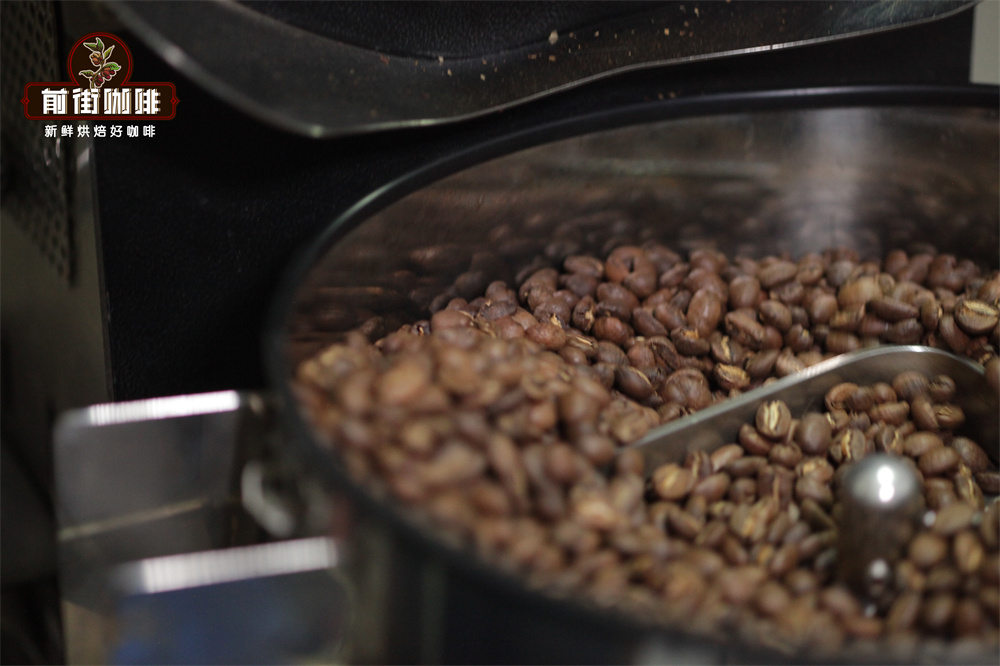
Within the category of light roasts, the most representative include “Light Roast” and “Cinnamon Roast.” Light Roast has an Agtron color value of around #95 and is typically dropped just before the end of the first crack. At this stage, the beans retain the most of their origin characteristics, with bright acidity and often pronounced floral and fruity aromas—ideal for those who prefer a clean, refreshing taste. Cinnamon Roast, with an Agtron value of #85, is dropped around the end of the first crack. Its flavors are more restrained but still retain a light, acidic aroma, often used to highlight the terroir of the beans’ origin.
As we move into medium roasts, the sweetness and layered flavors of the coffee begin to emerge. Medium Roast with an Agtron value of #75 is typically dropped after the first crack, offering a balanced acidity and sweetness—making it a popular choice for many single-origin coffees. When the roast progresses to High Roast with an Agtron value of #65, dropped during the pause between the first and second cracks, the caramelization reaction becomes more pronounced, and the flavors turn richer with deeper layers of sweetness.
Mid-to-dark roasts include City Roast and Full City Roast, corresponding to Agtron values of #55 and #45 respectively. City Roast is dropped at the very beginning of the second crack, with flavors becoming richer and sweeter—suited for those who enjoy a fuller mouthfeel. Full City Roast is dropped just before the second crack intensifies, with an Agtron value of #45. At this stage, the beans exhibit more pronounced caramel and nutty aromas, with acidity relatively subdued, setting the stage for further progression into darker roasts.
In the realm of dark roasts, French Roast and Italian Roast are the two most common types. French Roast has an Agtron value of #35 and is typically dropped during the intense second crack. At this stage, the coffee has a bold flavor with prominent smokiness and deep dark berry notes. Finally, Italian Roast, with an Agtron value of #25, is dropped when the bean surface begins to show oil—this roast level is commonly used for espresso, delivering an extremely intense flavor profile, well-suited for milk-based coffee drinks.
If your coffee bag doesn’t indicate the roast level, you can also make an educated guess based on the flavor notes. For example, if the flavor description highlights citrus, berries, or floral acidity, the beans are likely a medium-light roast. If the notes are dominated by neutral or warm aromas such as nuts and caramel, it’s probably a medium roast. And when the description emphasizes cocoa, chocolate, or a low-acid richness, it’s typically a medium-dark or dark roast.
Recommended brewing parameters vary depending on the roast level. For medium-light to medium roasts, it’s advisable to use a medium-fine grind (e.g., a Chinese Standard No. 20 mesh with about 75–80% passing rate) and set the water temperature between 90–92°C. This helps fully extract acidity and sweetness while maintaining overall flavor balance. For medium-dark roasts, a medium grind (about 65–70% passing rate on a No. 20 mesh) is recommended, with the water temperature slightly reduced to 87–89°C. This reduces the risk of over-extraction, resulting in a smoother, fuller-bodied cup while avoiding unwanted bitterness.
The above content is compiled by CoffeeHunters, a coffee news website.


