








Introduction:Kenyan coffee is renowned for its bright acidity and complex, layered flavors, making it a favorite among specialty coffee enthusiasts worldwide. This article delves into Kenya’s main coffee varieties, the K72 washed processing method, its rigorous green bean grading system, and the key growing conditions that influence its flavor profile. Practical roasting and pour over parameters are also provided to help you better appreciate the unique charm of this exceptional African specialty coffee.
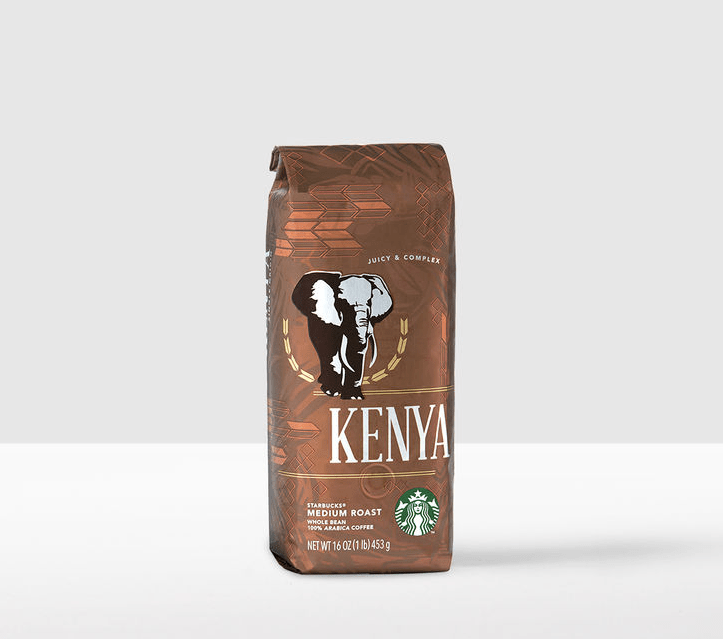
Kenyan coffee is celebrated for its vivid and vibrant acidity, along with its richly layered flavors, often regarded as a connoisseur’s delight. The majority of its coffee plantations are located in highland areas at elevations between 1,400 and 2,000 meters. The region’s exceptional geography and climate contribute to the distinctive freshness and vibrancy of Kenyan coffee. Among its many export offerings, Starbucks’ Kenyan coffee series is also widely popular. These beans undergo double-washed processing, are medium roasted, and are priced at around 85 yuan for 250 grams. They exhibit pronounced acidity, often with tasting notes reminiscent of cherry tomatoes and prunes.
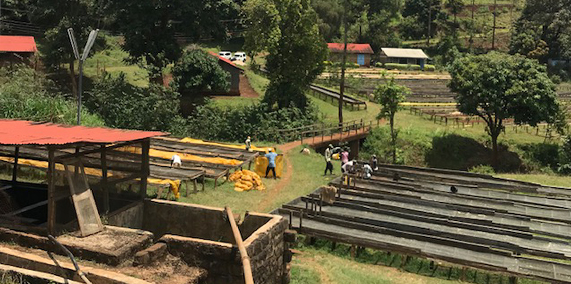
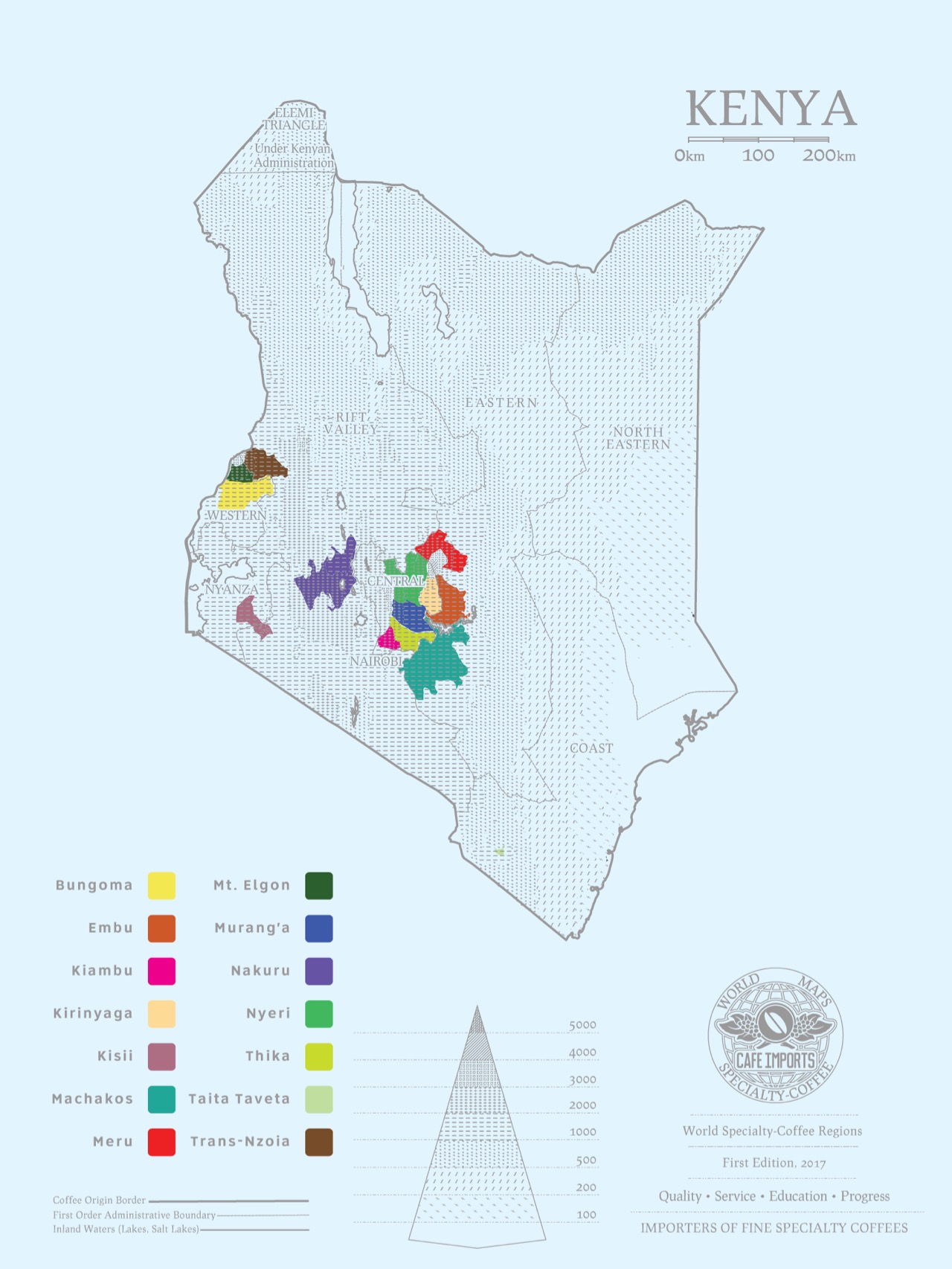
The uniquely distinctive flavor profile of Kenyan coffee is inseparable from its growing environment. Located in East Africa, Kenya straddles the equator, with a terrain predominantly consisting of highlands and the Great Rift Valley stretching from north to south. Due to the equatorial climate, the entire country experiences tropical conditions. However, the combination of high altitude and two distinct rainy seasons provides ideal growing conditions for coffee: there are two main harvest periods each year, from June to August and from October to December, with approximately 60% of production concentrated during the year-end rainy season.
In terms of variety, Kenya primarily cultivates locally developed coffee strains by its research institutions, including SL28, SL34, Ruiru11, and Batian. Among them, SL28 and SL34 are classic early varieties known for their outstanding acidity and sweetness. The former has a round, full shape and offers a multifaceted flavor profile, while the latter is slender and flat, with genetics similar to Typica. Ruiru11 and Batian are later-developed disease-resistant varieties. The former was introduced in the 1980s, offering both high yield and rust resistance. The latter, launched in 2010, was refined through backcross breeding to more closely resemble the desirable traits of SL28, achieving excellent cup quality.
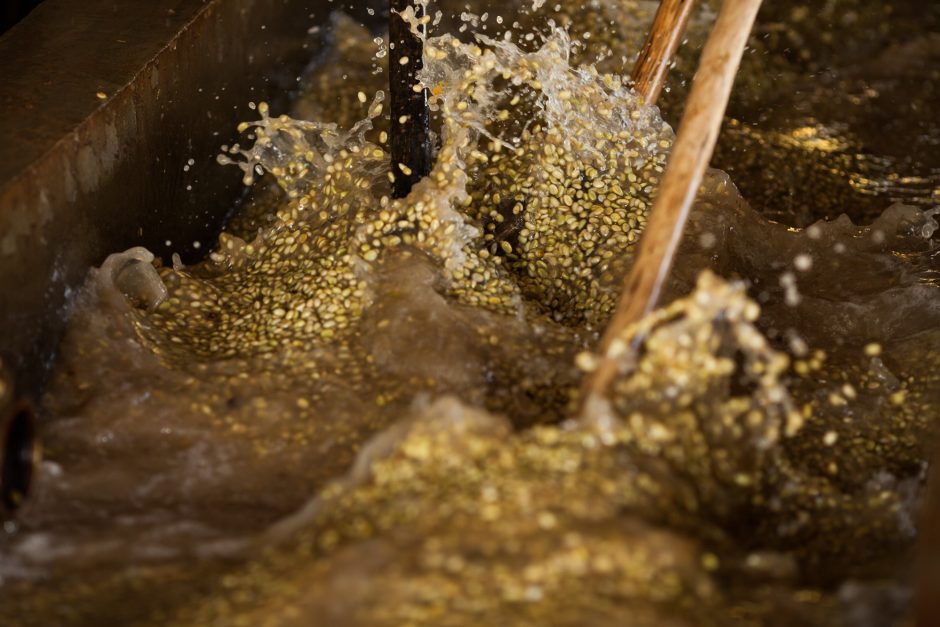
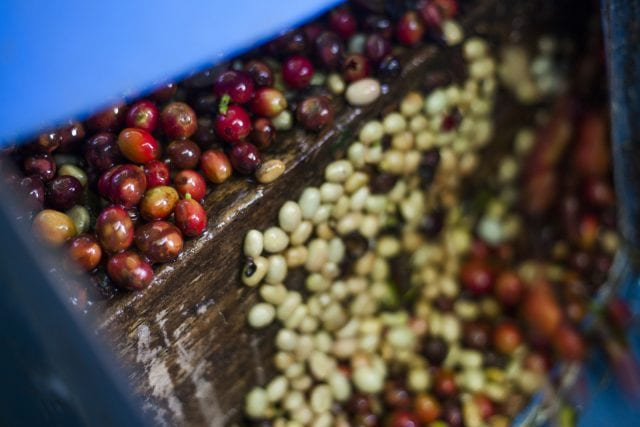
One of the most acclaimed aspects of Kenyan coffee is its unique K72 washed processing method. This technique involves prolonged fermentation: after harvesting, the coffee cherries are depulped and then undergo three separate 24-hour dry fermentations, totaling 72 hours, followed by soaking and drying on raised beds. This elaborate process significantly enhances the coffee’s cleanliness and flavor complexity, resulting in a bright, fruity acidity and a rich body.
Kenya’s green bean grading system is primarily based on bean size, with common grades including AA, AB, and PB. AA grade represents the largest beans (17–18 mesh), symbolizing high quality, while AB grade (15–16 mesh) constitutes the bulk of the market. Other grades include E (elephant bean), T, C, TT, and PB (peaberry). Among these, PB beans are not judged by size but are unique due to their round shape. Notably, this grading system was established as early as 1938, predating the concept of "specialty coffee," and remains widely used today.
Currently, Kenya also employs a more detailed new grading standard, which comprehensively evaluates green bean appearance, roasted bean condition, and cupping performance. Coffees are rated on a scale from 1 to 10, with 1 being the highest. While size remains an important factor, it is no longer the sole criterion. Generally, higher mesh-sized beans have lower defect rates, purer flavors, and command higher prices.
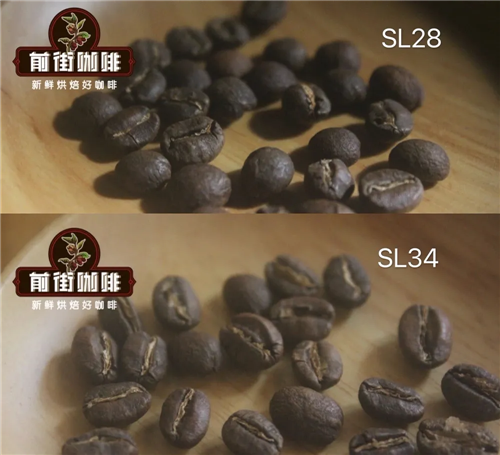
Take the commonly available Kenyan “Little Tomato” coffee beans as an example. Produced by the Asali washing station, they are grown at altitudes between 1,550 and 1,750 meters, from SL28 and SL34 varieties, and processed using the 72-hour washed method. These beans exhibit a clear flavor profile, often showcasing pronounced fruity notes such as pears, dark plums, brown sugar, cherry tomatoes, and plums. Their acidity is bright and layered, making them well-suited for drinkers who enjoy a balance of fruitiness and sweetness.
For roasting, to fully highlight its bright acidity and rich body, a light roast is recommended. Using the Yangjia 800N semi-direct-fire machine as an example: charge temperature at 160°C, charge weight of 480 grams, initial damper setting at 3, and heat at 120. The turnaround occurs around 1 minute and 28 seconds. Gradually adjust the damper and heat after the beans begin yellowing, until first crack starts (around 9 minutes and 28 seconds), and continue for about 2 minutes and 20 seconds, dropping the beans at 193.8°C. This approach preserves the maximum number of flavor nuances.
For pour over brewing, it is recommended to use a V60 or a cake dripper, with water temperature controlled at 91–92°C and a brew ratio of 1:15. Grind size should be medium-fine, roughly equivalent to 80% passing through a Chinese standard No. 20 sieve. Extraction is best achieved via a pulsed method: start with a 30-second bloom using 30 grams of water, then pour in small circles up to 124 grams for the first pour. When the water level is about to expose the coffee bed, continue pouring to 228 grams. Total extraction time should be around 1 minute and 55 seconds. This method effectively highlights the fruity aroma, balanced acidity and sweetness, and the rich lingering finish typical of Kenyan coffee.
In summary, Kenyan coffee owes its irreplaceable flavor characteristics to its exceptional geographical environment, stringent grading system, unique varieties, and processing methods. Whether you’re a beginner or a seasoned coffee enthusiast, understanding these elements will help you make more informed decisions when selecting and brewing, allowing you to savor every sip of this exquisite coffee from Africa’s highlands.
The above content is compiled by CoffeeHunters, a coffee news website.


