







Introduction:Understanding how specialty Arabica coffee beans transform under different roast levels is key to deepening your appreciation of coffee. From the fruity brightness of light roasts, to the balanced body of medium roasts, and the intense richness of dark roasts—each stage offers unique flavor profiles and ideal brewing methods. This article will detail the characteristics, temperature references, and suitable flavor types of the three main roast levels, along with practical pour-over examples and parameters, helping you find your preferred coffee direction based on taste preferences.
Roasting is one of the most influential steps in transforming green beans into complex, flavorful roasted beans. Different roast levels not only change the appearance and color of the coffee, but also directly impact aroma, acidity-sweetness balance, body, and aftertaste. From light to dark roast, each temperature range triggers distinct chemical reactions inside the beans, resulting in vastly different taste experiences.
Many assume that simply controlling roast color determines a cup’s outcome, but in reality, many factors influence flavor—including terroir, varietal traits, altitude, and the roast curve tailored for that specific batch. Skilled roasters adjust roast levels to highlight each bean’s unique potential, rather than simply categorizing them as “light” or “dark.”
Below, we’ll break down the characteristics, key temperature ranges, naming origins, and flavor directions of light, medium, and dark roasts step-by-step, along with real pour-over case studies and optimal extraction parameters. This will help you build a complete understanding of roast profiles and brewing techniques.
Light Roast: Highlighting Vibrant Acidity and Floral Notes
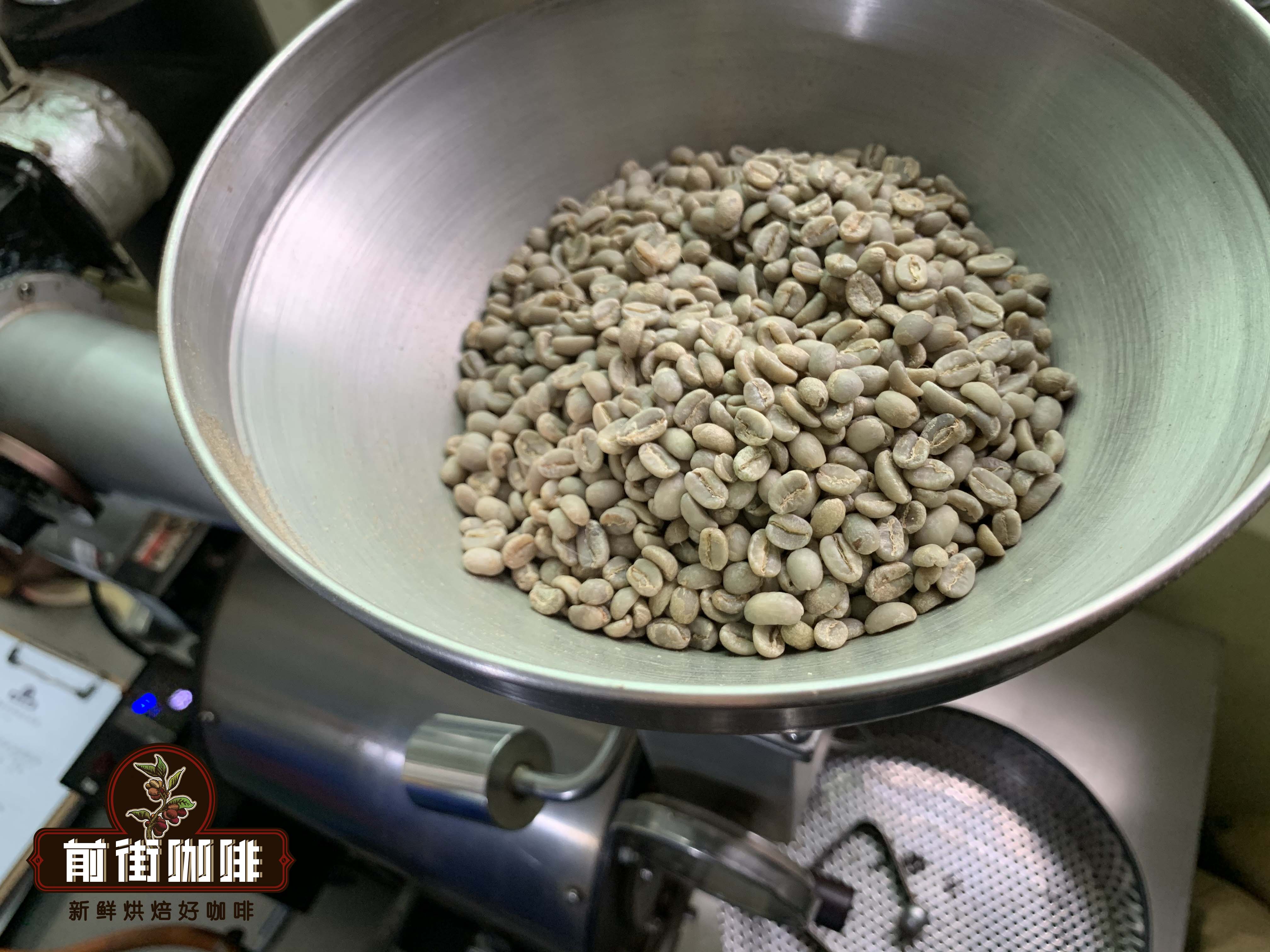
Light-roasted beans typically appear light brown, with a dry, non-oily surface and a firmer texture. This roast level preserves the most original flavors, featuring bright acidity often accompanied by citrus, berries, or floral notes, while maintaining good body and aftertaste. It’s ideal for drinkers who enjoy refreshing, complex cups.
Since heat hasn’t fully penetrated the bean core, improper control can lead to grassy or underdeveloped flavors—a common challenge for beginners. However, when using high-quality beans and proper technique, light roasts can showcase the most authentic regional characteristics, making them a popular choice in professional competitions and coffee tastings.
In terms of roast temperature, light roasts are generally conducted between170-200°Cand usually do not reach the “first crack” stage—the point where internal steam pressure causes the bean shell to rupture audibly.
Other common names for this stage include: Cinnamon Roast, Light Roast.
Take a high-altitude Ethiopian Yirgacheffe as an example. For pour-over brewing, the following parameters are recommended: use30g of water for a 30-second bloom, then pour in small circles until reaching125g for the first pour, pause when the water level drops near exposing the coffee bed, then continue pouring to225g before stopping, and remove the filter when the water level drops again. Total brew time is around2 minutes. This method helps fully extract fruity acidity and floral notes while maintaining a balanced acidity-sweetness profile.
[Flavor Profile] Bright berry and citrus acidity, paired with honey-like and creamy sweetness, resulting in a juice-like clarity with a lively, layered aftertaste.
Medium Roast: A Harmony of Balanced Acidity-Sweetness and Nutty-Chocolate Notes
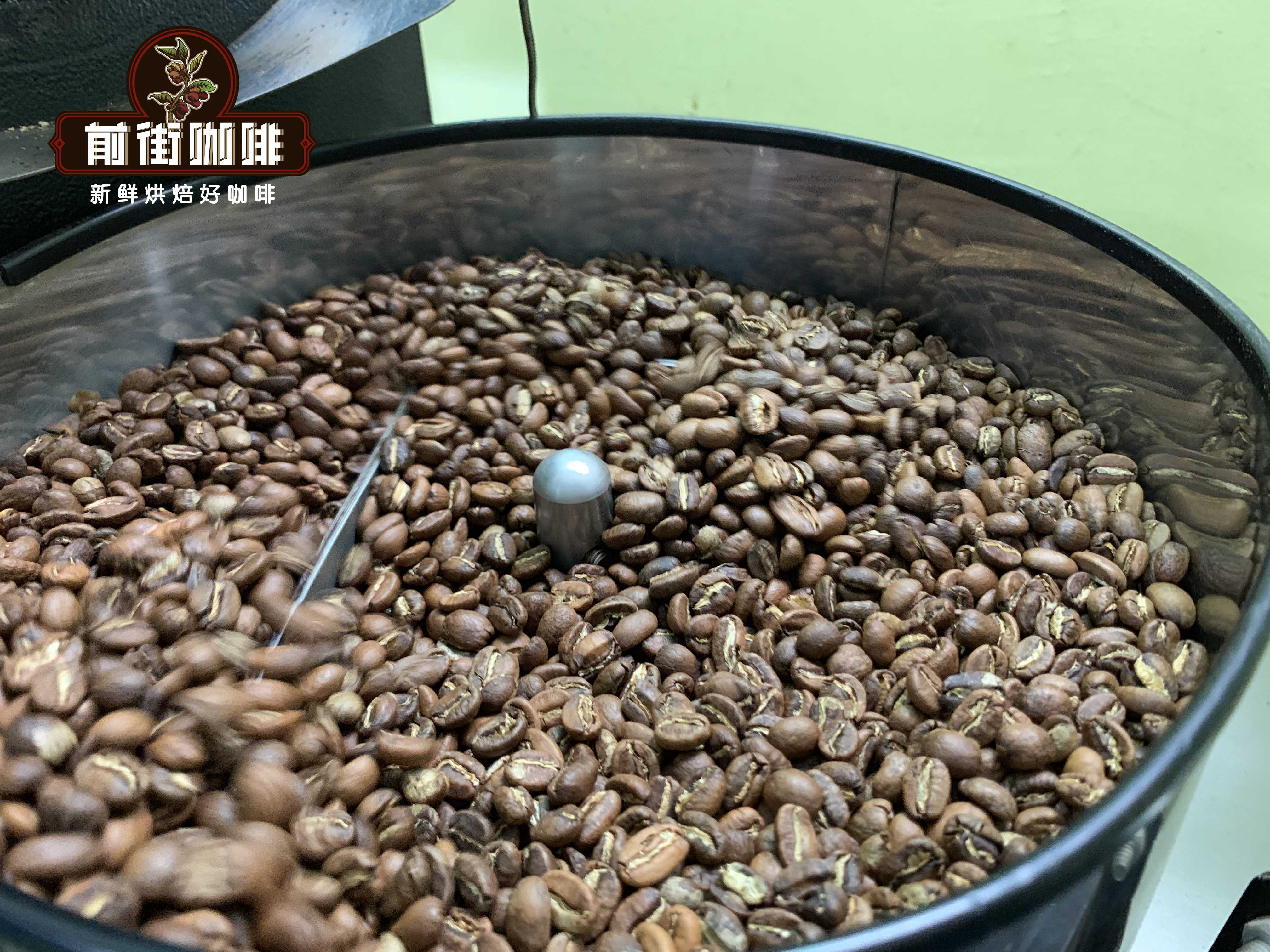
Medium-roasted beans appear uniformly brown, with slight surface oiliness and a slightly softer texture. At this stage, acidity becomes gentler, complementing sweetness well, while caramelization reactions within the bean core introduce warm notes like caramel, nuts, and chocolate. The overall profile is rounder and more approachable.
This roast level is favored by many coffee enthusiasts because it retains some regional character while improving smoothness and drinkability. For daily consumption or those new to specialty coffee, medium roast is often the best entry point.
Medium roast temperatures generally range between200-215°C, often ending just as the “first crack” begins to preserve moderate acidity and aroma while enhancing sweetness and body.
Other names for this stage include: Medium Roast, City Roast, or Medium-Dark Roast.
For a classic Brazilian bean, try using a Kono filter—its design reduces airflow and extends contact time, aiding in extracting nutty and chocolate flavors. Use30g of water for a 30-second bloom, thenpour in small circles until 125g for the first pour, then add water up to225g to finish brewing, with total time kept to around2 minutes.
[Flavor Profile] Gentle fruit acidity upfront, prominent nutty and dark chocolate notes mid-palate, and a sweet, rounded finish. The overall profile is balanced and layered.
Dark Roast: A Rich, Bold Experience of Body and Woody Notes
Dark-roasted beans appear dark brown to nearly black, with glossy surfaces and a soft texture. Acidity is nearly absent, replaced by intense bitterness-sweetness paired with deep notes of chocolate, caramel, malt, and wood. The cup feels full-bodied with a long, warming aftertaste, suiting those who prefer bold flavors or winter hot drinks.
Historically, dark roasts were popular for masking green bean defects, but with improved specialty green bean quality, they’re now used to highlight certain beans’ inherent intensity rather than cover flaws. Dark roasts suit beans with solid structure and rich internal compounds, which develop captivating complexity under high heat.
Dark roast temperatures typically reach220-225°C, often undergoing the “second crack”—a phase where internal pressure releases again with more frequent, denser cracking sounds.
Other common names include: French Roast, Italian Roast, Full City Roast.
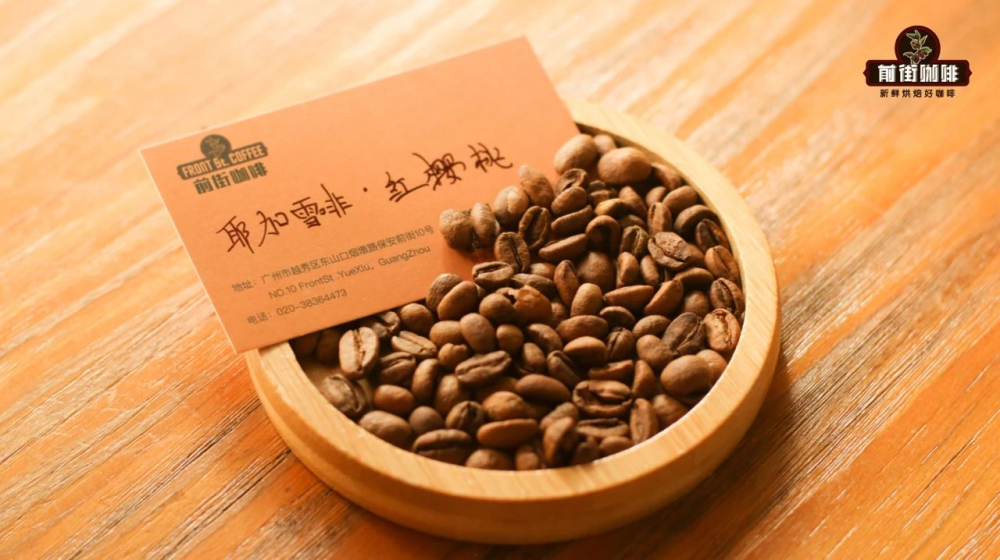
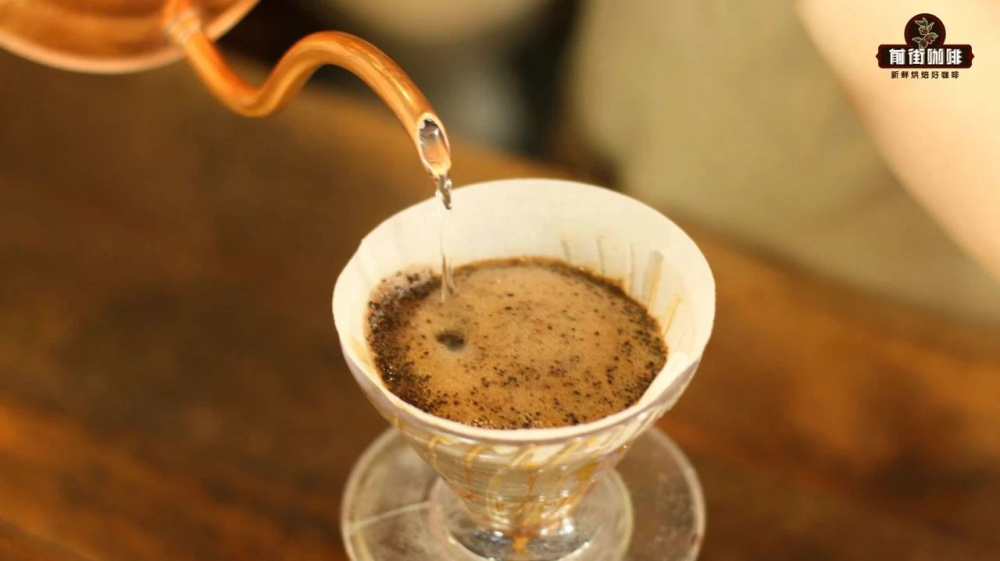
For pour-over, use aHario V60 filter, water at around 90°C, with a1:15 brew ratioand medium-fine grind (e.g., 80% through a Chinese standard #20 sieve). Again, use30g of water for a 30-second bloom, thenpour in small circles until 125g for the first pour, and top up to225g before stopping. Remove the filter as the water level drops, with total brew time around2 minutes.
[Flavor Profile] Bold and full-bodied, with pronounced caramel, malt, and woody aromas. The long finish carries a warm sweetness, with good overall balance—ideal for dark coffee lovers.
The above content is compiled by CoffeeHunters, a coffee news website.


