







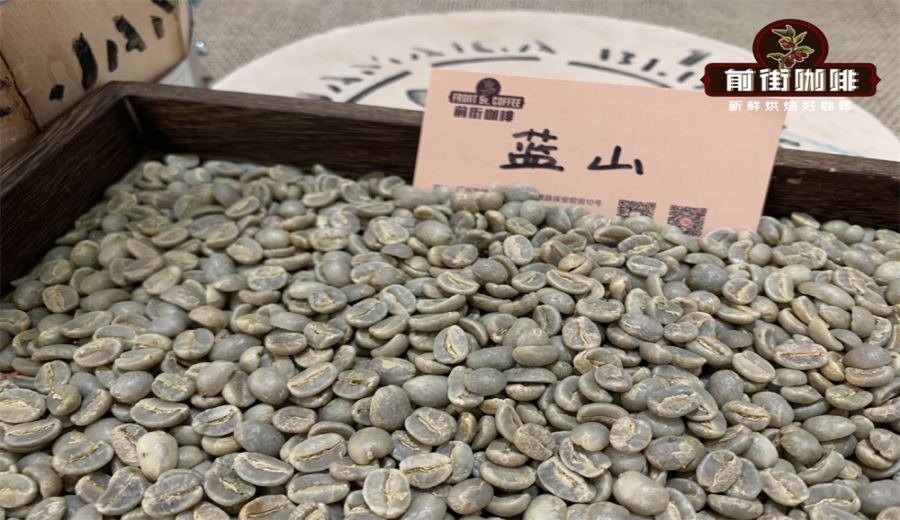
Introduction:Aside from the world-renowned Jamaican Blue Mountain, what other specialty coffees from this region are worth trying? This article delves into the differences between Blue Mountain, High Mountain, and Jamaica Grade coffees, details the grading standards from NO.1 to PB, and explores the characteristics of the Typica variety as well as the differences between washed and natural processing methods. It also includes professional pour over recommendations and flavor profiles to help you fully grasp the essence of this top-tier coffee.
The coffee produced in Jamaica is not limited to the Blue Mountain variety; the region actually has a clear internal grading system. From flavor characteristics to pricing factors, this article will systematically outline Jamaica’s three major coffee grades—Blue Mountain, High Mountain, and Jamaica Grade—and explain the strict evaluation criteria for NO.1, NO.2, NO.3, and PB (peaberry). It also takes an in-depth look at the varietal origins of Blue Mountain coffee, compares the flavor impacts of washed and natural processing methods, and provides professional pour over parameters and flavor profiles to help coffee enthusiasts better understand this internationally top-tier specialty coffee.
Market Positioning and Authenticity of Blue Mountain Coffee
Opinions on Blue Mountain coffee have always been polarized: enthusiasts praise its smooth mouthfeel and long-lasting aftertaste, while others find its performance rather ordinary. This difference essentially stems from personal taste preferences, but there’s no denying that Blue Mountain is indeed among the highest echelons of specialty coffee and one of the most expensive types of coffee in the world. Its lofty reputation is built upon its unique delicate, smooth, and clean flavor profile.
In the past, due to its scarce production and high price, the market was flooded with counterfeit products. In the early days when it first entered the Chinese market in limited quantities, some merchants passed off flavored products as the real thing, making it difficult for consumers to discern authenticity. With the growing demand in the Chinese market and the establishment of direct-from-origin supply channels, genuine Blue Mountain coffee is now relatively more accessible, and as long as you know the key points of identification, you can purchase the real thing.
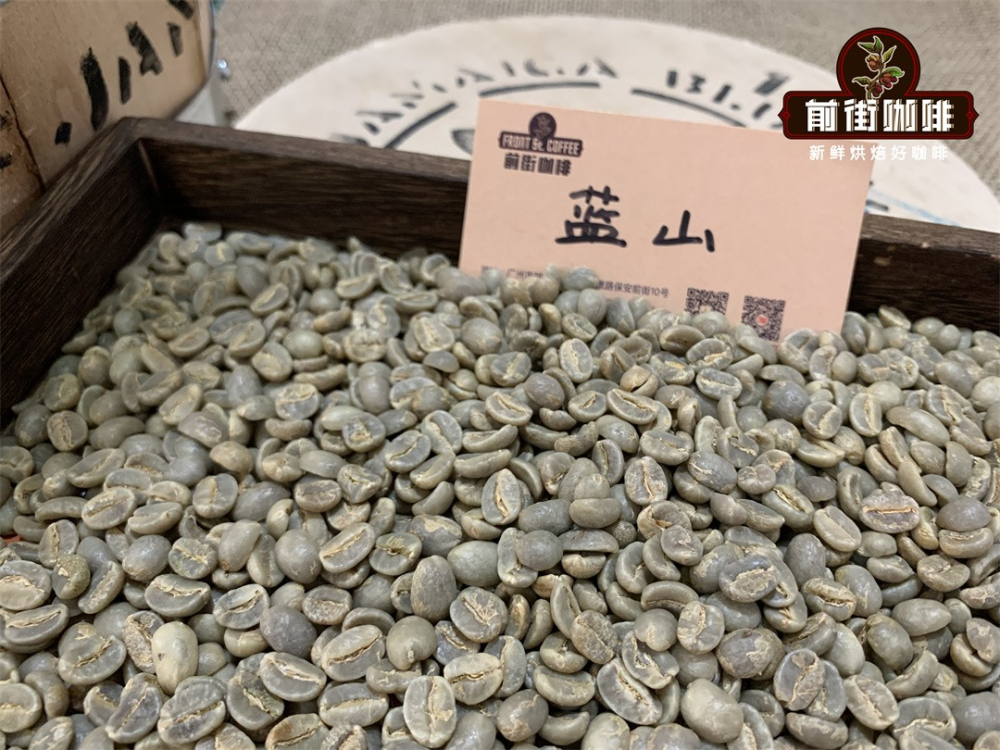
Growing Environment and Value of Blue Mountain Coffee
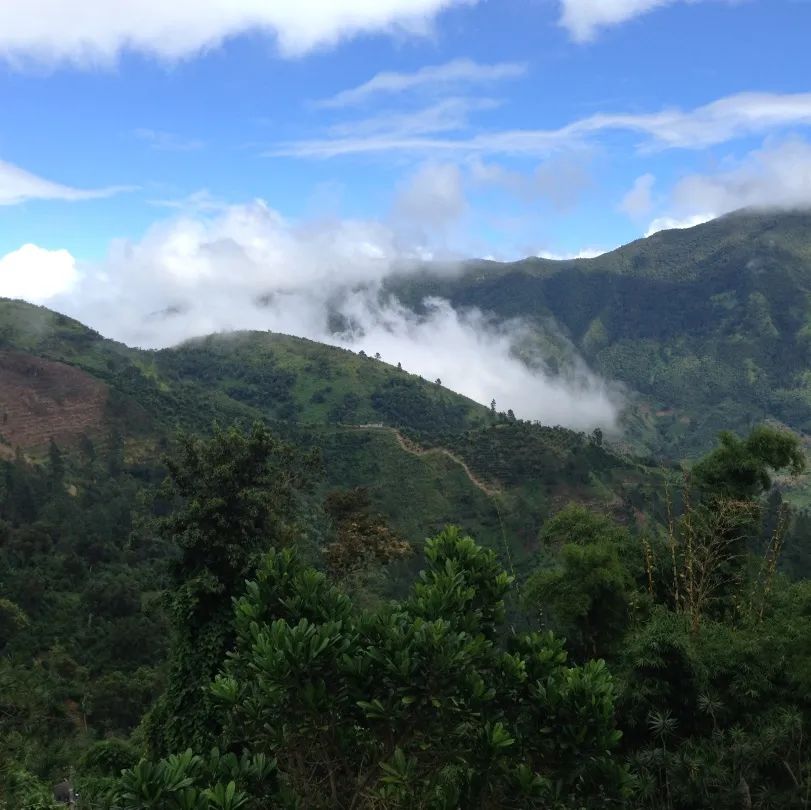
True Blue Mountain coffee is grown only in the Blue Mountains of eastern Jamaica at elevations above 800 meters, with products from the Clifton Estate in this bean list reaching up to 1310 meters. The mountain range is named for the unique blue hue it reflects under Caribbean sunlight, with its highest peak at 2256 meters, the tallest in the Caribbean region.
The producing area possesses ideal conditions for specialty coffee: fertile volcanic soil, an average annual rainfall of 1980 mm, a constant temperature of 27°C, and a perennial foggy environment. These factors together create Blue Mountain coffee’s extremely low caffeine content (less than half that of conventional varieties), as well as a unique flavor profile that cannot be replicated by other regions.
Grading System and Classification Standards
Jamaican Blue Mountain coffee is divided into three major grades: Blue Mountain Coffee, High Mountain Supreme, and Jamaica Prime. The first two are further subdivided into four quality levels: NO.1, NO.2, NO.3, and PB (peaberry).
According to CIB standards, top-tier NO.1 green beans must meet specifications of 17 mesh or larger, have a defect rate below 3%, and a moisture content of around 13%. Among these, PB peaberries are considered the finest, mainly produced at altitudes of 2100 meters, featuring intense and long-lasting fruity aromas and plump beans. The premium Blue Mountain wooden barrel packaging bears a green frog certification mark, indicating sustainable cultivation certified by the Rainforest Alliance.
Varietal Characteristics and Processing Technique Evolution
Blue Mountain coffee uses the ancient Typica variety originating from Ethiopia, which is characterized by its oval bean shape and red cherry tip, but it has low yield and weak disease resistance. Mature cherries appear bright red, laying the foundation for its unique flavor.
Traditionally, Blue Mountain coffee has only been processed using the washed method, which involves 12–18 hours of fermentation, water washing to remove the mucilage, and sun drying to achieve a moisture content of 12–14%. Nowadays, the natural processing method has also been introduced, which alters some aspects of the flavor structure but offers the market more diverse options. Both processes require strict control of parameters to ensure consistent quality.
Professional Brewing Parameters and Flavor Profile
It is recommended to use a Kono filter cone, brewing with water at 88°C and a 1:15 coffee-to-water ratio (15 grams of coffee to 225 ml of water) using medium grind (75% passing through a #20 sieve). The three-stage extraction process: the first stage is a 30-second bloom with 30 grams of water, then add water up to 125 grams in the second stage, followed by the final pour to reach 225 grams total, with a total brewing time of 2 minutes.
The flavor profile varies depending on the processing method:
• Natural (sun-dried) version: features berry acidity with tones of black plum and mulberry, paired with dominant notes of dark chocolate and nuts, and a slightly fermented finish
• Washed version: presents a rich, creamy smoothness with dark chocolate flavors, and an elegantly balanced acidity, sweetness, and bitterness
Note: Use freshly roasted beans within 5 days of roasting, and allow a resting period of 4–7 days for optimal flavor expression. The region also offers several single-origin beans to explore different flavor characteristics.
The above content is compiled by CoffeeHunters, a coffee news website.


