








Introduction:Geisha coffee is hailed as the pinnacle variety in the specialty coffee world. From its accidental discovery in the forests of Ethiopia in 1931 to its meteoric rise to fame at the Best of Panama (BOP) competition in Panama in 2004, its development journey is nothing short of legendary. This article will take you on an exploration of the migration path of the Geisha variety from Africa to the Americas, delve into the cultivation environments and processing methods of three representative farms—the Panamanian Hacienda La Esmeralda, Deborah Estate, and the Ethiopian Gesha Village Coffee Estate—and through hands-on cupping experiences, analyze the unique flavor profiles of different grade Geishas such as Red Label and Gold Label, providing you with a practical Geisha tasting guide.
The reputation of Geisha (Gesha) coffee, akin to that of Rolls-Royce in the automotive world, is the top-tier variety in the eyes of global specialty coffee enthusiasts. However, this journey from obscurity to international acclaim took over seventy years. Initially discovered in 1931 in the forests of Gesha, Ethiopia, it was subsequently introduced to Kenya, Uganda, Tanzania, and Costa Rica, finally arriving in Panama in 1970. But it wasn’t until 2004, when Hacienda La Esmeralda in Panama isolated it from other varieties and won the BOP competition with its unique aroma and flavors, that Geisha truly came into the spotlight.
Currently, Geisha coffee on the market can be broadly divided into two main types: one is the American Geisha, primarily grown in Panama, represented by renowned farms such as Hacienda La Esmeralda and Deborah Estate; the other is the African Geisha, originating from Ethiopia, exemplified by Gesha Village Coffee Estate. These two major producing regions, due to differences in terrain, altitude, climate, and processing methods, showcase distinctly different flavor profiles. Next, we will delve into the representative farms and their flavor characteristics in these two regions.
Geisha cultivation in Panama is mainly concentrated in the Chiriquí volcanic region, with the Boquete area standing out the most. This area boasts fertile volcanic soil, abundant rainfall, moderate temperatures, and the protection of high-altitude cloud cover, providing an ideal growing environment for Geisha. The diversity of microclimates further ensures that Geisha beans from each farm have their own unique flavor layers. Among them, Hacienda La Esmeralda is undoubtedly the most representative name.
The story of Hacienda La Esmeralda began in 1964, when American banker Rudolph A. Peterson retired and moved to Panama, purchasing this farm in Boquete, initially focusing on dairy farming. It wasn’t until 1987 that his son, Price Peterson, gave up his medical career to return and assist in managing the farm, introducing Caturra and Catuaí varieties. In 1994, they also established a washed processing facility, gradually building a complete production system.
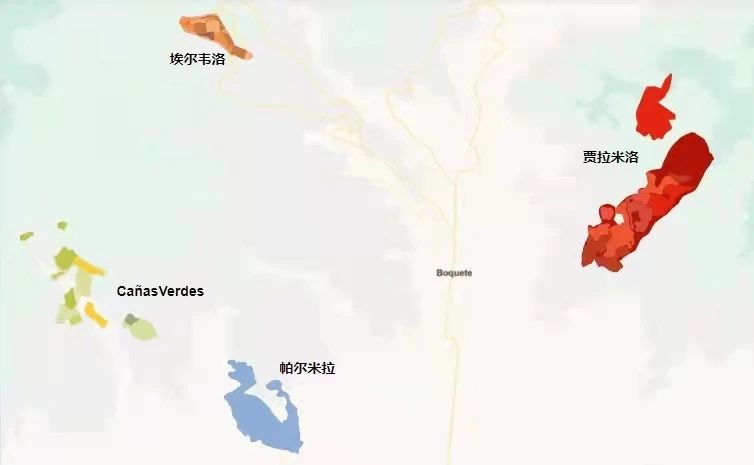
In 1996, Peterson discovered some coffee trees growing poorly but emitting a special aroma on the edge of the farm. After years of single-plant selection and cultivation, these coffee trees won the championship at the BOP competition in 2004—this was the Geisha variety that would later become world-famous. Currently, there are three main plots within Hacienda La Esmeralda where Geisha is cultivated, including Jaramillo, Cañas Verdes, and El Velo. Among them, Jaramillo was acquired as early as 1996, while El Velo was only incorporated into the farm’s holdings in 2012.
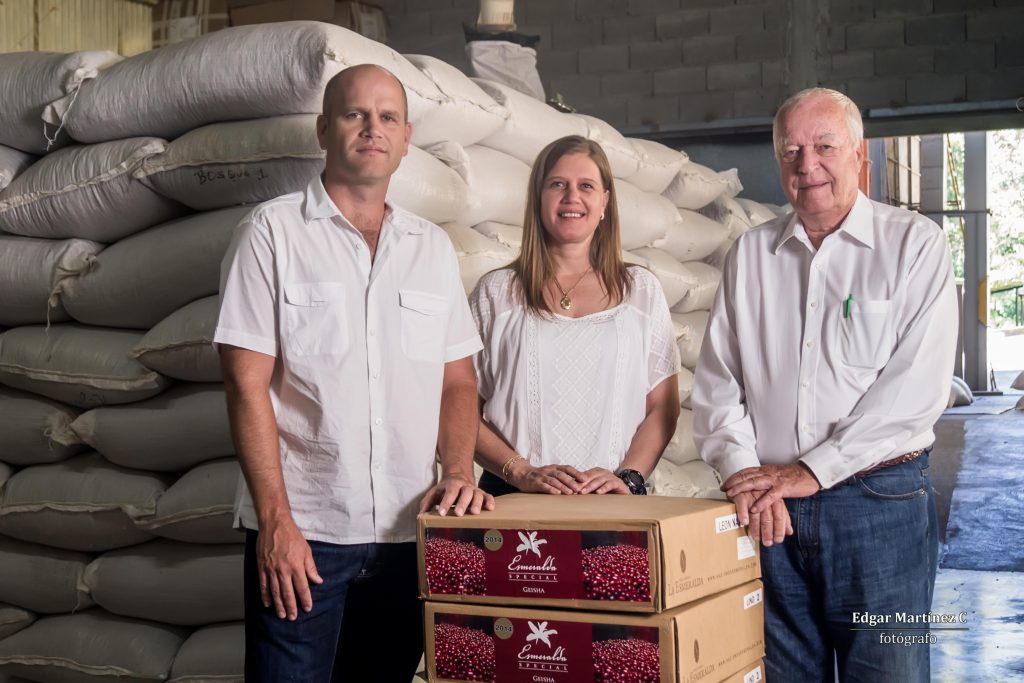
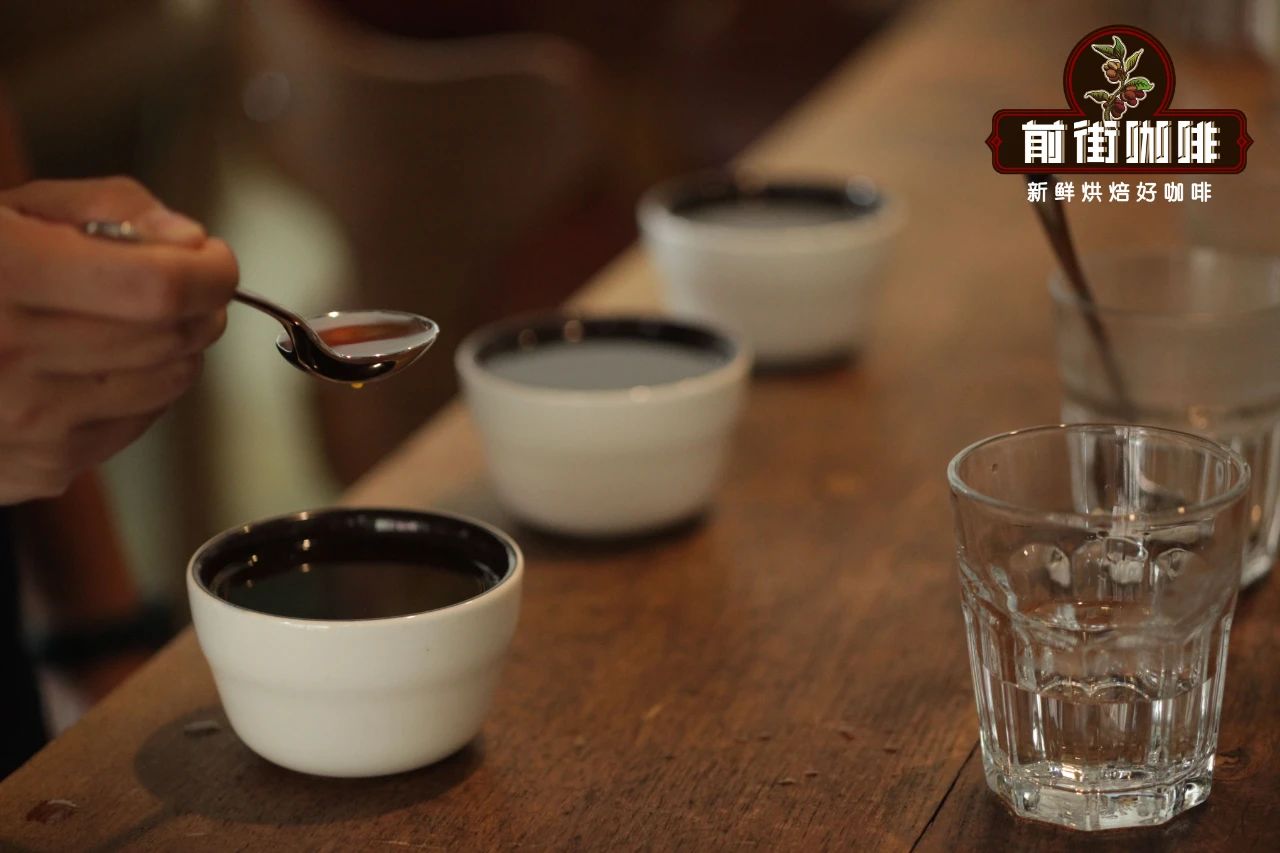
The Jaramillo plot, with its high altitude and superior microclimate, has always been representative of Geisha quality. Interestingly, this plot was originally used only as a windbreak until its rediscovery revealed its astonishing flavor potential. Cupping experiences at a well-known coffee shop showed that Hacienda La Esmeralda conducts rigorous cupping based on different altitudes and micro-blocks, thereby classifying them into grades such as Red Label, Green Label, and Blue Label, with the Red Label mostly sourced from the Jaramillo and Mario plots, making it one of the highest-quality Geishas.
This year, the Red Label Geisha purchased by a certain well-known coffee shop was processed using slow sun-drying, sourced from the Mario sub-plot within the Jaramillo sub-farm. This bean exhibits rich tropical fruit aromas, such as citrus and berries, along with honey and jasmine floral notes. As the temperature slightly drops, the honey sweetness and ginger flower aroma become more pronounced, with an overall bright acidity and layered complexity, a clean mouthfeel, and a long-lasting aftertaste. In terms of green bean appearance, Red Label Geisha features the typical long oval shape with pointed ends, almost no defect beans, and very strict quality control.
In addition to Hacienda La Esmeralda, another notable Geisha producer in Panama—Deborah Estate—is also worth attention. This farm is located in the high-altitude region of the Chiriquí volcano and is one of the most remote and highest-altitude coffee farms in the country. Farm owner Jamison Savage not only personally manages production but also integrates high-quality coffee resources from the surrounding area through the Savage Coffee project, using his own refined processing techniques to create uniquely flavored Geisha coffee.
The Deborah Savage Geisha purchased by a certain well-known coffee shop is medium-light roasted and dropped about 1 minute and 20 seconds after the first crack to fully showcase floral and fruity aromas and a balanced acidity and sweetness. Cupping results showed that this bean has distinct floral notes, lactic acid aromas, as well as sweet fruit tones of pineapple and berries, with an overall performance that is fresh and lively, featuring clear flavor layers, making it suitable for coffee lovers who enjoy fruity aromas and bright acidity.
When discussing African Geisha, one cannot overlook Gesha Village Coffee Estate in Ethiopia. The creation of this farm originated from documentary director Adam Overton and his photographer wife Rachel Samuel, who, while filming a coffee documentary in 2007, ventured deep into the Gera forest in the Bench Maji region and unexpectedly discovered wild Geisha tree varieties. With the help of coffee expert Willem Boot, they traced the origin to the Gori Gesha forest—believed to be the birthplace of the Geisha variety—and began planting there in 2009, establishing Gesha Village Farm.
Gesha Village Farm covers a total area of 475 hectares and is currently the only coffee production unit in Ethiopia operating according to the Panamanian farm model. They have a professional laboratory in Addis Ababa and conduct cupping and grading according to SCA standards, subdividing their products into multiple grades including auction, Gold Label, Red Label, Green Label, and Chaka, with each batch of coffee traceable to its origin. Among them, Gold Label Geisha accounts for only 5% of annual production and represents high quality.
The Gold Label Geisha selected by a certain well-known coffee shop comes from the Oma plot, with the variety being Gesha 1931, and is processed using the natural (sun-dried) method. During cupping, this bean exhibited rich yellow stone fruit aromas, such as apricot and mango, accompanied by white floral notes and a gentle tea-like texture, with a creamy smoothness in the aftertaste. Its sweetness is prominent, the acidity is soft, but the overall body is somewhat lacking, and the flavor layers become more singular as the temperature drops. Nonetheless, it remains an excellent choice for experiencing the flavors of Ethiopian native Geisha.
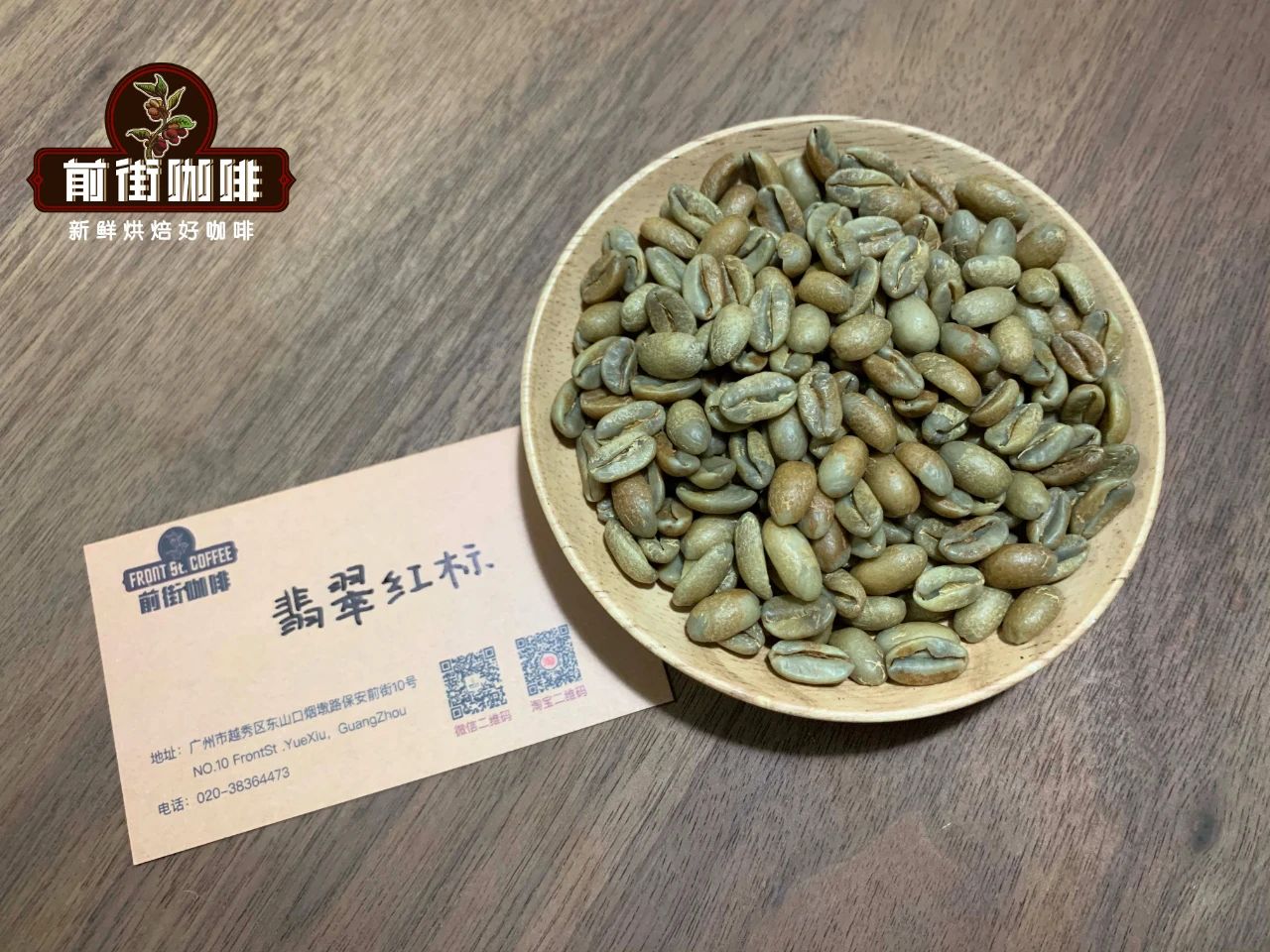
In summary, what makes Geisha coffee so captivating is not only its rare varietal background but also how different regions and farms, through variables such as altitude, microclimate, and processing methods, endow this coffee with diverse and fascinating flavor expressions. From the high-altitude cloud cover of Panama’s volcanic belt to the wild flavors of Ethiopia’s pristine forests, the migration and transformation of Geisha is a perfect reflection of the diversity and depth of specialty coffee culture.
The above content is compiled by CoffeeHunters, a coffee news website.


