







Introduction:Why has Panamanian Geisha become the world’s most expensive coffee? How does its flavor compare to Blue Mountain? This article delves into the journey of Geisha from Ethiopia to Panama, analyzes the unique terroir of the high-altitude Boquete growing region, and explains in detail the grading logic behind Emerald Estate’s Red Label, Green Label, and Blue Label. It also provides a high-value alternative with Flower Butterfly, along with professional pour over recommendations and parameters to help you fully appreciate the charm of Geisha.
When it comes to high-priced coffee, many people immediately think of Blue Mountain, but in fact, Panamanian Geisha often commands an even higher price. So what makes Geisha so expensive? Is its flavor really far superior to that of Blue Mountain? In truth, the two are not easily ranked one above the other, but each has its own characteristics and follows different flavor profiles. Blue Mountain is known for its richness, while Geisha is famed for its unique floral, fruity, and tea-like qualities—especially when grown at high altitudes and processed using special methods—which showcase exceptional detail and complexity.
Geisha originally comes from the Geisha Mountains in Ethiopia, but due to its tall plant stature and low yield, it was long used only as a windbreak. It wasn’t until the 1960s that it was introduced to Panama, where it found an ideal growing environment in the high-altitude Boquete region. It wasn’t until 2004 that the Emerald Estate’s Geisha first stood out in Panama’s Cup of Excellence competition. In the years that followed, it won numerous gold awards and set records at international auctions, selling for over $130 per pound, thereby establishing its status as the “diamond of the coffee world.”
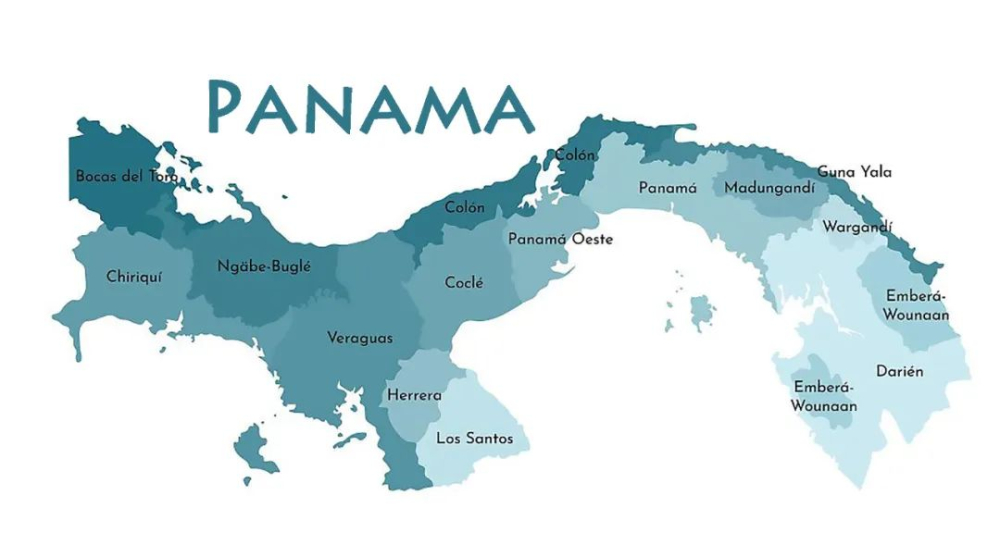
The Boquete region is located in western Panama’s Chiriquí Province, near the border with Costa Rica, at the foot of the Barú Volcano, with altitudes ranging between 1,400 and 1,900 meters. This area not only has fertile volcanic soil but also benefits from a unique microclimate—plentiful sunshine during the day, cool nights, significant diurnal temperature variation, and frequent cloud cover and showers—all of which create optimal growing conditions for coffee. In addition to Emerald Estate, the region is also home to renowned farms such as Elida Estate and Finca Kotowa Duncan, all celebrated for producing specialty-grade coffee.
When discussing Geisha, one cannot overlook Emerald Estate’s rigorous grading system. The commonly seen Red Label, Green Label, and Blue Label on the market are the result of strict categorization based on growing region, altitude, processing method, and cupping scores.
Emerald Select, also known as the Red Label Geisha on the market, is sourced from the Jalalí and Cañas Verdes plots at elevations between 1,600 and 1,800 meters, often scoring 90 points or higher in cupping evaluations. These beans are only released through the estate’s exclusive auctions, processed via washed or natural methods, and exhibit extremely bright floral notes, citrus tones, along with complex fruit and honey undertones. The texture is delicate, with well-defined layers.
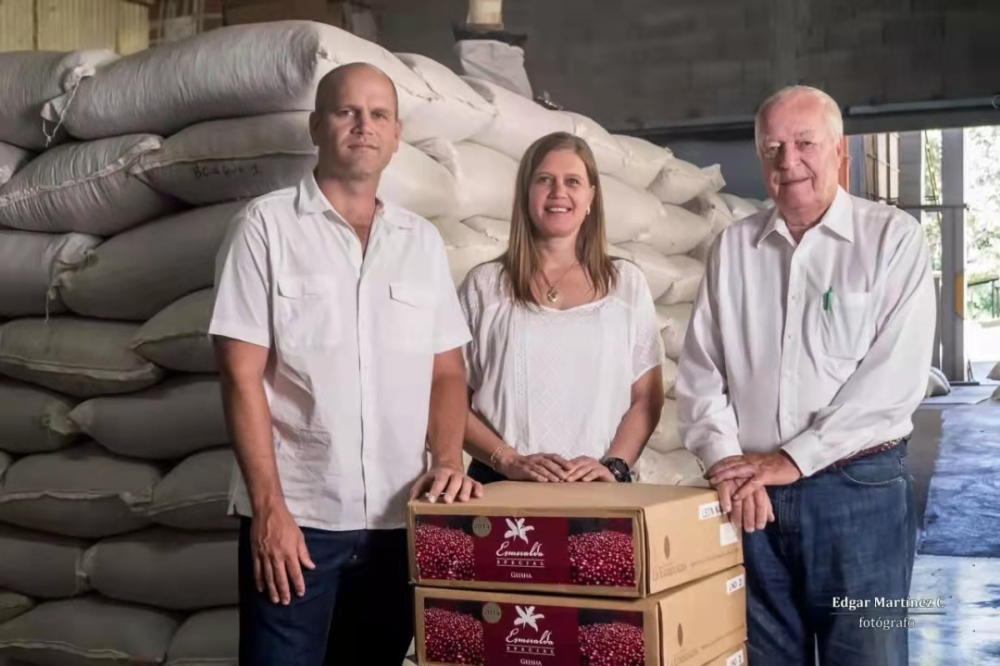
The Green Label, also referred to as Private Collection, though not part of the auction, also comes from high-altitude micro-lots with similar elevation ranges to the Red Label. The Green Label is usually a blend from multiple plots, with no specific origin indicated, so flavor can vary slightly between batches. Nonetheless, it retains the classic Geisha traits of floral and fruity notes, bright acidity, and a rich body. It is available in both washed and natural processing methods, offers relatively better value, and is a great choice for experiencing the flavor of Geisha.
The Blue Label Geisha, also called Geisha 1500, is a blend of beans from three plots at elevations between 1,400 and 1,500 meters, including Jalalí, Cañas Verdes, and El Velo. The flavor of this grade of Geisha is relatively milder, featuring subtle floral notes, fruit acidity, and sweetness, with a less dense body—making it suitable for those new to Geisha flavors. Originally available only in washed processing, a natural version has also been introduced since 2020, adding more diversity in flavor.
If you’d like to experience the unique charm of Geisha but have a limited budget, consider Panamanian Flower Butterfly coffee. This blend consists of 70% Geisha and 30% Caturra and Catuai, grown in the Barú Volcano area of Boquete at around 1,600 meters altitude. It undergoes meticulous washed processing and presents clear citrus, berry, and jasmine aromas, along with soft sweetness and a long-lasting aftertaste. Its layered flavors and affordable price make it a good entry point for exploring Geisha characteristics.
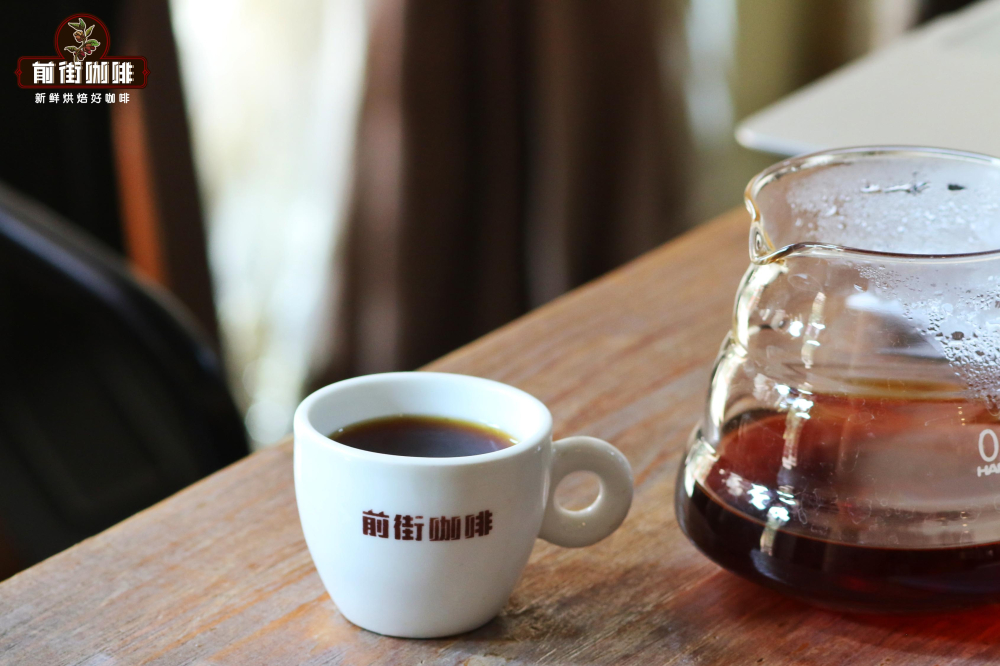
For pour over recommendations on Geisha, due to its harder bean density, it is advised to use a grind size of about 80% passing through a Chinese standard No. 20 sieve (similar to fine sugar), with around 15 grams of coffee, paired with a Hario V60 size 01 filter. The coffee-to-water ratio should be controlled at 1:15, with a water temperature of approximately 91°C. These parameters help balance extraction rate and concentration, fully showcasing Geisha’s fruit acidity, floral notes, and delicate finish, while avoiding over-extraction or filter clogging.
In summary, Panamanian Geisha’s status as the world’s most expensive coffee is not only due to its rarity and auction prices, but also because of its unique growing environment, refined processing methods, and the unprecedented flavor experience it delivers. Whether you choose the premium Red Label, the accessible Green Label, or the great-value Flower Butterfly, you can experience the distinctive charm of Geisha as a representation of specialty coffee.
The above content is compiled by CoffeeHunters, a coffee news website.


