








Introduction:Understanding the differences between single-origin, specialty, and blended coffee beans is the first step toward a deeper appreciation of coffee. This article systematically breaks down the characteristics and ideal usage scenarios of these three types of beans—from origin, SCA international scoring standards, roasting strategies to practical brewing applications—while also providing common flavor descriptions and practical advice. It helps you choose the most suitable coffee beans based on your needs, whether for pour over or espresso extraction, with ease and confidence.
In the world of coffee, single-origin, specialty, and blended coffee beans represent three different philosophies of origin and pursuits of quality. Single-origin coffee emphasizes "where it comes from," meaning the beans originate from a single region or even a single estate, allowing drinkers to trace the roots of the flavors. Specialty coffee takes this a step further by evaluating beans rigorously according to international standards—only those scoring 80 points or above from the SCA (Specialty Coffee Association) can be classified as specialty grade. Blended coffee, on the other hand, is crafted by combining beans from different origins in specific proportions to achieve balanced and stable flavors while also effectively controlling costs. It's a practical choice for many cafés and home users.
As the name suggests, single-origin coffee (Single Origin) comes from a single origin, which could be a country, a specific growing region, or even a well-known individual estate. The most distinctive feature of this type of coffee is its highly regional flavor profile, reflecting the uniqueness of the local microclimate, soil, and cultivation conditions. For example, coffee from Ethiopia’s Yirgacheffe often exhibits pronounced floral and citrus notes, while Colombian coffee may showcase caramel sweetness and layers of tropical fruit. These flavors are often most clearly appreciated without milk or sugar—in other words, in what we commonly refer to as "black coffee."

Single-origin coffee can be further divided into specialty and commercial grades based on quality. The criterion for specialty coffee is achieving an SCA score of 80 or higher, which means the beans have been rigorously evaluated in terms of green bean appearance, defect rate, flavor complexity, cleanliness, and overall consistency. Those that do not meet this standard, even if they come from a single origin, are classified as general commercial-grade single-origin beans. In terms of brewing methods, single-origin coffee is typically brewed using techniques like pour over or siphon pots that highlight subtle details. It is recommended to adjust water temperature and extraction time according to roast level—for instance, medium-light roasts suit slightly higher temperatures to bring out fruity acidity and aroma, while medium-dark roasts can use slightly lower temperatures to avoid over-extraction and bitterness.
The reason specialty coffee is regarded as a symbol of high quality goes beyond the scoring threshold. It also lies in the uniqueness of its growing environment. Microclimates, altitude, and soil nutrients all influence the final flavor profile of the coffee. As a result, different regions within the same producing country—or even different estates within the same region—can produce distinctly different flavor profiles. This is why many coffee enthusiasts, after gaining a deeper understanding, begin to pay attention to origin information, processing methods, and roast curves, thereby enjoying the pleasure of exploring diverse flavors.
As for blended coffee beans, they are created by mixing beans from two or more origins according to the roaster’s design philosophy, with the goal of producing a final product that is flavor-balanced, layered, and consistent. Blending is not just a technique but also a form of creation. Roasters select beans from different regions based on desired taste profiles—such as rich and bold, sweet and acidic balance, or prominent milkiness. A common combination might pair beans from Central and South America with those from Southeast Asia. The former provides bright acidity and fruity notes, while the latter adds body and deeper sweetness.
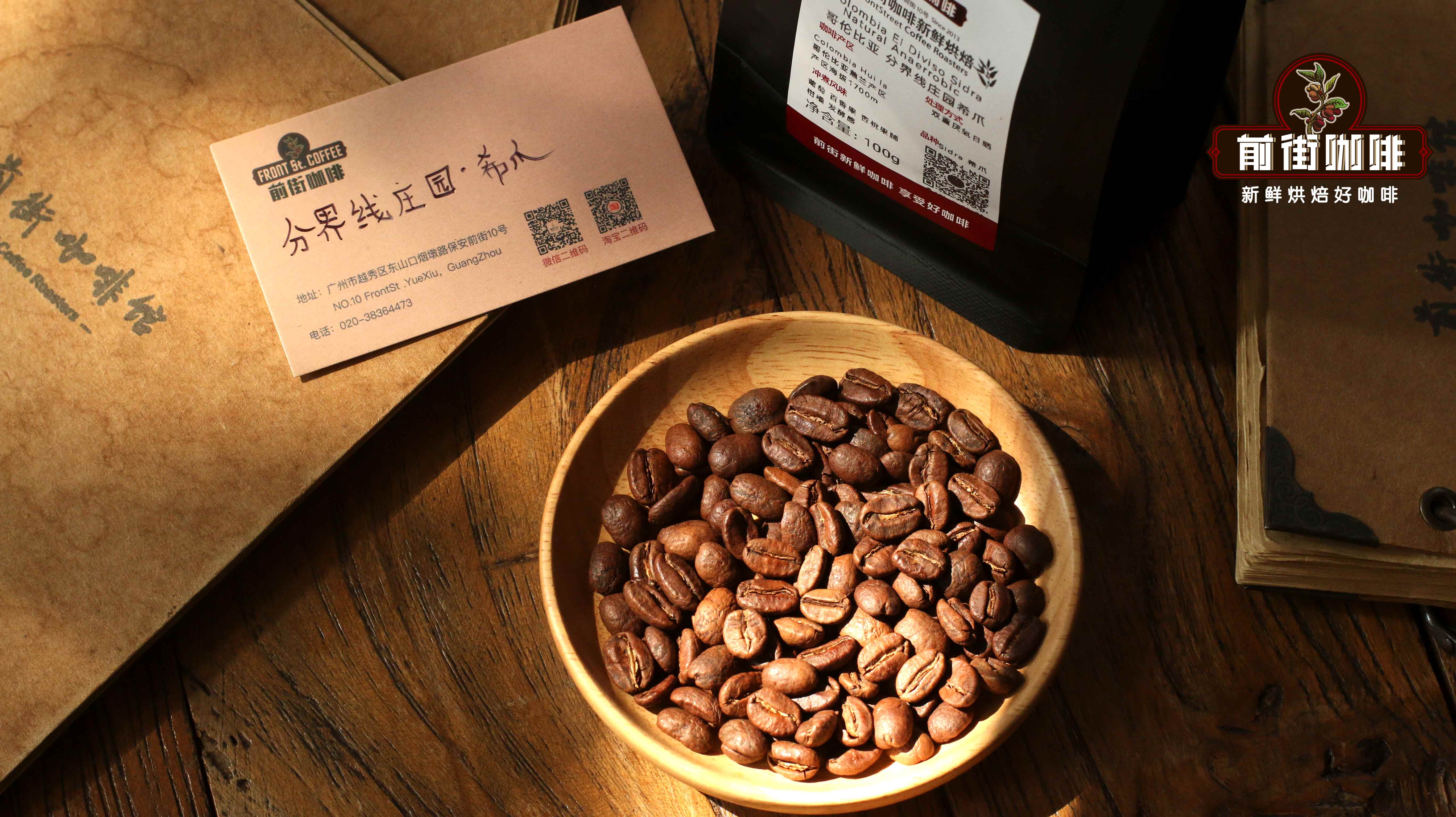
The advantage of blended coffee lies in its flavor stability and consistency, making it especially suitable as a base for espresso—ensuring that every cup of latte or cappuccino performs flawlessly. Additionally, because blending can flexibly leverage the characteristics of various regions, it can also optimize costs to some extent, making it generally more affordable than premium single-origin coffee. It’s a cost-effective choice for many coffee lovers’ daily consumption. If you’re new to coffee or looking for a high-value blend, you might want to try a formula that combines small-seed varieties from Yunnan with Brazilian Red Bourbon. Such combinations are common in everyday blends, offering a soft nuttiness and moderate sweet-acid balance, along with rich crema and suitability for various brewing methods. They perform stably whether used in home semi-automatic machines or commercial ones.
In summary, understanding the distinctions among single-origin, specialty, and blended coffee beans can help you choose coffee products that better match your taste preferences and budget. Single-origin coffee is ideal for enthusiasts who want to deeply explore origin flavors and processing methods. Specialty coffee is the top choice for coffee aficionados pursuing ultimate quality and certified scores. Meanwhile, blended coffee stands out for its stability, balance, and affordability, making it an ideal option for daily drinking or high-volume use. No matter which type you choose, pairing it with the right brewing parameters and equipment will allow you to fully experience the diverse charm of coffee.
The above content is compiled by CoffeeHunters, a coffee news website.


