








Introduction:Delve into the supply chain and regional allure of Kenyan coffee—from the quality philosophy of the historic Dormans Boman Estate to the defining characteristics of the Nyeri, Kirinyaga, and Murang’a regions. This article systematically explores Kenya’s coffee grading system, K72 washed processing technique, and how microclimates influence flavor. It also includes a pour over brewing guide and authentic tasting notes for Kenya’s “little tomato” beans, serving as a practical guide for coffee enthusiasts seeking to understand East African specialty coffee.
Kenya boasts high altitudes and fertile volcanic soils, along with distinct wet and dry seasons, making it one of the world’s premier regions for specialty Arabica coffee. Its beans are widely praised for their bright, clean acidity, deep floral and wine-like complexity, and are especially renowned for their distinctive berry and little tomato-like acidity. A well-known coffee brand has long recommended Kenyan beans as a staple offering, thanks to their unforgettable flavor profile—especially appealing to those who enjoy vibrant acidity and full-bodied cups.
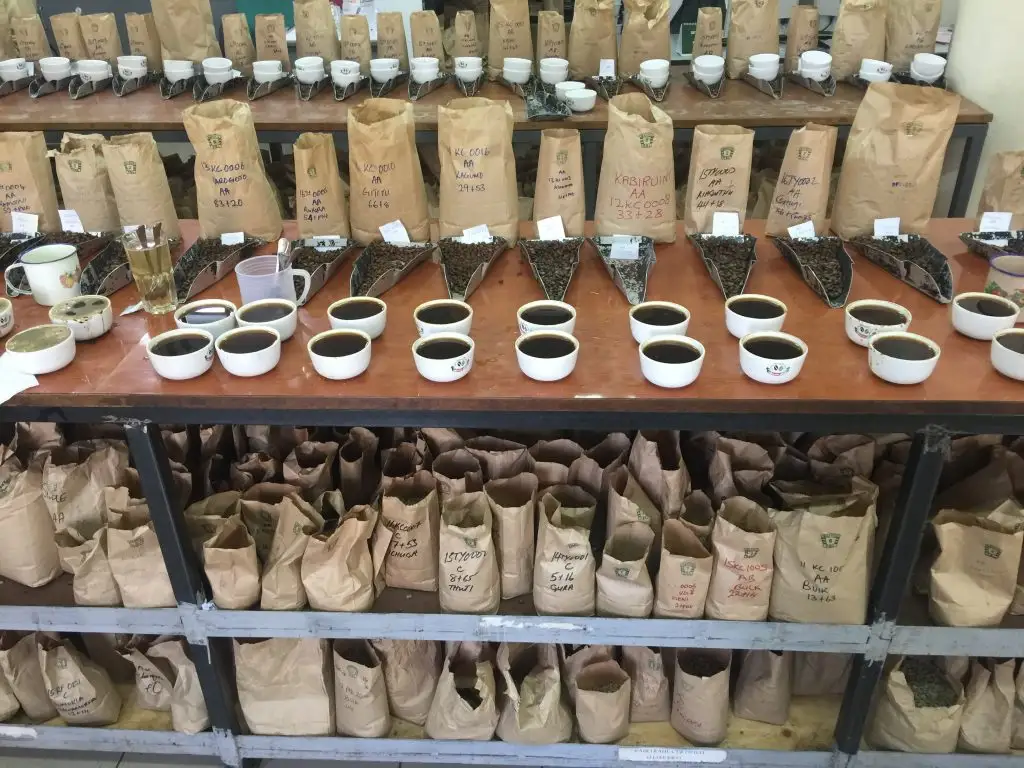
To truly understand Kenyan coffee, start with one of its most iconic producers: Dormans (Boman Estate). Founded in 1950, Dormans is one of Kenya’s largest coffee suppliers. Its consistent quality and international acclaim have earned it the title “King of African Coffee.” The estate sources beans exclusively from smallholder farmers in the pristine highlands around Nairobi, where the coffee is handpicked, naturally dried, and meticulously sorted by altitude and harvest season. Dormans operates a rigorous cupping protocol—its Q graders evaluate nearly 1,500 samples weekly, selecting only the top batches for roasting to ensure each lot showcases the peak potential of Kenyan beans.

Kenya’s prominence in the global coffee market stems from its robust industry framework and accumulated expertise. Though coffee arrived relatively late in Kenya, British colonial introduction and subsequent research investment rapidly established a comprehensive cultivation and grading system. The Scott Laboratories (established in 1922) developed the SL28 and SL34 varieties, which thrive in local conditions and remain the cornerstones of Kenya’s specialty coffee. Additionally, planting cooperatives and the National Coffee Board—founded in 1931 and 1937 respectively—drove quality improvements through policy and market initiatives. The Nairobi Coffee Exchange, launched in 1937, institutionalized the auction system, ensuring transparency and international recognition of coffee quality.
Kenya’s coffee grading system is another key pillar of its quality assurance. Beans are classified primarily by size and cupping scores, ranked from highest to lowest as: AA or AA+, AB, PB, C, E, TT, and T. Among these,AA and AA+ gradesfeature beans sized 17–18 mesh, typically offering the richest flavors and highest cupping scores;AB gradebeans measure 15–16 mesh and form the bulk of market circulation. Kenya also employs unofficial but widely recognized premium grades—such as TOP, PLUS (+), and FAQ—based on cupping performance. These grades, often used in exporters’ internal standards, help buyers identify higher-quality lots.
The signature bright acidity and juicy profile of Kenyan coffee owe much to its distinctiveK72 washed process. Unlike conventional washed methods that ferment for just 36 hours, Kenya extends fermentation to 72 hours, allowing for more thorough mucilage removal and the development of richer flavor compounds. The beans are then dried slowly to stabilize moisture at 12%. This process yields Kenyan coffee’s unmistakable crisp acidity, full body, and lingering aftertaste—setting a benchmark for washed coffees.
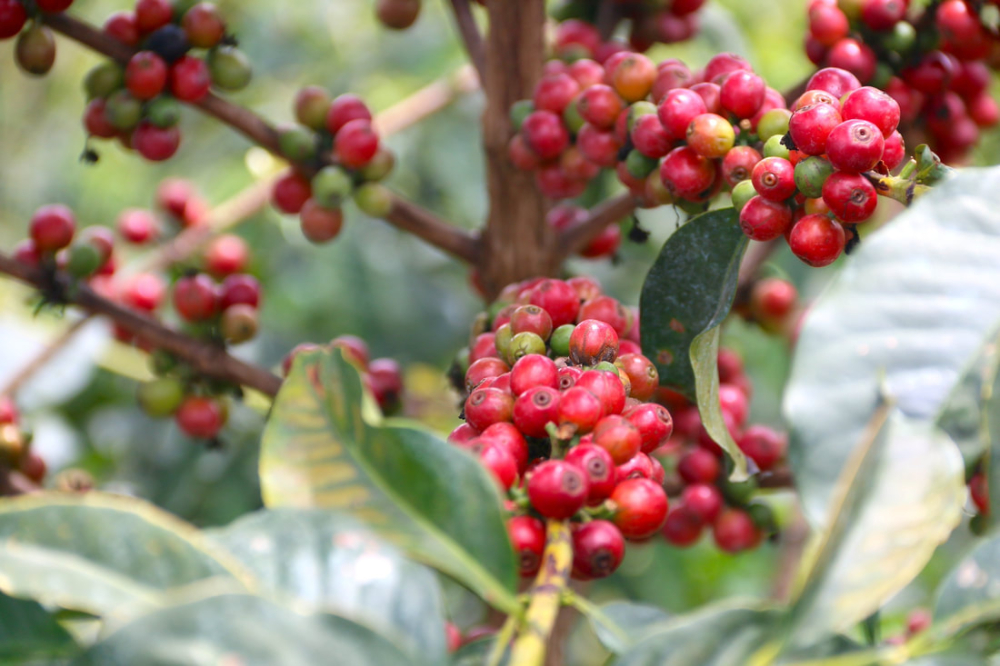
Kenya’s coffee regions are concentrated in the central and western highlands, with several microclimate-rich areas in the center standing out. Key regions include Nyeri, Kirinyaga, Murang’a, Kiambu, Embu, and Kirinyaga, each offering unique flavor profiles shaped by altitude, soil, and microclimate. Below are detailed highlights of three premier producing areas:
Nyeri (尼耶利): Nestled at the foot of Mount Kenya, this region features extinct volcano landforms and red soils, and is home to the densest network of smallholder coffee cooperatives. Altitudes range from 1,200 to 2,300 meters, with the main harvest from October to December and a secondary season from June to August. Dominant varieties include SL-28, SL-34, Ruiru11, and Batian, yielding coffees with intense berry and citrus notes.
Murang’a (穆蘭加): Located inland in Central Province, once the first settlement of Portuguese missionaries, this area also boasts fertile volcanic soils. Altitudes range from 1,350 to 1,950 meters, with harvest timing similar to Nyeri. Production is primarily smallholder-driven, featuring classic varieties like SL-28. The coffee exhibits distinct layers and balanced acidity-sweetness.
Kirinyaga (麒麟雅嘉): Situated on the slopes of Mount Kenya, adjacent to Nyeri, this internationally acclaimed top-tier region sits between 1,300 and 1,900 meters. Managed by numerous smallholders through cooperatives, its coffee is known for its complex structure, bold body, refined acidity, and frequent floral and stone fruit nuances.
Finally, to give readers a tangible taste of Kenyan coffee’s charm, here’s a practical pour over guide for a “little tomato”-flavored lot from the Thika region, processed by the Asaliya Factory. This batch, made from SL28 and SL34 varieties, is washed and grown at around 1,550–1,750 meters—ideal for showcasing its delicate profile via pour over.
Kenyan Little Tomato Coffee Bean — Pour Over Parameters
Coffee dose: 15g
Brew ratio: 1:15
Water temperature: 89–92°C
Grind size: EK43S #10 (medium-fine)
Brew time: ~2 minutes
Steps:
1. Start with a 30g bloom for 30–35 seconds;
2. Add water up to 125g, letting the water level drop halfway by ~1 minute;
3. Pour the remaining water (total ~225–255g) within 1 minute 30 seconds to 1 minute 40 seconds;
4. Remove the filter at ~2 minutes and enjoy the flavors.
Flavor profile:Prominent berry and dark cocoa aromas; syrupy mouthfeel; medium-high, crisp acidity balanced with gentle bitterness; clean and bright overall, with a long, sweet aftertaste.
The above content is compiled by CoffeeHunters, a coffee news website.


