







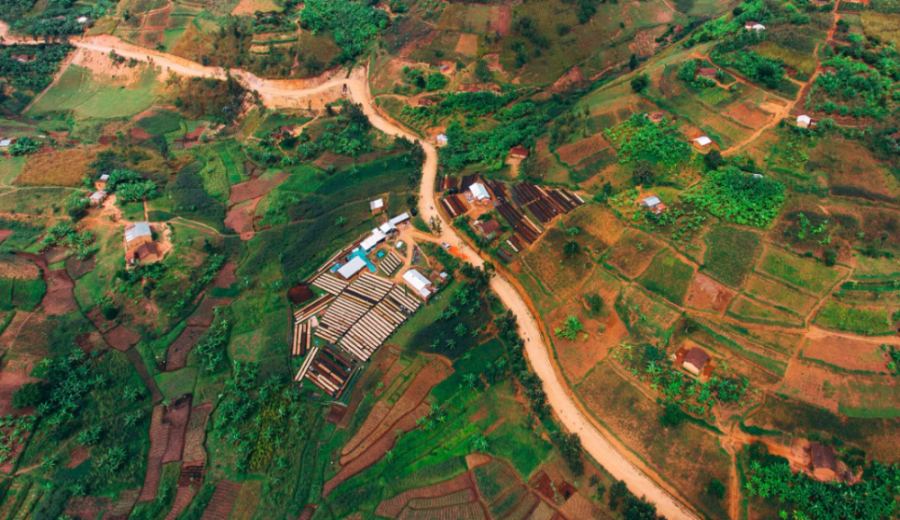
Introduction:Rwanda, an inland African country known as the "Land of a Thousand Hills," boasts high altitudes and volcanic soil that nurture delicate washed Arabica coffee. This article delves into its growing environments, historical evolution, major varieties, and processing methods, while also exploring the unique characteristics of three key cultivars—Bourbon, Caturra, and Catuai—and providing practical pour over recommendations to help you fully appreciate the charm of Rwandan coffee.
When Rwanda is mentioned, many may first think of its rich natural landscapes or turbulent history. But for coffee enthusiasts, this "Land of a Thousand Hills" in Central Africa is also one of the important origins of specialty coffee. Thanks to its high-altitude terrain, abundant rainfall, and fertile volcanic soil, the Arabica coffee produced in Rwanda generally features bright acidity, a delicate mouthfeel, and lingering notes of plum, citrus, berries, and honey.
In the past, Rwandan coffee was mostly exported as a commodity with unremarkable quality. However, since 2001, with national stability and government-led specialty coffee initiatives, the local industry has gradually transformed. Today, it reliably produces high-quality washed coffee and has begun making its mark on the international stage. Notably, renowned regions like Nyamasheke in the west are celebrated for their coffee's rich complexity and sweet aftertaste.
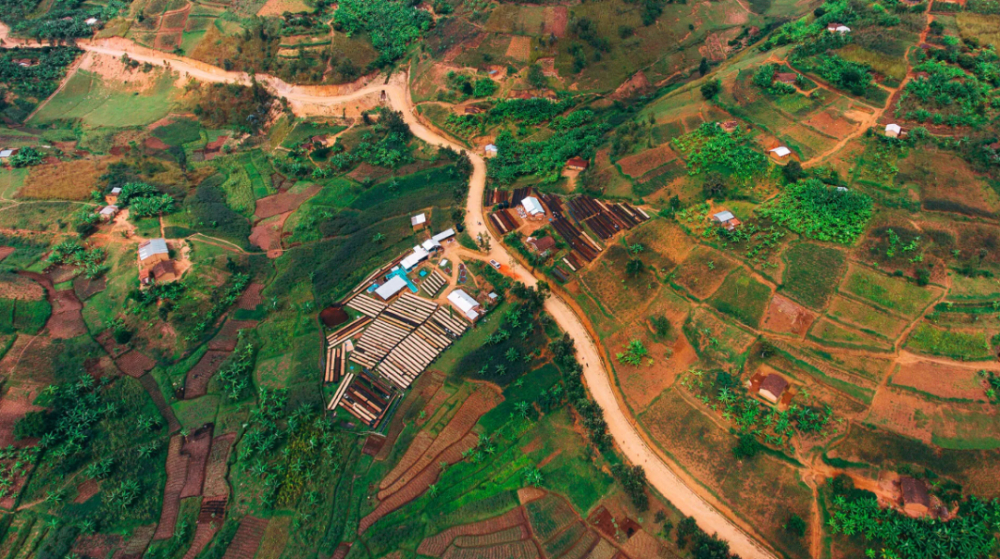
Rwanda is a mountainous country, hence its nickname "Land of a Thousand Hills." Its terrain primarily consists of plateaus and mountains, with a climate classified as tropical highland and tropical savanna. Rainfall is evenly distributed year-round, creating ideal conditions for coffee cultivation. Many areas feature high elevations, typically between 1,500 and 2,000 meters—perfect for growing premium Arabica. Additionally, the mineral-rich soils formed by ancient volcanic activity, combined with excellent drainage, provide an optimal environment for coffee cherries.
Coffee exports account for over 70% of Rwanda’s total exports, making it a vital pillar of the national economy. Approximately 33,000 hectares of land are dedicated to coffee farming, with over 500,000 people directly or indirectly involved in the industry—most of them smallholder family farms. Notably, local farmers often practice natural farming methods, rarely using chemical fertilizers or pesticides, and instead rely on cover crops and traditional organic approaches to maintain soil health.
Rwanda’s coffee truly began its journey toward specialty status in the early 2000s. In earlier years, the country was successively colonized by Germany and Belgium, where coffee cultivation was introduced by missionaries but primarily met the demands of the colonial powers, resulting in generally low quality. It wasn’t until after Rwandan independence, with the establishment of official coffee management bodies and later the National Agricultural Export Development Board (NAEB), that the industry gradually shifted toward quality-oriented production. Especially after political stabilization, the region heavily invested in washed processing techniques and smallholder cooperative models, leading to significant improvements in coffee quality.
Currently, Rwanda has over 220 private washed coffee processing stations, most operated by exporters or farmer cooperatives. On average, each station serves 50 to 100 smallholder farms. Every station is equipped with professional technicians and undergoes regular inspections by official botanists and cuppers to ensure every step—from harvesting to processing—meets the stringent standards of specialty coffee.
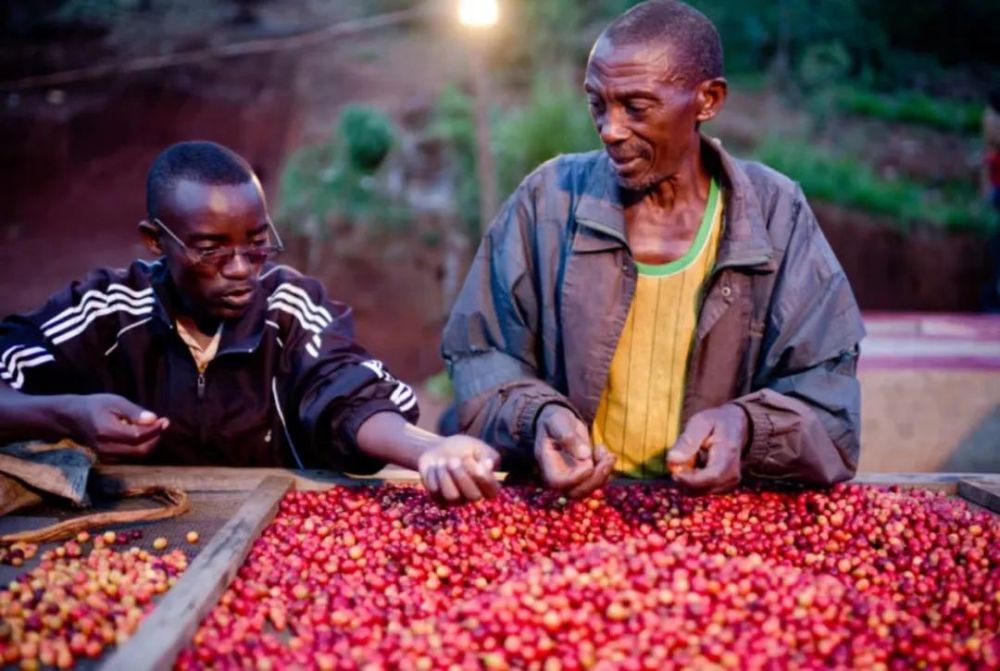
Washed processing is the predominant method used in Rwanda, highlighting the coffee’s cleanliness and bright acidity. During harvest season, farmers carefully select ripe red cherries for delivery to processing facilities. The cherries undergo manual sorting to remove underripe or defective ones, followed by pulping. They are then fermented at low temperatures for 12 to 18 hours to break down the mucilage. Afterward, they are thoroughly rinsed with clean water until all mucilage residues are removed. Finally, the parchment-covered beans are dried on raised beds under ample sunlight, with regular turning to ensure even moisture reduction below 14%.
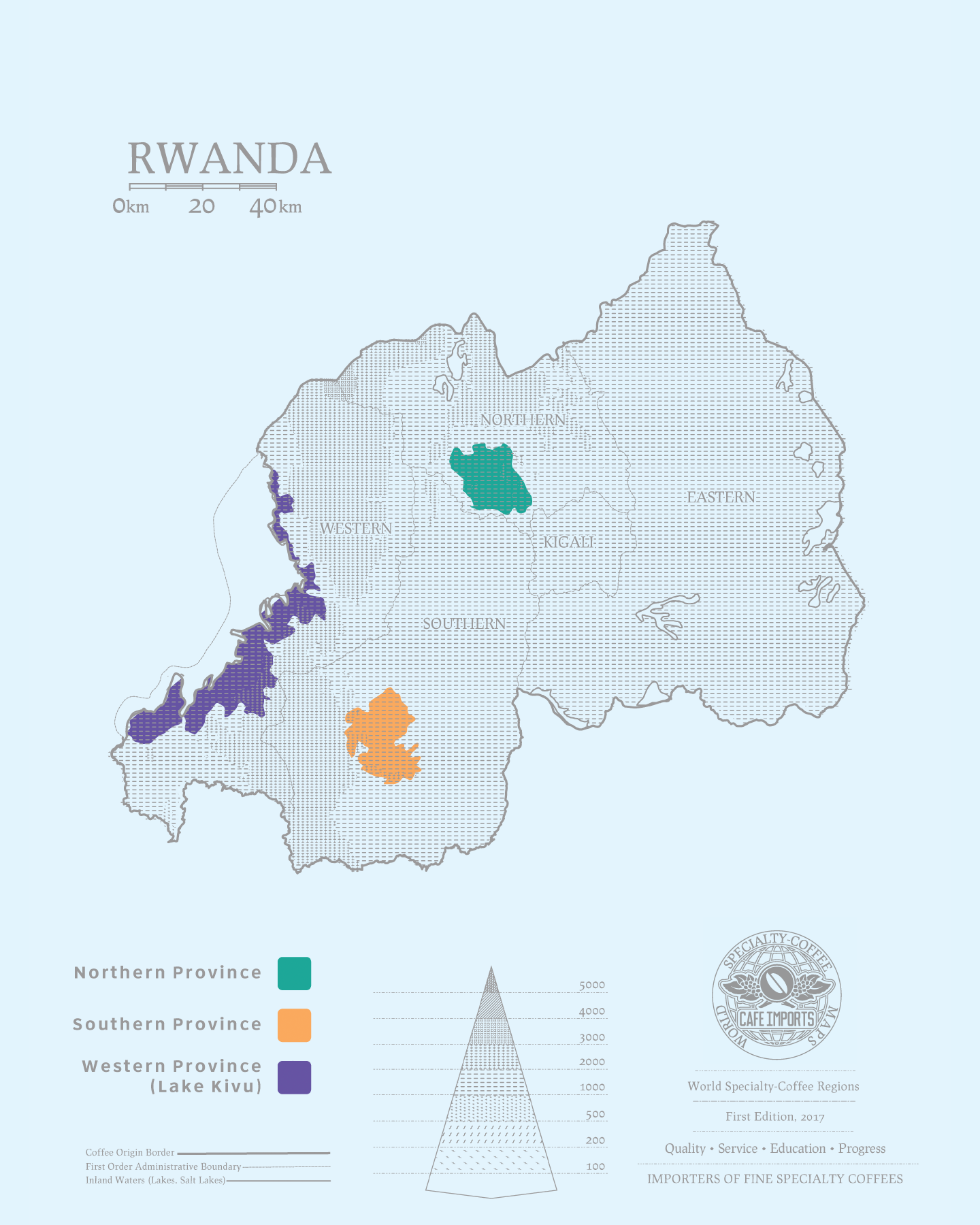
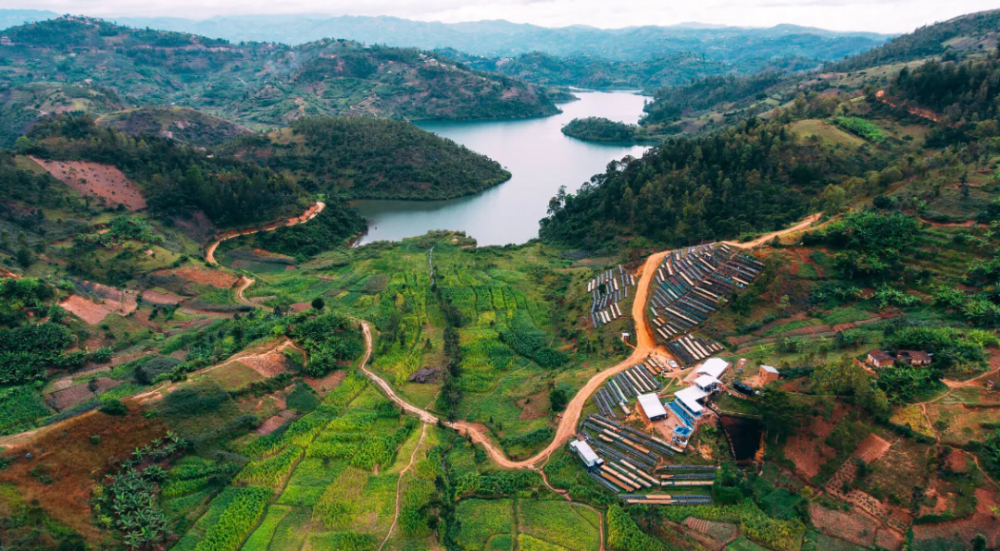
The recently introduced Rwandan Gisakura region coffee is a classic example of a washed specialty bean. Located near Lake Kivu at elevations of about 1,700 to 2,000 meters, this region is known for producing coffee with intense flavors, distinct layers, and prominent sweetness. This blend of Bourbon, Caturra, and Catuai varieties delivers complex notes of plum, citrus, berries, and nuts, paired with bright acidity and a honey-like sweet finish.
Bourbon is the dominant coffee variety in Rwanda, accounting for over 90% of local plantings. Originating from Réunion Island, this variety was introduced to South America in the 19th century and is renowned for its balanced profile and strong adaptability. Compared to Bourbons from other regions, Rwanda’s Bourbon has undergone long-term localized selection, exhibiting enhanced resilience and flavor expression. Caturra, a dwarf mutation of Bourbon, offers slightly higher yields but is comparatively less disease-resistant. Catuai, a hybrid of Caturra and Mundo Novo, features a compact tree structure and dense fruit clusters, with better wind and rain resistance—but requires careful harvesting due to its firmly attached cherries.
To brew a Rwandan washed coffee that highlights its delicate nuances at home, we recommend the following parameters: use a V60 filter, set the water temperature to 91°C, maintain a brew ratio of 1:15, use around 15 grams of coffee, and grind to a medium-fine consistency (approximately 80% passing through a 20-mesh sieve). Start with a 30-second bloom using double the coffee’s weight in hot water, then pour in small circles until you reach 125 grams for the first pour. After the water level drops, continue pouring to 225 grams. The total brew time should be around 2 minutes. These settings will fully showcase its bright acidity and vibrant fruity notes, allowing you to enjoy the refreshing taste of tropical fruits paired with a honey-like sweetness.
The above content is compiled by CoffeeHunters, a coffee news website.


