







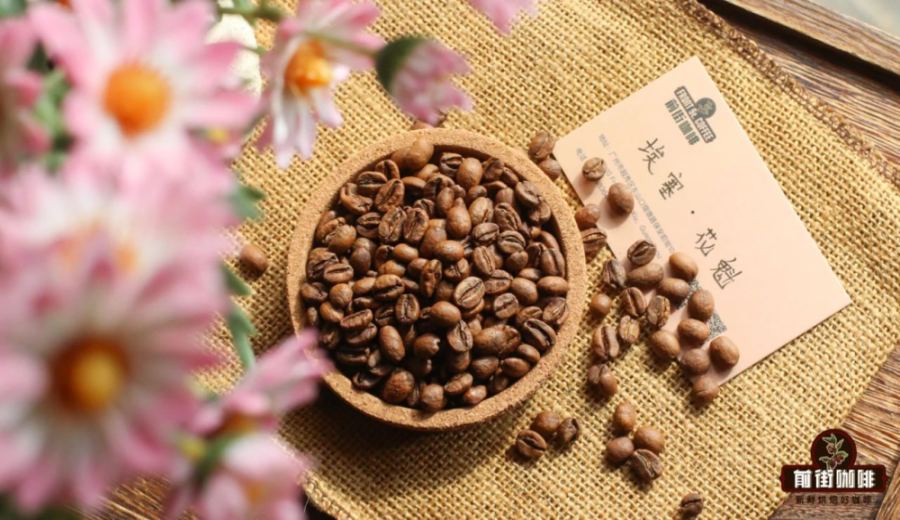
Introduction:Hua Kui coffee beans, with their distinctive strawberry cream aroma and bright fruity acidity, have become a favorite among many coffee enthusiasts. This article delves into the origin background of Hua Kui, its natural sun-drying processing method, and provides a detailed analysis of its flavor characteristics and recommended parameters across various brewing methods—including pour over, espresso, latte, and Americano—helping you fully unlock the potential of this popular bean.
In recent years, Hua Kui coffee beans have steadily risen in popularity within the coffee enthusiast community, especially due to their impressive fermentation profile reminiscent of strawberry cream and their distinct, vibrant fruity acidity. This naturally processed coffee from the Guji Hambella region in Ethiopia’s Sidamo zone not only offers a unique flavor but also adapts well to a variety of brewing styles such as pour over, espresso, latte, and Americano, thanks to its diverse processing and roasting approaches. This article will take you on a comprehensive journey—from the origin story, processing details, to actual performance across different brewing methods—to fully appreciate the charm of Hua Kui.
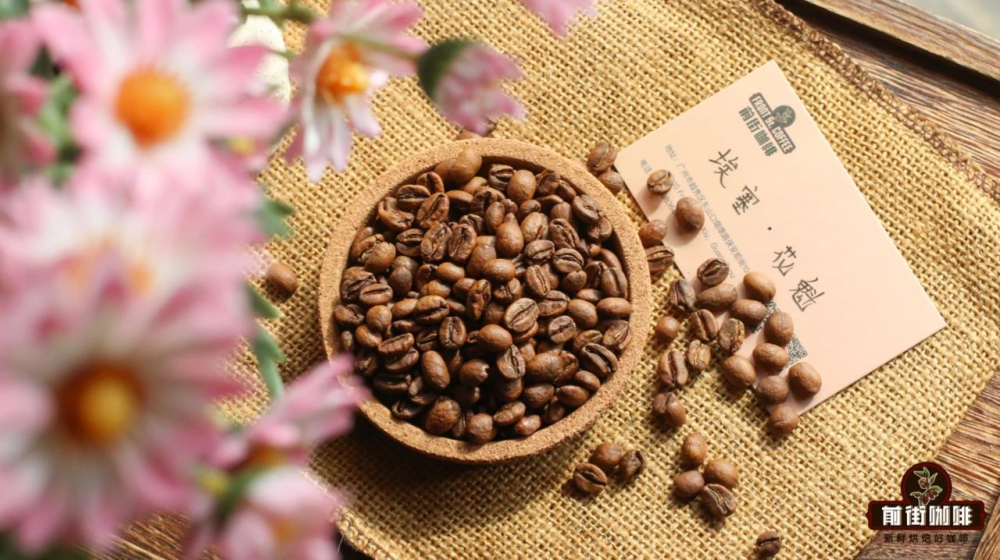
When it comes to the name “Hua Kui,” there is an interesting connection to ancient Chinese imperial examination culture. In ancient times, the top three rankings in the imperial exams were respectively called Zhuangyuan (the top scholar), Bangyan (the second), and Tanhua (the third). “Hua Kui” originally referred to the “king of flowers,” symbolizing the highest quality and extraordinariness. Interestingly, the Chinese name and the English name of this coffee do not match—the Chinese calls it “花魁” (Hua Kui), while the English often labels it as “Hambella,” the transliteration of the producing region. It is understood that when Chinese green bean traders first tasted this naturally processed bean from Hambella, they were captivated by its intense berry and cream aromas, believing it had the potential to become the next “Geisha”-level specialty coffee. Thus, the highly anticipated name “Hua Kui” was bestowed upon it.
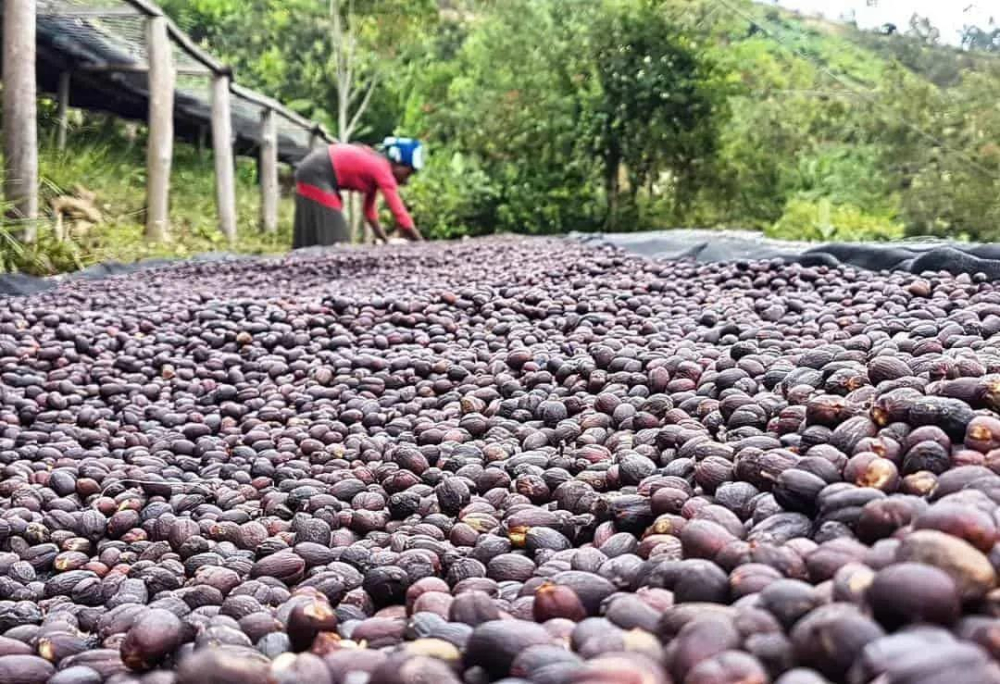
The unique flavors of Hua Kui coffee largely stem from its meticulous natural sun-drying process. Typically, local farmers harvest between December and January each year, selecting only red cherries with a sugar content of over 30%. The drying process takes about eighteen days and requires precise control over temperature and humidity: the first two days maintain suitable moisture levels to facilitate fructose fermentation, midday high temperatures call for timely shading to prevent cherry sunburn, and nighttime precautions are taken against sudden rainfall, often using thick plastic sheeting for protection. The overall fermentation and dehydration environment is kept at relatively low temperatures, eventually reducing the moisture content of the green beans to around 13%. After approximately fifty more days of resting and further drying, the moisture content is further lowered to 11%, followed by hulling and other subsequent processing. These intricate steps result in Hua Kui’s rich tropical fruit notes and full-bodied mouthfeel.
To fully showcase Hua Kui’s aromatic qualities, many roasters adopt different roast profiles to suit the needs of various brewing methods such as pour over and espresso. Generally speaking, Hua Kui is best suited to medium-light roasts, which preserve more floral and fruity aromas along with acidity, while also highlighting sweetness and layers of flavor. Below, we will introduce the performance of both medium-light roasted and medium roasted Hua Kui beans across different brewing applications.
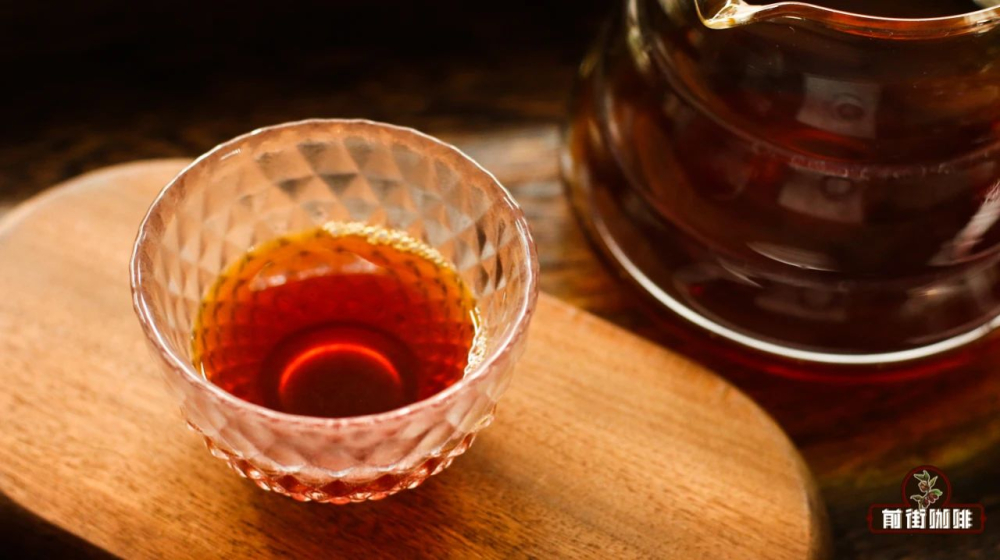
Medium-light roasted Hua Kui natural beantypically features a brighter acidity and a wealth of fruit aromas. Its flavor profile includes delicate fermentation notes, berries, guava, citrusy sweetness, paired with moderate honey-like sweetness and nutty aftertaste. The overall body is rounded with a long-lasting finish. This flavor expression is ideal for extraction methods such as pour over, drip bags, cold brew, siphon, clever dripper, or French press, all of which can fully present its floral-fruity character and layered complexity.
As for the medium roasted light sun-dried Hua Kui SOE bean, it achieves a more balanced sweetness and acidity, often showcasing notes of orange blossom, blueberry, citrus, and dried apricot, along with a pronounced mango juice sensation and honey sweetness. The aftertaste is silky and sweet, resembling that of black tea. When brewed as a Hua Kui SOE espresso, it delivers clear berry aromas and a refreshing taste, appealing to those who enjoy distinct fruity notes and well-balanced acidity and sweetness. As a Hua Kui SOE latte, it exhibits a soft sweetness and silky mouthfeel, harmonizing exceptionally well with milk.
In terms of brewing recommendations, medium-light roasted Hua Kui benefits from higher water temperatures (around 90–93°C) and medium-coarse grind size. Employing a three-pour or center-pour technique can better highlight its fruit aromas and layered acidity. For the medium roasted version, slightly lower water temperatures (around 88–91°C) and a finer grind can help balance sweetness and body. Whether using pour over or espresso extraction, stable water quality and sufficient pre-wetting are key.
In summary, Hua Kui coffee beans, thanks to their high-quality natural processing from the Hambella region and versatile roasting flexibility, offer suitable expressions whether you’re a pour over beginner, an espresso lover, or someone searching for an SOE bean that works well in lattes and Americanos. By gaining a deeper understanding of its origin, processing method, and flavor profiles across various roast curves, you’ll be more confident in selecting and brewing Hua Kui coffee tailored to your flavor preferences.
The above content is compiled by CoffeeHunters, a coffee news website.


