








Introduction:Panama’s Geisha coffee from Hacienda La Esmeralda is world-renowned for its unique flavors, yet the distinction between its Red Label, Green Label, and Blue Label often puzzles coffee enthusiasts. This article will delve into the grading logic, altitude conditions, and nuanced flavor differences of these three grades, along with practical roasting and pour over recommendations to help you master the charm of Geisha—from beginner to advanced level.
In the world of specialty coffee, Panama’s Hacienda La Esmeralda Geisha is undoubtedly a star attraction. However, many beginners and seasoned coffee lovers often struggle to distinguish between the Red Label, Green Label, and Blue Label grades. How exactly are they graded? What are the flavor differences? This article will take you deep into the grading system of Hacienda La Esmeralda’s Geisha, covering altitude conditions, terroir, processing methods, roasting suggestions, and actual brewing parameters to help you build a comprehensive understanding of Geisha tasting.
The Grading Logic of Hacienda La Esmeralda Geisha: Altitude Determines the Grade
Simply put, Hacienda La Esmeralda uses altitude as the primary criterion for distinguishing the Red Label, Green Label, and Blue Label. The Red Label Geisha beans are sourced from highlands at altitudes of 1600 to 1800 meters—the highest among the three grades and offering the most refined flavors. The Green Label also comes from 1600–1800 meters but consists of mixed lots from different micro-batches, making it impossible to trace to a single plot. The Blue Label, meanwhile, is made from beans grown at 1400–1500 meters, the lowest altitude of the three, resulting in a lighter and more approachable flavor profile.
Hacienda La Esmeralda is not only a pioneer in uncovering the potential of the Geisha variety but has also established a comprehensive quality control and grading system, enabling consumers to find the Geisha grade that best suits their needs and budget.
Boquete, Panama: The Birthplace of Geisha
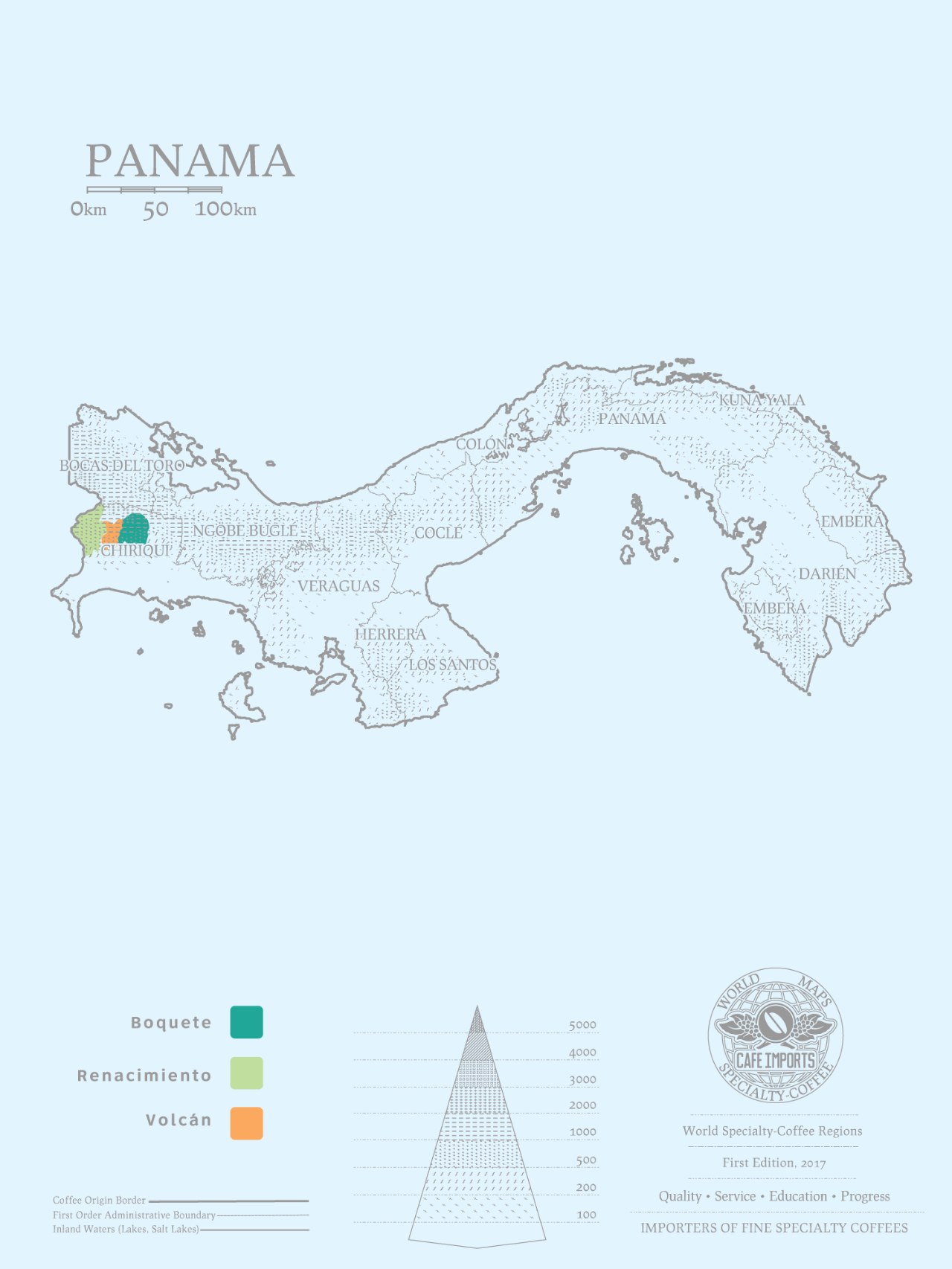
Panama’s unique geographical environment has created the perfect conditions for Geisha to thrive. The country’s east-west mountain ranges block cold air from the Caribbean Sea, resulting in a cool and humid microclimate in the Boquete region of Chiriquí Province. Here, nourished by the volcanic soils of Barú volcano and blessed with stable rainfall and moderate day-night temperature variations, Geisha enjoys nearly ideal growing conditions.
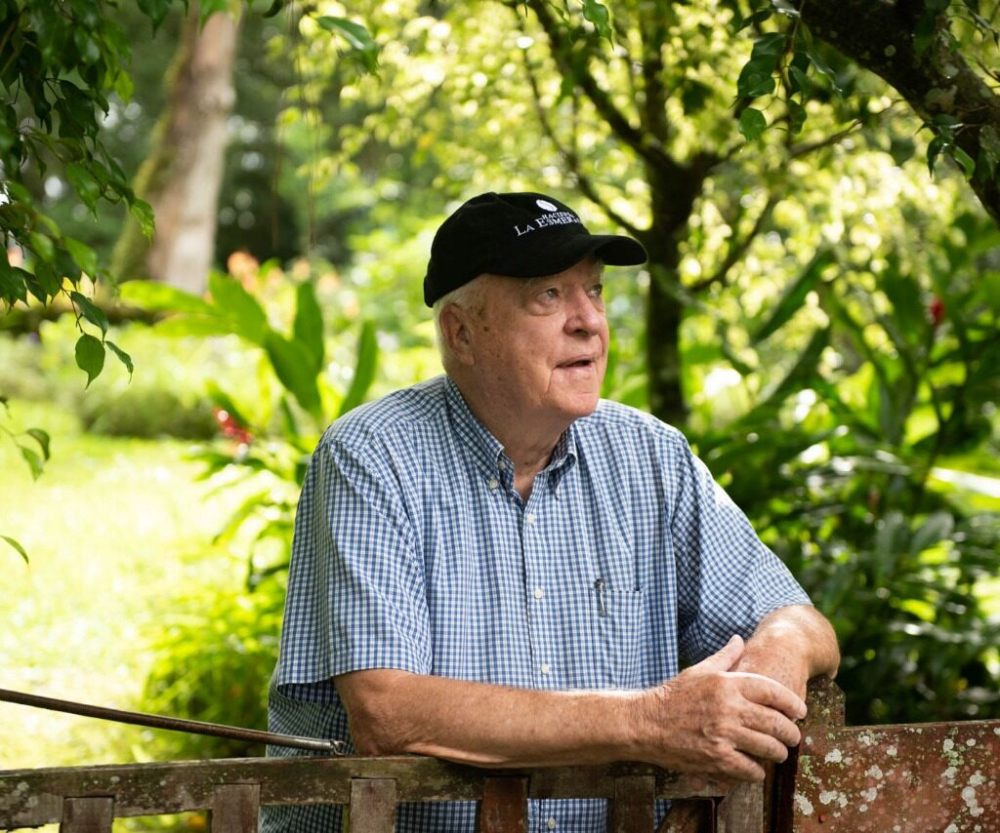
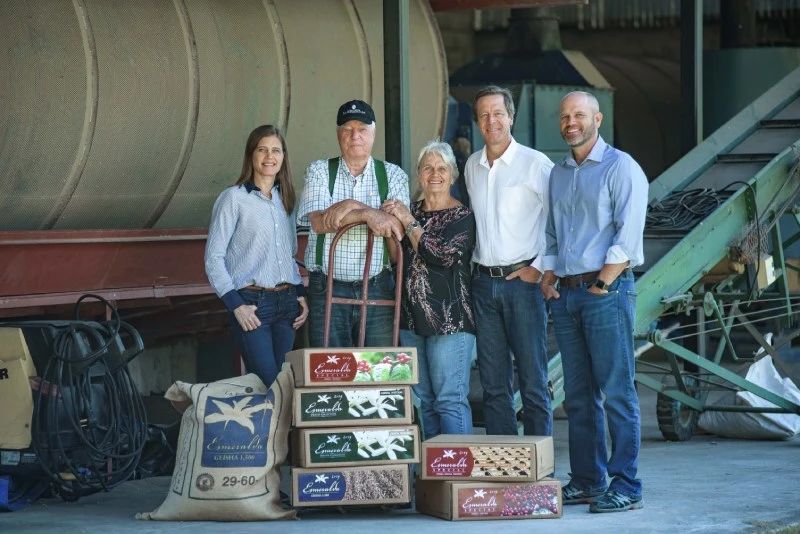
Boquete, Volcán, and Renacimiento are Panama’s three major coffee-growing regions, with Boquete being the most famous and also the home of Hacienda La Esmeralda. Established in 1964 by American banker Rudolph Peterson, the estate initially focused on dairy farming. It wasn’t until 1987, when his son Price introduced Caturra and Catuai varieties, and in 1994 built a washed processing facility, that it gradually transformed into a specialty coffee farm.
The Discovery and Rise of the Geisha Variety
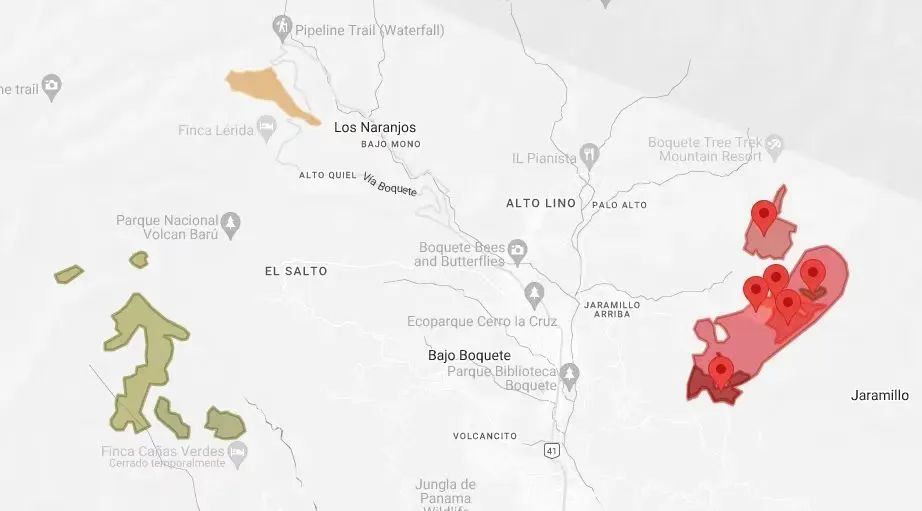
In 1996, Hacienda La Esmeralda acquired the Jaramillo plot, which became the core planting area for the Geisha variety. Initially, Geisha was used only as a windbreak, but after the acquisition, it revealed astonishing flavor potential. In 2004, Hacienda La Esmeralda entered Geisha in the Panama Cup of Excellence (BOP) and won first place. The winning beans were later identified as the Ethiopian Geisha variety, sparking a global Geisha craze.
The Geisha plots under Hacienda La Esmeralda include Jaramillo, Canas Verdes, and El Velo. Among them, Jaramillo and Canas Verdes are the main sources of Red Label and Green Label, while Blue Label includes beans from the slightly lower-altitude El Velo plot as well.
Red Label Geisha: Auction-Grade Premium Flavor
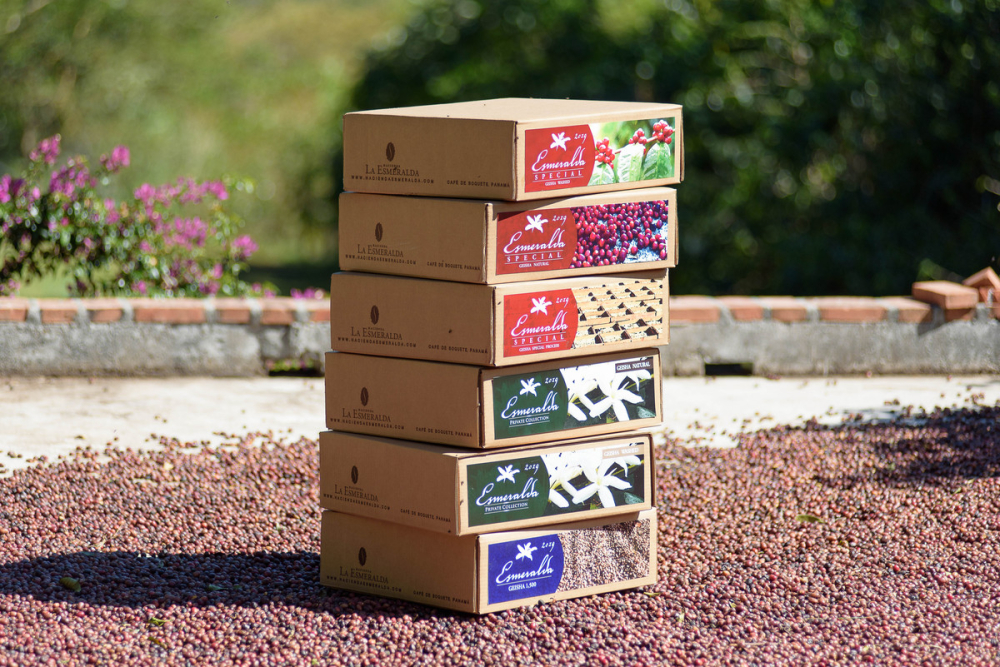
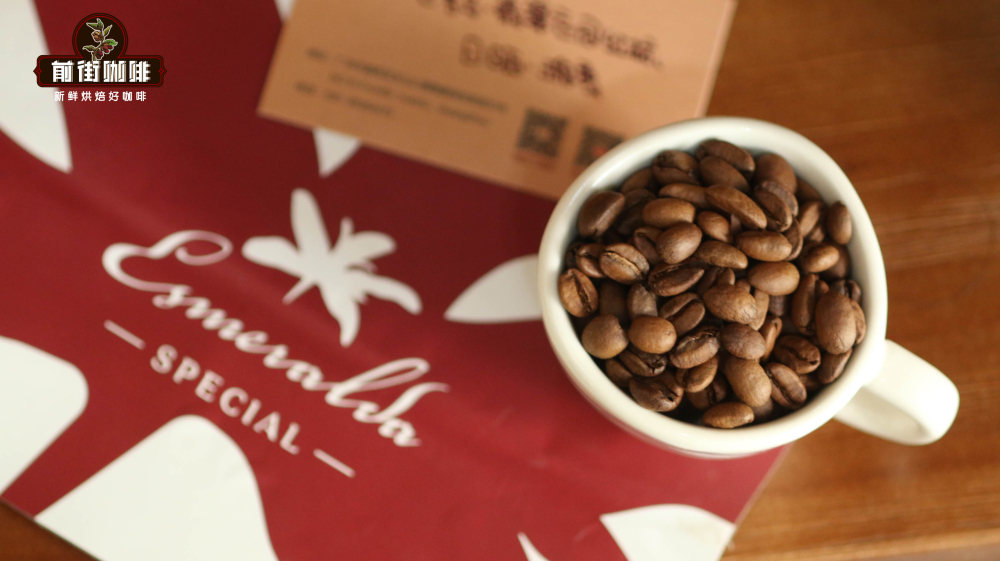
The Red Label Geisha comes from the Esmeralda Special brand and consists of top-tier lots grown at 1600–1800 meters with cupping scores above 90, primarily sourced from the Jaramillo and Canas Verdes regions. Some of these beans enter independent auctions, commonly referred to as “auction Red Label,” but even non-auction regular Red Label beans maintain an exceptionally high standard. Red Label can be processed using either washed or natural methods, with flavors highlighted by bright citrus, jasmine floral notes, and layered complexity of berries, honey, and tea.
Green Label Geisha: High-Value Diverse Flavors
Also known as Private Collection, the Green Label consists of non-auction Geisha micro-lots blended from multiple plots at 1600–1800 meters. The specific sources are not disclosed, making it impossible to trace to a single origin. Although it doesn’t offer the precise traceability of small plots like the Red Label, the Green Label still retains the classic Geisha floral, citrus, and fruity acidity profile, with a juicy and full-bodied mouthfeel—making it an ideal entry point for many coffee lovers exploring Geisha. Processing methods include both washed and natural.
Blue Label Geisha: An Approachable Everyday Choice
Also known as Geisha1500, the Blue Label uses blended beans grown at 1400–1500 meters, sourced from the Jaramillo, Canas Verdes, and El Velo plots. This grade offers a gentler Geisha experience, characterized by delicate floral notes, citrus tones, and mild acidity, with noticeable sweetness but less complexity than the Red and Green Labels. The Blue Label is exclusively washed processed, suitable for those who prefer a clean and refreshing cup.
Roasting and Brewing Recommendations: How to Bring Out the Soul of Geisha
To faithfully present the delicate floral notes and vibrant fruit acidity of Geisha, producers typically opt for a light roast for these three beans. However, depending on the characteristics of altitude and processing method, roasters fine-tune temperature and time to enhance each bean’s unique strengths.
【Red Label Geisha】Recommended charge temperature: 150°C, first crack begins at 8’10”, drop temperature: 189.5°C, emphasizing the explosive vibrancy of fruit and floral notes.
【Green Label Geisha】Slightly higher charge temperature: 160°C, first crack starts at 7’50”, drop temperature: 192.5°C, ideal for showcasing a balanced citrus and honey profile.
【Blue Label Geisha】Uses a high charge temperature of 180°C for a quicker onset of first crack at 8’30”, dropping at 190°C, delivering a soft and sweet acidity balance.
For brewing, it is recommended to use a Hario V60 filter cone, water temperature at 90°C, coffee-to-water ratio of 1:15, and grind size around BG#4Q (80% through a 20-mesh sieve in China). Employ a three-stage extraction: start with a 30g bloom for 30 seconds, then pour to 125g for the first pour, and finally to 225g, keeping the total brew time around 2 minutes to fully highlight the delicate flavor layers of Geisha.
Flavor Profile Overview
【Red Label Geisha】Dry aroma features jasmine and citrus; brewed notes include lemon, honey, berries, and a tea-like finish, with a full body and distinct layering.
【Green Label Geisha】Aroma includes ginger flower and citrus; the cup offers sweet orange, cream, and almond tones, with a clean and lingering aftertaste.
【Blue Label Geisha】Flavor is more straightforward, based on citrus, lemon, and honey, with a gentle aftertaste reminiscent of oolong tea and brown sugar.
Whether you’re trying Geisha for the first time or are already familiar with its flavor profile, understanding the grading logic and flavor distinctions among the Red, Green, and Blue Labels will help you choose the specialty coffee experience that best suits your palate.
The above content is compiled by CoffeeHunters, a coffee news website.


