







Introduction:Jamaican Blue Mountain No. 1 coffee is hailed as one of the world’s top-tier coffees, yet its authenticity often raises confusion. This article delves into the history of the Blue Mountain growing region, the CIB certification system, the washed processing method, and the rigorous grading classification. It also provides detailed pour over parameters for Blue Mountain No. 1, including recommended dosage, water temperature, grind size, and a three-stage pouring technique using the KONO filter, helping you accurately grasp the flavor profile and tasting essentials of this coffee.
Jamaican Blue Mountain coffee is globally recognized as a premium coffee variety. However, the market is flooded with misleading labels such as “Blue Mountain flavor” or “Blue Mountain blend,” making it difficult for consumers to discern authenticity. This article will take you deep into the true essence of Blue Mountain coffee—from its regional history, official certifications, washed processing techniques, to the strict grading standards of Blue Mountain No. 1—so you can clearly understand what constitutes genuine Jamaican Blue Mountain No. 1 coffee. Additionally, we’ve compiled a set of practical pour over extraction parameters to help you fully showcase the coffee’s finesse and balance.
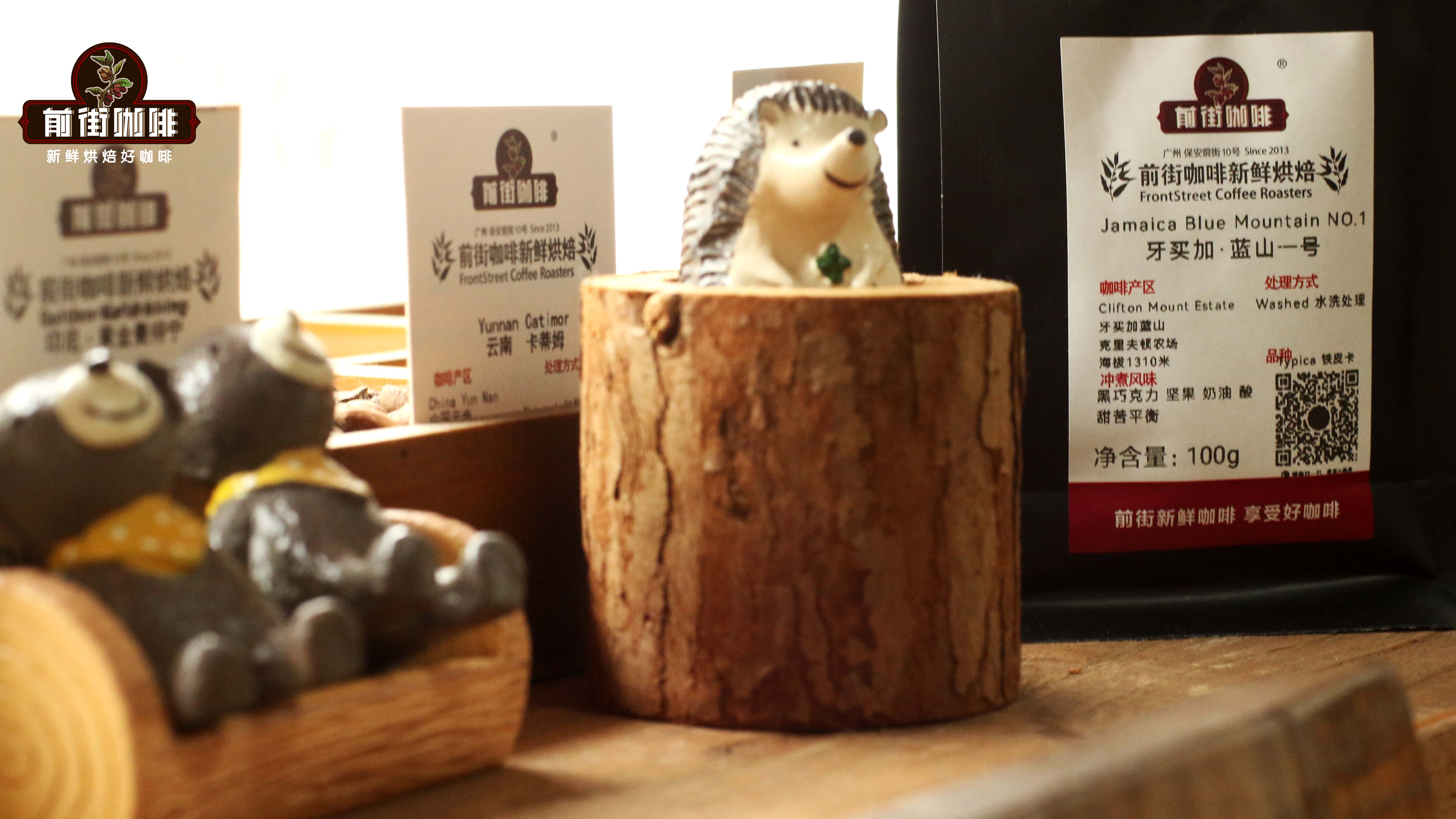
The history of coffee cultivation in Jamaica dates back to 1723, when French officer De Clieu introduced the first Arabica seedlings from Martinique. Later, then-Jamaican Governor Nicholas Lawes successfully planted them in the St. Andrew area and gradually expanded cultivation to the Blue Mountain range. The Blue Mountains feature high altitudes, diverse microclimates, and fertile volcanic soil—making it an ideal environment for growing high-quality coffee. Moreover, local farmers often intercrop coffee trees with banana trees to provide shade and maintain ecological balance.
In 1948, the Jamaican government established the “Jamaica Coffee Industry Board” (CIB) to oversee the planting, processing, and sales of Blue Mountain coffee, ensuring product consistency and pure lineage. Only coffee that has passed CIB certification and bears the official certification label can be called Jamaican Blue Mountain coffee. The institution also sets detailed grading classifications and inspection standards to guarantee that every batch of Blue Mountain coffee meets stringent requirements.
According to Jamaica’s “Coffee Industry Regulation Act,” Blue Mountain coffee can only be grown in the high-altitude regions of four specific administrative parishes: St. Andrew, St. Thomas, Portland, and St. Mary, at elevations ranging from 910 to 1700 meters, and exclusively using the Typica variety. The total planted area is about 6,000 hectares, accounting for only one-third of the entire Blue Mountain cultivation zone—making it an extremely rare growing resource. Of these, less than 15% of Jamaican-produced coffee can be labeled as “Blue Mountain.”
The production process of Blue Mountain coffee is extremely meticulous. Harvesting is mostly carried out by experienced female workers, who select only fully ripe red coffee cherries to ensure consistent maturity. Most Blue Mountain coffee is processed using the washed method. The process begins with floatation to remove defective beans, followed by pulp removal and 12 to 18 hours of wet fermentation. After fermentation, the beans are washed with flowing water and friction to clean the surface, then undergo prolonged sun drying to reduce moisture content to 12–14%. Each step must be precisely controlled to maintain the unique aroma and flavor characteristics of Blue Mountain coffee.
Dried Blue Mountain coffee beans are rigorously graded based on bean size and defect rate, divided into four grades: Blue Mountain No. 1, Blue Mountain No. 2, Blue Mountain No. 3, and Blue Mountain Peaberry. Among them,Blue Mountain No. 1is the highest grade, with over 96% of beans sized at 17/18 mesh and a defect rate below 2%. Premium Blue Mountain No. 1 green beans also require beans larger than 17 mesh, a defect rate below 3%, a moisture content of about 13%, and exhibit a delicate balance of black chocolate, nuts, and sweet aromas in cupping.
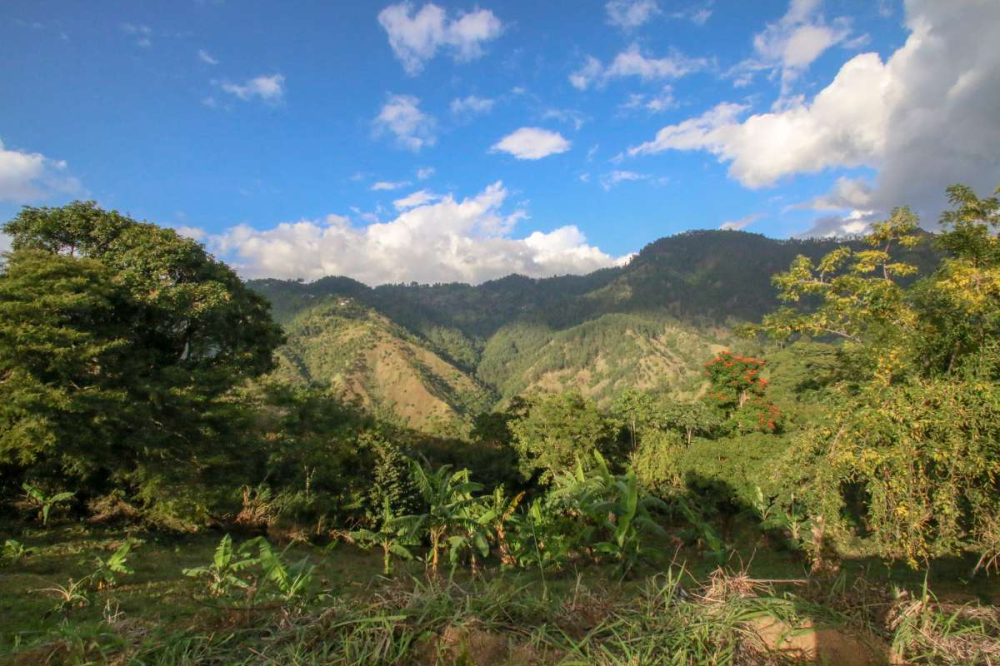
Jamaican Blue Mountain coffee is uniquely transported in handmade wooden barrels, which not only help preserve the beans’ freshness but have also become one of the symbols of Blue Mountain coffee. Authentic Blue Mountain No. 1 coffee boasts a rich and lingering roast aroma, with cup flavors showcasing layers of black chocolate, roasted hazelnuts, cream, and brown sugar. It has a gentle acidity, a long and balanced aftertaste, and is a classic flavor profile that coffee enthusiasts shouldn’t miss.
To distinguish real Blue Mountain coffee, it’s advisable to evaluate its aroma, taste, and packaging proof. Genuine Blue Mountain coffee features a rich, enduring aroma and balanced flavors, without any single note dominating. Additionally, you can request the Blue Mountain certification and origin documentation from the seller, and check whether traditional Jamaican wooden barrels are used for packaging. These are all key indicators for determining the authenticity of Blue Mountain coffee.
When brewing Blue Mountain No. 1 coffee, factors such as water temperature, grind size, and coffee-to-water ratio are crucial. It is recommended to use freshly roasted beans (preferably within 5 days of roasting) to fully express their aroma and flavor potential. Below are our tested and recommendedpour over parameters:15 grams of coffee, a 1:15 coffee-to-water ratio, water temperature at 88℃, grind size similar to coarse sugar (approximately 75% passing through a #20 sieve), using the KONO filter for a three-stage pour.
The specific pour over steps are as follows: First, wet the KONO filter to secure it against the dripper. Add 15 grams of coffee grounds, then pour 30 grams of 88°C hot water for a 30-second bloom to release CO₂ and initiate aroma development. Next, pour the second stage water in small circular motions centered around the grounds until the total reaches 125 grams, then pause to allow the bed to settle. Continue pouring until the total water volume reaches 225 grams. Finally, let the drip finish, with a total extraction time recommended to be around 2 minutes.
Coffee brewed with these parameters delivers a cup where you can taste the aromas of black chocolate, roasted nuts, and toffee, paired with a soft caramel sweetness and subtle acidity. The overall profile is balanced and refined. As the temperature drops, the flavor layers become even more distinct—making it a top-tier coffee experience worth savoring slowly.
The above content is compiled by CoffeeHunters, a coffee news website.


