







Introduction:Sumatra Mandheling is renowned for its full body, low acidity, and distinctive spicy notes, yet the differences among its various versions—such as Golden, Lintong, and Tiger—often leave people puzzled. This article delves into the regional characteristics, wet-hulling process details, and cupping flavor profiles of five classic Mandheling coffees. It also provides practical pour-over parameters tailored for medium-to-dark roasts and sun-dried beans, helping coffee enthusiasts fully grasp the flavor potential of this classic bean.
Mandheling coffee from Indonesia’s Sumatra is long favored by global dark roast aficionados for its low acidity, rich and bold texture, and unique aroma that blends herbs and spices. Among the five classic Mandheling options from a well-known coffee brand—from the award-winning “top-tier selection” Golden Mandheling to sun-dried versions with wild fruity notes—each showcases a distinctly different flavor profile. This article not only breaks down the regional backgrounds and core differences in processing methods of these beans but also offers an in-depth understanding of Sumatra Mandheling’s multifaceted nature through detailed cupping records and practical brewing recommendations.
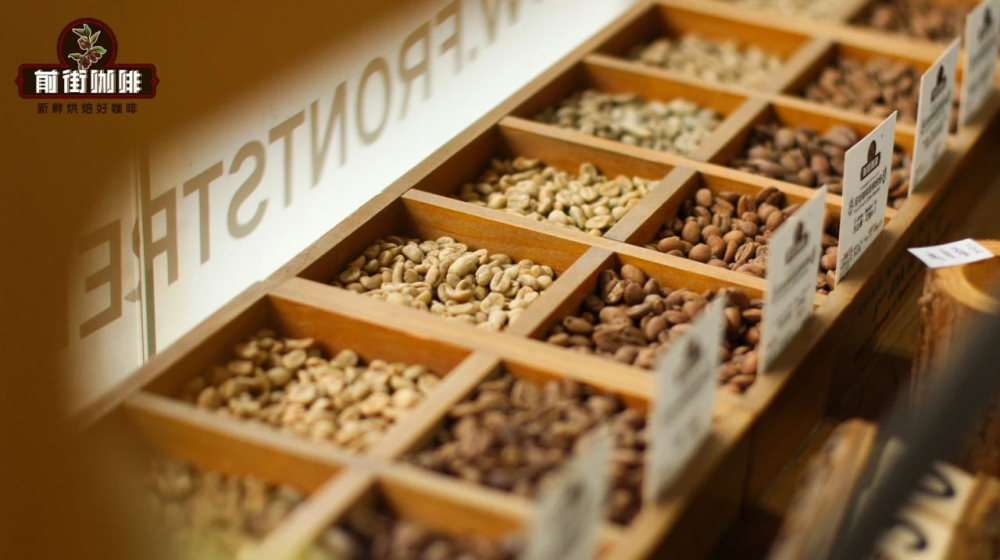
As the core specialty coffee region in Indonesia, Sumatra’s coffee system can be simplified into four main types: the most representative regular Mandheling mainly comes from around Lake Toba and the Lintong highlands, at altitudes of 900 to 1200 meters, often processed via semi-washed or sun-dried methods; Golden Mandheling is distinguished by its rigorous four-step manual sorting and high-altitude Lintong origin; Lake Tawar coffee hails from the Gayo Mountains in Aceh, utilizing diverse processes from washed to sun-dried; it also includes special versions such as professionally aged Mandheling and Java Old Brown. These differences not only shape the diversity of Sumatran coffee but also directly influence the final flavor expression.
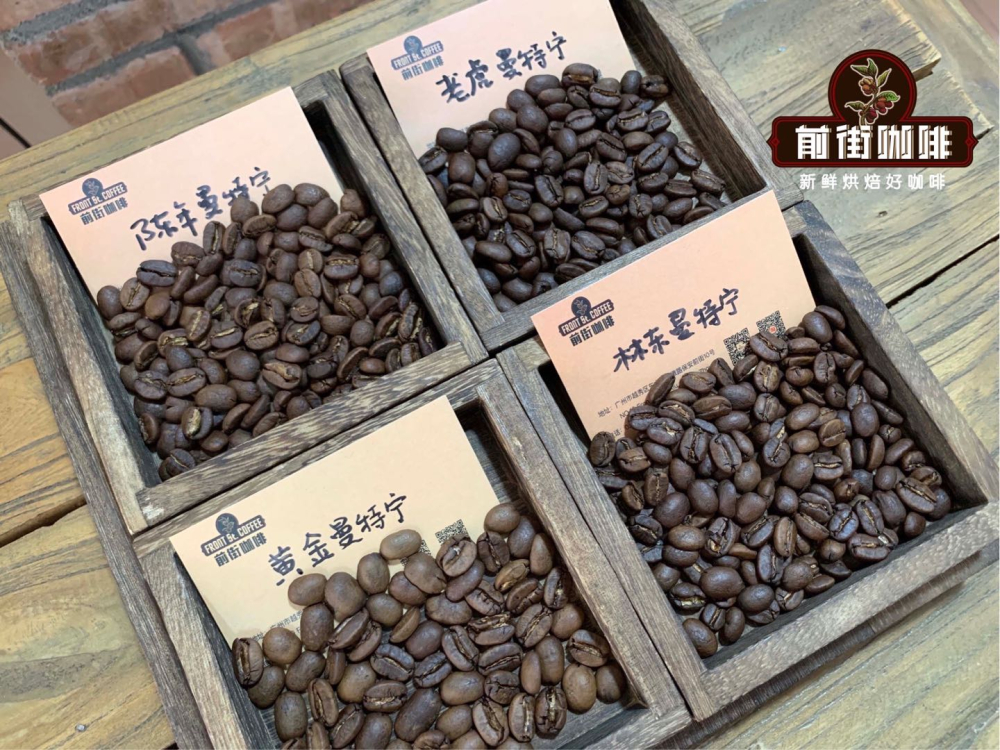
The five Mandheling beans currently listed by a well-known coffee brand—Golden Mandheling, Lintong Mandheling, Tiger Mandheling, Aged Mandheling, and Sun-Dried Mandheling—each represent a distinct flavor trajectory. The name “Mandheling” originates from a historical misunderstanding: after World War II, Japanese soldiers reminiscing about Indonesian coffee, unable to disclose the origin due to commercial secrecy, were told by the local supplier that it was “Mandheling,” which unexpectedly became the bean’s permanent moniker. That supplier was none other than the founder of Indonesia’s renowned PWN company (Pawani Coffee Company), which also explains why “PWN-produced” is the hallmark of authenticity for Golden Mandheling.
Golden Mandheling is produced in the Lintong region of northern Sumatra, at elevations of 1100 to 1600 meters. Only fully ripe single coffee cherries are harvested, undergoing semi-washed fermentation, natural sun drying, and a secondary refining process after hulling. Its key feature is the rigorous four-step manual selection, ensuring that only the highest-quality green beans enter the market. This bean is mainly exported to Japan and the United States, with a market price two to three times that of regular Mandheling, and PWN’s annual output is limited. Notably, due to trademark restrictions, many commercially sold “large-bean Mandheling” beans are often mistakenly labeled as Golden Mandheling, but only those bearing the official PWN certification mark and certificate are the authentic, company-sanctioned Golden Mandheling. In terms of flavor, Golden Mandheling exhibits distinct spice and herbal notes paired with caramel, pine, and nutty tones, with a chocolatey finish. Its overall cleanliness and sweetness outperform regular G1-grade beans.
Lintong Mandheling is a typical representative of regular Mandheling, also originating from the Lintong highlands in north-central Sumatra, near Lake Toba, at altitudes of 1100 to 1600 meters. Processed using the wet-hulling method, it achieves its signature low acidity and bold body. However, this method can damage the semi-hard, semi-soft moist beans during the removal of the mucilage and parchment layer, resulting in the unique “elephant hoof” bean appearance (not a defect). Cupping flavors are dominated by toasted bread, nuts, caramel, and herbs, showcasing the classic bold texture of Sumatran Mandheling.
Tiger Mandheling gets its name from its strict 19-mesh screening standard, selecting only uniformly sized AA-grade beans. Like the rarity of the Sumatran tiger, this bean is based on high-altitude (around 1500 meters) cultivation of Catimor, Typica, and Sidikalang varieties. Processed via wet-hulling, it delivers high intensity and fruity sweetness. Cupping reveals a noticeably viscous texture, rich nutty notes, and a long-lasting aftertaste, highly praised by seasoned coffee connoisseurs.
The unique flavor of Aged Mandheling is not intentionally crafted but stems from historical transportation limitations: during the Dutch colonial era, Indonesian coffee had to be shipped long distances to Europe. The prolonged voyage, influenced by sea breezes and time, inadvertently created low-acid, bold aged flavors. Modern aged processing involves initial wet-hulling, followed by sealing the beans in cool, ventilated warehouses for 2 to 3 years, with regular turning to prevent mold. This process gradually converts acidity into sugars, darkens the bean color to deep brown, and ultimately yields a complex flavor of ripe pu-erh, caramel, and herbs. Acidity is significantly reduced, and the mouthfeel becomes richer and more refined.
Sun-Dried Mandheling breaks away from the traditional Mandheling’s reserved profile, using red fruits from the Wahana Estate and employing the sun-dried method to preserve more pulp sugar during fermentation. The estate is located near Lake Toba in northern Sumatra, at altitudes of 1000 to 1700 meters, with abundant annual rainfall and large diurnal temperature variations—ideal for accumulating red fruit sugar content (over 13%). This bean showcases a harmonious blend of tropical fruits (such as mango and peach), fermented aromas, and soft acidity, offering a smooth texture and prominent sweetness. It presents an intriguing contrast to the herbal, woody notes of regular Mandheling.
The classic flavors of Mandheling are closely tied to the wet-hulling process: this method developed in response to Sumatra’s rainy climate and economic constraints. In the first stage, after removing the skin and pulp, the beans are fermented for 3 hours and initially dried to a moisture content of 30-50%; in the second stage, the mucilage and parchment are removed, and drying continues until the final moisture content reaches 12-13%. There is also a variant known as aged wet-hulling, where standard wet-hulled beans are stored in a warehouse for 2 to 3 years, allowing time to transform the flavors. Notably, the sun-dried Mandheling from Wahana Estate demonstrates the potential for processing innovation, adding more diverse flavor layers while retaining the foundation of Sumatran coffee.
Practical pour-over parameters for Mandheling beans of different roast levels are as follows: for medium-to-dark roasts (such as Golden, Lintong, Tiger, and Aged Mandheling), it is recommended to use a Kono filter, with a 1:15 coffee-to-water ratio, 15 grams of coffee, water temperature at 88°C, and grind size (70-75% through a #20 standard sieve). The step-brewing process is: 30g bloom for 30 seconds, then small circular pours up to 125g for the first pour, followed by pouring to 225g after the water level drops, with a total brew time of about 2 minutes and 10 seconds. For light-to-medium roasted sun-dried Mandheling, a V60 filter is suitable, with water temperature at 90°C, a slightly finer grind (80% through a #20 sieve), and total brew time controlled at 2 minutes to highlight its fruity notes and fermented aromas.
In summary, the diverse flavors of Sumatran Mandheling—from the balanced complexity of Golden Mandheling to the fruity sweetness of sun-dried versions—reflect the intricate interplay of regional characteristics, processing methods, and roast levels. Understanding these differences will help coffee enthusiasts select and brew the Mandheling experience that best suits their personal taste preferences.
The above content is compiled by CoffeeHunters, a coffee news website.


