







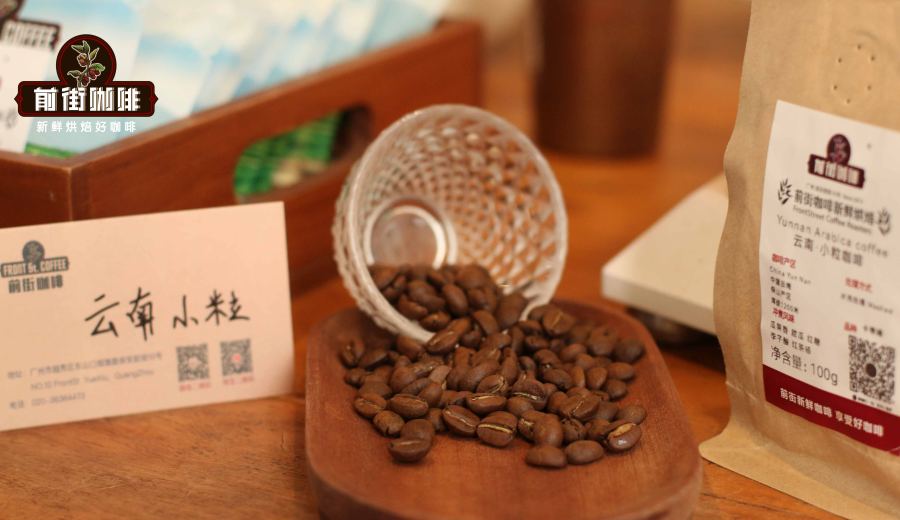
Introduction:As an important origin of specialty coffee in China, Yunnan’s Huaguoshan growing region has drawn attention for its smallholder coffee beans, which are celebrated for their unique flavor profiles and consistent quality. This article delves into the altitude suitability of the region, explores the origin characteristics of its main variety—Typica—and details the complete growth cycle of coffee from flowering to fruiting. It also provides the actual flavor profile of Typica beans from the 2013 harvest along with professional-grade pour over brewing recommendations, making it a practical guide for both coffee beginners and advanced enthusiasts.
Located in southwestern China, Yunnan—with its diverse terrain and monsoon climate—has become an important piece of the global specialty coffee map. Among its regions, the Huaguoshan growing area, as a representative zone, benefits from its elevation and microclimate conditions, resulting in layered and complex flavor expressions in its smallholder coffee.
The ideal cultivation altitude for smallholder coffee is between 800 and 1,800 meters.Altitudes above 1,800 meters can preserve bright acidity but often lead to overly sharp flavors; below 800 meters, the flavors tend to be bland with noticeable bitterness.In practice, planting is mostly concentrated around 1,100 meters in dry-hot river valleys, where the coffee produced offers a balanced profile of moderate acidity, rich aroma, and full body. Major producing areas such as Lincang, Baoshan, and Simao have long been stable sources of high-quality smallholder coffee due to their geographic and climatic advantages.
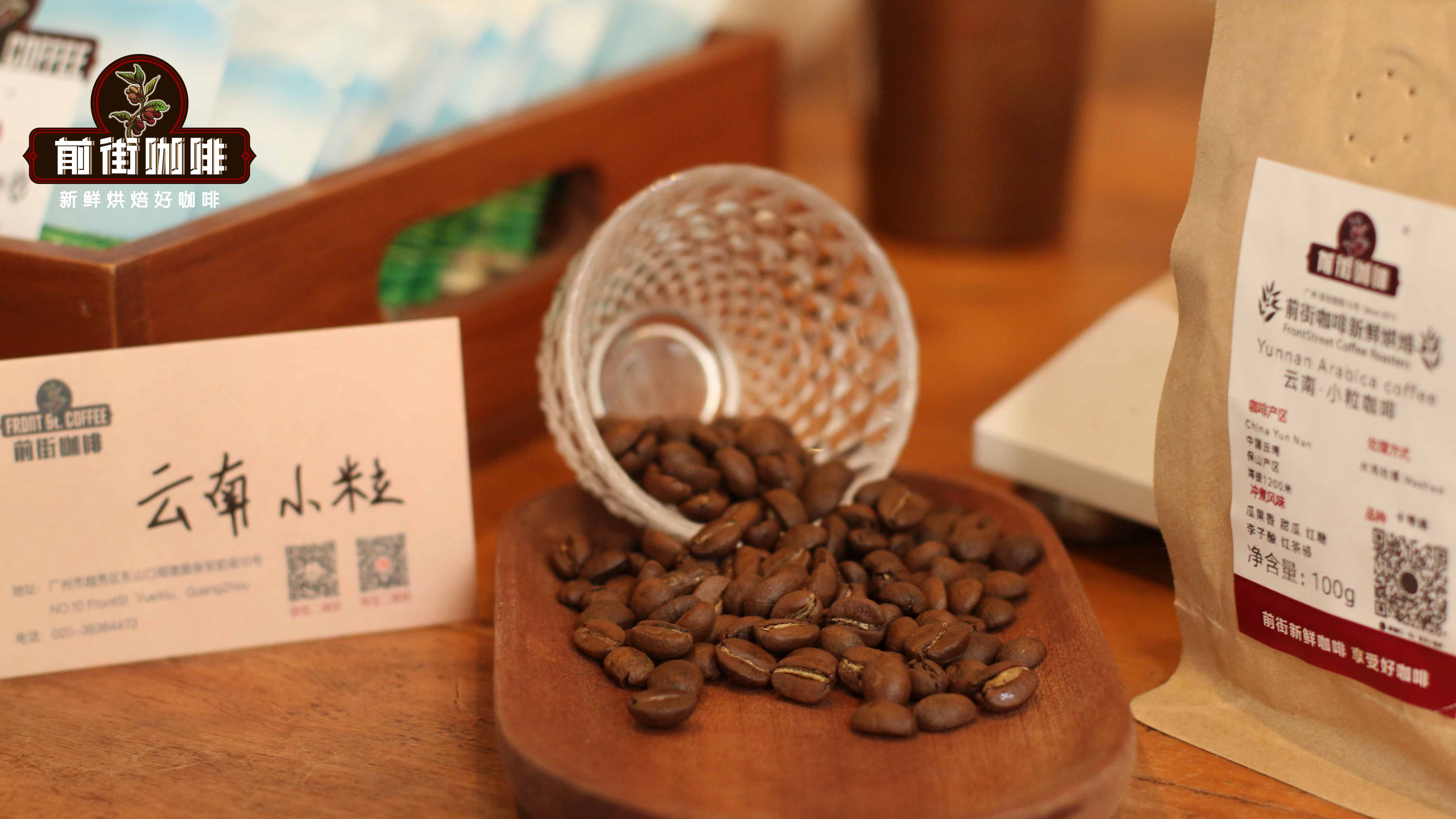
Among these regions, Baoshan is considered the most suitable growing environment for smallholder coffee, thanks to its mild average annual temperature of 21.5°C, minimal frost occurrence, and summer highs reaching up to 40.4°C. The local coffee cherries are uniform and firm, and when brewed, they exhibit rich fruity aromas and a full-bodied mouthfeel. Their quality has been recognized by experts from the International Coffee Organization, who rate it as comparable to that of Colombia’s renowned washed-processing regions.
The main cultivated variety in the Huaguoshan region is Typica, an ancient Arabica variant originating from Ethiopia and southeastern Sudan, which is known forits relatively strong disease resistance but sensitivity to sunlight. Its top leaves display a distinctive reddish-copper color, earning it the nickname “red-top coffee.” Typica is widely distributed and includes classic bean varieties from renowned producing areas such as Jamaica Blue Mountain, Papua New Guinea, and Tanzania, all of which belong to this genetic lineage.
The production cycle of smallholder coffee trees takes 3 to 4 years before entering a stable fruit-bearing stage. As a short-day plant, its flowering habits are distinctly seasonal—in Yunnan, the flowering period spans from February to July, with the peak blooming occurring between March and May.Flowering times are highly susceptible to rainfall and temperature. In particular, the flowers that initially bloom between 3 and 5 a.m. usually reach their fullest bloom between 5 and 7 a.m., but each flower only lasts for 2 to 3 days, which is a critical factor influencing subsequent fruit set rates.
The development of coffee cherries also requires patience.From pollination to full maturity takes about 8 to 10 months. Most smallholder coffee varieties reach their optimal harvest period between October and December of the same year. The distribution of rainfall and temperature stability during this period directly affect the accumulation of pulp sugars and the full development of seed flavors.
Taking the 2013 vintage of Typica as an example, its roast profile presents a classic medium roast color, and the washed processing method preserves a clean and bright foundational tone. Upon tasting, one can distinctly perceive a robust base of nuts, the lingering mild bitterness of dark chocolate, and the gentle sweetness unique to dried apricots. The mid-palate reveals a refreshing melon-like sweetness, while the finish transitions into an elegant black tea aftertaste, showcasing the layered complexity characteristic of high-altitude smallholder coffee.
Here are the recommended pour over brewing parameters for this bean: Use 15 grams of medium-fine ground coffee (similar in coarseness to sugar granules), a V60 filter cone, and water heated to 88–89°C. Begin with a 30-gram bloom for 27 seconds to release the coffee’s aromatic compounds. Then continue pouring until you reach 105 grams, pause until the coffee bed drains to about half, and then maintain a steady flow to pour up to a total of 225 grams. Notethat the flow rate should gradually decrease in the final stageto avoid over-extraction of undesirable compounds. Maintain an overall coffee-to-water ratio of 1:15, and aim for a total extraction time of around 2 minutes to fully highlight the refined flavor spectrum of this Typica bean.
The above content is compiled by CoffeeHunters, a coffee news website.


