







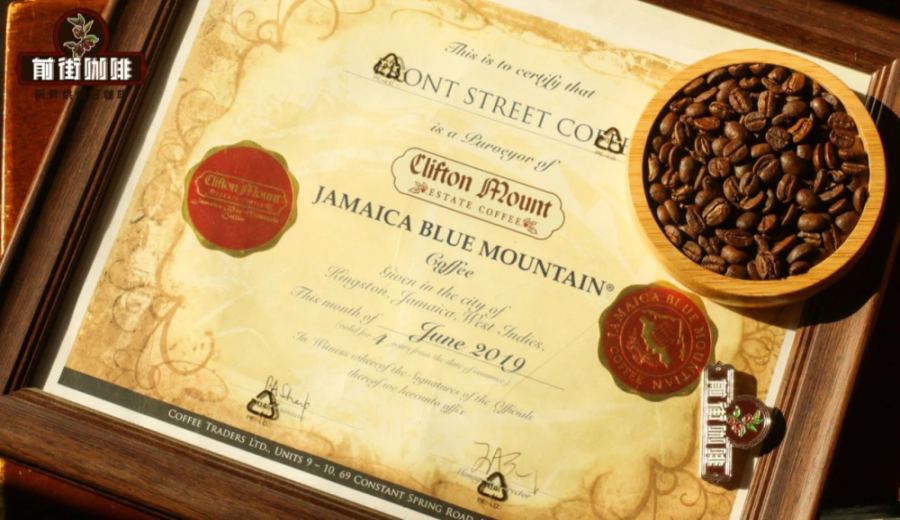
Introduction:Jamaican Blue Mountain coffee is hailed as one of the world’s finest coffees, but the criteria for what makes it “authentic” are little known. This article delves into the growing regions, grading system, processing methods, and roasting techniques of Blue Mountain coffee, guiding you to identify truly high-quality beans. We’ll also share the actual flavor profile of a classic No.1 grade washed medium-dark roast Blue Mountain bean, giving you clearer direction in both selection and tasting.
Jamaican Blue Mountain coffee has long been regarded as one of the pinnacle offerings in the coffee world—not only because of its rarity, but also due to its unique flavor and growing environment. However, the market is flooded with various products labeled as “Blue Mountain.” How can you tell which ones are genuinely from the Blue Mountains of Jamaica? How do you authenticate its grade and savor its most authentic flavor? This article will explore these aspects in depth.
First and foremost, authentic Jamaican Blue Mountain coffee must come from the Blue Mountains of Jamaica—an exclusive microclimate zone on this Caribbean island nation, situated at an altitude of about 1310 to 1500 meters. With its cool climate, moderate rainfall, and fertile volcanic soil, this region produces coffee with delicate and complex flavors. Only coffee that is grown and processed within this specific area qualifies to be called “Blue Mountain.”
Within the Blue Mountain coffee grading system, “No.1” is the highest grade, representing the most rigorously selected beans with the fewest defects and the most uniform appearance. These beans are typically plump, consistently sized, and hand-picked one by one to ensure that only the highest quality coffee beans are exported. Therefore, if you want to taste the purest expression of Blue Mountain, it’s recommended to prioritize beans labeled as “No.1” grade.
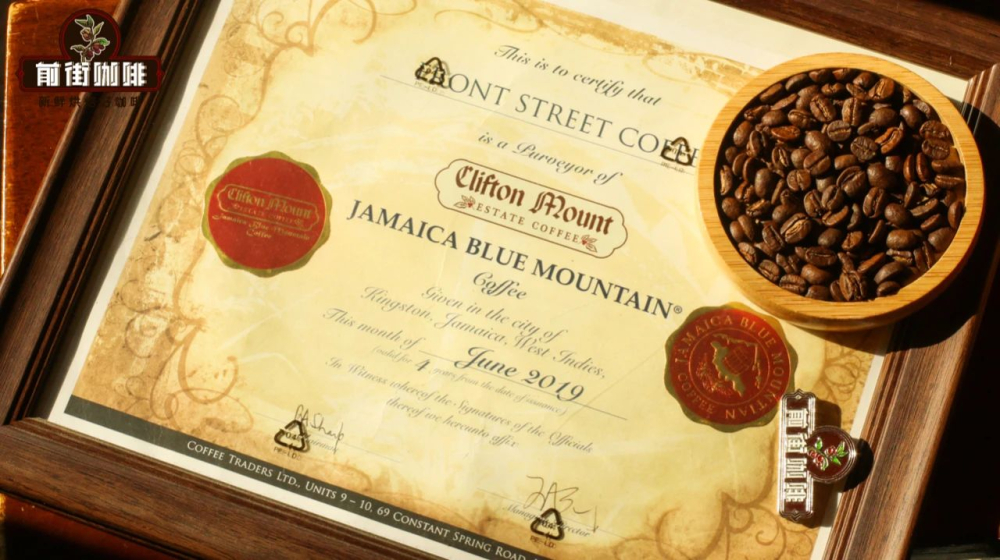
In addition to grading, the reputation of the estates within the growing region is also a key factor in assessing the quality of Blue Mountain coffee. Among them, Clifton Mount Estate is one of the historic and representative farms in the Blue Mountain region, known for its stable and high-standard production techniques. These estates mostly use the washed processing method, which effectively removes the pulp and mucilage layers, preserving the cleanest intrinsic flavors of the coffee beans while reducing the risks of impurities and over-fermentation.
In terms of processing, the washed method is the mainstream technique for Blue Mountain coffee. This approach involves removing the flesh and mucilage of the coffee cherry, followed by fermentation, washing, and drying. It highlights the inherent acidity and aroma of the beans, while delivering a cleaner and brighter taste. Compared to natural sun-dried or other processing methods, washed Blue Mountain coffee typically exhibits a more balanced acidity-sweetness structure and a refined aftertaste.
The degree of roasting also greatly influences the final expression of Blue Mountain coffee. Generally speaking, a medium-dark roast (close to the range between City Roast and Full City) can fully bring out the chocolatey, creamy, and nutty notes of Blue Mountain coffee, while retaining a moderate level of fruit acidity and caramel aromas. Over-roasting can easily mask its delicate characteristics, while under-roasting may fail to showcase its full body. Therefore, choosing a moderate medium-dark roast is often the best balance for enjoying Blue Mountain.
When it comes to flavor, authentic Jamaican Blue Mountain coffee is often described as the “king of balance.” Its flavor profile is typically grounded in chocolatey and creamy nuttiness, with subtle fruit acidity adding a refreshing touch, and a finish that carries a mellow caramel note with a hint of sweetness. The overall mouthfeel is smooth and layered, making it not only ideal for pour over but also excelling in drip and French press brewing. It’s a dream coffee for many coffee aficionados.
For readers trying Blue Mountain coffee for the first time, it’s recommended to start with a No.1 grade washed medium-dark roast bean, such as a classic offering from Clifton Mount Estate. These beans not only retain the classic traits of Blue Mountain but are also relatively easier to find from sources with genuine authenticity guarantees. Additionally, when brewing, it’s advised to use a medium-fine grind, control the water temperature between 90–93°C, and extract via pour over to fully release its delicate aromas and layered flavors.
In summary, to identify and enjoy authentic Jamaican Blue Mountain coffee, one must consider multiple factors: origin, grade, processing method, and roasting approach. Understanding these key elements not only helps you select truly high-quality Blue Mountain beans, but also allows you to more deeply appreciate their unique coffee charm during tasting. Whether for personal enjoyment or as a gift, choosing the right Blue Mountain can bring an unforgettable sensory experience.
The above content is compiled by CoffeeHunters, a coffee news website.


