







Introduction:Want to understand the difference between a Clever Dripper and pour over coffee? This article provides an in-depth analysis of the Clever Dripper’s piston valve design principle, standard brewing steps and key parameters, along with a complete comparison to common pour over methods such as the Hario V60 and KONO filters. Using Yirgacheffe Red Cherry as an example, it lets you experience how the two methods differ in flavor expression—rich and full-bodied or bright and fresh—and helps you master the selection tips all at once.
Thanks to its unique piston valve structure, the Clever Dripper allows even beginners to easily brew coffee with consistent performance. This article will fully dissect the design principles, practical operation process, and recommended parameters of the Clever Dripper, and provide a detailed comparison with mainstream pour over methods like the Hario V60 and KONO filters. Through a real-world case study—Yirgacheffe Red Cherry—we’ll intuitively show the differences in flavor profiles between the two brewing methods, helping you make the most suitable choice based on your personal taste.
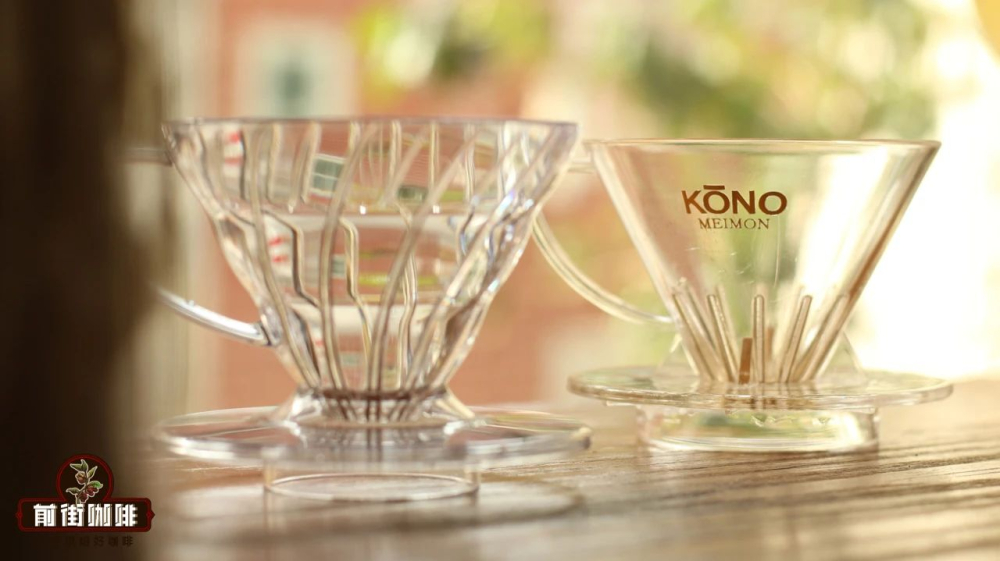
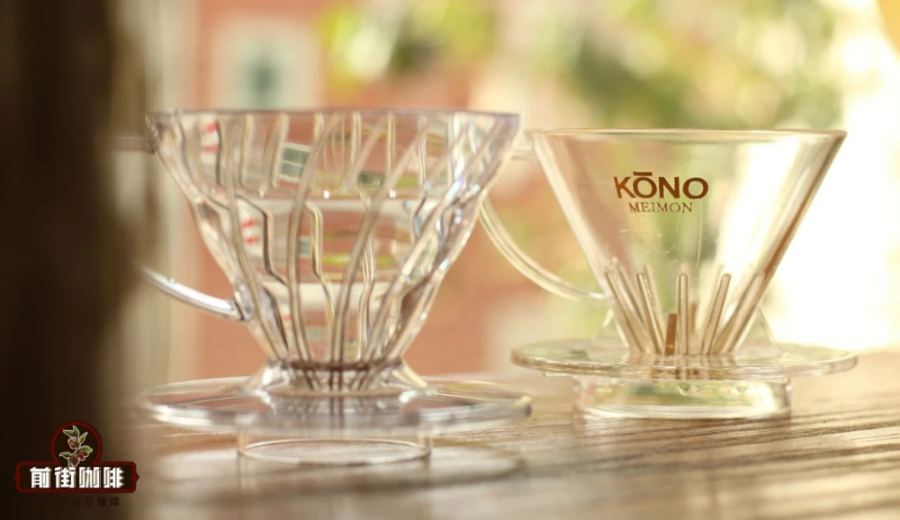
Many customers visiting a certain coffee shop have noticed that the shop primarily uses the Hario V60 and KONO filters for pour over coffee. However, both types of filters require a certain level of pouring technique, and if you haven’t yet mastered water flow control, it may affect extraction performance. If you want to brew a more stable and less error-prone cup of coffee more easily, the Clever Dripper is undoubtedly a great entry-level choice.
The so-called Clever Dripper, officially named the “Clever Coffee Dripper.” Although there are many valve-equipped filters on the market that claim to be “Clever Drippers,” in terms of technology and design, only the original version launched by the Mr. Clever brand is considered the authentic one. The core of this design lies in its bottom-mounted intelligent piston valve system, which significantly lowers the operational barrier.
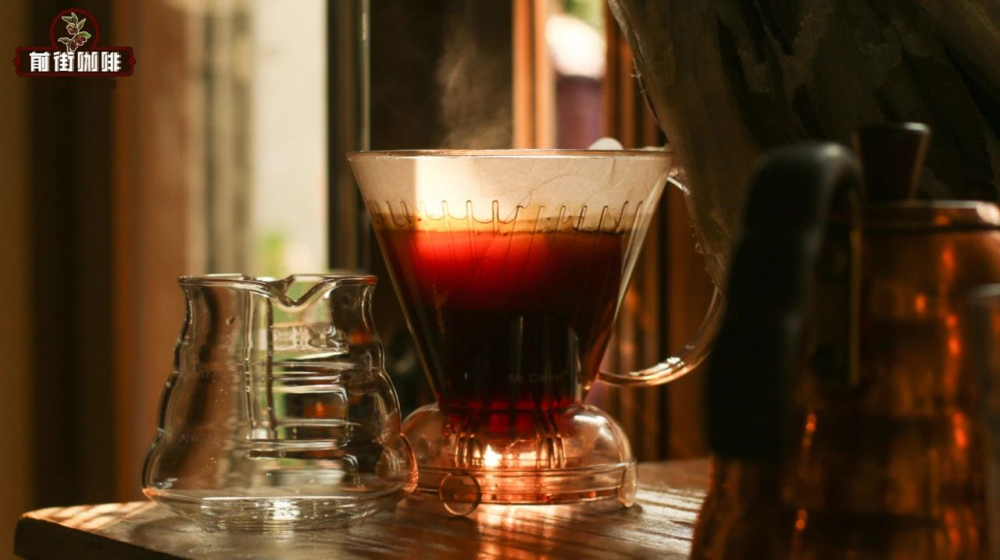 The brewing principle of the Clever Dripper is quite ingenious. Its base consists of an outer support frame and an inner piston valve. During the pouring process, water pressure causes the piston valve to close tightly, allowing the coffee grounds to be evenly soaked in hot water. Once the soaking time is reached, simply place the Clever Dripper over a server or cup, and the pressure at the bottom will open the piston valve, letting the coffee liquid flow out smoothly. In short, the Clever Dripper combines the full immersion characteristics of a French press, which can fully release coffee oils for a richer and fuller mouthfeel, while also retaining the advantage of filter paper in filtering out fine particles to ensure a clean and non-astringent taste.
Here are the standard operating steps for the Clever Dripper:
1. Fold the filter paper along its creases to form the ribs, place it into the Clever Dripper, and pre-wet it with a small amount of hot water to ensure the filter paper adheres tightly to the cup walls.
2. Place the Clever Dripper on a flat surface with the valve closed, add 15 grams of coffee grounds, and gently shake to level them.
3. Start the timer, pour the first 30 grams of hot water for blooming, continue for 30 seconds, with a recommended water temperature of 90°C.
4. After blooming, continue pouring until the total water volume reaches 225 grams.
5. At about 1 minute and 30 seconds, place the Clever Dripper over a server or mug to activate the piston valve and allow the coffee liquid to flow out. The overall brewing time generally falls between 1 minute and 50 seconds to 1 minute and 55 seconds.
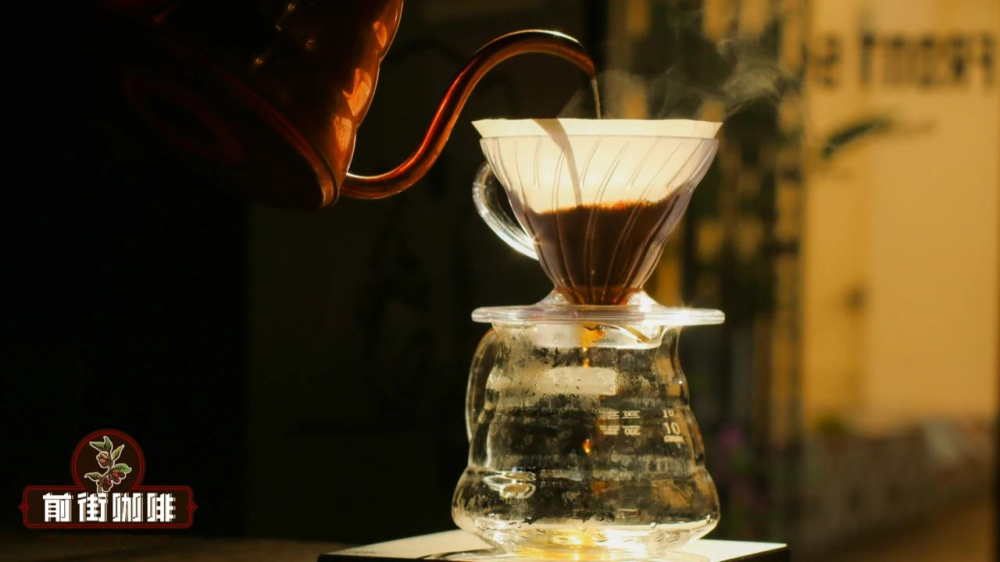
When it comes to pour over coffee, the offerings at a certain coffee shop are mainly made using the Hario V60 and KONO filters. These types of filters rely on paper filtration, which effectively removes fine particles, resulting in a clearer flavor. The history of pour over can be traced back to Germany’s Frau Melitta, who innovatively used blotting paper and a perforated copper pot to create the world’s first coffee filter, laying the foundation for the modern concept of pour over.
For pour over coffee, it is recommended to prepare the following equipment: an electronic scale (with timer function), thermometer, pour over kettle, filter cup, filter paper, server, and grinder. Among these, the electronic scale can record the weight of both coffee grounds and water while precisely tracking brewing time; the thermometer is used to monitor water temperature—with recommendations of 90°C to 93°C for light roasts and 86°C to 88°Cfor dark roasts. As for filter cup selection, the Hario V60 is recommended for light roasts, while the KONO is suitable for dark roasts, to bring out different flavor characteristics.
The standard pour over process at a certain coffee shop typically goes as follows: weigh out 15 grams of coffee beans and use a 1:15 coffee-to-water ratioto pour 225 grams of hot water. The operational steps include:
1. Place the filter paper into the filter cup, wet it with hot water, and make it adhere to the inner walls.
2. Add the ground 15 grams of coffee, and gently shake to level.
3. Pour the first 30 grams of hot water for blooming for 30 seconds to help the coffee release CO₂ and improve subsequent extraction efficiency.
4. Continue pouring up to 125 grams of hot water.
5. When the liquid level drops close to the coffee bed, pour the final amount of water up to 225 grams. The overall brewing time is approximately 2 minutes.
To visually demonstrate the differences between the two brewing methods, we conducted a comparison using the same coffee beans—Yirgacheffe Red Cherry. These beans come from the Yirgacheffe region of Ethiopia, grown at an altitude between 1700 meters and 2200 meters, belonging to local native varieties and processed using the natural (sun-dried) method, known for their sweetness and fruity aroma. The Red Cherry Project, led by the Dutch company Trabocca, aims to improve smallholder processing techniques and coffee quality, and is one of the representative micro-lot projects in the specialty coffee industry.
In terms of flavor expression, the Clever Dripper and V60 each have their own strengths:
Flavor profile of Clever Dripper-brewed coffee:Presents clear citrus acidity, smooth and juice-like on the palate, with a rich and silky mouthfeel accompanied by fermented wine notes, and a honey-like sweetness in the aftertaste.
Flavor profile of V60-brewed coffee:The flavor is relatively refreshing, featuring subtle fermented aromas, citrus notes, honey-like sweetness, and a soft cocoa finish. The overall impression is bright and clean, with a long-lasting aftertaste.
Overall, the Clever Dripper can extract a more complete range of multi-layered flavors from the coffee, making it suitable for those who prefer a richer mouthfeel; while the V60 highlights a lighter and more refreshing tone, ideal for those who enjoy fruity acidity and distinct layered flavors. By understanding these differences, you can choose the most suitable brewing method based on your flavor preferences.
The above content is compiled by CoffeeHunters, a coffee news website.


