








Introduction:Typica is one of the oldest varieties within Arabica coffee, having spread from Ethiopia to the rest of the world and shaping numerous renowned coffee regions and classic flavor profiles. This article delves into the plant characteristics of Typica, its global journey of dissemination, and through practical cuppings and pour over parameters from regions such as Jamaica Blue Mountain, offers insight into the unique charm and cultivation tips of this classic variety.
As one of the most original and representative Arabica coffee varieties, Typica originated in Ethiopia and gradually spread to Yemen, India, Southeast Asia, and even Central and South America. It not only laid the foundation for the modern coffee cultivation map but also profoundly influenced global consumers’ perception of coffee flavors. This article will guide you through the historical footsteps and varietal characteristics of Typica, and comprehensively analyze its appeal from cultivation to cupping.
Typica Coffee Variety Analysis
Typica belongs to the Arabica coffee variety group and was first widely cultivated on the island of Martinique. It is now primarily found in high-altitude regions such as Central America, Jamaica, Hawaii Kona, Papua New Guinea, and Timor-Leste. This variety usually needs to be hybridized with other varieties to enhance yield and disease resistance while maintaining flavor purity.
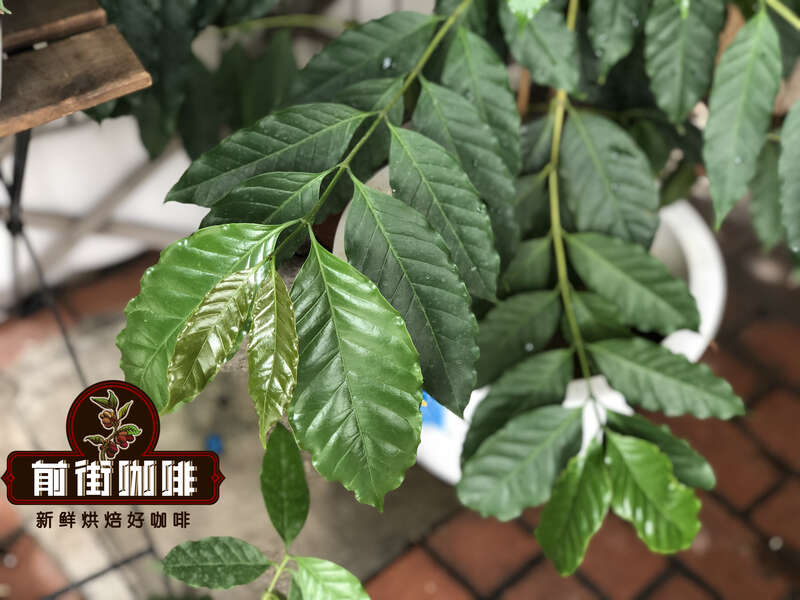
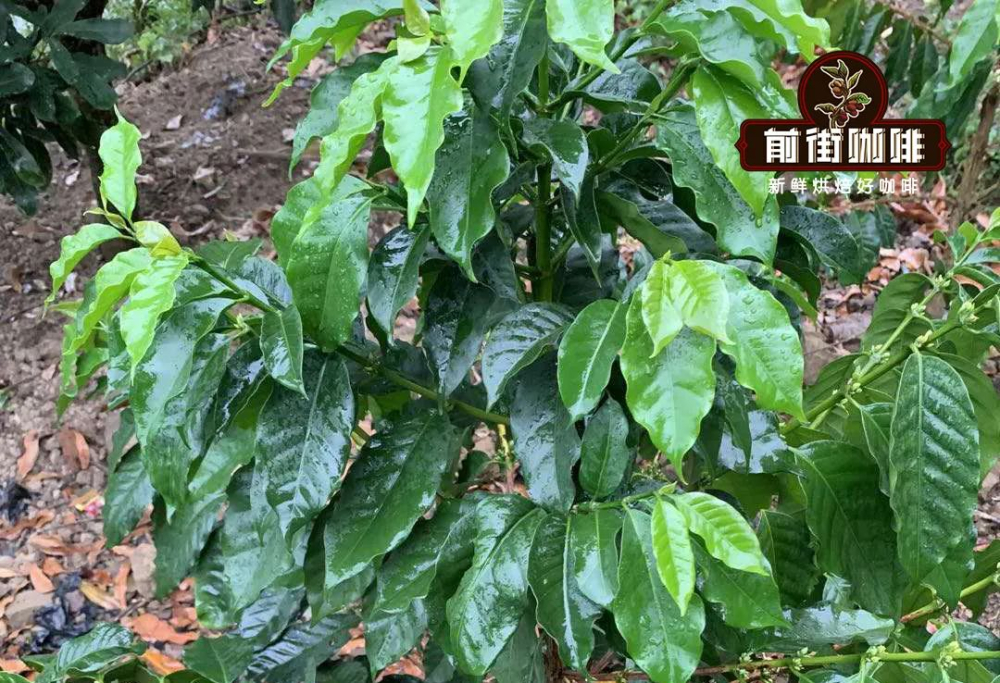
The Typica tree has a distinctly conical shape, with a straight trunk that can grow up to 5 meters tall. The angle between lateral branches and the main trunk ranges between 50 to 80 degrees, giving it an overall slender visual appearance. Its leaves and fruits are relatively long and narrow, with young buds initially appearing bronze and mature fruits being bright red. The leaves are smooth with minimal waviness, which is a key distinguishing feature from other varieties. Typica coffee beans are shaped either as pointed ovals or slender ellipses, tend to be larger in size, and the top leaves often exhibit an attractive bronze hue—earning it the nickname “red-top coffee.”
However, Typica also has its limitations, including relatively low yield, sensitivity to altitude and climate, and susceptibility to leaf rust and other pests and diseases. Through multiple cuppings, it has been found that Typica offers a clean and bright mouthfeel, balanced acidity and sweetness, and a distinct flavor profile, making it a classic favorite among many specialty coffee enthusiasts.

How Did Typica Travel from Ethiopia to the World?
Many people mistakenly believe that the term "Arabica" implies the origin of coffee is the Arabian Peninsula, but in fact, its place of origin is Ethiopia.Genetic research in 2002 confirmed that Ethiopia possesses the richest coffee genetic diversity in the world, overturning the previous belief that coffee originated in Yemen. The name “Arabica” stems from the historical context of the Arabian Peninsula serving as a major trade hub at the time.
The journey of Typica began in Yemen. Around the year 1500, Yemenis began preparing coffee as “qishr” and “qahwa,” the latter similar to today’s coffee brewing methods. Later, an Indian Muslim named Baba Budan smuggled seven Yemeni Typica coffee seeds during his pilgrimage to Mecca and successfully planted them in the mountains of Karnataka, southwestern India, specifically at the Chandragiri Hills. This marked the first time Typica took root in Asia.
In the 17th century, Europeans obtained coffee trees and roasted beans from Yemen through the Dutch East India Company and attempted to grow them in Europe, but failed due to unsuitable climates. It wasn’t until 1616 that Dutch Captain de Broyeke successfully transported a Typica seedling back to a greenhouse in Amsterdam, which later generations referred to as the “European mother plant.” Subsequently, descendants of this mother plant were sent to Java and other colonies, initiating Typica’s expansion into Southeast Asia and Central and South America.
In Southeast Asia, Java’s Typica once flourished until it was devastated by leaf rust disease in the late 19th century and was eventually replaced by Robusta. As for Central and South America, in 1720, a French officer named De Clieu brought a Typica seedling from Paris to Martinique. Three years later, it successfully bore fruit and later spread to Jamaica, Colombia, Guatemala, and other countries, making Typica the foundation of many classic coffees in Central and South America.
During the 19th century, Typica was also introduced to Hawaii Kona and Yunnan, China. The Typica in the Kona region evolved into what is known today as Kona coffee, while the Typica in Zhugula Village, Yunnan, is believed to have been planted in 1904 by French missionary Father Tandein, marking the beginning of coffee cultivation on the Chinese mainland.
Comprehensive Guide to Typica Cultivation
In recent years, there has been active trial planting of Typica in regions bordering Yunnan and Myanmar, aiming to enhance the quality potential of local coffee. Below is a breakdown of the key stages in the journey of Typica from seed to coffee tree:
Seed Selection: High-quality Typica seeds must be selected from fully ripe red cherries, with plump shapes and consistent sizes. Seed moisture content is recommended to be controlled at 13% for optimal storage. If stored for no more than three months before sowing, germination rates can reach 100%.
Germination Stage: Seeds are soaked in 45°C warm water for 24 hours, then placed under 1 to 2 cm of medium-coarse river sand, covered with straw to maintain humidity. Germination typically begins after about 20 days, with sprouting occurring between 40 to 60 days. At this stage, a shade net with 80% shading rate should be erected.
Nursery and Transplanting: Once the seeds develop their first pair of leaves, high-quality seedlings can be selected and transplanted into nursery bags. The ideal transplant location is at elevations above 1200 meters to achieve better flavor potential. Coffee trees focus mainly on vegetative growth in the first two years after planting, and only begin to flower and bear fruit from the third year onward.
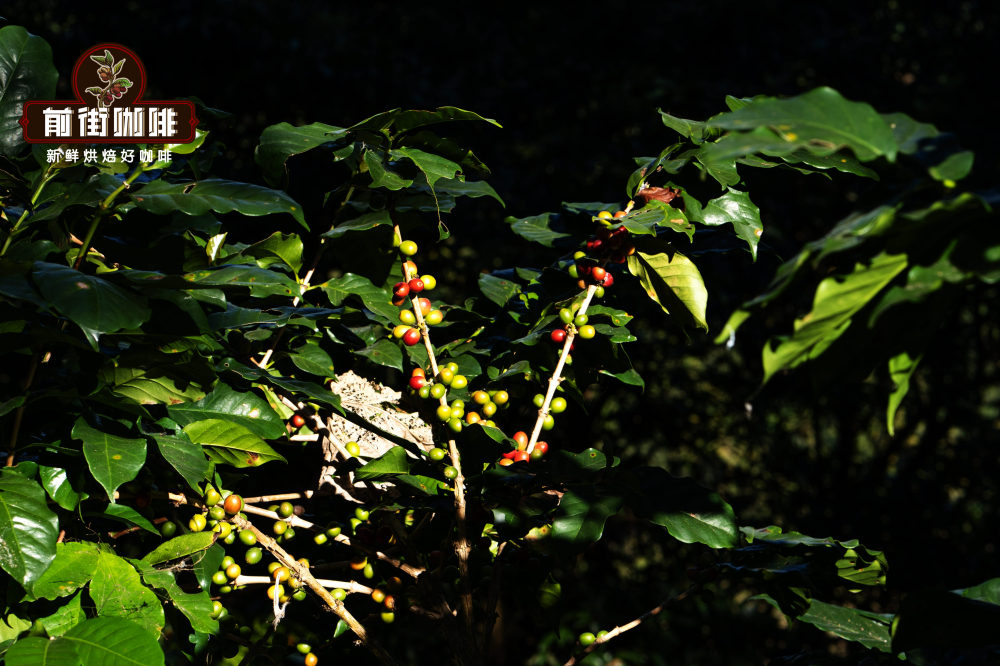
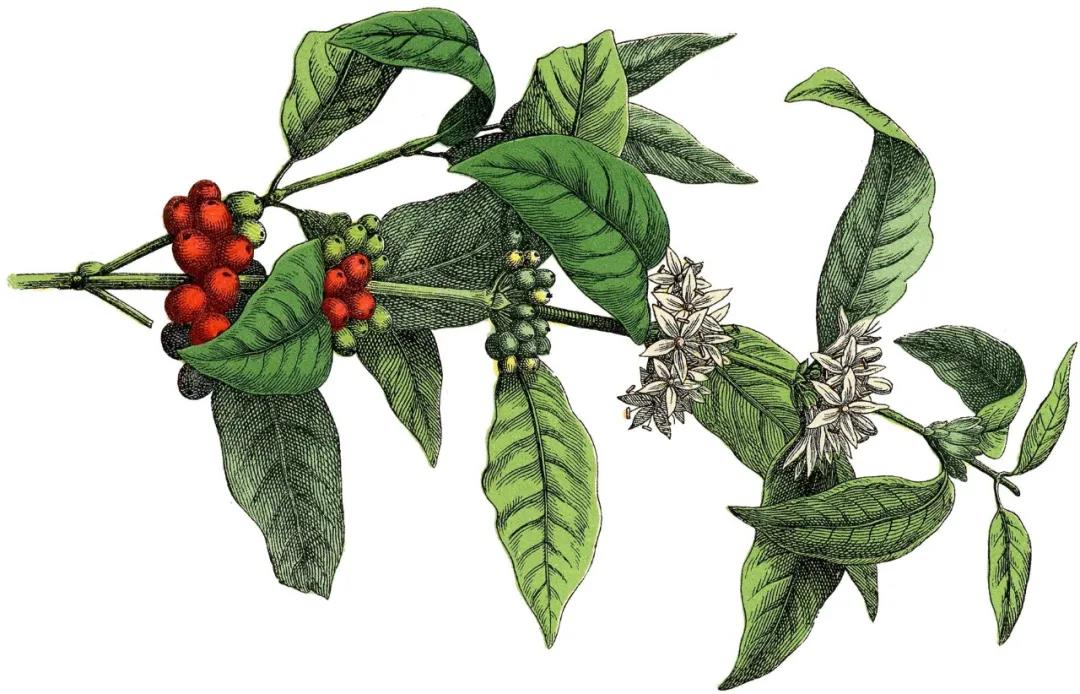
Flowering and Fruit Development: Coffee trees flower after the rainy season following a dry period, with flowering typically occurring around the tree’s third year. The flowers are white with a strong jasmine fragrance. Coffee cherries transition from green to yellow and then red, and are ready for harvest once mature.
Handpicking is recommended during harvest to select only fully red and ripe cherries, ensuring flavor consistency and quality.

Jamaica Blue Mountain: The Pinnacle of Typica
When discussing Typica, one cannot overlook Jamaica Blue Mountain. The Typica variety grown in Blue Mountain was introduced from Martinique in the 1720s and evolved under the unique environment of the Blue Mountain region, developing stronger disease resistance—especially against the coffee berry disease—compared to typical Typica.
Blue Mountain is located in eastern Jamaica, at elevations between 1000 and 1700 meters. It boasts fertile volcanic soil, a foggy and humid climate, and an average annual rainfall of 1980 mm, all of which contribute to its unique flavor structure. Currently, Blue Mountain coffee is best represented by the Clifton Estate, which is also the only farm in the Blue Mountain region to receive Rainforest Alliance certification.
Clifton Farm previously focused mainly on washed processing, but since 2020 has begun experimenting with natural sun-dried processing. Despite the challenges, this has added new dimensions to the flavor profile of Blue Mountain coffee.
Flavor and Roasting Recommendations for Blue Mountain Typica
Detailed roasting and cupping were conducted for both washed and natural versions of Blue Mountain Typica:
Washed Blue Mountain: The recommended roast curve starts at 170°C, with first crack beginning at 8 minutes 12 seconds and dropping temperature at around 201.3°C. The flavor profile presents a balanced combination of roasted nuts, chocolate, and honey, with well-balanced acidity and sweetness and high clarity.
Natural Blue Mountain: Starts roasting at 165°C, with first crack at 10 minutes 06 seconds and drop temperature at 198.5°C. The flavor showcases layers of berries, dark cocoa, and nuts, with a slight fermentation note. The cup is rich and has a long-lasting aftertaste.
Brewing Recommendations and Tasting Experience
It is recommended to use a Kono filter, with a 1:15 coffee-to-water ratio, water temperature controlled at 88–89°C, and grind size at medium-coarse (75% passing through a #20 sieve). The actual brewing technique involves a three-stage pouring method, which helps improve extraction uniformity and flavor expression.
Washed Blue Mountain: Upon tasting, it exhibits pronounced black chocolate and nutty tones, bright acidity, a full-bodied mouthfeel, and clear layering;Natural Blue Mountain: Showcases a brown sugar sweetness and berry acidity, transitioning mid-to-late into nutty and cocoa notes, with a creamy-smooth mouthfeel and a lingering walnut aroma in the aftertaste that is truly memorable.
The above content is compiled by CoffeeHunters, a coffee news website.


