







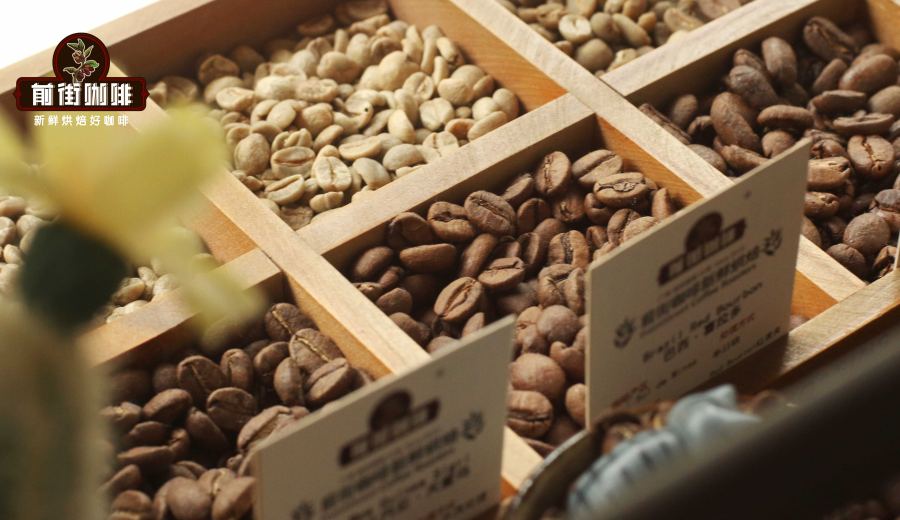
Introduction:Brazilian Red Bourbon coffee, with its stable nutty profile and sweet aftertaste, has become a daily favorite for many coffee enthusiasts. This article delves into the regional characteristics, processing methods, and roasting traits of Red Bourbon from Brazil’s Sul de Minas region, and provides a detailed analysis of recommended pour over parameters and segmented brewing techniques to help you brew a rich and layered single-origin cup at home.
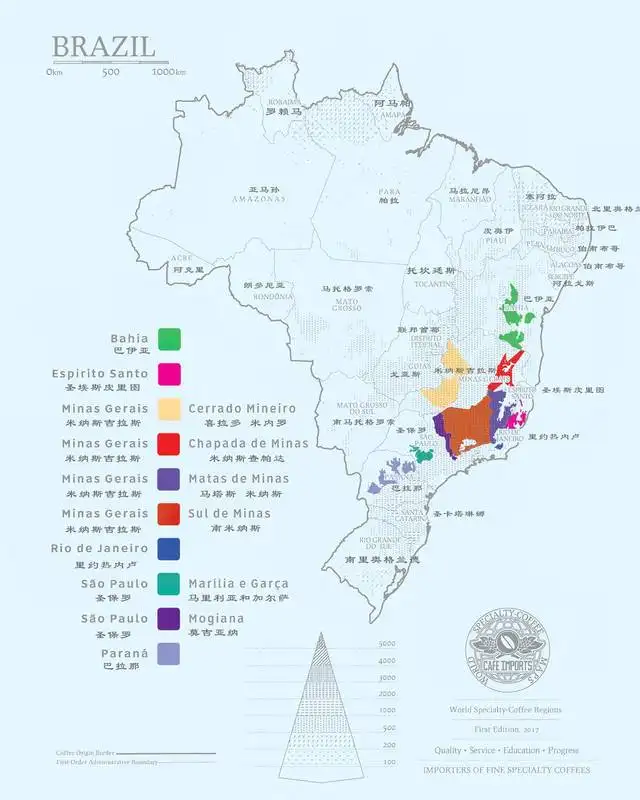
Among the many specialty coffee beans, Brazilian Red Bourbon is long favored by consumers for its balanced flavor and accessible price. Especially in the Sul de Minas region, where the altitude is around 1000 meters, with significant day-night temperature variations and distinct wet and dry seasons, these conditions contribute to the unique flavor profile of Red Bourbon coffee. This coffee typically exhibits low acidity, intense nutty aromas, along with natural sweetness and dark chocolate notes, making it an excellent choice as a daily drinking bean.
Geographical and Climatic Features of Brazilian Coffee Regions
As the world’s largest coffee producer, Brazil’s coffee-growing areas are mainly concentrated in highland regions above 500 meters in altitude, particularly in the state of Minas Gerais. This region is home to several well-known micro-regions such as Cerrado and Sul de Minas, which, thanks to their stable climate and fertile soil, provide ideal conditions for cultivating high-quality Arabica beans. Compared to high-altitude African beans, Brazilian coffee generally has lower acidity but boasts rich sweetness and a full body, making it suitable as a base for espresso or for single-origin enjoyment.
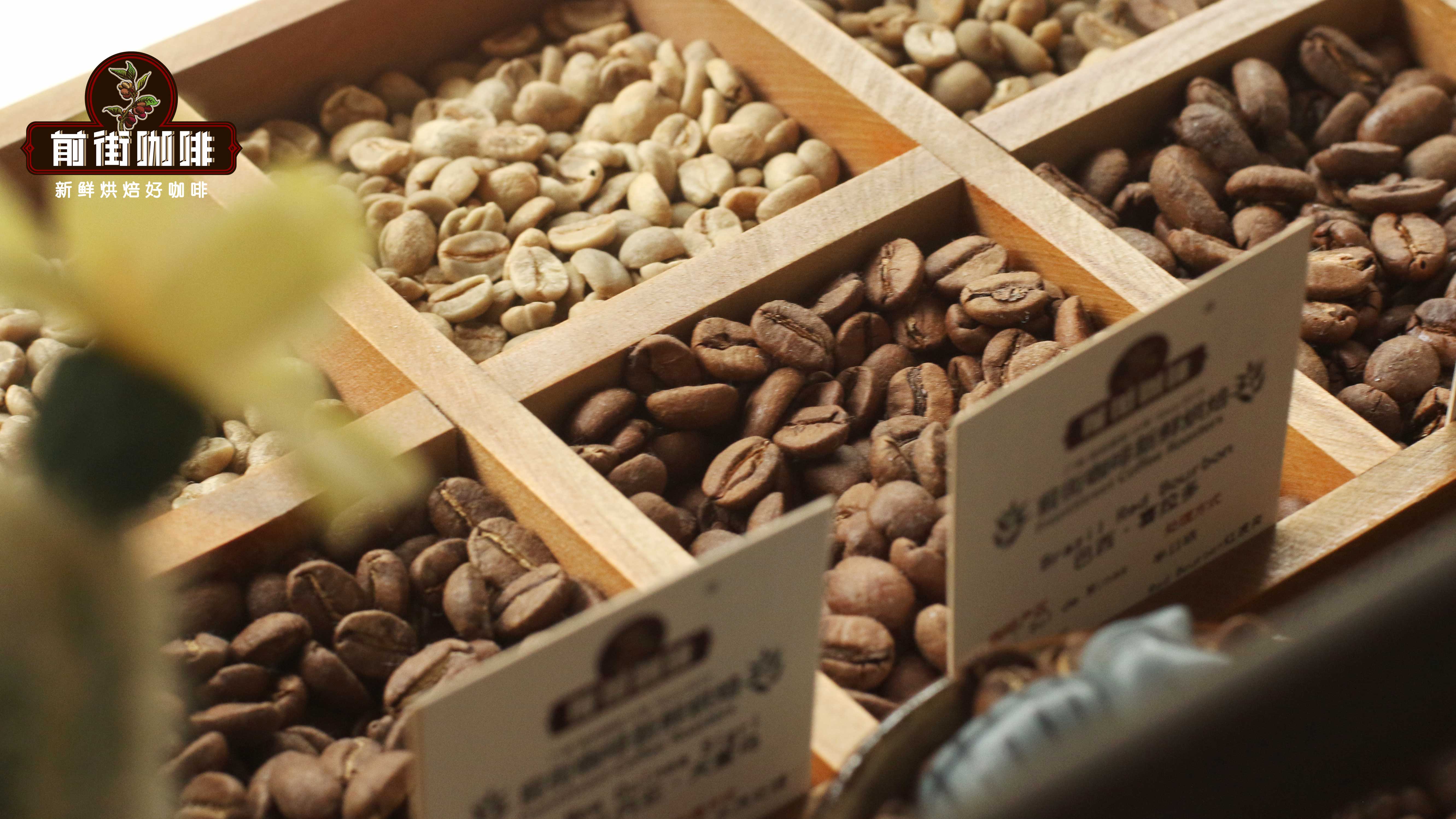
Brazil offers a wide variety of coffee cultivars, among which the Bourbon group is an important branch, including varieties such as Yellow Bourbon and Red Bourbon. Compared to Yellow Bourbon, Red Bourbon usually has a richer sweetness and complexity, and its flavor profile more readily showcases distinct nutty and caramel notes in the cup.
Main Processing Methods and Their Flavor Impact
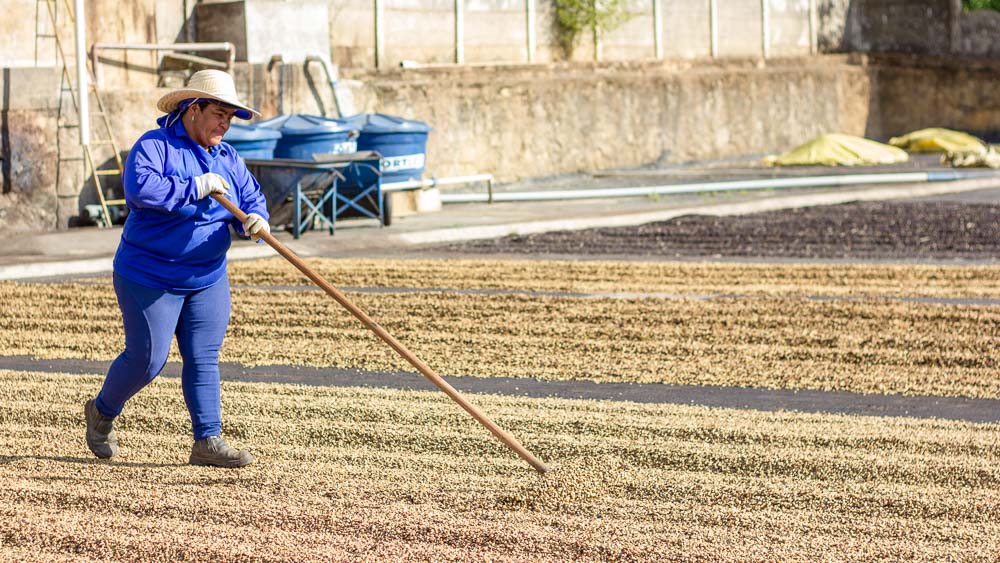
There are various processing methods used for Brazilian coffee, commonly including natural (sun-dried), semi-washed, honey, and washed processes. Among them,semi-washed is one of the most common processing methods, characterized by removing the outer skin and pulp of the coffee cherry while leaving some mucilage on the beans during sun drying. This allows the beans to accumulate more sweetness and body during the drying process. This method preserves the coffee’s natural flavors while adding a rounded and full-bodied mouthfeel.
Compared to the washed method, semi-washed and honey processes better highlight the low acidity and bold characteristics of Brazilian coffee, and are also more adaptable to the region’s variable climate conditions, helping to ensure stable quality production.
Specific Parameters of Brazilian Red Bourbon Beans
Taking an example of Red Bourbon from southern Minas Gerais, Brazil, the beans are grown at an altitude of about 1000 meters and processed usingthe semi-washed method, with the classic Red Bourbon variety. These beans are roasted to a medium-dark level using a Yangjia 600g semi-direct-fire roaster, emphasizing the full development of caramelization reactions while avoiding the burnt bitterness that can come from over-roasting.
During the roasting process, a medium flame is used for the initial charge, with the starting drum temperature set at 200°C and the air vent opened to 3. Ignition occurs after 30 seconds, with the initial flame adjusted to 160, then fine-tuned gradually based on the beans’ response—especially during the first crack, where flame and air vent control is used to achieve more complete caramelization. Roasting is completed when the drop temperature approaches 200°C, with a development time of about 3 minutes and 10 seconds, resulting in a rich and balanced flavor foundation for the beans.
Recommended Pour Over Parameters and Practical Tips
To fully showcase the nutty character and sweetness of this Red Bourbon, it is recommended to use a Kono filter. The Kono’s rib design is concentrated at the bottom, which reduces contact between the filter paper and air, extends the water-coffee contact time, and helps enhance the body. Recommended parameters are as follows:
- Filter: Kono
- Water temperature: 88°C
- Coffee dose: 15 grams
- Brew ratio: 1:15
- Grind size: Medium-fine (about 80% through a Chinese standard No. 20 sieve, similar to fine sugar granules)
Pour over steps and segmented extraction recommendations
Using a segmented extraction method, start with a 30-second bloom using 30 grams of water to activate the coffee’s aroma. Then pour in small circles with a gentle stream. When the total water volume reaches 125 grams, perform the first segmentation. Once the water level drops slightly, continue pouring until the total volume reaches 225 grams, then stop pouring. Keep the total brew time around 2 minutes to effectively balance flavor layers and avoid over- or under-extraction.
This extraction method effectively highlights the Red Bourbon’s nutty aroma, subtle citrus notes, and delivers a soft black chocolate and caramel sweetness in the aftertaste. The overall mouthfeel is round, smooth, and highly suitable for daily drinking or as a pick-me-up at the office.
In summary, Brazilian Red Bourbon is a specialty-grade daily drinker that combines stable performance with captivating flavors. Whether you’re a beginner pour over enthusiast or a seasoned coffee drinker looking for a reliable everyday bean, you can experience the unique charm and approachable appeal of Brazilian coffee through this Red Bourbon from Sul de Minas.
The above content is compiled by CoffeeHunters, a coffee news website.


