







Introduction:This article provides an in-depth analysis of two classic Bourbon varieties from Brazil’s two renowned coffee regions — Cerrado and Mogiana: Red Bourbon and Yellow Bourbon. From regional geography and varietal characteristics, to honey pulped natural processing methods, roast profiles, and pour over extraction parameters, we offer a comprehensive comparison of how these two coffees differ in their expressions of nuttiness, chocolate, and sweetness. Practical brewing suggestions are also included for coffee enthusiasts who appreciate full-bodied, low-acidity flavors.
As the world’s largest coffee producer, Brazil not only supplies a stable and large volume of commercial beans but also cultivates many specialty coffees with unique flavor profiles. Among them, the Cerrado region located in Brazil’s Minas Gerais highlands and the neighboring Mogiana area are well-known for their high altitudes and fertile soils, making them key sources of Brazil’s specialty coffee. This article focuses on two classic Bourbon varieties produced in these regions — Red Bourbon from Cerrado and Yellow Bourbon from Fazenda Rainha in Mogiana. We explore their distinctive charm through background on the regions, varietal features, processing methods, roast curves, as well as cupping and pour over performance.
A Quick Look at Brazil’s Coffee Regions and Historical Background
Since the introduction of coffee plants in 1729, Brazil has gradually become a pillar of the global coffee industry. Although its geography is generally not high in altitude, the vast land and diverse microclimates have still given rise to many specialty coffees with regional character. Cerrado is situated in Brazil’s inland plateau, with an average elevation exceeding 1,000 meters, fertile soil, and good drainage — making it an ideal place for growing coffee with bold, rich flavors. In contrast, the Mogiana region lies closer to the southern mountainous areas, where some high-altitude farms reach elevations between 1,400 and 1,950 meters, better suited for cultivating varieties with delicate flavors and prominent aromatics, such as Yellow Bourbon.
Two Variants of the Bourbon Variety: Red Bourbon and Yellow Bourbon
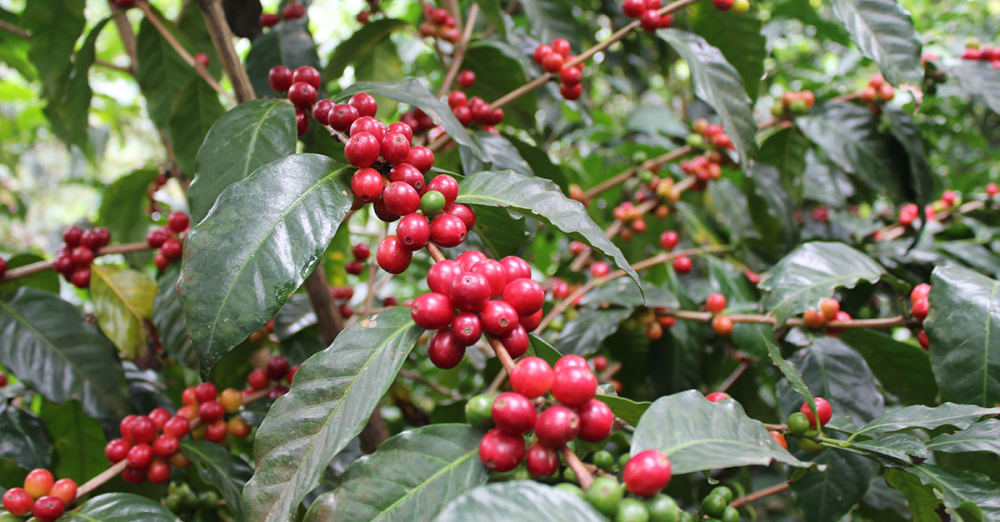
Bourbon is one of the oldest varieties in the Arabica family, a mutation of Typica, known for its stable yield and good adaptability. Red Bourbon is the most common type, with fruits ripening red and typically exhibiting more pronounced acidity and aromatic complexity. Yellow Bourbon is a rarer variant, ripening to a yellow fruit color, often with more outstanding sweetness, more concentrated flavors, but relatively lower yield. Both varieties demonstrate excellent quality potential when grown in Brazil’s high-altitude regions.
The Key Role of the Honey Pulped Natural Processing Method
Both of these coffees are processed using the honey pulped natural method, which falls between natural and washed processing. The skin and pulp are first removed, while some mucilage is retained before sun drying. This method preserves more sweetness and body while reducing the risk of over-fermentation. Compared to traditional natural processing, honey pulped natural allows for more effective control over fermentation levels, improving the coffee’s cleanliness and consistency — especially desirable for specialty coffees aiming for balanced flavors.

Regional Differences and Initial Exploration of Flavor Profiles
Red Bourbon from Cerrado is grown at an altitude of around 1,000 meters in a plateau environment with significant day-night temperature variation, aiding in the accumulation of flavor compounds. The resulting coffee typically showcases rich notes of cream, nuts, and caramel, with a full body and distinct sweetness. Meanwhile, Yellow Bourbon from Mogiana is cultivated at altitudes between 1,400 and 1,950 meters in mountainous areas. The higher elevation leads to a slower fruit maturation process, resulting in more delicate flavors. Common tasting notes include roasted nuts, peanut butter, and soft fermented fruit aromas, with layered sweetness and gentle acidity.
Roast Curve Design and Flavor Development
For these two beans, roasters typically employ medium to dark roasts to enhance their bold base and sweet flavor expression. Taking Cerrado Red Bourbon as an example, it is recommended to start with an inlet bean temperature of around 200°C, initially applying high heat for rapid moisture removal, then adjusting to medium heat and airflow to promote Maillard reactions. After first crack, extending the development time helps bring out more pronounced chocolate and nut aromas. Yellow Bourbon, with its more delicate flavors, requires more careful control of heat during roasting to avoid over-development that could lead to aroma loss. The development time after first crack also needs precise management to preserve its unique fruity sweetness and flavor layers.
Cupping Performance: Dry Aroma, Wet Aroma, and Flavor Analysis
During cupping, the dry aroma of Fazenda Rainha Yellow Bourbon exhibits warm notes of roasted nuts and cinnamon, while the wet aroma presents a complex blend of peanut and baked scents. Upon sipping, clear notes of roasted nuts, peanut butter, and fermented fruit sweetness emerge, delivering a balanced and layered cup. In comparison, Cerrado Red Bourbon gives off intense aromas of roasted hazelnuts and caramel in the dry phase. After brewing, its wet aroma is dominated by nuts and chocolate, featuring a clear flavor profile with strong notes of nuts, peanuts, butter, and caramel, prominent sweetness, and a long-lasting aftertaste.
Pour Over Parameters and Extraction Tips
To fully showcase the characteristics of these two beans, it is recommended to use a Kono dripper for pour over brewing. Its unique structure extends the water-coffee contact time, helping extract more body and richness. The suggested water temperature is 88°C, with a brew ratio of 1:15, and a grind size at medium-fine (70–75% passing through a Chinese standard No. 20 sieve). In practice, a three-stage pouring method can be used: begin with a 30-second bloom using 30 grams of water, followed by slow circular pouring until reaching 125 grams for the first pour. After the water level drops, continue pouring up to 225 grams to finish the brew. The total brew time should be controlled between 2 minutes 05 seconds and 2 minutes 15 seconds to effectively balance flavor and body.
Conclusion: Who Is It For?
These two Brazilian specialty Bourbon coffees each have their own distinctive profiles yet both exemplify the bold essence of Brazilian coffee. Cerrado Red Bourbon is ideal for those who enjoy intense nutty and chocolatey notes, while Mogiana Yellow Bourbon shines with its delicate fruitiness and soft acidity, making it a great choice for those seeking layered and balanced flavors. No matter your preferred flavor direction, these two beans serve as an excellent starting point for exploring Brazilian specialty coffee.
The above content is compiled by CoffeeHunters, a coffee news website.


