







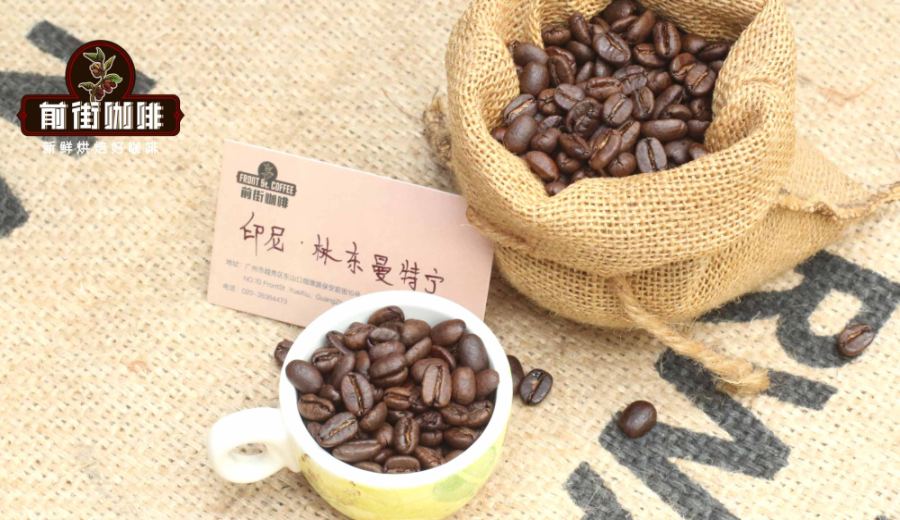
Introduction:Many people mistakenly believe that Mandheling is a coffee variety, but in fact, this name originated from a misunderstanding during World War II. This article delves into the origins of Mandheling, its connection to the Sumatra region, and compares regular Mandheling with Golden Mandheling in terms of flavor, processing, and price, helping you find the Mandheling coffee experience that suits you best.
When it comes to Mandheling, many coffee enthusiasts immediately think of a rich and bold dark roast flavor, even directly associating it with a specific coffee variety. However, the truth is that "Mandheling" is neither a variety name, nor a specific region or port—it is a name born out of a historical misunderstanding. Behind this name lies a small anecdote from World War II, which also gives us a deeper understanding of this coffee from Sumatra.
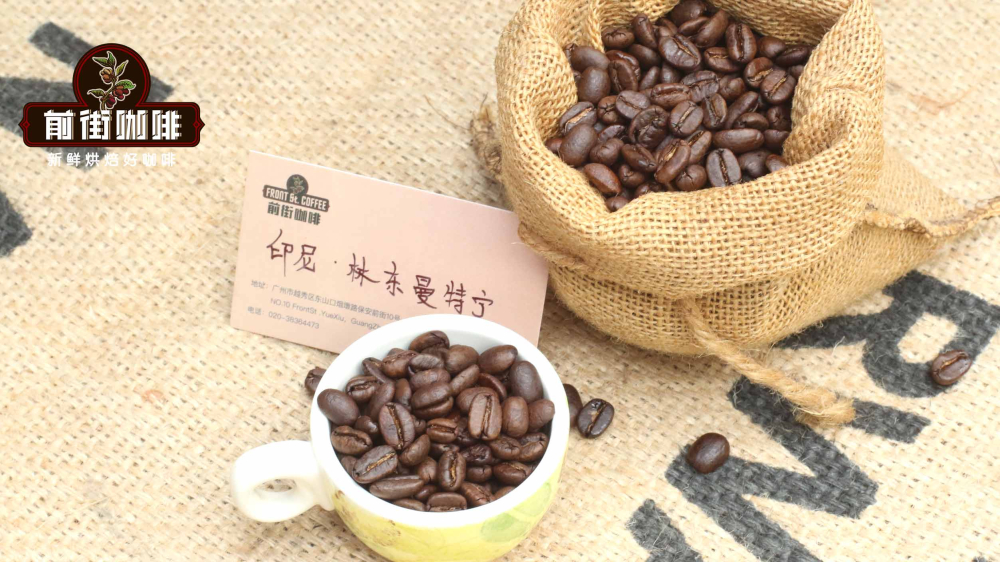
The story dates back to 1942, during World War II, when Japanese forces occupied the Indonesian island of Sumatra. One day, a Japanese soldier tasted a uniquely flavored coffee at a local café and was amazed by its aroma and rich taste. He asked the shop owner about the name of the coffee. However, the shop owner misunderstood and thought he was asking where he was from, so he replied, "I am from the Mandailing ethnic group." Thus, the name "Mandheling coffee (mandheling)" spread. After the war, the Japanese soldier recalled the coffee he had drunk in Indonesia and commissioned an Indonesian merchant to ship 15 tons to Japan, where it became extremely popular, leading to a broad base of Mandheling enthusiasts in Japan.
Therefore, Mandheling generally refers to coffee produced in Sumatra, primarily of the Arabica variety (with a small portion being Timor variety). This large tropical island in Indonesia, with its unique geographical and climatic environment, produces coffee with a rich taste, abundant chocolate notes, and a balanced bitterness and aroma. Compared to the bright citrus acidity commonly found in African beans, Sumatran Mandheling tends to be deeper and more robust, like a seasoned, reserved, and steady uncle—thus particularly favored by mature male coffee drinkers.
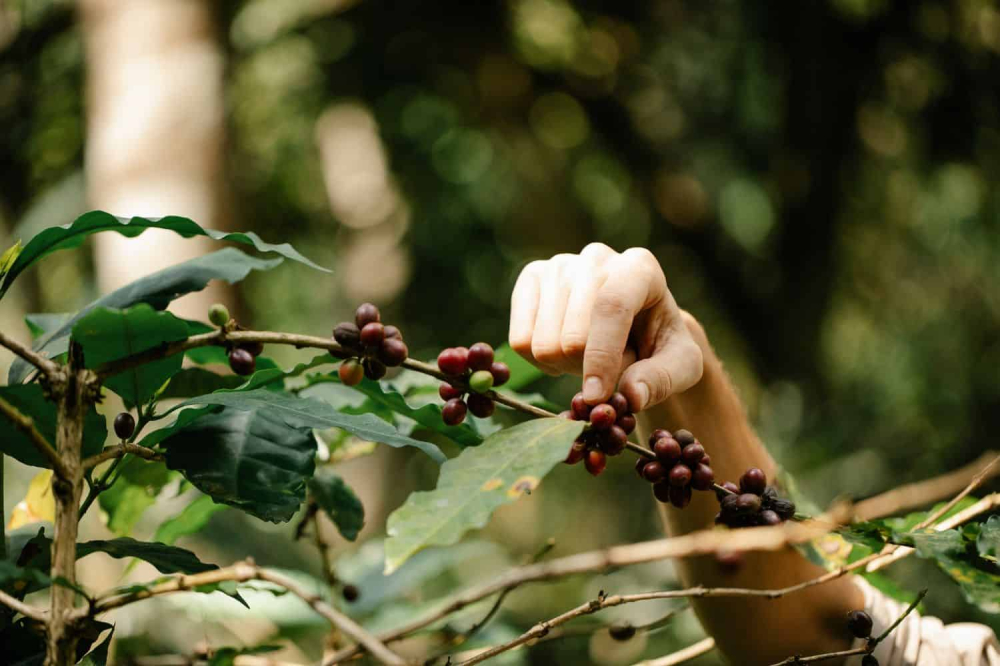
So, what exactly is the "Golden Mandheling" that is often mentioned on the market? How is it different from regular Mandheling? Does it represent better quality? In fact, the origin of Golden Mandheling is closely related to a well-known local coffee purchasing company in Indonesia—Pwani Coffee Company (abbreviated as PWN). PWN has long been procuring coffee beans from the main producing areas of Sumatra, with a stable and high-quality supply of green beans, so its coffee beans generally meet specialty-grade standards.
The so-called Golden Mandheling refers to a premium product launched by PWN after multiple rounds of manual sorting to select high-quality green beans that are plump and free of obvious defects, followed by a rigorous screening process. These beans must pass through multiple layers of quality control before they can be labeled as "Golden Mandheling." It is worth mentioning that PWN has registered "Golden Mandheling" as a brand name, so it is not just a grade, but a premium coffee brand with market recognition.
The reason Golden Mandheling is highly regarded in the market is not only due to its strict selection process, but also because it demonstrates a high level of uniformity and integrity during the green bean processing stage. Over a decade ago, Japanese buyers adopted even stricter quality control standards, manually sorting these beans four times to ensure each one met high standards, which also contributed to Golden Mandheling’s popularity in the European and American markets.
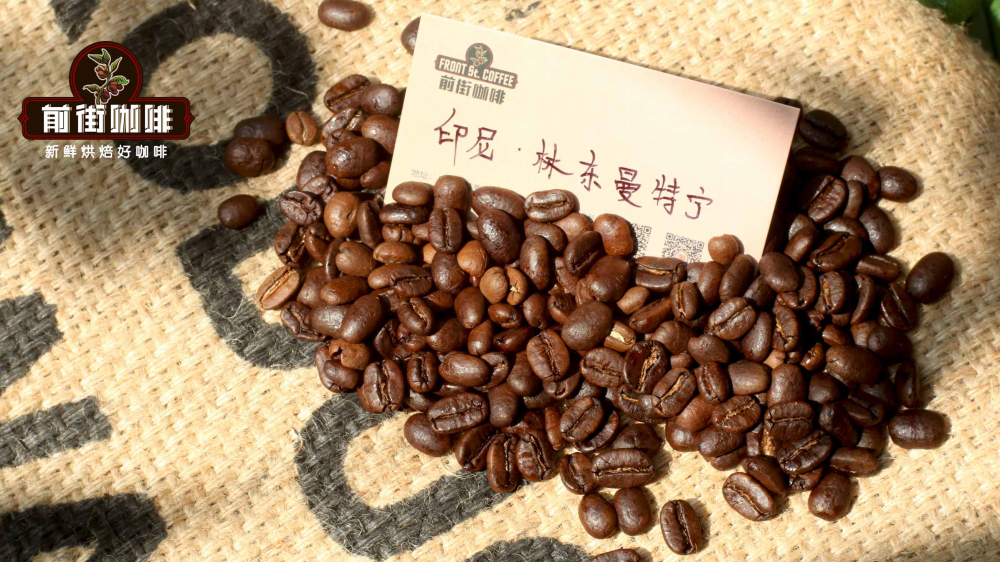
When it comes to the flavor of Mandheling, many assume it only has a strong bitterness with almost no acidity. However, Mandheling grown at high altitudes, if processed with medium to light roasts, can still exhibit a certain level of bright fruit acidity. That said, in most cases, Mandheling coffee tends toward medium to dark roasts, which enhances its caramel, chocolate, and even subtle tobacco and spice notes, resulting in a richer, more robust overall taste with relatively subdued acidity, better showcasing its depth and smoothness.
When you take a sip of Mandheling, your tongue can feel a delicate smoothness. Though the acidity is not prominent, it has distinct layers, paired with a rich aroma, creating a mild yet vibrant drinking experience. Additionally, Mandheling often carries a hint of understated earthy or herbal notes, and this unique terroir character is also one of the reasons it is deeply loved by seasoned coffee aficionados.
If you taste Golden Mandheling alongside regular Mandheling (such as G1 grade), you can easily perceive the differences in flavor purity and sweetness. Golden Mandheling typically exhibits brighter sweetness, a cleaner taste, and more explosive spice-like flavors, which is also one of the reasons for its relatively higher price.
In summary, if you prefer coffee with a balanced bitterness and sweetness, rich flavor, and earthy undertones, Mandheling is undoubtedly an excellent choice; whereas if you seek a coffee experience that maintains clear layers and high purity even under darker roasting conditions, then PWN Golden Mandheling will better meet your expectations.
The above content is compiled by CoffeeHunters, a coffee news website.


