







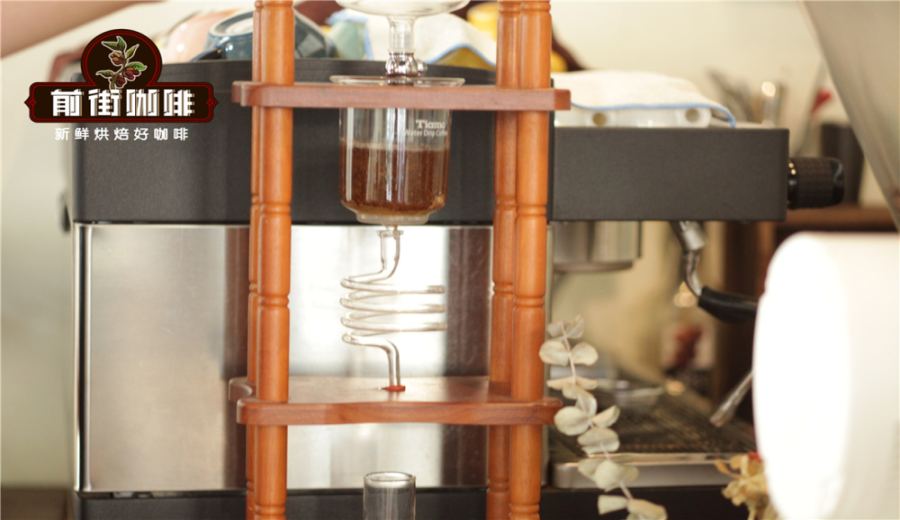
Introduction:Cold drip coffee is made by slowly extracting coffee with ice-cold water at a low temperature, resulting in a rich, smooth, and non-astringent flavor, with relatively lower caffeine content. This brewing method, originating from the Dutch colonial period in the 17th century, has become a popular summer choice in recent years. This article explains the principles of cold drip, how it differs from pour over, the brewing process, and how to control the drip rate. It also shares three classic flavor profiles — deep berry, bright citrus, and sweet chocolate — and offers advice on the best time to enjoy it and how to store it properly.
Cold drip coffee is a brewing method that involves extracting coffee using ice water over an extended period at a low temperature. It is characterized by a rich, smooth taste without any astringency and contains significantly less caffeine compared to other brewing methods. This ancient technique, dating back to 1699 when the Dutch colonized Java, has now become a top choice for coffee lovers in the summer. Compared to traditional pour over, cold drip requires hours of waiting for extraction, but what you get in return is a more delicate and layered flavor experience.
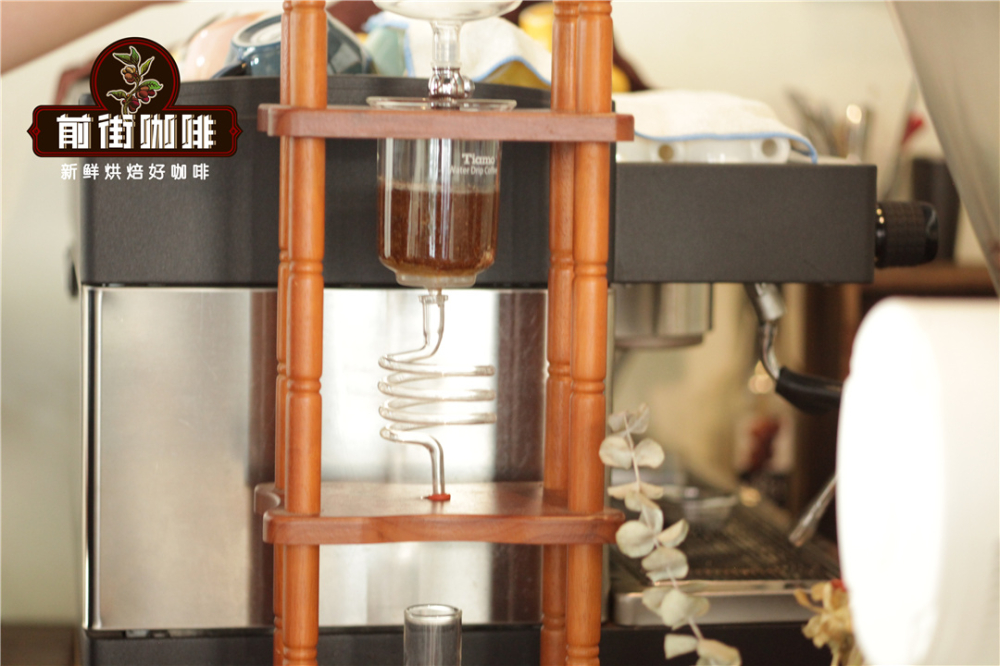
The uniqueness of cold drip coffee lies in its low-temperature extraction. Unlike common pour over methods that use hot water, cold drip relies on slowly dripping ice water through a bed of coffee grounds, usually taking about 8 hours in total. This prolonged, low-temperature extraction effectively suppresses the conversion of tannins into quinic acid, reducing sourness and astringency while preserving a rounder mouthfeel. Traditional cold drip devices often feature a three-layer glass structure design, with an adjustable drip control valve to precisely manage40~50 drops per minute— the ideal flow rate — which completes the extraction of about 1000 ml in approximately 5 to 8 hours.
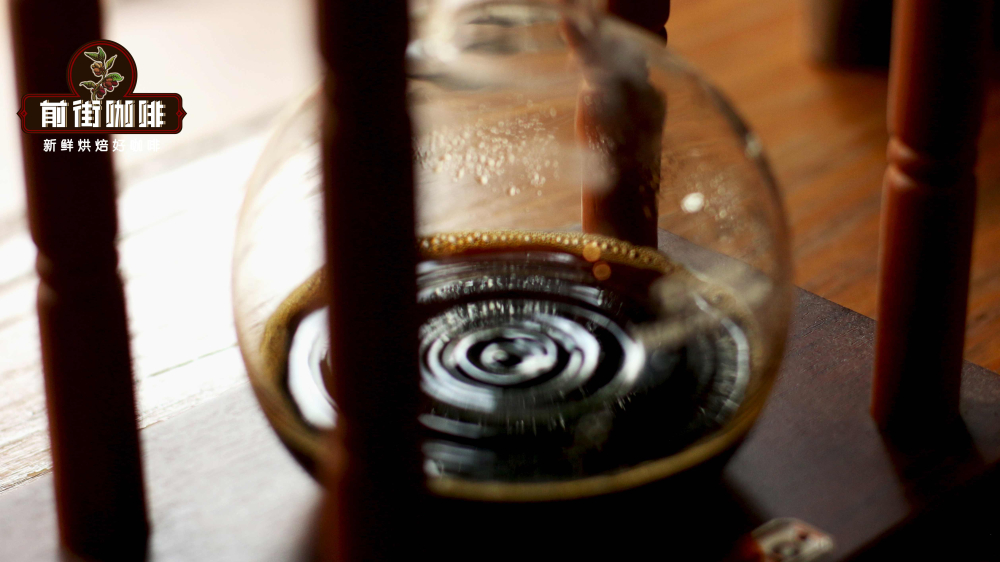
From a scientific perspective, the low-temperature environment of cold drip selectively extracts aromatic compounds while preventing impurities such as lignin fibers from being released. Notably, the extracted coffee liquid should be left to rest in the refrigerator for 12–24 hours after brewing, allowing the internal carbon dioxide pressure to naturally release flavor molecules. This maturation period makes the taste richer and develops a fermentation aroma similar to that of fermented beverages. It’s worth noting that although cold drip coffee has lower caffeine content and is gentler on the stomach, it is recommended to consume it within72 hoursafter brewing to ensure the best quality.
The primary tool for making cold drip coffee is a specialized cold drip brewer, which generally consists of three parts: the top chamber (for holding the ice-water mixture), the middle chamber (where the filter paper and coffee grounds are placed), and the bottom chamber (for collecting the coffee). In the preparation stage, the top chamber’s water valve should be closed first, then pre-chilled water at around 5°C is poured in. Two layers of filter paper should be evenly laid at the bottom of the middle chamber to ensure proper filtration. The grind size should be slightly coarser than that used for pour over, to suit the characteristics of long-duration, low-temperature extraction.
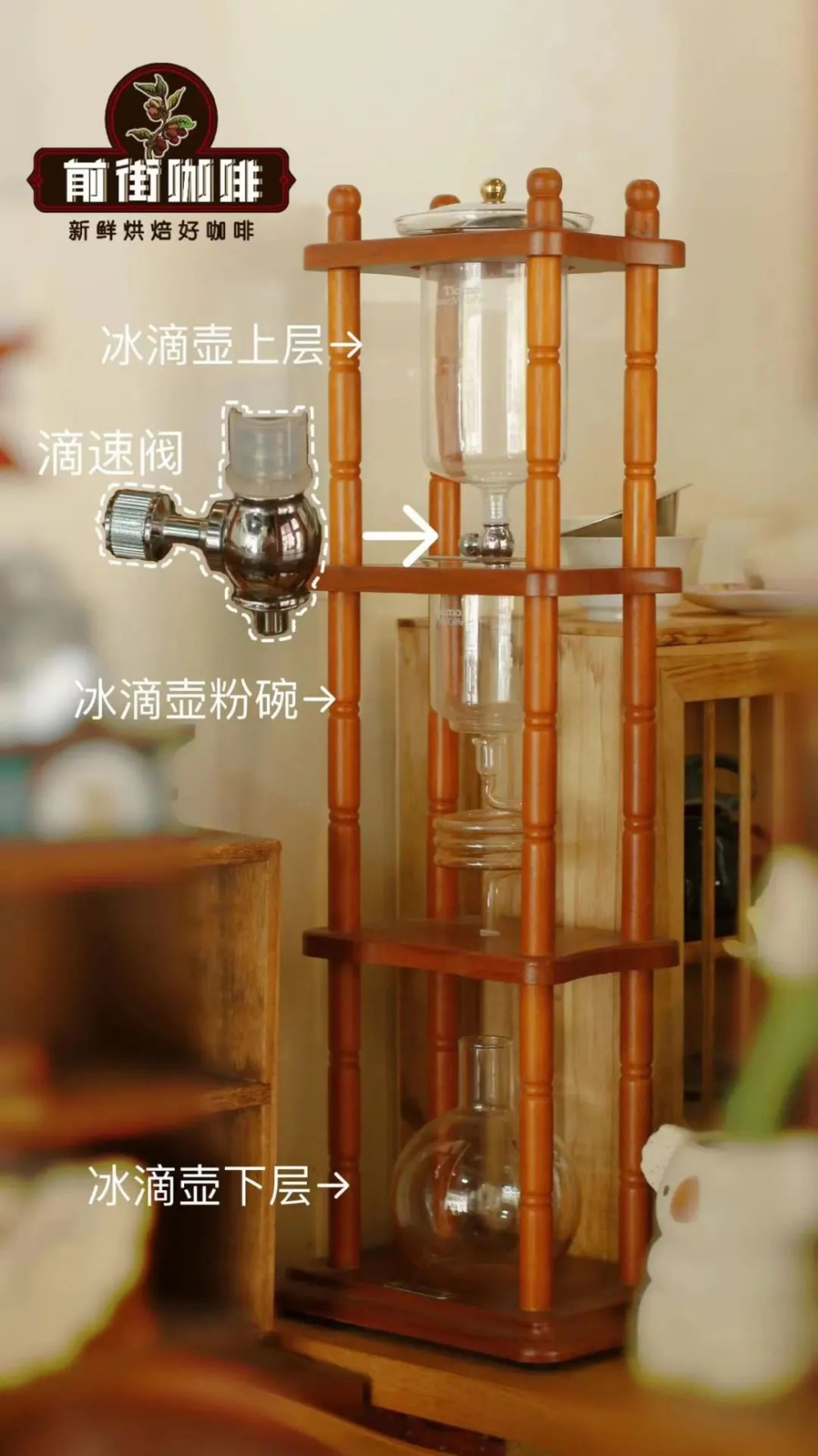
Regarding the control of drip rate, the industry-recognized40 to 50 drops per minuteis considered the golden ratio, as this speed ensures the coffee grounds are fully saturated without over-extraction. In practice, it’s advisable to adjust the flow rate slightly according to ambient temperature — slowing it down a bit on hot days can help avoid over-fermentation. If the brewed coffee isn’t consumed immediately, it should be stored in a sealed container in the refrigerator. Practical tests show that the flavor tends to peak on the third day, but the overall optimal flavor window does not exceed one week.
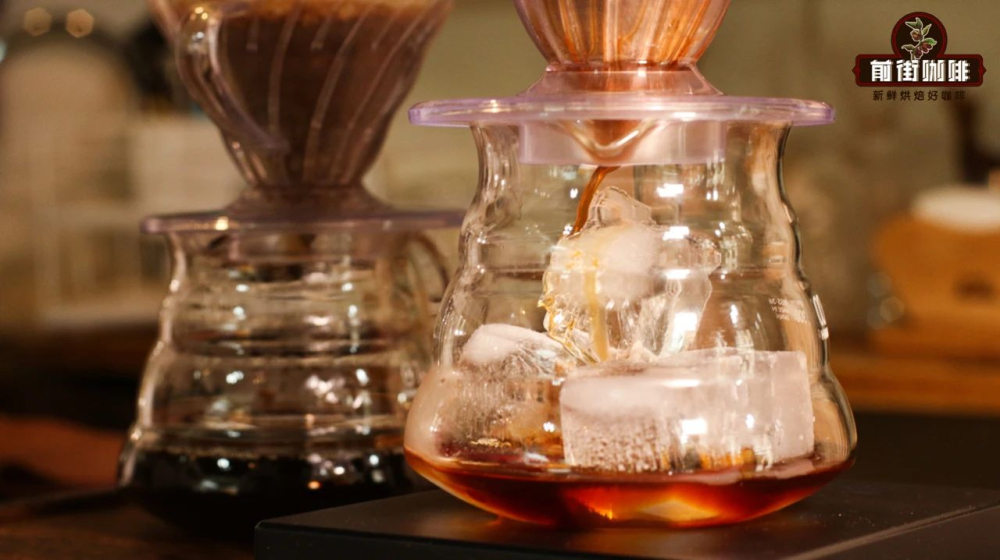
Here are three proven classic cold drip recipes: First is the deep berry type, using Costa Rica Mozart coffee beans (processed via anaerobic honey method), which deliver prominent blueberry and black grape aromas, along with an elegant wine-like note. For a clean and refreshing profile, Kenya Assaria is recommended, with its vibrant acidity showcasing the bright notes of cherry tomatoes and grapefruit — perfect for hot summer days. Lastly, for a sweet and rich option, Indonesian Golden Mandheling dark roast beans, after 24 hours of cold drip, release notes of chocolate bitterness and deep fermentation aroma, especially well-presented when served over ice.
Additional practical advice: the optimal brewing water temperature for cold drip coffee is around5°C— higher temperatures will negatively affect flavor development. The grind size should be between medium-coarse and French press level; too fine may lead to over-extraction. In terms of storage, although cold drip coffee can theoretically be kept for up to half a month, real drinking experiences show thatafter three daysthe flavor stability noticeably declines. Also, using whole beans and grinding them fresh helps preserve maximum flavor activity. If you opt for pre-ground coffee, it is best to use it immediately upon receipt to ensure the highest quality.
The above content is compiled by CoffeeHunters, a coffee news website.


