








Introduction:An in-depth analysis of the Red Label Gesha coffee beans from Ethiopia’s Gesha Village and Panama’s Hacienda La Esmeralda, covering their origin backgrounds, grading systems, and green bean appearance differences. This guide provides a comprehensive comparison of their flavor profiles and characteristics, along with practical V60 pour over recommendations to help coffee enthusiasts precisely extract Gesha’s floral, fruity notes and honey-like sweetness.
Gesha coffee enjoys an exceptional reputation in the specialty coffee world, renowned for its unique aroma and complex flavors, often regarded as a top-tier variety comparable to Blue Mountain. This article focuses on the Red Label Gesha beans from two renowned regions—the Gesha Village in Ethiopia and Hacienda La Esmeralda in Panama—offering a detailed comparison of their varietal origins, estate grading structures, green bean appearance features, and most representative cupping flavor profiles.
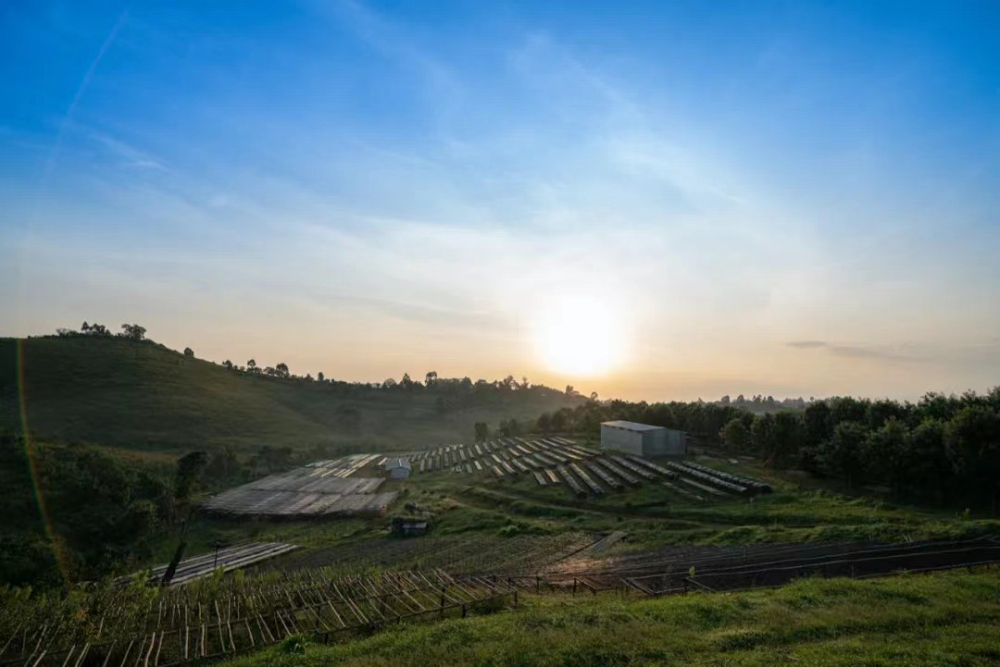
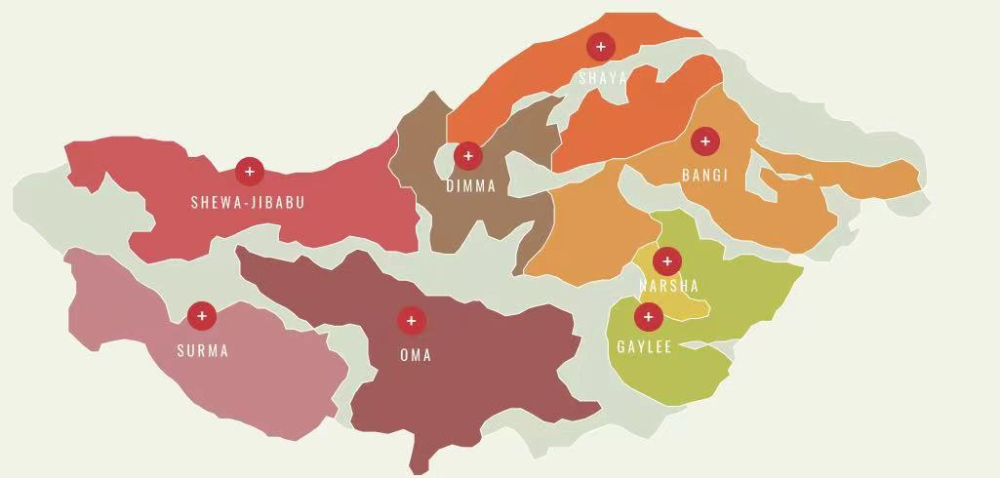
Gesha Village was co-founded by documentary filmmaker Adam Overton and his wife Rachel Samuel. While filming a coffee-themed documentary in Ethiopia’s Bench-Maji region in the early days, they gained an in-depth understanding of the renowned Gera Coffee Forest and conceived the idea of establishing their own brand and estate. After consulting with Willem Boot, an expert from Panama’s Hacienda La Esmeralda, they decided to introduce the Gesha variety and founded Gesha Village in the Bench-Maji region in 2011. The estate is divided into multiple micro-blocks and cultivates diverse cultivars including Gori Gesha, Gesha 1931, and the native Ethiopian disease-resistant variety Illubabor.

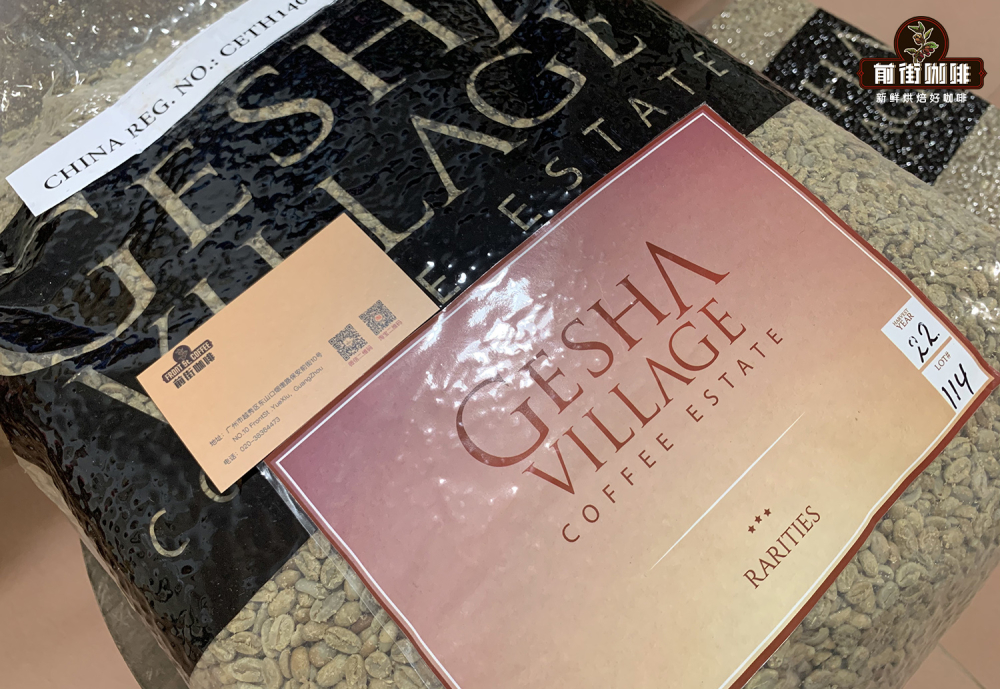
Gesha Village currently spans a total area of 471 hectares, gradually expanding since 2011, with planting reaching approximately 320 hectares by 2017, making it one of the world’s largest Gesha-growing bases. To ensure precise quality and flavor control, the estate categorizes its products into Auction, Gold Label, Red Label, Green Label, Chaka lots, and various micro-region offerings. The auction lots account for only 3.7% of annual production and must be acquired through global auctions, typically scoring between 88.15 and 92.67 in cupping, divided into Champion’s Reserve and Farm Reserve categories. The Gold Label lots make up 5% of production, offering high complexity and traceability, preferred by competitions and discerning roasters;The Red Label lots are characterized by complete regional traceability, showcasing the classic flavors of Gesha Village. Their flavor intensity and complexity are slightly less than the Gold Label, but they offer outstanding value for money.The Green Label comes from single plots and varieties, with flavors slightly more straightforward than the Red Label, while the Chaka lots are a blend of Gesha 1931, Gori Gesha, and Illubabor.
Panama’s Hacienda La Esmeralda is also a key representative of the Gesha coffee growing region. Its product line is mainly divided into Red Label, Green Label, and Blue Label, with the Blue Label having been discontinued since 2021. The Esmeralda Special series is the highest grade, sourced from detailed plots at elevations of 1600 to 1800 meters, with each lot requiring a cupping score above 90, primarily from the Jaramillo and Canas Verdes sub-farms. Its Red Label, officially named “Esmeralda Special” and commonly known as “Esmeralda Special Selection,”features independently numbered lots and uses Gesha beans from a single micro-plot, offering more distinctive flavor details.The Green Label, named “Private Collection” and referred to in Chinese as “私人收藏,” emphasizes the overall flavor characteristics of high-altitude Gesha and is a blend of multiple plot lots, serving as an alternative to the Red Label that doesn’t specify individual plots.
In terms of green bean appearance, the two Red Label Gesha beans show significant differences.Panamanian Red Label Gesha beans exhibit the typical long, oval shape, with plump bodies and pointed ends, and noticeably larger particle size.;Ethiopian Red Label Gesha beans are slightly smaller in size, with a more slender shape but not as robust as the Panamanian variety.These appearance traits help coffee enthusiasts preliminarily identify the origin when selecting beans.
In terms of flavor, both Red Label Gesha beans showcase the variety’s characteristic high acidity and rich floral notes, but each has its own unique expression.Panamanian Red Label Gesha is dominated by pronounced jasmine floral notes, complemented by citrus and berry tones, with a rich honey-like sweetness and an overall smooth, comfortable mouthfeel.;Ethiopian Red Label Gesha excels in vibrant juiciness, often featuring bright acidity and sweetness reminiscent of orange juice, along with the explosive fruitiness typical of Ethiopian coffee,resulting in a more exuberant flavor profile. These differences provide distinctly varied sensory experiences during brewing and tasting.
To fully highlight the delicate flavors of Gesha, here is a V60 pour over recipe tailored to the characteristics of Red Label Gesha beans, using the Panamanian Esmeralda Red Label as an example. Recommended dosage is 15 grams, using a Hario V60 #01 filter. Considering that Gesha beans are relatively hard and dense,the grind size is suggested to be adjusted to approximately 78% passing through a 20-mesh sieve, slightly coarser than standard pour over settings, to help avoid over-extraction and brew basket clogging..
The recommended brew ratio is 1:16. You may slightly increase the total water volume to balance concentration, aiming to maintain an extraction strength between 1.15%–1.25% to clearly present floral, fruity, and honey notes.Water temperature is set at 91°C to help stabilize extraction and avoid extracting overly sharp acidity..
The first step is the bloom phase: pour about 25 ml of hot water and let it sit for 30 seconds. Since Gesha beans absorb water more slowly, this amount is sufficient to evenly wet the coffee bed. Over-pouring may cause water to bypass the bed and flow directly into the server. During blooming, use a gentle circular motion from the center outward to improve evenness.
The second phase involves pouring 120 ml of hot water in a “mosquito coil” pattern from the center outward, slightly lifting the coffee bed. This phase takes about 1 minute, aiming for stable expansion and initial extraction. Then wait for the water level to drop naturally, which usually takes about 1 minute and 10 seconds to 1 minute and 15 seconds, until the water level reaches halfway down the filter, forming a bowl-like structure.
The final phase involves pouring 90 ml of hot water in a semi-circle, covering about half the surface area, completing all pouring steps in approximately 1 minute and 35 seconds. Once all the coffee has dripped through (total brew time around 2 minutes to 2 minutes and 5 seconds), you can remove the filter and enjoy.
Coffee brewed with these parameters will fully express clear floral and fruity aromas, soft acidity, and a rich honey-like sweetness, with a smooth mouthfeel and long-lasting aftertaste. It’s suitable for coffee lovers who enjoy bright fruit flavors and nuanced layers, and can also serve as an entry-level choice for everyday refined pour over brewing.
The above content is compiled by CoffeeHunters, a coffee news website.


